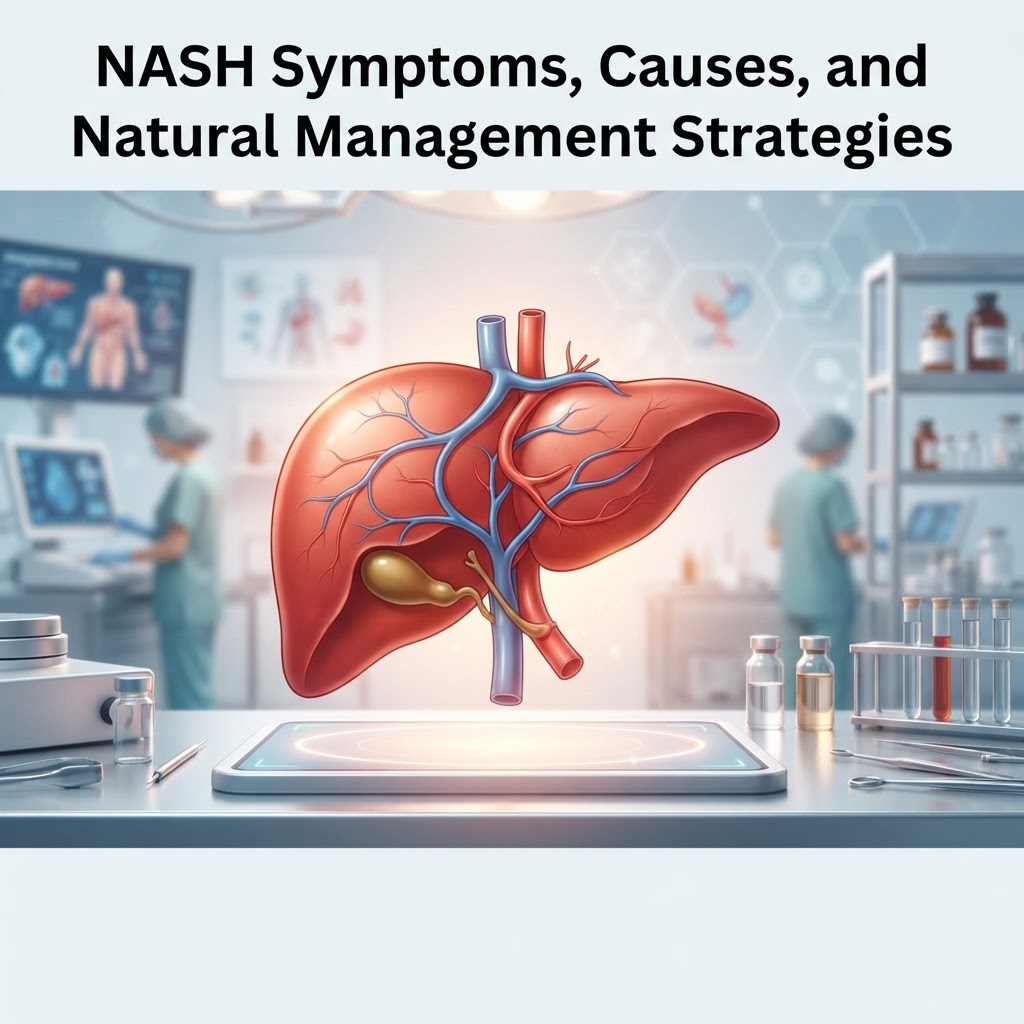
- NASH is a progressive form of fatty liver disease characterized by significant liver inflammation and cellular damage.
- Unlike simple fatty liver, NASH involves fat accumulation accompanied by inflammation, which can lead to scarring or cirrhosis.
- While early-stage NASH often presents without noticeable symptoms, fatigue and mild abdominal discomfort are common reported experiences.
- Metabolic syndrome, insulin resistance, and dietary habits are among the primary non-alcoholic steatohepatitis causes.
- Early intervention through lifestyle modification remains the gold standard for managing the disease and preventing further liver deterioration.
The modern lifestyle, characterized by convenience, sedentary habits, and processed food, has inadvertently created a silent epidemic within our bodies: the health of our liver. Among the various conditions affecting this vital organ, Non-Alcoholic Steatohepatitis (NASH) stands out as a critical concern for public health. Often described as a “silent” condition because it can progress for years without alerting the person affected, NASH represents a significant escalation from simple fatty liver disease. Understanding this condition is the first step toward reclaiming metabolic health and ensuring the longevity of one of the body’s most important processing centers. By exploring the underlying mechanisms, recognizing the early warning signs, and integrating evidence-based lifestyle changes, many individuals can manage the progression of this disease and improve their overall quality of life.
Understanding NASH: What Is Non-Alcoholic Steatohepatitis?
Non-Alcoholic Steatohepatitis, commonly abbreviated as NASH, is a serious form of non-alcoholic fatty liver disease (NAFLD). To understand NASH, one must first understand the liver’s role in processing fat. In a healthy state, the liver handles small amounts of fat without issue. However, in the context of metabolic dysfunction, the liver begins to accumulate excess fat in its cells. When this fat accumulation is accompanied by active inflammation and injury to the liver cells, the condition is classified as NASH.
The term itself breaks down into descriptive components: “non-alcoholic” specifies that the condition occurs in people who consume little to no alcohol; “steato” refers to fat; and “hepatitis” denotes inflammation of the liver tissue. It is this combination of fat and inflammation that makes NASH liver disease significantly more dangerous than simple fatty liver. The ongoing inflammation creates a hostile environment for the liver’s functional cells, known as hepatocytes.
Over time, this cycle of inflammation can trigger the liver’s repair mechanism, which involves the deposition of fibrous tissue. If the inflammation remains unaddressed, this fibrosis can become widespread, eventually leading to cirrhosis—a state of permanent scarring where the liver can no longer function effectively. Because the liver has a remarkable capacity to regenerate, early detection is essential. When individuals adopt targeted NASH lifestyle changes, they provide the liver with the breathing room it needs to heal, potentially preventing the progression to advanced disease.
Experts generally agree that NASH is driven by a complex interplay of systemic issues, primarily metabolic syndrome. This includes factors like excess body weight, insulin resistance, and elevated triglycerides. Because the liver is the primary metabolic engine of the body, it acts as a canary in the coal mine for systemic health. When the body is overwhelmed by surplus energy intake and physical inactivity, the liver stores the excess as fat, leading to the inflammatory response that characterizes NASH. By viewing the liver not as an isolated organ, but as an integral part of your metabolic system, you can better appreciate why holistic health interventions are so effective at addressing the root cause of this condition.
NASH vs. NAFLD: Identifying the Key Differences
It is common for the terms NAFLD and NASH to be used interchangeably, but there is a profound clinical difference between the two. NAFLD—or, as it is now increasingly being termed by experts, Metabolic Dysfunction-Associated Steatotic Liver Disease (MASLD)—is a broad spectrum. At the beginning of this spectrum is “simple fatty liver” (steatosis). In this state, there is excess fat in the liver, but little to no significant inflammation or damage to the liver cells. For many people, simple fatty liver remains stable and does not necessarily lead to severe complications.
NASH represents the more aggressive end of the NAFLD spectrum. The key distinguishing factor is the presence of cellular damage and inflammation. While simple fatty liver might be seen as a sign that the liver is overloaded, NASH indicates that the liver is currently under attack. This inflammatory process is what sets the stage for the progressive scarring that characterizes advanced liver disease.
To help distinguish between the different ways individuals manage these stages of liver health, consider the following approaches:
| Approach | Primary Focus | Best For |
|---|---|---|
| General Dietary Optimization | Reducing caloric surplus and refined sugars | Simple fatty liver prevention |
| Metabolic-Focused Intervention | Improving insulin sensitivity and exercise | Active NASH management |
| Clinical Monitoring | Regular fibrosis scans and blood work | Monitoring progression or scarring |
The progression from NAFLD to NASH is not always linear, but the risk remains higher in individuals with specific metabolic profiles. Distinguishing between them typically requires diagnostic testing, as a person with NASH may feel as healthy as a person with simple fatty liver. This is precisely why regular screening is recommended for those with known risk factors like type 2 diabetes or high blood pressure. By identifying whether an individual is experiencing simple steatosis or the inflammatory damage of NASH, healthcare providers can offer more precise guidance on whether simple lifestyle shifts or a more structured, intensive medical approach is necessary. Ultimately, both conditions require a proactive commitment to reducing liver fat, but NASH demands a more rigorous adherence to anti-inflammatory protocols to halt the trajectory toward permanent liver damage.
Common Symptoms and Early Warning Signs of NASH
One of the most challenging aspects of living with NASH is its often asymptomatic nature. During the initial phases, the liver does not have nerve endings that signal pain, which means that active inflammation can be occurring without any physical sensation of discomfort. Many individuals are surprised to learn they have the condition only after a routine blood test reveals elevated liver enzymes or an imaging scan for an unrelated issue detects fat in the liver.
However, as the inflammation persists and begins to affect systemic energy levels, some people do report vague, non-specific NASH symptoms. Fatigue is perhaps the most commonly cited complaint. It is often described as a persistent, low-level exhaustion that does not resolve with a standard night of sleep. This fatigue likely stems from the liver’s inability to efficiently manage glucose and nutrient distribution, leaving the body’s energy systems feeling sluggish and inefficient.
Another common report is a dull, aching sensation in the upper right quadrant of the abdomen, right below the rib cage. This is where the liver is situated. While not everyone experiences this, some individuals describe a feeling of fullness or mild discomfort, particularly after eating a large or high-fat meal. This may be attributed to the liver being slightly enlarged due to fat accumulation and inflammation, causing it to press against the surrounding structures.
As the condition progresses, if it reaches more advanced stages, signs become more pronounced. These can include unexplained weight loss, loss of appetite, or general weakness. In advanced cases involving significant scarring, a person might notice yellowing of the skin or eyes (jaundice), swelling in the legs or abdomen, or easy bruising. It is critical to emphasize that these advanced symptoms are not early warning signs; they represent more significant liver dysfunction. Because the earliest signs of NASH are so subtle, many health professionals suggest that people with risk factors—such as obesity or metabolic syndrome—should remain vigilant about their liver health even in the absence of obvious symptoms. Listening to your body, particularly when you notice changes in energy or digestive comfort, is an essential part of an early intervention strategy.
Primary Causes and Risk Factors for Liver Inflammation
To understand the primary non-alcoholic steatohepatitis causes, it is helpful to look at the body’s metabolic pathways. NASH is rarely caused by a single isolated event; rather, it is usually the result of a long-term “energy mismatch.” When we consume more energy than our body can efficiently use or store safely in adipose tissue, the liver becomes the secondary storage site. This process of ectopic fat deposition is the foundational cause of the condition.
Insulin resistance is arguably the most significant driver. When cells in the body stop responding properly to insulin, the pancreas compensates by producing more. This high level of circulating insulin encourages the liver to synthesize more fat and prevents it from properly exporting that fat. This creates a feedback loop where the liver becomes increasingly fatty and inflamed. For this reason, individuals with type 2 diabetes or pre-diabetes are at a significantly higher risk for developing NASH.
Dietary habits play a foundational role in this inflammatory process. High intake of refined carbohydrates, particularly fructose and high-fructose corn syrup, has been heavily scrutinized. Unlike glucose, which can be used by almost every cell in the body for energy, fructose is metabolized almost exclusively by the liver. When consumed in excess, it places a heavy burden on liver cells, promoting lipogenesis (the creation of fat) and oxidative stress, which triggers the inflammation characteristic of NASH.
Beyond diet, the role of the gut microbiome is an emerging area of intense scientific interest. Emerging evidence suggests that the “gut-liver axis” plays a role in disease progression. An imbalance in gut bacteria—often caused by poor diet, lack of fiber, or chronic stress—can lead to increased intestinal permeability, sometimes called “leaky gut.” This allows bacterial toxins to enter the bloodstream and travel directly to the liver via the portal vein, where they can ignite an inflammatory response. Other risk factors include a sedentary lifestyle, high blood pressure, and elevated levels of LDL cholesterol or triglycerides. Age and genetic predisposition also contribute to the overall risk profile. Recognizing these factors is not about placing blame, but about identifying the levers that you can influence through targeted NASH lifestyle changes to lower inflammation and support the liver’s natural recovery processes.
How NASH Is Diagnosed: Tests Your Doctor May Run
Diagnosing NASH requires a careful, multi-step approach because there is no single “magic bullet” test that can definitively pinpoint the condition in every patient. The process typically begins with a review of medical history and a physical examination. A clinician will look for physical signs of liver issues, such as an enlarged liver or evidence of metabolic syndrome, while also discussing your diet, lifestyle, and history of alcohol consumption to rule out alcohol-related liver disease.
Blood tests are the first line of defense in screening. Healthcare providers typically check for elevated levels of liver enzymes, such as ALT (alanine aminotransferase) and AST (aspartate aminotransferase). While these enzymes are not specific to NASH, their consistent elevation is a primary signal that liver inflammation may be present. Beyond enzymes, doctors often look at markers of metabolic health, such as lipid panels to check for high triglycerides and fasting blood glucose or HbA1c to assess for insulin resistance or diabetes.
If blood work indicates potential issues, imaging studies are used to visualize the liver. An ultrasound is often the first step; it is non-invasive and can easily detect the presence of excess fat in the liver, which appears brighter on the scan than healthy tissue. However, while an ultrasound is excellent at identifying simple fatty liver, it is less effective at differentiating between simple steatosis and the active inflammation of NASH. For this, more advanced imaging is often required.
Transient elastography, commonly known by brand names like FibroScan, is a specialized ultrasound technique that measures the stiffness of the liver. Because the liver becomes stiffer as it develops fibrous tissue (scarring), this test provides a non-invasive way to assess the level of damage without needing a biopsy. This has revolutionized the way we monitor NASH reversal tips and disease progression. In some cases, if the diagnosis remains unclear or if the doctor needs to determine the exact stage of fibrosis, a liver biopsy may be recommended. During this procedure, a tiny sample of liver tissue is removed and examined under a microscope. While it remains the “gold standard” for assessing inflammation and scarring, it is an invasive procedure and is typically reserved for cases where other diagnostic methods do not provide a clear picture. By combining these various tools—blood analysis, stiffness testing, and clinical assessment—doctors can create a comprehensive roadmap for managing your liver health.
The Role of Diet in Managing and Reversing NASH
When addressing Non-Alcoholic Steatohepatitis (NASH), the foundation of recovery is arguably found on the dinner plate. Because the liver serves as the body’s primary metabolic hub, it is acutely sensitive to the composition of our macronutrient intake. In cases of fatty liver inflammation, the goal of dietary intervention is not merely weight loss, but specifically the reduction of intrahepatic fat and the systemic lowering of insulin resistance.
The most widely supported dietary framework for those managing NASH is the Mediterranean-style diet. This approach is rich in monounsaturated fats, fiber, and antioxidant-dense vegetables, which collectively work to reduce oxidative stress—a major contributor to liver damage. By prioritizing whole, unprocessed foods, you minimize the intake of pro-inflammatory compounds that typically trigger the progression from simple steatosis to severe fibrosis.
A critical component of this dietary shift is the strict management of refined sugars, specifically high-fructose corn syrup. When consumed in excess, fructose is metabolized almost exclusively in the liver, where it is converted into triglycerides. This process, known as de novo lipogenesis, directly fuels the accumulation of fat droplets within liver cells, exacerbating fatty liver inflammation. Reducing your intake of sweetened beverages, processed snacks, and hidden sugars in sauces can have a profound impact on reducing liver fat accumulation.
Furthermore, fiber intake plays a crucial role in managing metabolic health. Soluble fiber found in legumes, oats, and certain fruits helps regulate blood glucose levels and improves insulin sensitivity. By moderating the insulin response, you indirectly reduce the demand on the liver to process excess glucose, allowing it the necessary biological bandwidth to focus on repairing cellular damage rather than storing excess lipids.
Essential Lifestyle Habits for Reducing Liver Fat
Managing NASH requires a holistic commitment beyond just caloric restriction. The liver is significantly impacted by your body’s circadian rhythms, sleep quality, and stress levels. Chronic stress, for instance, triggers the release of cortisol, a hormone that promotes fat storage, particularly in the abdominal area and the liver. Adopting mindfulness practices, such as structured breathing exercises or meditation, can help regulate the nervous system and decrease the hormonal triggers that drive visceral fat accumulation.
Sleep hygiene is another often-overlooked pillar of NASH natural treatment. Research suggests that chronic sleep deprivation or poor-quality sleep disrupts metabolic pathways, leading to increased hunger signals and worsened insulin resistance. Aiming for seven to nine hours of restorative sleep allows the body’s inflammatory markers to subside, facilitating the liver’s natural detoxification and repair cycles.
Hydration is equally essential. While water is the most beneficial choice, some studies have indicated that moderate, consistent coffee consumption may offer protective benefits for the liver. Coffee contains polyphenols and antioxidants that may help lower the risk of liver fibrosis in individuals with NASH. However, these benefits are negated if the coffee is consumed with large amounts of sugar or heavy creams. The focus should remain on water, herbal teas, and black coffee as primary hydration sources to keep metabolic pathways clear and efficient.
Evidence-Based Supplements for Liver Support
While no supplement acts as a “magic bullet” for reversing NASH, several compounds show promise in supporting liver function when combined with comprehensive lifestyle changes. It is vital to approach supplementation with a strategic mindset, ensuring that the additions to your routine are supported by quality research rather than marketing hype.
| Supplement | Mechanism of Action | Best For |
|---|---|---|
| Omega-3 Fatty Acids | Reduces triglyceride levels and systemic inflammation. | Lowering liver fat accumulation. |
| Vitamin E | Potent antioxidant that neutralizes oxidative stress. | Reducing inflammation in non-diabetic NASH patients. |
| Silymarin (Milk Thistle) | Supports hepatocyte regeneration and stabilization. | General liver cell protection. |
| Berberine | Improves insulin sensitivity and metabolic markers. | Managing blood sugar-related liver strain. |
Omega-3 supplementation, particularly those rich in EPA and DHA, is often recommended by experts for patients with NASH due to its potent anti-inflammatory properties. These fatty acids help modulate the lipid profile, potentially reducing the amount of fat the liver needs to process. Meanwhile, Vitamin E has long been studied for its ability to reduce inflammation within the liver; however, it should only be used under medical supervision, as long-term high-dose usage carries specific safety considerations.
It is important to remember that supplements are intended to fill nutritional gaps, not to replace the essential work of a balanced diet and regular movement. Always prioritize whole-food sources of these nutrients whenever possible, and ensure your healthcare provider reviews any supplement to check for interactions with existing medications.
Physical Activity Guidelines for NASH Patients
Exercise acts as a natural medication for NASH. It works by increasing the expression of proteins that burn fatty acids and by enhancing insulin sensitivity in skeletal muscle, which in turn takes the metabolic burden off the liver. For those looking to implement NASH lifestyle changes, a dual approach of aerobic and resistance training is typically considered the most effective strategy.
Aerobic exercise, such as brisk walking, cycling, or swimming, is excellent for improving cardiovascular health and increasing the utilization of fatty acids as fuel. Experts generally suggest aiming for 150 minutes of moderate-intensity aerobic activity per week. This intensity level should be enough to raise your heart rate and cause mild sweating, but you should still be able to maintain a conversation.
Equally important is resistance training. Building muscle mass changes your body’s metabolic profile, as muscle tissue is more metabolically active than adipose tissue. Lifting weights or engaging in bodyweight exercises two to three times per week helps stabilize blood sugar levels throughout the day. When the muscles are primed for glucose utilization, the liver is less likely to undergo de novo lipogenesis, directly hindering the progression of fatty liver inflammation.
Consistency is more important than intensity. Even small, ten-minute bouts of activity spread throughout the day can improve metabolic markers over time. The goal is to move more and sit less, making movement an integral part of your daily rhythm rather than an isolated, dreaded task.
Monitoring Your Progress: When to Consult a Hepatologist
Tracking the success of your NASH reversal tips involves more than just stepping on a scale. While weight loss is a positive sign, the internal healing of the liver requires clinical monitoring. Regular check-ups with a healthcare professional are essential to ensure that your lifestyle changes are translating into actual biological improvement.
Typically, a hepatologist or gastroenterologist will monitor your progress through a combination of blood tests—such as liver enzyme panels (ALT, AST)—and, if necessary, non-invasive imaging like FibroScan or specialized ultrasound. These tools measure liver stiffness, which serves as a proxy for fibrosis levels. If your enzymes are trending downward and imaging shows a reduction in fat density, it is a strong indicator that your lifestyle interventions are working.
However, you should seek immediate consultation if you experience warning signs such as unexplained jaundice, persistent abdominal swelling, intense fatigue that does not resolve with rest, or dark-colored urine. These may indicate that the condition is progressing and requires a more aggressive clinical intervention. Managing NASH is a long-term partnership with your medical team, where your proactive home efforts are validated and guided by expert clinical observation.
Frequently Asked Questions
Can NASH be completely reversed through diet alone?
While diet is a cornerstone of recovery, “reversal” usually requires a multifaceted approach including physical activity, sleep management, and potentially medical supervision. Many individuals experience significant improvements in liver health and a reduction in fat accumulation through consistent, long-term lifestyle changes, effectively “reversing” the progression of the disease in its earlier stages.
What are the primary NASH symptoms that indicate I should see a doctor?
Early-stage NASH is often asymptomatic. However, as the disease progresses, individuals may notice fatigue, mild pain or discomfort in the upper right quadrant of the abdomen, and subtle weakness. If you notice signs such as yellowing of the skin or eyes (jaundice), swelling in the legs, or persistent cognitive “fogginess,” it is critical to seek medical evaluation immediately.
How does weight loss specifically impact fatty liver inflammation?
Weight loss—specifically the loss of visceral fat—dramatically reduces the amount of free fatty acids circulating in the blood. Since the liver is responsible for processing these fats, a reduction in the total body fat burden directly allows the liver to recover, reduces the inflammatory signaling that causes fibrosis, and helps restore normal liver enzyme levels.
Are there specific foods I should strictly avoid with NASH?
To support liver recovery, it is generally recommended to strictly limit or eliminate high-fructose corn syrup, sugary sodas, refined carbohydrates (like white bread and pastries), and alcohol. These substances place excessive stress on the liver’s metabolic capacity and are known drivers of fat storage and liver inflammation.
Is it possible to have NASH without being overweight?
Yes. While obesity is a primary risk factor, “lean NASH” occurs in individuals who maintain a normal body mass index but may still have underlying metabolic dysfunctions, such as insulin resistance, genetic predispositions, or poor dietary patterns. These individuals often require the same focus on dietary quality and physical activity as those who are overweight.
How long does it take to see improvements in liver health?
The liver is remarkably resilient, but healing takes time. Many people start to see improvements in blood markers and a reduction in liver fat within three to six months of committing to consistent lifestyle changes. However, addressing deeper issues like fibrosis requires sustained effort over months or even years. Patience and consistency are your most important tools.
Conclusion
Managing and potentially reversing NASH is an empowering journey that places your long-term health directly in your own hands. By understanding the core drivers of fatty liver inflammation—ranging from diet and insulin resistance to systemic oxidative stress—you can implement targeted, evidence-based lifestyle changes that foster genuine healing. It is not about a quick fix or a fad diet; it is about building a sustainable, health-promoting lifestyle that honors your body’s metabolic needs.
Start small, stay consistent, and rely on the guidance of healthcare professionals to track your internal progress. Whether you are adjusting your macro balance, increasing your daily movement, or optimizing your sleep hygiene, every positive decision contributes to a stronger, healthier liver. Take the first step today by scheduling a consultation with your primary care provider to discuss your liver health goals.
By healthauthoritylife Editorial Team
This article is for informational purposes only and is not a substitute for professional medical advice. Always consult your doctor before making changes to your diet, exercise routine, or treatment plan.
Leave a Reply