
- Intermittent fasting significantly alters bile secretion patterns, which can be problematic for those with existing gallbladder sensitivities.
- Extended periods of fasting may increase the risk of bile stasis, potentially leading to the formation or growth of gallstones.
- Gallbladder attacks during fasting often occur due to rapid weight loss or the sudden intake of high-fat meals after a long fast.
- Gentle fasting windows, such as a 12:12 or 14:10 approach, are generally safer for individuals focusing on gallbladder health.
- Prioritizing hydration and balanced, nutrient-dense meals is essential when attempting to manage gallbladder health while intermittent fasting.
The popularity of intermittent fasting has soared due to its promising effects on metabolic health, weight management, and cellular repair. However, for those navigating gallbladder issues, the protocol is not always straightforward. When you change how often you eat, you change how your body processes fats and manages bile—the digestive fluid essential for breaking down lipids. If your gallbladder is already sensitive, sluggish, or prone to stone formation, the rhythm of your fasting window could either be a helpful tool or a catalyst for discomfort. Understanding the physiological nuances of how your digestive system reacts to periods of caloric abstinence is crucial for anyone exploring intermittent fasting with gallbladder issues safely and effectively.
How Fasting Affects Bile Production and Gallbladder Function
To understand the relationship between fasting and gallbladder function, we must first look at the role of the gallbladder itself. This small, pear-shaped organ acts as a reservoir for bile produced by the liver. Bile is a complex fluid composed of water, electrolytes, cholesterol, bile salts, and bilirubin. Its primary job is to emulsify dietary fats in the small intestine, making them accessible to digestive enzymes.
Under normal eating conditions—meaning a standard pattern of regular meals—the gallbladder periodically contracts to release bile into the digestive tract. These contractions are triggered by the presence of food, specifically dietary fats, in the duodenum. This regular “flushing” mechanism is vital. It prevents bile from stagnating within the gallbladder. When bile sits in the gallbladder for too long, it becomes more concentrated, and its chemical composition can change. If the balance of cholesterol, bile salts, and phospholipids is disrupted, it creates an environment where solids can begin to precipitate out of the liquid, eventually forming “sludge” or stones.
When you adopt an intermittent fasting lifestyle, you are effectively pausing this regular flushing rhythm for longer periods. During a fast, the gallbladder remains in a relatively dormant state because there is no food intake to trigger the hormonal signals, such as cholecystokinin (CCK), that prompt gallbladder contraction. While the liver continues to produce bile, the gallbladder is not instructed to empty it. This prolonged period of storage means that bile can become significantly more concentrated than it would be during a standard eating day. For someone with a healthy gallbladder, this is typically not an issue; the body is adept at managing these transitions. However, for those with existing bile flow concerns or biliary dyskinesia, this increased concentration can be problematic.
Furthermore, the liver’s bile production rhythm is somewhat tied to the body’s circadian clock. Fasting can influence these metabolic pathways. Experts generally agree that while fasting encourages the body to clear out damaged cells (autophagy), the mechanical side of digestion relies on movement. Without the frequent stimulus of food, the gallbladder’s “muscular” tone may change. Some practitioners suggest that the lack of regular mechanical emptying during extended fasts can contribute to a feeling of sluggishness. Therefore, the goal for those interested in fasting for gallbladder health is to find a balance where the body benefits from the fasting state without allowing bile to become too stagnant, which could lead to complications.
The Risk of Gallstone Formation During Extended Fasting
The relationship between rapid weight loss and gallstones is well-documented in clinical literature, and this is a significant consideration for anyone using intermittent fasting to shed weight. When a person enters a state of caloric deficit, particularly through extended fasting windows or severe caloric restriction, the liver typically increases the secretion of cholesterol into the bile. This occurs because the body is mobilizing its own fat stores for energy.
As the liver dumps this additional cholesterol into the gallbladder, the bile becomes supersaturated. Because the gallbladder is not contracting frequently to clear this bile, the excess cholesterol can begin to crystalize. These crystals are the precursors to gallstones. If the fasting duration is too long or the weight loss is too rapid, the risk of these crystals clumping together into larger stones increases. This is a common point of contention: intermittent fasting is often promoted for its metabolic benefits, yet the very process of rapid lipid mobilization that occurs during a fast can put a strain on the biliary system.
It is important to distinguish between mild intermittent fasting and starvation-level protocols. While an 18:6 or 20:4 fasting window is common in the wellness community, extreme long-term fasts (such as those lasting several days) carry a notably higher risk for those with gallbladder sensitivity. During these longer fasts, the bile stored in the gallbladder can sit for days, potentially thickening into a sludge that makes it difficult for the gallbladder to empty properly once a meal is eventually consumed. When the fast is broken, the gallbladder may attempt to contract vigorously to clear out this thickened, sludge-filled bile, potentially causing significant pain or triggering a gallbladder attack if a stone blocks the cystic duct.
Another factor involved is the loss of bile salts during weight loss. Bile salts are essential for keeping cholesterol in a liquid state. If the body does not have enough bile salts to account for the influx of mobilized cholesterol, the bile remains unstable. This is why some researchers advocate for a more gradual approach to weight loss rather than the aggressive deficits seen in restrictive fasting protocols. By maintaining a more moderate eating pattern, individuals can ensure that the gallbladder is triggered often enough to maintain proper flow. When discussing intermittent fasting with gallbladder issues, it is essential to emphasize that the *speed* of the fasting adaptation matters. Pushing the body into a deep state of fasting too quickly, or sustaining it for too long without adequate nutritional support, often creates the exact conditions the gallbladder is sensitive to.
Why Some People Experience Gallbladder Attacks While Fasting
For individuals with existing gallbladder issues, the sudden onset of pain during a fasting routine can be alarming. A gallbladder attack—medically known as biliary colic—is usually the result of a stone obstructing the bile duct. While it might seem counterintuitive that fasting (a period of rest) would cause this, the physiology of the digestive system offers a clear explanation: it is often the *transition* from fasting to feeding that causes the most distress.
Consider the sequence of events: you have been fasting for 16 or 18 hours. During this time, your gallbladder has been acting as a storage vessel, and the bile inside has become highly concentrated. Then, you sit down to “break” your fast. If that first meal is high in fat—perhaps a large serving of avocado, nuts, or fatty meat—it sends a powerful signal to the gallbladder to contract immediately and release a large volume of bile to digest the fat. This sudden, forceful contraction of a gallbladder that contains concentrated, sluggish bile or small stones can be enough to dislodge a stone or force it into the narrow neck of the gallbladder or the cystic duct.
Additionally, if a person has underlying issues like gallbladder sludge (which is essentially a precursor to stones), the transition can be equally difficult. The sludge, being thick and viscous, does not flow out of the gallbladder as easily as healthy, thin bile. When the gallbladder contracts to handle the incoming meal, the sludge can effectively “clog” the exit, leading to inflammation and pain. Many people report that the pain of a gallbladder attack is felt in the upper right quadrant of the abdomen, sometimes radiating to the back or shoulder, precisely because the organ is working against an obstruction.
Furthermore, some individuals use fasting as a way to “cleanse” their system, but in the process, they may neglect the importance of bile acid support. If your bile production is already compromised, you may lack the necessary fluidity to keep the system moving during the refeeding phase. Eating a meal that is too large or too difficult to digest immediately after a long fast effectively creates a “traffic jam” in the biliary tree. Experts often suggest that for those with gallbladder concerns, the *composition* of the first meal after fasting is just as important as the fasting duration itself. Breaking a fast with a very heavy, high-fat meal is a common trigger for symptoms. Instead, starting with smaller, easy-to-digest, lower-fat meals allows the gallbladder to adjust to the influx of food without needing to perform a massive, high-pressure evacuation all at once.
Is Intermittent Fasting Recommended for Gallbladder Health?
The consensus regarding intermittent fasting and gallbladder health is nuanced. While intermittent fasting offers clear benefits for metabolic health, insulin sensitivity, and weight management, it is not a “one-size-fits-all” solution, particularly for those with a history of gallbladder disease. For the average person with a healthy, functioning gallbladder, short-term fasting is typically well-tolerated and may even have long-term benefits for digestive health by allowing the gut to rest. However, for those with a history of gallstones, bile stasis, or biliary pain, the risks must be weighed carefully against the benefits.
When considering whether this lifestyle is appropriate for your specific health needs, it is helpful to look at the differences in how fasting styles interact with digestion. The following table provides a breakdown of different approaches:
| Fasting Approach | Mechanism | Best For |
|---|---|---|
| 12:12 Circadian Fasting | Aligns with natural sleep cycles; limits eating to daylight hours. | Beginners and those with mild gallbladder sensitivity. |
| 14:10 Time-Restricted Feeding | Offers a slight caloric deficit while maintaining regular bile flow. | Individuals seeking weight management without extreme restriction. |
| 16:8 Protocol | Popular for weight loss; requires more careful meal planning. | Experienced fasters with no history of biliary obstruction. |
| Extended Fasting (24h+) | Triggers deep autophagy but increases bile stagnation risks. | Not recommended for anyone with gallbladder issues. |
For many, the benefits of intermittent fasting—specifically the reduction of insulin resistance—can actually improve gallbladder health in the long run. High insulin levels are often linked to a higher risk of gallstone formation. By stabilizing blood sugar, intermittent fasting can indirectly reduce the factors that promote stone growth. However, this is only true if the fasting is done in a way that avoids the negative side effects of rapid weight loss and prolonged bile stasis. The key is finding a “middle ground” that promotes metabolic flexibility while keeping the digestive tract moving.
If you have had your gallbladder removed, the rules change entirely. Without a gallbladder, your liver releases bile directly into the small intestine in a continuous trickle. In this case, long fasting windows may lead to bile acid malabsorption, causing digestive distress, diarrhea, or discomfort. Individuals without a gallbladder often find that they fare better with frequent, smaller meals rather than long periods of fasting. If you retain your gallbladder but have a history of issues, the “recommended” approach is almost always a slow, steady introduction of time-restricted feeding, accompanied by careful observation of how your body reacts to the refeeding phase.
Best Fasting Windows for Those With Gallbladder Sensitivity
If you have determined that intermittent fasting is a goal you want to pursue despite your gallbladder sensitivity, selecting the right window is the most critical step. Rather than jumping into a 16:8 or 18:6 protocol, which many fitness enthusiasts advocate, it is often safer to begin with a more conservative approach. The goal here is to give your system the rest it needs while ensuring the gallbladder does not remain dormant for long enough to allow for significant bile sludge buildup.
The 12:12 method is widely regarded as the safest starting point for those with digestive sensitivities. In this model, you fast for 12 hours and eat within a 12-hour window. For instance, if you finish your dinner by 7:00 PM, you would have breakfast at 7:00 AM. This protocol is remarkably effective at improving metabolic health because it syncs with the body’s natural circadian rhythm. It provides the liver and gallbladder with a predictable rest period at night while ensuring that they are “activated” in the morning. Because the fasting window is shorter, the risk of developing gallstones or experiencing severe bile stasis is significantly minimized.
Once you are comfortable with a 12:12 rhythm, some individuals may choose to gently transition to a 14:10 window. This adds a few extra hours to the fast, which can provide a deeper level of metabolic repair without significantly increasing the risk of bile stagnation. The most important factor in these windows is the consistency of the eating schedule. A predictable schedule helps your digestive hormones, including cholecystokinin, to regulate properly. Irregular fasting, where you skip breakfast one day and dinner the next, can be harder on the gallbladder than a consistent, moderate-length fast.
During these windows, the quality of your hydration and nutrient intake is paramount. Drinking plenty of water helps keep the bile thin and encourages flow. Some wellness practitioners also suggest incorporating bitter foods or herbal teas—such as dandelion root or peppermint—during your eating window. These “bitters” are traditionally used to stimulate bile production and support healthy gallbladder function. It is important to note that these are supportive measures; they do not replace the need for medical supervision if you have active gallbladder disease.
Finally, avoid the temptation to “cram” your daily caloric needs into a very short window. If you are doing a 14:10 fast, distribute your food intake evenly throughout those 10 hours. Eating two or three smaller, balanced meals is much easier on the gallbladder than consuming one massive “feast” to meet your daily requirements. By keeping the volume of each meal moderate, you reduce the mechanical pressure on the gallbladder and prevent the sudden, high-pressure contractions that are typically responsible for biliary pain. Ultimately, when it comes to intermittent fasting with gallbladder issues, patience is your best tool. Slow, steady progress will allow you to realize the benefits of fasting while respecting the limitations of your digestive system.
Essential Nutrition Tips for Your Eating Window
When practicing intermittent fasting with gallbladder issues, the quality and composition of your meals during the eating window are significantly more important than the duration of the fast itself. Because the gallbladder is responsible for releasing stored bile to emulsify fats, erratic eating patterns can sometimes lead to bile stasis—a condition where bile becomes thick and sluggish. To mitigate the risk of gallbladder-friendly intermittent fasting complications, your nutrition strategy must focus on supporting healthy bile production and flow.
The primary goal during your eating window is to avoid extreme dietary swings. Gorging on high-fat meals after a long fast can overwhelm the gallbladder, triggering contractions that may lead to discomfort or the movement of gallstones. Instead, prioritize balanced, nutrient-dense meals that provide steady support for your digestive system.
Prioritize Bile-Supporting Foods
Incorporate bitter greens into your meals, such as arugula, radicchio, dandelion greens, and kale. Bitter compounds stimulate the production of bile and digestive enzymes, helping to prepare the gallbladder for the arrival of food. Furthermore, cruciferous vegetables like broccoli, cauliflower, and Brussels sprouts contain fiber that binds to bile acids, assisting in the detoxification process and reducing the burden on the gallbladder.
Optimal Fat Selection
While fats are necessary for the absorption of fat-soluble vitamins (A, D, E, and K), they must be consumed in moderation. Choose fats that are easier to digest. Medium-chain triglycerides (MCTs), found in coconut oil, are absorbed directly into the portal vein and do not require the same degree of bile-heavy processing as long-chain fatty acids. Other gallbladder-friendly fats include avocados, extra virgin olive oil, and raw nuts or seeds. Avoid trans fats and heavily processed vegetable oils, which are known to cause inflammation and gallbladder stress.
Hydration and Bile Consistency
Bile is composed primarily of water, cholesterol, and bile salts. If you are chronically dehydrated, your bile can become concentrated and viscous, increasing the risk of sludge or stone formation. Ensure you are consuming adequate fluids throughout your eating window, and consider starting your day with warm water and a squeeze of fresh lemon, which many practitioners believe helps prime the liver and gallbladder.
Strategic Fiber Intake
Soluble fiber is a cornerstone of gallbladder health. It helps regulate cholesterol levels, which is vital since high cholesterol is a primary component of many gallstones. Psyllium husk, chia seeds, and ground flaxseeds can be integrated into your eating window to maintain digestive transit and prevent the sluggishness associated with long periods of fasting.
Signs Your Gallbladder Is Struggling During a Fast
Intermittent fasting should not cause pain. If you experience digestive distress, it is crucial to recognize these signals as potential warnings that your gallbladder is struggling to adapt to your new schedule. Recognizing these symptoms early can help you pivot your strategy before a minor irritation becomes a medical emergency.
Common signs to monitor include:
- Upper Right Quadrant Discomfort: A dull ache or sharp pain located just below the rib cage on the right side. This is often the most direct indication of gallbladder distress.
- Post-Meal Nausea: If you feel consistently nauseated shortly after breaking your fast, it may indicate that your gallbladder is unable to release enough bile to process the fat content of your first meal.
- Referred Pain: Many people experience pain that radiates to the right shoulder blade or the back, which is a classic clinical presentation of gallbladder irritation.
- Changes in Stool Appearance: Stools that are pale, clay-colored, or excessively oily (steatorrhea) suggest that bile is not reaching the intestines in sufficient quantities to digest fat.
- Bloating and Indigestion: While some bloating is normal with dietary changes, chronic, intense bloating immediately following an eating window may signal that the gallbladder is not emptying effectively.
If these symptoms occur, it is often a sign that the fasting protocol is too aggressive or that the bile flow is being inhibited by dietary triggers. It is advisable to pause the fasting schedule, return to a more frequent, smaller-meal cadence, and observe if the symptoms resolve.
Safe Alternatives to Prolonged Fasting for Digestive Wellness
If you have a known history of gallbladder issues, jumping straight into a strict 16:8 or 20:4 fasting schedule may not be the most prudent path. There are several gentler, gallbladder-safe fasting alternatives that allow you to achieve metabolic health benefits without the risk of biliary stasis or bile stagnation.
| Fasting Protocol | Description | Best For |
|---|---|---|
| Circadian Rhythm Fasting | Aligning your eating window with daylight hours (e.g., 7 AM to 5 PM) and fasting during the night. | Maintaining natural digestive rhythm and avoiding late-night snacking. |
| 12:12 Fasting | A 12-hour fast followed by a 12-hour eating window. | Beginners and those with sensitive gallbladders needing frequent bile stimulation. |
| Time-Restricted Feeding | Limiting eating to a 10-hour window rather than 8 hours. | Individuals who experience bile sluggishness with shorter windows. |
| Digestive Resting | Allowing 3-4 hours between meals without snacking, rather than long-duration fasting. | Those who experience pain with long fasts but want better metabolic regulation. |
By opting for a 12:12 schedule, you ensure that the gallbladder is regularly stimulated by the arrival of food. This prevents the gallbladder from sitting dormant for too long, which is a major factor in stone formation. Digestive resting—simply avoiding snacks between meals—is often enough to see significant improvements in insulin sensitivity and weight management without subjecting the gallbladder to prolonged periods of inactivity.
When to Consult Your Doctor Before Changing Your Diet
While many healthy adults practice intermittent fasting without incident, individuals with a pre-existing history of gallbladder disease must prioritize medical supervision. You should seek the guidance of a healthcare provider or a registered dietitian specialized in digestive health before altering your eating frequency if you meet any of the following criteria:
- History of Gallstones: If you have been diagnosed with stones, even if they are currently “silent” or asymptomatic, fasting can trigger a shift in bile chemistry that may cause a stone to block a duct.
- Gallbladder Removal Surgery (Cholecystectomy): Those without a gallbladder have different digestive needs, as they lack a reservoir for bile. Fasting patterns must be carefully managed to ensure bile flow matches food intake.
- Elevated Liver Enzymes: If blood work has shown anomalies in liver function, your gallbladder is likely already under stress. Fasting may complicate your recovery.
- Persistent Digestive Symptoms: If you frequently experience jaundice (yellowing of the skin or eyes), unexplained weight loss, or high fevers associated with abdominal pain, you must undergo medical evaluation before attempting any dietary restriction.
- Medication Usage: Some medications are highly sensitive to the presence of food and fat in the digestive tract. Changing your eating window can drastically alter the efficacy of your prescriptions.
A doctor can provide an ultrasound or metabolic panel to assess the current state of your gallbladder and liver, ensuring that any lifestyle change you adopt is safe for your unique physiology.
Frequently Asked Questions
Can intermittent fasting cause gallstones in a healthy person?
While intermittent fasting is not a direct cause of gallstones, rapid weight loss—which often accompanies strict fasting regimens—is a well-documented risk factor. When the body loses weight too quickly, the liver secretes extra cholesterol into the bile, which can lead to the formation of stones. Maintaining a slow, steady rate of weight loss is generally safer for your gallbladder.
Is 16:8 fasting safe if I have had my gallbladder removed?
Following a cholecystectomy, the body loses its concentrated storage of bile. Because bile now drips continuously from the liver into the small intestine, long periods of fasting can cause the bile to sit in the small intestine, leading to potential discomfort. Many people post-surgery find that smaller, more frequent meals are better tolerated than the extended windows of intermittent fasting.
How does bile flow affect gallbladder health during a fast?
The gallbladder relies on the presence of dietary fat to signal it to contract and release bile. When you fast for long periods, the gallbladder remains inactive, allowing bile to sit and thicken. This process, known as bile stasis, makes it easier for bile salts and cholesterol to crystalize, potentially forming sludge or stones. Regular, balanced intake helps keep bile moving efficiently.
What should my first meal be after a fast to protect my gallbladder?
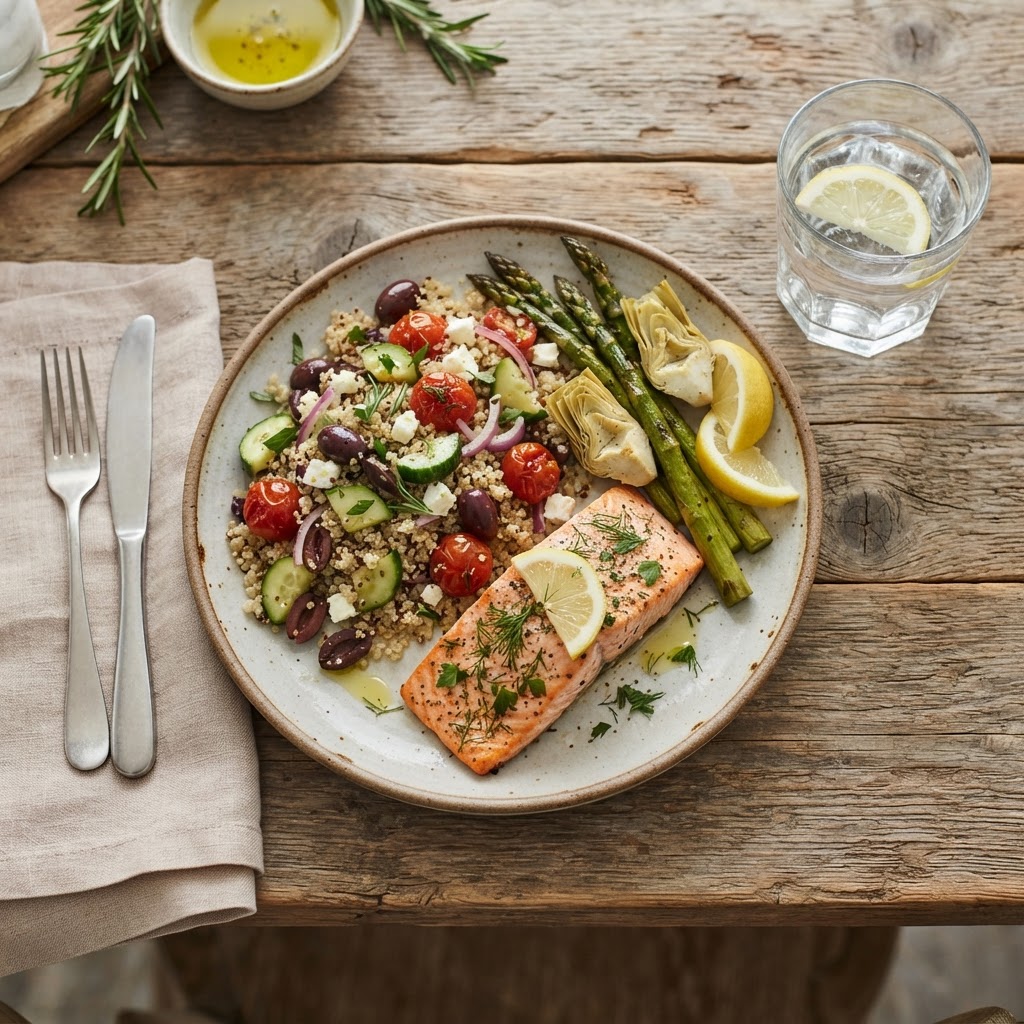
Your first meal should be easy to digest and moderate in fat. Think of a combination of fiber, protein, and a small amount of healthy fats—such as a quinoa salad with steamed vegetables, grilled chicken, and a tablespoon of olive oil. Avoid deep-fried foods, heavy creams, or large, fatty cuts of meat, as these can cause an immediate and uncomfortable gallbladder contraction.
Does drinking coffee during a fast affect the gallbladder?
Coffee is often considered a “bitter” that stimulates gallbladder contraction. While it can help bile flow, drinking strong black coffee on an empty stomach during a fast may cause discomfort if your gallbladder is already sensitive or inflamed. If you experience cramping, it is best to wait until your eating window to consume caffeine.
Are there supplements that help the gallbladder during fasting?
Certain supplements, such as ox bile or digestive enzymes containing lipase, are sometimes used to support fat digestion. However, because these are potent, you should never start taking them while fasting without consulting a healthcare provider. They can interact with your natural bile production or mask the symptoms of an underlying gallbladder issue.
Conclusion
Intermittent fasting offers profound benefits for metabolic health, insulin regulation, and weight management, but when it comes to gallbladder health, the “one size fits all” approach can be dangerous. Your gallbladder is an essential part of your digestive system that thrives on consistency and moderate stimulation. By choosing gentler fasting protocols, prioritizing bile-friendly nutrients, and paying close attention to your body’s signals, you can likely enjoy the benefits of time-restricted eating without compromising your digestive wellness.
If you are experiencing any gallbladder-related concerns, prioritize the longevity of your health over the speed of your results. Take the time to consult with your physician, monitor your body’s response, and don’t be afraid to adjust your window to a schedule that supports your unique needs. Your digestive system is a long-term investment; treat it with the care it deserves.
Ready to take control of your digestive health? Schedule an appointment with your primary care provider this week to discuss a nutrition plan tailored to your gallbladder’s specific needs. For more expert-curated wellness guides, subscribe to our newsletter and stay informed on how to support your body naturally.
By healthauthoritylife Editorial Team
This article is for informational purposes only and is not a substitute for professional medical advice. Always consult your doctor before making changes to your diet, exercise routine, or treatment plan.
Leave a Reply