- Gallbladder removal surgery, or cholecystectomy, is a common procedure usually performed laparoscopically, allowing for a faster return to daily activities.
- A structured post-gallbladder surgery diet focusing on low-fat, easily digestible foods is essential during the initial healing phase to prevent digestive distress.
- Understanding the recovery timeline helps patients manage expectations regarding fatigue, pain management, and the gradual reintroduction of fiber and fats.
- Common gallbladder removal side effects, such as bloating or diarrhea, are typically temporary and can be managed through strategic meal planning and hydration.
- Prioritizing rest and avoiding heavy lifting in the first few weeks is critical to ensuring successful gallbladder surgery healing.
Receiving a diagnosis that requires the surgical removal of your gallbladder can feel overwhelming, but it is important to remember that this is one of the most frequently performed elective surgeries worldwide. Often necessitated by the presence of painful gallstones or inflammation, a cholecystectomy is a highly effective way to resolve chronic abdominal discomfort and prevent further complications. While the prospect of surgery is naturally daunting, the recovery process is well-documented, and the vast majority of patients resume their normal routines with relative ease. By understanding what to expect during your gallbladder removal recovery, you can take an active, confident role in your health journey and ensure a smooth transition toward a symptom-free life.
Understanding the Gallbladder Removal Procedure
The gallbladder is a small, pear-shaped organ located beneath the liver that serves a specific, albeit non-essential, function: the storage and concentration of bile. Bile is a digestive fluid produced by the liver that helps the body break down dietary fats. When you consume a meal, the gallbladder contracts, releasing bile into the small intestine to aid in digestion. When gallstones form or the organ becomes chronically inflamed, this process is disrupted, often resulting in severe, intermittent abdominal pain commonly referred to as “gallbladder attacks.”
A cholecystectomy is the surgical removal of the gallbladder. Today, the most common approach is the laparoscopic cholecystectomy. During this minimally invasive procedure, a surgeon makes four small incisions in the abdomen. Through these ports, a tiny camera—a laparoscope—and specialized surgical tools are inserted. The surgeon inflates the abdomen with a harmless gas, such as carbon dioxide, to create space to view and manipulate the organs. Once the gallbladder is safely detached from the liver and bile ducts, it is removed through one of the small incisions.
In certain instances, a surgeon may need to convert to an open cholecystectomy. This involves a single, larger incision made under the right side of the rib cage. This approach is typically chosen if there is significant scar tissue, severe inflammation, or anatomical complexities that make the laparoscopic method unsafe. While an open surgery requires a slightly longer hospital stay and a more extended gallbladder surgery healing period, the functional outcome for the patient is identical. The body simply adapts to life without the storage organ; instead of being concentrated in the gallbladder, bile flows directly from the liver into the small intestine, acting as a continuous drip rather than a sudden release.
Patients often worry about how the body functions without a gallbladder. It is a common misconception that the body loses the ability to digest fat. In reality, the liver continues to produce bile at the same rate. The only difference is the absence of the “reservoir” function. For most people, this is a minor adjustment. Understanding this mechanism is the first step in successful post-gallbladder surgery recovery. By recognizing that your digestive tract needs time to recalibrate its bile flow, you can approach the dietary changes needed in the weeks following surgery with patience rather than frustration. Preparing for the procedure also involves discussing your medical history, current medications, and any specific concerns with your surgical team. Being well-informed transforms the surgery from a source of anxiety into a manageable health event.
Immediate Post-Surgery Recovery Timeline
The immediate gallbladder removal recovery timeline is designed to prioritize rest and the slow, steady restoration of bodily functions. If you undergo a laparoscopic procedure, you will typically be discharged from the hospital on the same day. Patients who undergo an open cholecystectomy may be required to stay in the hospital for a few days to monitor pain levels and ensure the incision is healing appropriately. Regardless of the surgical method, the first 48 to 72 hours are defined by the effects of anesthesia and the surgical intervention itself.
During the first few days, you should expect to feel significant fatigue. Anesthesia can linger in your system, leaving you groggy, and your body is undergoing a healing response that consumes energy. It is common to experience pain not only at the incision sites but also in your shoulders or back. This is known as referred pain and is caused by the carbon dioxide gas used to inflate the abdomen during surgery. As the body absorbs this residual gas, the discomfort often migrates, but it typically dissipates within a few days. Gentle movement, such as short, slow walks around your home, is highly recommended to help the body process this gas more efficiently.
By the end of the first week, most patients find that their energy levels begin to return. During this phase of cholecystectomy recovery, it is crucial to follow the guidance provided by your medical team regarding activity restrictions. While you may feel capable of light tasks, avoiding heavy lifting or strenuous exercise for at least two to four weeks is standard advice to prevent the development of a hernia at the incision site. This is a time for “active recovery”—prioritizing rest, hydration, and maintaining a gentle, consistent walking routine.
By the two-week mark, most individuals notice a significant improvement in their comfort levels. Surgical glue or stitches are often checked at a follow-up appointment, and you may find that you can return to desk work or light daily activities. However, it is essential not to rush. True gallbladder surgery healing happens at the cellular level, and even if your external incisions appear closed, your internal tissues are still mending. Listening to your body is the best gauge for progress. If a certain activity causes pulling or discomfort, pull back and give yourself more time. The following table provides a quick look at how different levels of recovery activities compare during your healing journey.
| Activity Type | When to Start | Best For |
|---|---|---|
| Gentle Walking | 24 hours post-op | Reducing gas pain and preventing blood clots |
| Light Household Chores | 1 week post-op | Gradually restoring stamina for daily life |
| Moderate Exercise (Yoga/Cycling) | 4-6 weeks post-op | Regaining cardiovascular fitness safely |
| Heavy Lifting/High-Intensity Training | 6-8 weeks post-op | Fully restoring pre-surgery physical capabilities |
Managing Common Side Effects After Cholecystectomy
While life after gallbladder removal is often vastly improved compared to the recurring pain of gallstones, there are common side effects that can arise as the digestive system adjusts to the lack of a gallbladder. The most frequently reported issue is a change in bowel habits, specifically diarrhea or increased stool frequency. This occurs because, without the gallbladder to store and regulate bile, the bile now drips continuously into the intestines. In some cases, this can act as a laxative, leading to loose stools, particularly after consuming a meal that is higher in fat than your body is currently prepared to handle.
Bloating and gas are also common gallbladder removal side effects, especially in the first few weeks. As the digestive system learns to work with this new, steady stream of bile, it may take time for the bacterial balance in your gut to stabilize. To manage these symptoms, focus on eating smaller, more frequent meals rather than large, heavy ones. This reduces the immediate demand for large quantities of bile, making it easier for your system to manage digestion without the gallbladder’s storage capacity.
Another helpful strategy for managing digestive side effects is the use of a food diary. By tracking what you eat and how your body reacts, you can identify specific triggers that lead to discomfort. For many, high-fat, fried, or spicy foods are common culprits in the first month or two. By identifying these early, you can temporarily avoid them while your body heals and gradually reintroduce them later. If diarrhea becomes frequent or persistent, it is important to stay well-hydrated. Drinking plenty of water helps move fiber through your system and maintains overall health during the recovery phase.
Some individuals may also experience indigestion or mild nausea in the early stages of recovery. These symptoms are often temporary and related to the body adjusting to the surgery or the medications prescribed for pain management. If you are taking opioid-based pain relievers, keep in mind that they are a common cause of constipation, which can complicate your digestive recovery. Discuss your pain management plan with your medical team to see if over-the-counter alternatives are appropriate for your level of discomfort, as these are generally less likely to cause significant bowel disruption.
Finally, remember that patience is a vital component of managing side effects. The majority of people find that their digestive system eventually adapts to the new “new normal.” Over time, the intestine often compensates for the lack of concentrated bile by becoming more efficient at absorbing fats and nutrients. If you experience symptoms that are severe, such as persistent vomiting, jaundice (yellowing of the skin or eyes), or high fever, contact your healthcare provider immediately. These are not standard side effects and may indicate a complication, such as a bile duct leak or an infection, which requires prompt medical attention. For the vast majority, however, these adjustments are a minor, passing phase of the transition.
What to Eat Following Gallbladder Surgery
The post-gallbladder surgery diet is not intended to be a lifelong restriction, but rather a temporary roadmap designed to support your body while it recovers from the procedure. During the first few days post-surgery, your digestive system is essentially “waking up” from the anesthesia. As a result, it is best to stick to bland, low-fat foods that are very easy to digest. Start with clear liquids, such as broth, gelatin, or diluted fruit juices. If you tolerate these well, you can gradually progress to simple, low-fat solid foods like bananas, white rice, applesauce, and dry toast.
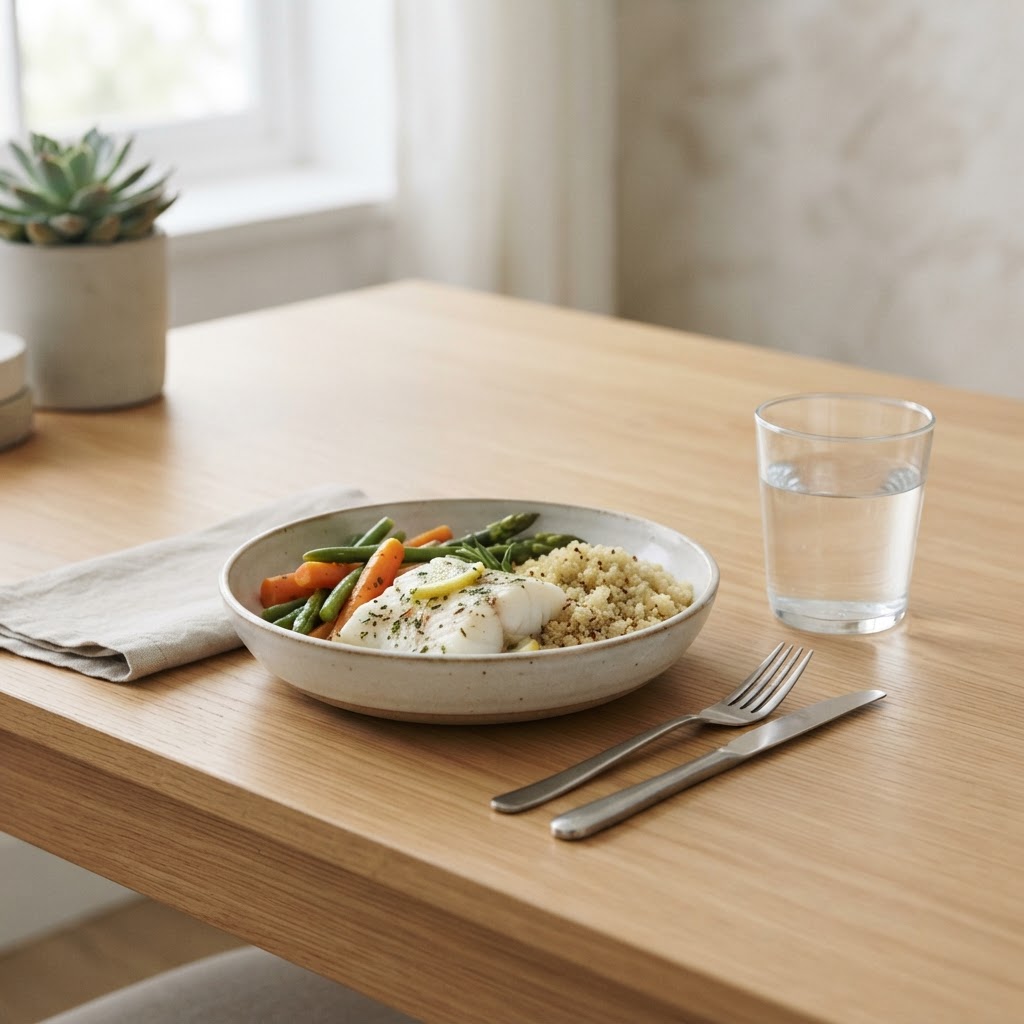
The main goal during the initial healing period is to keep your meals light and low in fat. Fat is the primary trigger for bile release; by keeping your fat intake low, you reduce the workload on your digestive tract. Focus on incorporating lean proteins and easily digestible carbohydrates. Examples of excellent options during the first two weeks include skinless chicken breast, white fish, non-fat yogurt, and well-cooked vegetables like carrots or zucchini. Avoid raw vegetables, which are high in insoluble fiber and can be difficult to break down when your digestive system is already working overtime.
As you move past the first few weeks, you can begin to slowly reintroduce more complex foods. The key to success is “gradual reintroduction.” Do not try to return to a high-fat diet immediately. Instead, add one new food at a time, such as a small amount of avocado or a serving of whole grains, and observe how your body reacts over the next 24 hours. If you experience cramping or diarrhea, it is a sign that your body is not quite ready for that particular food or that particular fat content. You can wait another week and try again. This method of systematic testing allows you to build a personalized diet that works for your body.
Hydration remains just as important as food choice. Drinking plenty of water throughout the day helps the digestive process stay consistent and prevents the dehydration that can sometimes accompany post-surgical diarrhea. Avoid sugary sodas and heavily caffeinated beverages, as these can irritate the stomach lining and exacerbate digestive discomfort. Herbal teas, such as peppermint or ginger tea, are wonderful additions; they are naturally calming to the stomach and can help alleviate feelings of bloating or nausea that often occur after eating.
Remember that the goal of the post-gallbladder surgery diet is to eventually return to a balanced, healthy eating pattern. You do not need to avoid fat forever; in fact, healthy fats are essential for the absorption of fat-soluble vitamins like A, D, E, and K. Once you are fully healed—typically after several weeks—you should aim to incorporate moderate amounts of heart-healthy fats, such as olive oil, nuts, and seeds, back into your diet. By taking the time to ease your digestive system back into normalcy, you set the foundation for long-term health and wellness, ensuring that your body can efficiently process a variety of nutrients without the need for a gallbladder.
Foods to Avoid During the Healing Process
While individual tolerance varies significantly after surgery, there are certain food categories that experts generally agree should be avoided during the initial gallbladder surgery healing period. The most prominent category is high-fat and fried foods. Items such as fast-food burgers, french fries, onion rings, and breaded, deep-fried proteins force the liver to release a large, immediate quantity of bile, which can cause significant distress in a system that is still learning to regulate that flow. Even healthy, high-fat items like heavy cream, full-fat cheeses, and buttery sauces can be problematic in the first few weeks.
In addition to high-fat foods, processed foods containing high amounts of saturated and trans fats are particularly difficult to digest. These items often come with hidden additives, excessive sodium, and artificial ingredients that can lead to gas, bloating, and irritation. When you are healing, your digestive tract is sensitive. Reading labels and focusing on whole, unprocessed foods—even if they are simple—is a much safer bet. Think of your stomach during this time as having a reduced capacity for complex digestion; keeping things simple will prevent unnecessary discomfort.
Spicy foods should also be avoided or severely limited during the first month. Spices like chili powder, cayenne, curry, and hot sauces can irritate the lining of the stomach and the intestines. Because your digestive transit time may be altered after surgery, these irritants can lead to an increased sensation of burning or discomfort during bowel movements. It is best to stick to mild herbs and seasonings—such as parsley, basil, or a pinch of sea salt—until you are certain your system has returned to its normal rhythm.
Caffeine and high-sugar items are another group to watch. High amounts of caffeine can stimulate the digestive system, potentially triggering diarrhea or worsening existing bowel changes. Similarly, large amounts of sugar—especially processed sugars found in candies, pastries, and soda—can cause osmotic shifts in the intestines, which might lead to cramping or watery stools. These foods offer little nutritional value and can hinder your energy recovery, so replacing them with water, herbal teas, or naturally sweet fruit is a wise move for your recovery timeline.
Finally, be cautious with high-fiber foods in the immediate aftermath of surgery. While we are often told that fiber is healthy, large amounts of insoluble fiber—found in raw cruciferous vegetables like broccoli, cauliflower, Brussels sprouts, and cabbage—are very difficult to break down. They can lead to significant gas and bloating, which can be quite painful near surgical incisions. As you progress through your recovery, you can reintroduce these foods by steaming or roasting them, which softens the fiber and makes them much easier to digest. The goal is to provide your body with the nutrients it needs to repair tissue without placing excessive stress on your digestive mechanics.
How Your Digestion Changes Without a Gallbladder
To understand the digestion changes during gallbladder removal recovery, one must first understand the organ’s original function. The gallbladder acts as a reservoir, storing concentrated bile produced by the liver. When you consume fat, the gallbladder contracts, releasing a concentrated “burst” of bile into the small intestine to emulsify dietary fats, making them easier to digest and absorb.
Once you undergo a cholecystectomy, this reservoir is removed. Your body must adapt to a “constant drip” system. The liver continues to produce bile, but instead of being stored and released in concentrated doses, it trickles directly into the small intestine at a steady, continuous rate, regardless of whether you have just consumed a meal or have been fasting for hours.
Because the bile is no longer concentrated and is not synchronized with your food intake, you may find that the digestive system is overwhelmed if you consume a high-fat meal. When there isn’t enough bile present at the precise moment fat enters the duodenum, that fat passes through the digestive tract incompletely broken down. This can lead to malabsorption, gas, bloating, and in many cases, a sudden, urgent need to use the bathroom. Over time, most individuals find that their digestive tract compensates by slightly dilating the common bile duct, which helps store a small amount of bile, effectively acting as a “mini-reservoir.” However, this process takes time, which is why your dietary needs are most restricted during the initial weeks of cholecystectomy recovery.
Tips for Managing Post-Cholecystectomy Diarrhea
Post-surgical diarrhea, often referred to as bile acid malabsorption, is one of the most frequently reported gallbladder removal side effects. It occurs when excess bile acids reach the colon, acting as a laxative and drawing excess water into the bowel. Managing this is a primary focus for those navigating life after gallbladder removal.
To regain digestive stability, consider these strategies:
- Eat Smaller, Frequent Meals: Instead of three large meals, aim for five or six smaller snacks. Smaller portions mean less fat entering the intestine at one time, which is easier for your “trickle” of bile to manage.
- Increase Soluble Fiber Gradually: Soluble fiber—found in oats, barley, carrots, and psyllium husk—acts as a bulking agent. It absorbs excess water and helps regulate transit time. However, increase your intake slowly to avoid worsening gas and bloating.
- Limit “Trigger” Foods: Caffeine, dairy products, sugary foods, and greasy or fried items are notorious for exacerbating digestive distress. Keeping a food journal can help you identify specific personal triggers that may cause you discomfort.
- Stay Hydrated: Diarrhea can lead to dehydration quickly. Sip water consistently throughout the day rather than chugging large amounts with meals, which can sometimes dilute digestive enzymes further.
- Discuss Supplements with Your Doctor: Some individuals find success with bile acid binders or OTC digestive aids, but these should only be used under the guidance of a healthcare professional who understands your surgical history.
The following table compares common dietary approaches used during recovery to help manage these symptoms.
| Dietary Strategy | Mechanism of Action | Best For |
|---|---|---|
| Low-Fat/Bland Diet | Reduces the load on the digestive system; minimizes bile demand. | Immediate post-surgery weeks (1–4). |
| Soluble Fiber Enrichment | Absorbs excess bile acids and binds stool. | Managing chronic post-surgical diarrhea. |
| Frequent Small Meals | Prevents “bile dumping” by regulating volume. | Individuals with sensitive digestion/bloating. |
| Probiotic Integration | Supports gut microbiome balance. | Long-term digestive comfort and regularity. |
Physical Activity and Returning to Normal Routine
Gallbladder surgery healing is as much about physical rest as it is about digestive adjustment. In the immediate 24 to 48 hours, anesthesia may leave you feeling groggy, and it is essential to prioritize rest. However, movement is equally important. Walking is highly encouraged starting on the first day after surgery; it helps prevent blood clots, improves circulation, and encourages the movement of trapped gas in the abdomen, which is a common source of discomfort after laparoscopic procedures.
As you progress through your recovery timeline, avoid heavy lifting—typically anything over 10 pounds—for at least two to four weeks, or until your surgeon explicitly clears you. Lifting too soon can increase intra-abdominal pressure and put stress on your incisions, potentially leading to hernia complications.
Return to exercise should be incremental:
- Week 1-2: Focus exclusively on short, gentle walks on flat surfaces. Avoid any core engagement or strenuous activity.
- Week 3-4: If you are pain-free, you may gradually increase the duration of your walks. Light yoga (avoiding deep twists or heavy abdominal pressure) or slow-paced cycling may be introduced if your doctor agrees.
- Week 6 and beyond: For most, normal routines can resume. If you are a high-intensity athlete, discuss a structured plan with your provider to ensure your abdominal muscles have fully healed before returning to heavy weightlifting or contact sports.
When to Call Your Doctor After Surgery
While minor discomfort is expected, you must stay vigilant for signs of complications. You should contact your medical team immediately if you experience:
- Signs of Infection: Redness, significant swelling, pus, or foul-smelling drainage from any of the incision sites.
- Persistent Fever: A temperature over 101°F (38.3°C) that does not come down with over-the-counter medication.
- Severe Abdominal Pain: Pain that is worsening rather than improving, or pain that feels different from the post-surgical soreness.
- Jaundice: If your skin or the whites of your eyes begin to take on a yellow tint, this could indicate a blockage in the bile duct, a rare but serious complication.
- Uncontrolled Vomiting or Nausea: If you cannot keep fluids down, you are at risk for dehydration.
- Persistent Diarrhea: Diarrhea that continues beyond the expected window or is accompanied by blood, severe cramping, or weight loss.
Long-Term Lifestyle Adjustments for Optimal Health
Life after gallbladder removal does not mean you are destined for chronic digestive issues. On the contrary, many people find that once they heal, they experience more energy and less pain than they did when suffering from gallstones. Long-term health requires a consistent approach to nutrition.
Transitioning toward a “heart-healthy” diet is usually the best long-term strategy. Focus on whole, unprocessed foods. While you can eventually reintroduce fats, prioritize healthy fats—such as those found in avocados, nuts, seeds, and olive oil—over saturated fats from processed snacks or fatty cuts of red meat. These healthier options are generally easier on the digestive system and contribute to better overall cardiovascular health.
Consider the role of hydration and stress management as well. Chronic stress can alter your gut motility, which is already sensitive in the absence of a gallbladder. Practices like mindful eating—chewing food slowly and eating in a calm environment—help the body signal the release of digestive juices, making it easier to process your meals without the gallbladder’s storage capacity.
Frequently Asked Questions
Can I ever eat high-fat foods again after gallbladder removal?
Yes, most people can eventually reintroduce a variety of foods into their diet. However, you should do so gradually. Start by adding small amounts of healthy fats to see how your system responds. Many individuals find that while they can eat fat, their tolerance for extremely greasy or deep-fried foods remains permanently lower.
Why do I still feel pain in my abdomen after my surgery has healed?
Some people experience “post-cholecystectomy syndrome,” which can cause symptoms similar to those you had before surgery, such as abdominal pain, gas, or diarrhea. This can be caused by various factors, such as leftover stones in the bile duct or changes in how bile flows. If you have persistent pain, it is important to consult your surgeon for further evaluation.
How long does the diarrhea last after gallbladder removal?
For most people, digestive issues like diarrhea are temporary and resolve within a few weeks to a few months as the body adjusts to the constant flow of bile. If diarrhea persists beyond this timeframe, there are medical treatments and dietary changes that can help you manage it effectively.
Do I need to take special supplements or digestive enzymes?
There is no universal medical requirement for supplements after this surgery. Some patients find that ox bile supplements or digestive enzymes containing lipase help them digest fats more comfortably, but these should only be used after consulting your physician. A balanced, fiber-rich diet is usually the first line of support.
Will I gain weight after having my gallbladder removed?
There is no direct physiological link that causes weight gain specifically due to the removal of the gallbladder. However, if you change your eating habits due to digestive discomfort—such as snacking on refined carbohydrates to “settle the stomach”—you may notice weight changes. Maintaining a balanced diet and regular physical activity remains the best way to manage weight post-surgery.
Is it possible to develop gallstones again if I don’t have a gallbladder?
You cannot develop stones in your gallbladder since it is gone, but it is technically possible to develop stones in the bile ducts (choledocholithiasis). While rare, these can form if the flow of bile is obstructed or sluggish. Maintaining a healthy, balanced diet helps support normal bile flow and reduces the risk of long-term digestive complications.
Conclusion
Undergoing gallbladder removal is a major step toward reclaiming your health and ending the cycle of pain associated with gallstone disease. While the recovery timeline involves an adjustment period for your digestive system, most individuals successfully transition back to a vibrant, normal life by following a patient, incremental approach to diet and exercise. By listening to your body’s signals, prioritizing soluble fiber, and maintaining consistent communication with your medical team, you can navigate the post-cholecystectomy phase with confidence.
Remember that your body is resilient, and it will learn to process nutrients efficiently even without the gallbladder’s storage function. Stay consistent with your recovery plan, be kind to your gut as it adapts, and do not hesitate to reach out to a healthcare professional if you have concerns about your specific healing process. Your long-term well-being is worth the investment of patience during these first few months of recovery.
If you found this guide helpful, consider sharing it with others who may be preparing for or recovering from gallbladder surgery. For more tips on digestive wellness and post-surgical recovery, explore our other articles here at healthauthoritylife.
By healthauthoritylife Editorial Team
This article is for informational purposes only and is not a substitute for professional medical advice. Always consult your doctor before making changes to your diet, exercise routine, or treatment plan.
Leave a Reply