
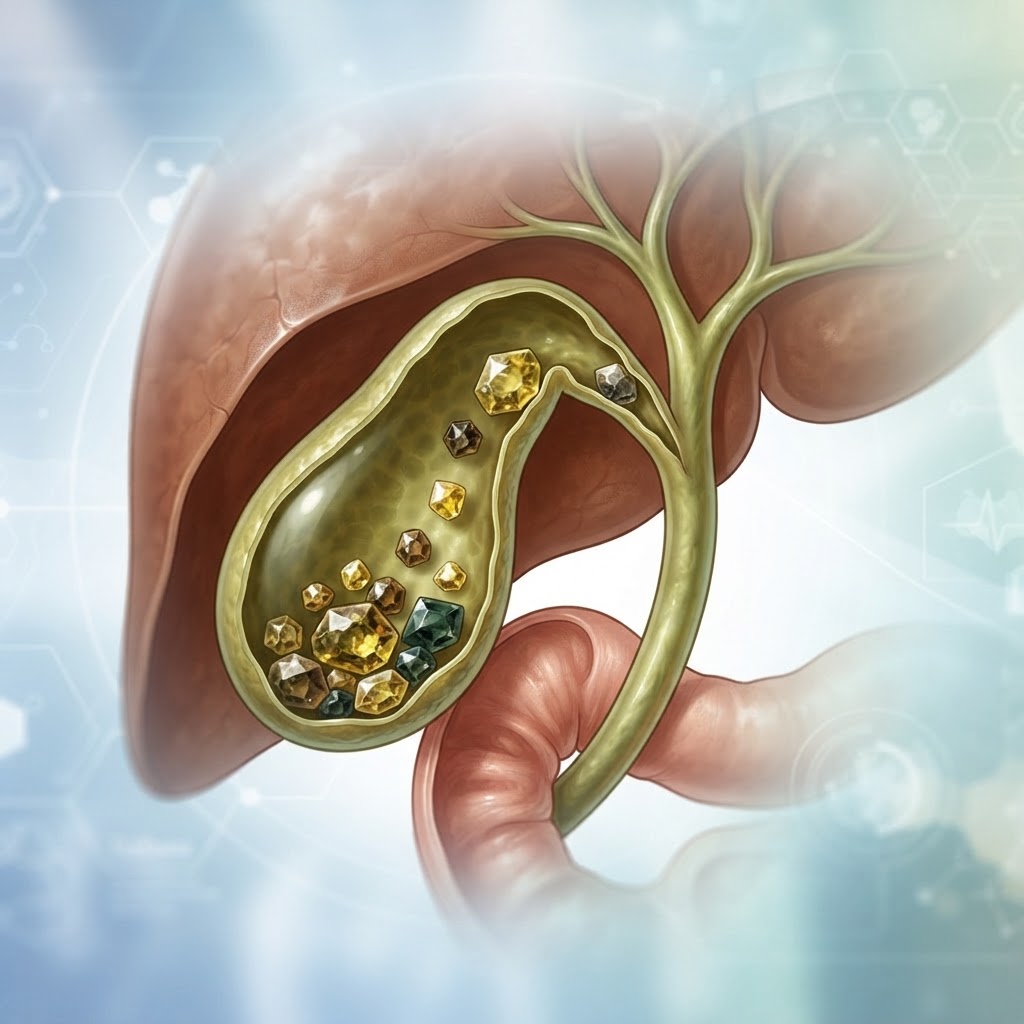
- Gallstones are hardened deposits of digestive fluid that form within the gallbladder, often causing severe abdominal discomfort.
- The most frequent gallstone symptoms include intense, sudden pain in the upper right abdomen or back.
- A combination of genetics, diet, and metabolic health influences the primary causes of gallstones.
- Effective gallbladder health management often requires a mix of medical intervention and long-term dietary adjustments.
- Recognizing the warning signs of a gallbladder attack is critical for seeking timely medical attention and preventing complications.
The gallbladder is a small, pear-shaped organ often overlooked until it begins to cause significant physical distress. Tucked discreetly beneath the liver, this organ serves as a storage reservoir for bile—a digestive fluid produced by the liver that helps your body break down fats. When the delicate chemical balance within this fluid is disrupted, however, it can solidify into pebble-like structures known as gallstones. For millions of individuals, these stones remain silent and undetected for years. For others, they trigger intense, debilitating episodes that demand immediate attention. Understanding the nuances of gallstone symptoms, identifying the root causes of gallstones, and implementing sustainable strategies for gallbladder health are essential steps for anyone looking to navigate this common digestive condition with confidence and clarity.
What Are Gallstones and How Do They Form?
To grasp the mechanism of gallstone formation, one must first understand the function of bile. Bile is a complex mixture consisting of cholesterol, bilirubin, and bile salts. These substances must remain in a precise ratio to maintain a liquid state. When this balance is compromised—either due to an excess of one component or a lack of another—the bile becomes supersaturated. Over time, these microscopic crystals begin to clump together, eventually forming solid masses that vary in size from the tiny grains of sand to stones as large as a golf ball. These deposits represent the physical manifestation of gallstones.
There are two primary varieties of these stones that health experts typically identify. Cholesterol stones, which are the most common, appear yellow-green in color and form when the bile contains more cholesterol than it can dissolve. Because the liver produces cholesterol, and the gallbladder stores bile, the process is inherently linked to metabolic function. The second, less common type, are known as pigment stones. These are typically smaller, darker in color, and composed primarily of bilirubin—a pigment produced during the normal breakdown of red blood cells. Conditions that lead to an excess of bilirubin in the bile, such as certain blood disorders or liver cirrhosis, often create an environment conducive to the formation of these pigment stones.
The formation process is not instantaneous. It is often a slow, cumulative development that occurs as the gallbladder fails to empty its contents completely. When the gallbladder becomes sluggish, or when bile is allowed to stagnate, the concentration of solutes increases, making crystallization significantly more likely. This stagnation can be influenced by hormones, dietary habits, or underlying physiological conditions that affect how the gallbladder contracts. Once a stone has formed, it may remain stationary within the organ, causing no noticeable issues. However, if a stone migrates into the cystic duct—the narrow tube that carries bile out of the gallbladder—it can cause a blockage. This obstruction prevents the gallbladder from emptying, leading to the rapid buildup of pressure and the onset of acute discomfort, commonly referred to as a gallbladder attack. For many, this is the first point at which they realize they have a condition, highlighting the importance of understanding why these stones form and how they can eventually manifest as persistent gallstone symptoms.
Common Symptoms of Gallstones and Gallbladder Attacks
The clinical presentation of gallstone issues is often paradoxical: many individuals possess gallstones without experiencing any sensation at all, while others suffer from recurring, severe distress. When symptoms do emerge, they are frequently characterized by biliary colic—a term used to describe the steady, intense pain that occurs when a gallstone obstructs the bile duct. This pain is typically localized in the upper right quadrant of the abdomen, just below the rib cage. However, the nature of this pain is often erratic. It may radiate toward the right shoulder or extend through to the back, between the shoulder blades, creating a sensation that many people initially mistake for back pain or indigestion.
A gallbladder attack often follows a specific pattern. It frequently occurs after a meal, particularly one high in fat content, as the gallbladder is stimulated to contract and release bile into the small intestine. If a stone is obstructing the outlet, the gallbladder muscles must work harder against the blockage, triggering a rhythmic, cramping, or persistent ache. Unlike simple indigestion, this pain does not typically improve with antacids or by passing gas. In many instances, the pain reaches a crescendo and then slowly subsides as the stone shifts or the gallbladder relaxes, though the underlying blockage may remain a recurring threat.
Beyond the primary sensation of pain, other symptoms of gallstones can serve as warning signs. Nausea and vomiting are common physiological responses to the stress of an obstruction. Furthermore, if the blockage persists or affects the common bile duct, it can lead to more systemic issues. Jaundice, characterized by the yellowing of the skin and the whites of the eyes, occurs when bilirubin cannot effectively exit the body and begins to circulate in the bloodstream. Another indicator is the appearance of dark-colored urine or pale, clay-colored stools, both of which suggest that bile flow into the digestive tract has been severely compromised. While mild symptoms might be manageable, the onset of a high fever or chills alongside abdominal pain is a significant warning sign that the condition may have progressed to a serious infection. Recognizing these signs early allows for proactive management, preventing the escalation of a simple stone into a medical emergency.
| Symptom Category | Description | Best For |
|---|---|---|
| Biliary Colic | Sudden, steady, intense upper-right abdominal pain | Identifying acute blockages |
| Post-Prandial Discomfort | Pain triggered specifically by high-fat meals | Pinpointing dietary triggers |
| Systemic Signs | Jaundice, fever, or pale, clay-colored stools | Detecting serious complications |
| Referred Pain | Pain felt in the shoulder or back area | Differentiating from typical acid reflux |
Primary Causes and Risk Factors for Gallstone Development
The causes of gallstones are multifaceted, weaving together a complex tapestry of genetic predispositions, hormonal influences, and lifestyle choices. While no single factor guarantees the development of stones, certain demographics and biological conditions show a significantly higher susceptibility. Gender is a primary variable; statistical observations consistently show that women are more likely to develop gallstones than men. This is largely attributed to the influence of estrogen, which can increase the concentration of cholesterol in bile and concurrently slow down gallbladder motility. Conditions that elevate estrogen levels, such as pregnancy, hormone replacement therapy, or the use of oral contraceptives, are therefore recognized as risk factors that can accelerate stone formation.
Weight management plays a critical role in gallbladder health as well. Being overweight or living with obesity is strongly associated with an increased risk of developing cholesterol gallstones. This is primarily because higher body mass often correlates with higher cholesterol production. Conversely, rapid weight loss—especially through extreme calorie restriction or restrictive fad diets—can also be problematic. When the body loses weight too quickly, it prompts the liver to release extra cholesterol into the bile, and the gallbladder may not empty properly during the process, creating a perfect environment for stones to coalesce. Finding a balanced, sustainable approach to weight maintenance is one of the most effective ways to mitigate this risk.
Dietary patterns further exacerbate the development of these deposits. Diets high in refined carbohydrates and sugar, and low in fiber, have been associated with increased gallstone risk. Fiber is essential for keeping the digestive system moving and binding with bile acids, which helps maintain the fluid balance necessary to keep cholesterol dissolved. Furthermore, metabolic syndromes such as insulin resistance or diabetes can impact the way the body processes fats and secretes bile. As we age, our risk profile naturally shifts, with older adults typically showing higher incidences of gallstone development. Understanding these root causes allows individuals to take a more critical look at their own health habits. By addressing modifiable factors—such as dietary fiber intake and gradual weight management—one can effectively lower their risk, shifting the body from a state of stone formation back toward healthy biliary function.
How Doctors Diagnose Gallstone Issues
When an individual presents with suspected gallstone symptoms, healthcare providers typically rely on a systematic approach to confirm the presence of stones and assess the extent of any complications. The diagnostic process usually begins with a thorough medical history and physical examination. During the exam, a provider may check for “Murphy’s sign,” a clinical maneuver where they press on the area beneath the right rib cage while the patient takes a deep breath. If the gallbladder is inflamed, the patient will typically experience a sharp halt in breathing due to the sudden onset of pain. While useful, this physical finding is merely the starting point for a more comprehensive investigation.
Imaging technology is the gold standard for diagnosing gallstones. An abdominal ultrasound is the most common first-line test because it is non-invasive, highly accessible, and exceptionally accurate at identifying stones within the gallbladder. The high-frequency sound waves provide a real-time visual representation of the organ, allowing professionals to see the number, size, and location of the stones, as well as any signs of wall thickening that might indicate chronic inflammation. If the ultrasound is inconclusive or if the provider needs to look deeper into the biliary tree—the system of ducts that carry bile—other imaging options might be utilized. A HIDA scan (cholescintigraphy) is a specialized test that tracks the flow of bile from the liver into the gallbladder and small intestine, proving particularly useful for assessing how well the gallbladder is actually functioning.
Blood tests are equally essential in the diagnostic toolkit. While blood work cannot detect the presence of the stones themselves, it can provide critical information regarding the impact of those stones on overall health. Elevated white blood cell counts can signify an active infection, while markers such as bilirubin, alkaline phosphatase, and liver enzymes help identify if a stone has migrated into the common bile duct, causing a blockage or inflammation of the liver or pancreas. By combining these diagnostic layers—the physical assessment, the clear imagery from an ultrasound, and the biochemical profile from blood tests—doctors can create a comprehensive picture of the situation. This multi-pronged approach ensures that if a patient is experiencing a gallbladder attack, the root cause is correctly identified, and an appropriate path forward can be established, whether that involves conservative observation or more definitive clinical intervention.
Lifestyle Changes to Reduce Gallstone Risk
Maintaining gallbladder health is a long-term commitment that centers on stabilizing bile composition and supporting efficient digestive function. Because the gallbladder’s primary job is to release bile in response to the fat content in food, the dietary strategy should focus on moderation rather than total fat avoidance. Consuming modest amounts of healthy, unsaturated fats—such as those found in avocados, olive oil, and nuts—is actually necessary to encourage regular gallbladder contractions. If the gallbladder never contracts, the bile stays stagnant, which is a leading precursor to stone formation. The goal is to provide a consistent, moderate stimulus for the organ to empty its contents regularly throughout the day.
A fiber-rich diet is perhaps the most significant nutritional intervention for gallbladder health. Soluble fiber, found in foods like oats, legumes, fruits, and vegetables, binds with bile acids in the digestive tract and helps clear them from the body, which reduces the amount of cholesterol available to solidify in the bile. Furthermore, fiber helps stabilize blood sugar and insulin levels, reducing the metabolic triggers that are known to contribute to gallstone development. By swapping out refined grains for whole grains and prioritizing plant-based proteins, individuals can create a digestive environment that is less prone to stagnation and crystallization.
Hydration also plays a silent but vital role in keeping bile thin and free-flowing. Since bile is largely composed of water, chronic dehydration can lead to a more concentrated, viscous fluid that is far more likely to form microscopic crystals. Experts generally recommend maintaining adequate water intake throughout the day to support overall digestive fluidity. Beyond diet and hydration, regular physical activity is a cornerstone of metabolic health that directly influences how the body processes cholesterol. Exercise has been shown to improve gallbladder contractility and support healthy lipid profiles, both of which decrease the likelihood of stone recurrence. For those concerned about their gallbladder, these lifestyle adjustments are not just preventative measures; they are foundational habits that promote overall wellness and prevent the painful, disruptive episodes associated with gallbladder health issues. Through consistent, gentle shifts in daily behavior, it is possible to cultivate a healthy, functional system that serves the body’s needs effectively for years to come.
Dietary Strategies to Manage Gallbladder Pain
When dealing with the discomfort of gallstones, your diet becomes one of the most powerful tools in your arsenal for symptom management. Because the gallbladder’s primary job is to store and concentrate bile—a fluid used to break down fats—consuming high-fat meals often acts as a trigger for a gallbladder attack. To minimize biliary colic, the goal is to reduce the workload of the gallbladder by choosing foods that are easy to digest and low in inflammatory components.
The first step in a gallbladder-friendly diet is to adopt a low-fat approach. This does not mean eliminating fats entirely, as healthy fats are essential for nutrient absorption, but rather choosing them strategically. Focus on lean proteins such as skinless poultry, white fish, legumes, and tofu, rather than red meats, sausages, or processed deli meats. Dairy products should ideally be fat-free or low-fat to prevent the gallbladder from contracting forcefully in response to excess lipids.
Fiber is another cornerstone of gallbladder health. A diet rich in soluble fiber—found in oats, lentils, beans, apples, and carrots—can help keep the digestive system moving efficiently. Some evidence suggests that a high-fiber diet may help bind to bile acids, potentially reducing the concentration of cholesterol within the bile, which is a common precursor to stone formation. However, if you are currently in the midst of an active flare-up, start by incorporating fiber slowly to avoid excessive gas or bloating, which can exacerbate abdominal pressure.
Hydration is frequently overlooked, yet it is essential for maintaining the fluidity of bile. When you are dehydrated, bile can become sluggish and concentrated, making the environment more hospitable for crystal and stone formation. Aim to drink adequate amounts of water throughout the day. Herbal teas, particularly those that are caffeine-free, can also contribute to your daily intake without irritating the digestive tract.
Additionally, small, frequent meals are often better tolerated than three large meals. Large portions require the gallbladder to release a significant surge of bile all at once, which can trigger painful spasms if stones are present. By eating five or six smaller meals, you provide a steadier, more manageable demand on your digestive system.
When to Seek Emergency Medical Attention
While many individuals can manage mild symptoms of gallstones with dietary adjustments, there are specific warning signs that indicate a gallbladder issue has escalated into a medical emergency. Ignoring these symptoms can lead to severe complications, such as infection of the gallbladder (cholecystitis), blockage of the common bile duct, or inflammation of the pancreas (pancreatitis).
You should seek immediate emergency medical care if you experience any of the following:
- Persistent, severe abdominal pain: Pain that lasts for several hours and does not subside with rest or over-the-counter measures is a red flag.
- High fever and chills: These are classic indicators that an infection may be present within the gallbladder or the surrounding biliary tree.
- Persistent vomiting: If you are unable to keep fluids down, you are at risk for rapid dehydration and electrolyte imbalance.
- Jaundice: If the whites of your eyes or your skin take on a yellow tint, it suggests that a stone has likely moved out of the gallbladder and is blocking the common bile duct, preventing bile from reaching the intestines.
- Dark urine and pale stools: These changes in elimination are often associated with biliary obstruction.
- Confusion or dizziness: In elderly individuals, these symptoms can be a sign of sepsis, which is a life-threatening response to an untreated infection.
Do not wait for an appointment if the pain is so intense that you cannot find a comfortable position or if you feel faint. When in doubt, it is always safer to be evaluated in an emergency department, where diagnostic imaging such as an ultrasound can quickly determine if an obstruction is occurring.
Natural Approaches to Support Gallbladder Health
While natural treatments cannot dissolve gallstones that have already formed, many people turn to integrative approaches to support overall liver and gallbladder function. These strategies are best viewed as preventive measures to improve digestive health rather than as cures for existing stones.
Peppermint oil is frequently used in traditional wellness circles for its antispasmodic properties. It may help relax the muscles of the gallbladder and bile ducts, potentially easing the cramping sensations associated with biliary colic. Similarly, some favor the use of turmeric (curcumin) due to its well-documented anti-inflammatory benefits. Curcumin may stimulate bile production, which aids in the digestion of fats and helps keep bile flowing, though it should be used with caution if you have known duct obstructions.
Magnesium is another mineral often discussed in the context of gallbladder health. Magnesium deficiency can contribute to muscle spasms, and by supporting proper muscle relaxation, it may help keep the bile ducts clear. Incorporating magnesium-rich foods like pumpkin seeds, spinach, almonds, and black beans is a gentle way to support the body’s natural processes.
Beetroot juice is often cited in holistic health literature as a “liver tonic.” While it is not a direct treatment for stones, the betaine found in beets supports the liver and improves the consistency of bile, making it easier for the gallbladder to empty properly. As with any natural supplement or dietary change, it is vital to discuss these with your primary care provider to ensure they do not interact with other conditions or medications.
| Strategy | Mechanism of Action | Best For |
|---|---|---|
| Low-Fat Diet | Reduces gallbladder contraction demand | Immediate pain prevention |
| Increased Fiber | Helps bind bile acids and regulate digestion | Long-term bile health |
| Magnesium Intake | Supports smooth muscle relaxation | Reducing cramping/spasms |
| Hydration | Maintains bile viscosity/fluidity | General prevention of sludge |
Surgical vs. Non-Surgical Treatment Options
When lifestyle management is insufficient or when symptoms become recurrent and debilitating, medical professionals often look toward more definitive treatment options. The decision-making process typically involves weighing the risks of surgery against the risks of living with symptomatic gallstones.
Surgical Intervention: The most common treatment for symptomatic gallstones is a cholecystectomy, or the surgical removal of the gallbladder. Because the gallbladder is not a vital organ—meaning you can survive and digest food perfectly well without it—this is widely considered the gold standard for recurring gallbladder attacks. Most surgeons perform this laparoscopically, using a few small incisions and a camera, which leads to a faster recovery time and less postoperative pain compared to traditional open surgery.
Non-Surgical Treatments: Non-surgical options are generally reserved for patients who are not candidates for surgery due to other underlying health complications. Oral dissolution therapy involves taking medication (typically ursodeoxycholic acid) that can slowly dissolve cholesterol-based stones over months or years. However, this method is often ineffective for large stones or calcified stones, and it carries a high risk of stone recurrence once the medication is stopped.
Shockwave lithotripsy is another non-surgical technique that uses sound waves to break stones into smaller fragments. While this has been used in the past, it is much less common today because it often fails to address the underlying cause of stone formation, meaning new stones frequently form shortly after the procedure.
Managing Gallbladder Health After Treatment
If you have undergone a cholecystectomy, you enter a new phase of managing your digestive health. Without a gallbladder to store and concentrate bile, the bile flows continuously from the liver into the small intestine. For many, this adjustment is seamless, but for others, it can cause transient digestive issues, particularly after consuming high-fat meals.
In the weeks following surgery, start with a bland diet. Gradually reintroduce fats to see how your digestive system responds. If you notice symptoms like diarrhea or bloating after eating fat, it is often helpful to keep a food diary to identify specific triggers. Some individuals find that taking digestive enzymes or bile salts as recommended by their medical team can assist the body in breaking down fats more effectively during this transitional period.
Long-term health after gallbladder removal remains focused on the same principles as before: a diet rich in fruits, vegetables, and whole grains. Staying active is also crucial, as regular movement helps maintain overall metabolic health and keeps the digestive system regular, ensuring that bile flow continues to work efficiently despite the missing storage organ.
Frequently Asked Questions
Can gallstones disappear on their own?
Gallstones typically do not disappear on their own. Once a stone has formed, it usually remains unless it is passed through the bile duct—which can be extremely painful and dangerous—or is surgically removed. While some very small “sludge” can sometimes be flushed through the system, actual stones rarely dissolve spontaneously.
Is coffee good or bad for your gallbladder?
Research suggests that regular, moderate coffee consumption may be associated with a lower risk of developing symptomatic gallstones. It is believed that caffeine may stimulate gallbladder contraction and improve bile flow. However, if you are currently experiencing an acute gallbladder attack, the acidity of coffee might irritate your stomach, so it is best to listen to your body.
How long does a gallbladder attack last?
A gallbladder attack (biliary colic) typically lasts between one and five hours. If the pain lasts longer than six hours, or if it is accompanied by fever, vomiting, or jaundice, it may indicate a complication, such as cholecystitis, and requires medical attention.
Are certain people more prone to developing gallstones?
Yes, risk factors for gallstones include being female, being over the age of 40, having a family history of gallstones, obesity, rapid weight loss, and certain medical conditions like diabetes or Crohn’s disease. Hormonal factors, such as those related to pregnancy or estrogen therapy, also play a significant role.
Do I have to stop eating fat forever after my gallbladder is removed?
No, you do not need to stop eating fat forever. After your body adjusts to the absence of the gallbladder—a process that can take a few weeks to a few months—you can usually return to a normal, healthy diet. However, it is always recommended to prioritize healthy, unsaturated fats over saturated and trans fats for overall heart and digestive health.
What does gallbladder pain feel like?
Gallbladder pain is often felt as a dull, steady ache or a sharp, cramping pain in the upper right side of the abdomen, just below the ribs. This pain often radiates to the center of the abdomen or through to the right shoulder blade or back. It is frequently triggered by eating a heavy or fatty meal.
Conclusion
Gallstone symptoms can range from mild, intermittent discomfort to severe, life-altering pain that demands immediate medical intervention. Understanding the triggers—namely high-fat meals—and recognizing the warning signs of complications are the first steps toward regaining control over your health. Whether you are managing symptoms through careful dietary choices or exploring surgical options, prioritizing your digestive health will lead to a better quality of life.
Do not dismiss persistent abdominal pain as simple indigestion. If you suspect your gallbladder is the cause of your discomfort, schedule an appointment with your healthcare provider to discuss your symptoms and pursue an accurate diagnosis through imaging. Taking proactive steps today can prevent the escalation of symptoms and help you avoid the complications associated with untreated biliary disease.
By healthauthoritylife Editorial Team
This article is for informational purposes only and is not a substitute for professional medical advice. Always consult your doctor before making changes to your diet, exercise routine, or treatment plan.
Leave a Reply