
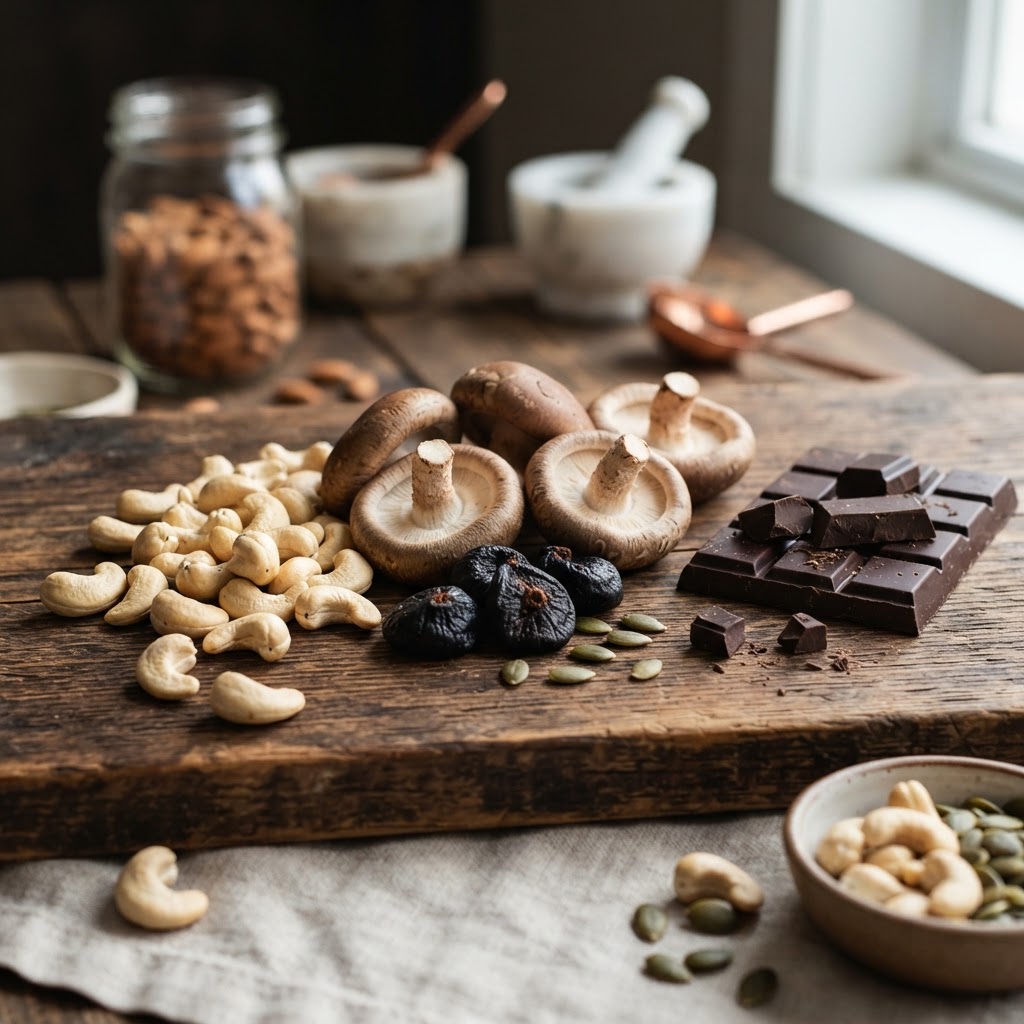
- Copper is an essential trace mineral required for energy production, nervous system health, and iron absorption.
- Common copper deficiency symptoms include persistent fatigue, unexplained anemia, and neurological issues like numbness or weakness.
- Excessive zinc intake is a leading cause of low copper levels because zinc interferes with copper absorption in the intestines.
- Diagnosis typically involves a combination of serum copper blood tests and ceruloplasmin levels to confirm a deficiency.
- Addressing deficiency requires a targeted approach, often involving dietary changes or supervised supplementation under professional guidance.
While many individuals focus on popular nutrients like Vitamin D, magnesium, or iron, there is a quiet, essential player in human physiology that often goes overlooked until levels drop significantly: copper. Copper is a vital trace mineral that facilitates hundreds of chemical reactions within the human body, from powering our cellular “batteries” to maintaining the structural integrity of our skin and blood vessels. When the body struggles to maintain adequate stores of this mineral, the resulting imbalance can manifest in subtle, systemic ways that are frequently misdiagnosed as other chronic conditions. Understanding the mechanisms behind copper metabolism and the early warning signs of insufficiency is essential for maintaining long-term vitality. In this guide, the healthauthoritylife Editorial Team explores the intricacies of copper homeostasis, helping you navigate the complexities of identifying and addressing deficiencies before they impact your quality of life.
What Is Copper and Why Does Your Body Need It?
Copper is a fundamental trace mineral that the human body requires in small, precise amounts to function optimally. Unlike macronutrients, which are needed in gram quantities, copper serves as a catalytic powerhouse, acting as a cofactor for enzymes that manage critical biological processes. Experts generally agree that copper is indispensable for energy production. It works within the mitochondria—the powerhouse of the cell—to facilitate the electron transport chain, which generates adenosine triphosphate (ATP), the primary energy currency of your cells. Without sufficient copper, cellular respiration falters, often leading to a persistent sense of lethargy that does not resolve with rest alone.
Beyond energy metabolism, copper is essential for hematopoiesis, the process of blood cell formation. It is a key component of enzymes like hephaestin and ceruloplasmin, which help the body mobilize iron from storage sites and transport it to the bone marrow where red blood cells are synthesized. This explains why one of the most recognizable indicators of low copper levels is secondary anemia; if your body cannot effectively use iron, it cannot create the hemoglobin necessary to carry oxygen throughout your system. Even when iron levels appear adequate on a standard lab panel, a lack of copper can create a functional bottleneck that mimics iron-deficiency anemia.
The role of copper extends deep into the structural and neurological systems as well. It is a critical participant in the synthesis of collagen and elastin, the primary proteins that provide strength and elasticity to skin, tendons, and blood vessels. Furthermore, copper is necessary for the production of myelin, the protective sheath that insulates nerve fibers. Proper myelination is the difference between seamless nerve conduction and the stuttering signals often associated with sensory or motor deficits. Finally, copper acts as an antioxidant cofactor, working with superoxide dismutase to neutralize free radicals and protect cells from oxidative stress. Because the body cannot synthesize copper, we must obtain it through a varied, nutrient-dense diet or, in specific cases of medically supervised need, through targeted supplementation.
Common Symptoms of Copper Deficiency
The signs of copper deficiency are often broad and non-specific, which is why they are frequently attributed to stress, lack of sleep, or other common nutritional gaps. One of the primary symptoms observed by clinicians is persistent fatigue. Because copper is essential for ATP production, a deficiency often feels like a deep, cellular exhaustion that persists regardless of lifestyle adjustments. When this fatigue is paired with pale skin or shortness of breath during mild exertion, it often hints at the hematological impact of the deficiency—specifically, anemia that remains resistant to iron therapy.
Neurological changes are another hallmark of low copper levels. Because copper is needed for the integrity of the myelin sheath, individuals with chronic deficiency may experience sensations of numbness, tingling, or “pins and needles” in the extremities. Over time, these sensory issues can progress to difficulty with balance and coordination, sometimes referred to as gait disturbances. In more severe cases, individuals may notice a loss of vibratory sensation or muscle weakness, symptoms that warrant immediate investigation. It is critical to note that while these symptoms are concerning, they can be shared by other conditions, such as B12 deficiency; therefore, diagnostic testing is essential to rule out copper-specific issues.
In addition to systemic symptoms, there are outward physical signs of copper deficiency. Copper is required for the activity of tyrosinase, an enzyme that produces melanin, the pigment responsible for skin and hair color. A noticeable change in hair texture, premature graying, or skin depigmentation can sometimes correlate with long-term low copper levels. Furthermore, individuals may find they are more susceptible to frequent illnesses. Copper plays a role in the maturation and function of white blood cells, particularly neutrophils. When copper is low, neutrophil counts may drop, potentially leaving the immune system less resilient against common pathogens. While not every individual with low copper levels will experience all these symptoms, the clustering of fatigue, anemia, and neurological sensory shifts should be treated as a strong signal to examine your nutritional status.
Primary Causes of Copper Deficiency
Understanding the causes of copper deficiency is a matter of looking at both intake and absorption. While the standard Western diet often contains trace amounts of copper through seeds, nuts, shellfish, and organ meats, external factors can severely limit the body’s ability to utilize these dietary sources. One of the most common causes of low copper levels is chronic gastrointestinal malabsorption. Conditions like Celiac disease, Crohn’s disease, or even past bariatric surgeries can significantly impair the intestinal lining’s ability to absorb essential minerals, including copper. If the gut is compromised, even a diet rich in copper-rich foods might not be sufficient to maintain blood levels within a healthy range.
Another major contributor is the unintended consequence of long-term, high-dose zinc supplementation. Zinc and copper compete for the same absorption pathways in the small intestine. When zinc levels are consistently high, it induces the production of metallothionein, a protein that binds to both zinc and copper. However, metallothionein has a higher affinity for copper, trapping it within the intestinal mucosal cells, which are then sloughed off and excreted in the stool. Over time, this leads to a “zinc-induced copper deficiency,” a phenomenon that is surprisingly common in individuals who take high-dose zinc to support immune health without providing a balanced copper intake.
Medical interventions also play a role. Certain medications, particularly high-dose antacids or proton-pump inhibitors (PPIs), can alter the pH of the digestive tract, potentially hindering the absorption of trace minerals. Additionally, excessive alcohol consumption can interfere with the liver’s ability to regulate and store copper, leading to depletion. Finally, there are rare genetic conditions, such as Menkes disease, which involve a profound inability to transport copper out of the intestinal cells. While these genetic factors are rare, they highlight just how tightly regulated our copper levels are and why environmental or dietary stressors can tip the balance so easily toward a clinical deficiency.
| Intervention/Approach | Mechanism of Action | Best For |
|---|---|---|
| Dietary Diversification | Provides bioavailable copper via food sources like oysters, shiitake mushrooms, and dark chocolate. | General maintenance and preventing mild insufficiency. |
| Zinc-Copper Ratio Management | Balancing mineral intake to prevent zinc from blocking copper uptake. | Individuals taking daily zinc supplements or immune support formulas. |
| Professional Supplementation | Delivers high-dose elemental copper under clinical supervision to correct verified deficiency. | Those with diagnosed clinical deficiency or severe malabsorption. |
How to Diagnose Copper Deficiency Through Testing
Diagnosis of copper deficiency is rarely done through a single snapshot test. Instead, healthcare providers typically look at a constellation of markers to determine if the body’s copper status is truly compromised. The most common primary screening tool is a serum copper blood test, which measures the concentration of copper circulating in the blood. However, serum copper levels can be misleading because they fluctuate based on inflammation, hormone levels (such as estrogen), and pregnancy. Because the liver produces ceruloplasmin—a protein that carries 95% of the copper in the blood—most practitioners will order a ceruloplasmin test alongside a serum copper panel. If ceruloplasmin is low, it strongly suggests that the total body copper stores are indeed depleted.
When clinicians suspect a deficiency based on neurological or hematological symptoms, they may also perform a Complete Blood Count (CBC) to check for anemia, specifically looking for macrocytosis (enlarged red blood cells) or neutropenia (low white blood cell counts). These findings are classic indicators of copper-deficiency anemia, even if they sometimes overlap with B12 or folate deficiency symptoms. In complex cases, where malabsorption is suspected, additional testing of the gastrointestinal system or further metabolic assessments may be necessary to identify the root cause of the deficiency.
It is worth noting that copper is primarily stored in the liver, meaning blood tests may not always reflect the absolute intracellular or liver-stored levels of the mineral. For this reason, clinical diagnosis focuses heavily on the patient’s history. Has the patient been taking high doses of zinc? Do they have a history of gastric surgery? Are they exhibiting the hallmark neurological signs? These details are as important as the lab results. Before starting any therapeutic intervention, it is vital to have these levels confirmed by a professional. Supplementing with copper when one is not actually deficient can be as dangerous as the deficiency itself, given that copper toxicity is a serious health concern that can cause liver stress and neurological impairment in its own right.
The Link Between Zinc Supplementation and Copper Loss
The relationship between zinc and copper is one of the most classic examples of mineral antagonism in nutrition. While both are essential trace minerals, they are constantly engaged in a physiological tug-of-war. The primary site of this competition is the intestinal mucosa. Zinc and copper share similar pathways for absorption into the bloodstream, and the presence of excess zinc significantly downregulates the body’s ability to pick up copper. This is not an accidental biological flaw; it is a regulatory system designed to maintain mineral homeostasis. However, when we introduce high-dose zinc supplementation into the equation, we effectively override this balance.
When high levels of zinc are ingested, the body responds by synthesizing a protein called metallothionein within the cells of the small intestine. Metallothionein has a much stronger binding affinity for copper than it does for zinc. Consequently, it effectively “grabs” the copper atoms in the intestinal lining and holds onto them, preventing them from entering the circulatory system. As the intestinal cells are naturally shed over time, the trapped copper is excreted in the stool, leading to a net loss of systemic copper. This is why long-term zinc supplementation—often used for immune support or acne management—can inadvertently lead to symptoms of copper deficiency over a period of weeks or months.
The severity of this issue is largely dependent on the dosage of zinc used and the duration of use. Many modern supplement protocols include zinc doses that far exceed the recommended daily intake. Without an accompanying copper supplement to balance this intake, the risk of developing a secondary deficiency rises significantly. Experts generally recommend that if an individual must take therapeutic doses of zinc for an extended time, they should work with a professional to monitor their serum copper and ceruloplasmin levels regularly. Often, a ratio of 10:1 or 15:1 (zinc to copper) is used as a rule of thumb for supplements to ensure that the body retains enough copper to fulfill its essential biological functions. Being mindful of this interaction is one of the most practical steps you can take to protect your health while using mineral-based supplements.
Best Dietary Sources to Boost Your Copper Intake
Optimizing your dietary intake is the safest and most effective primary strategy for addressing low copper levels. Because the body cannot synthesize copper, it must be obtained through consistent daily consumption. Fortunately, many nutrient-dense foods contain sufficient quantities to meet standard daily requirements, provided that the overall diet remains balanced and varied.
The most concentrated sources of dietary copper often come from organ meats, particularly liver. Beef or calf liver is exceptionally high in bioavailable copper. However, because organ meats are not a staple for many individuals, it is important to incorporate a wide range of plant-based and other animal-based alternatives to ensure steady levels throughout the week.
Shellfish, such as oysters, are perhaps the most potent source of copper available. Just a small serving of cooked oysters can often provide significantly more than the daily recommended amount. Other crustaceans and mollusks, including crab and lobster, also contribute meaningful amounts. For those who do not consume shellfish, seeds and nuts serve as excellent, shelf-stable options for consistent intake. Sesame seeds, cashews, sunflower seeds, and almonds are particularly reliable choices for incorporating copper into snacks, salads, or main courses.
Whole grains and legumes also play a vital role. Chickpeas, lentils, and kidney beans are staples for many, and they offer a double benefit of dietary fiber and essential minerals. When consuming plant-based sources, keep in mind that the bioavailability of minerals can sometimes be affected by factors like phytates found in grains and legumes, which may inhibit absorption. Cooking these foods thoroughly and soaking beans overnight can help mitigate these effects, making the minerals more accessible to your digestive system.
Lastly, do not overlook dark chocolate and cocoa powder. These ingredients are surprisingly rich in copper. While they should be consumed in moderation due to sugar and calorie content, high-quality, dark chocolate with a high cocoa percentage can act as a delicious supplemental source for maintaining adequate levels.
| Food Source | Category | Best For |
|---|---|---|
| Beef Liver | Organ Meat | Maximum copper density per serving |
| Oysters | Shellfish | Fast replenishment of low levels |
| Cashews | Nuts | Portable, heart-healthy snacking |
| Lentils | Legumes | Plant-based, fiber-rich diets |
| Dark Chocolate | Treats | Satisfying cravings while boosting intake |
When to Consider Copper Supplements
While a food-first approach is universally recommended by health professionals, there are specific circumstances where dietary intake alone may prove insufficient. When diagnostic testing confirms a clinical deficiency, or when a patient suffers from malabsorption issues that prevent the body from processing copper from food, supplementation may be necessary.
One primary scenario for considering supplementation involves individuals who have undergone gastrointestinal surgeries, such as gastric bypass or other bariatric procedures. These operations can fundamentally alter the way the digestive tract processes and absorbs micronutrients. Because the sections of the bowel responsible for mineral absorption are bypassed or altered, these patients often require structured, physician-monitored supplementation to avoid the rapid onset of copper deficiency symptoms.
Chronic conditions that cause malabsorption, such as Celiac disease, Crohn’s disease, or chronic diarrhea, also create an environment where dietary copper is insufficient. In these cases, even a well-rounded diet may not provide enough usable copper because the intestinal lining is unable to move the mineral into the bloodstream efficiently. Under these conditions, doctors may suggest specific supplements that bypass typical absorption barriers.
Furthermore, individuals who consume high levels of zinc over an extended period—often through excessive supplementation or specific dietary choices—are at high risk for secondary copper deficiency. Zinc and copper compete for absorption sites in the intestines. When zinc levels are disproportionately high, the body preferentially absorbs zinc while blocking copper. If you are taking high-dose zinc for immune support or skin health, it is standard practice to monitor your copper status and consider a copper supplement to maintain homeostasis.
Risks and Safety Precautions of Copper Supplementation
Copper is an essential trace element, but it is also a substance that can reach toxic levels if mismanaged. Because of this, copper supplementation should never be a “guesswork” endeavor. Unlike some water-soluble vitamins that the body can easily excrete when taken in excess, copper can accumulate in organs, particularly the liver and brain, leading to severe health complications.
The most significant risk of improper copper supplementation is toxicity. Chronic exposure to excess copper can lead to symptoms such as nausea, vomiting, abdominal pain, and, in severe cases, liver or kidney damage. For this reason, supplemental doses are usually kept quite low, often focusing on corrective amounts rather than high-potency “megadosing.”
Interaction with other medications is another vital safety consideration. Copper supplements can interact with oral contraceptives, hormone replacement therapy, and certain non-steroidal anti-inflammatory drugs (NSAIDs). These interactions can potentially alter the metabolism of both the supplement and the medication. Always provide a full list of your current prescriptions to a healthcare provider before initiating any new mineral protocol.
Another layer of safety involves genetic conditions like Wilson’s Disease. Individuals with this rare genetic disorder have a reduced ability to excrete copper, leading to dangerous accumulation in the body. For these people, even standard copper supplements could be life-threatening. This reinforces the necessity of diagnostic blood work—testing serum copper and ceruloplasmin levels—before beginning any supplementation program. By confirming your status through a laboratory test, you ensure that you are treating a deficiency rather than masking a potential underlying metabolic or genetic issue.
How Long It Takes to Recover from Deficiency
Recovery from copper deficiency is not an overnight process; it requires patience, consistency, and ongoing medical supervision. The duration of treatment depends entirely on the severity of the depletion and the underlying cause of the deficiency.
For individuals with mild, diet-related deficiency, improvements in energy levels and skin health may be noticed within a few weeks of adjusting the diet and beginning a modest supplement regimen. However, correcting hematological markers, such as low white blood cell counts or anemia, usually takes significantly longer—often between three to six months. Red blood cells, for instance, have a lifespan of approximately 120 days, meaning that the blood profile will only reflect a full recovery after several months of consistent supplementation.
Neurological symptoms, which are often the most concerning signs of chronic deficiency, can be the slowest to resolve. In some cases, if the deficiency has been long-standing, neurological damage may be permanent or only partially reversible. This underscores the critical importance of early detection and intervention. Do not wait for symptoms to become severe before seeking medical evaluation.
During the recovery phase, physicians will typically order periodic blood tests every four to eight weeks. These tests allow the medical team to monitor progress and adjust the dosage accordingly. Once the serum copper and ceruloplasmin levels have stabilized within the normal range, your doctor may transition you to a maintenance dose or rely solely on dietary sources to sustain your levels long-term.
Frequently Asked Questions
Can copper deficiency cause hair loss?
Yes, because copper is essential for the production of melanin and the synthesis of collagen, a deficiency can impact hair health. It may lead to hair thinning, loss of pigment (premature graying), or overall brittle hair texture. However, hair loss is a non-specific symptom, meaning it can be caused by many factors, so it should be evaluated alongside other clinical indicators.
Is it possible to get too much copper from water?
In certain regions, water that sits in copper piping for long periods can pick up higher levels of the metal, especially if the water is acidic. While municipal water supplies are generally monitored, those with private wells should have their water tested periodically to ensure the copper levels remain within safety guidelines.
Does copper deficiency affect the immune system?
Absolutely. Copper plays a key role in the production and function of neutrophils, which are white blood cells that defend the body against infection. Low copper levels are strongly associated with neutropenia, a condition characterized by an abnormally low count of these infection-fighting cells, which leaves the body susceptible to frequent illnesses.
Can I just take a multivitamin to fix my copper levels?
Many high-quality multivitamins do contain a baseline amount of copper, often enough to maintain levels in a healthy individual. However, if a blood test has confirmed a clinical deficiency, a standard multivitamin may not contain a high enough dosage to correct the issue within a reasonable timeframe. Always consult your doctor to determine if you need a specific, higher-dose supplement.
Why is my doctor checking ceruloplasmin along with serum copper?
Ceruloplasmin is a protein produced in the liver that transports the vast majority of copper in the bloodstream. Because serum copper levels can fluctuate based on inflammation or stress, measuring ceruloplasmin provides a more accurate picture of the body’s actual copper-carrying capacity and helps clinicians confirm whether a deficiency is truly present.
Are there any early warning signs I should look for?
Early signs are often subtle and can be easily dismissed as general fatigue. These include persistent tiredness, unusual sensitivity to cold, and slow recovery from minor infections. If you notice these symptoms in combination with a diet lacking in nutrient-dense foods, it is worth discussing a blood panel with your healthcare provider to rule out mineral deficiencies.
Conclusion
Maintaining optimal copper levels is a fundamental, yet often overlooked, component of overall health. From supporting your neurological pathways and skeletal strength to ensuring your immune system remains resilient, copper acts as a silent engine behind many vital bodily processes. While the dangers of deficiency are real, the condition is highly manageable through informed dietary choices and, when necessary, targeted supplementation under professional guidance.
Do not leave your health to chance. If you suspect your levels may be low—especially if you have a history of digestive issues, high zinc intake, or unexplained fatigue—prioritize a conversation with your healthcare provider. Begin by evaluating your current diet, incorporating more copper-rich foods like seeds, shellfish, and legumes, and always seek objective data through blood testing before adding new supplements to your routine.
By healthauthoritylife Editorial Team
This article is for informational purposes only and is not a substitute for professional medical advice. Always consult your doctor before making changes to your diet, exercise routine, or treatment plan.
Leave a Reply