
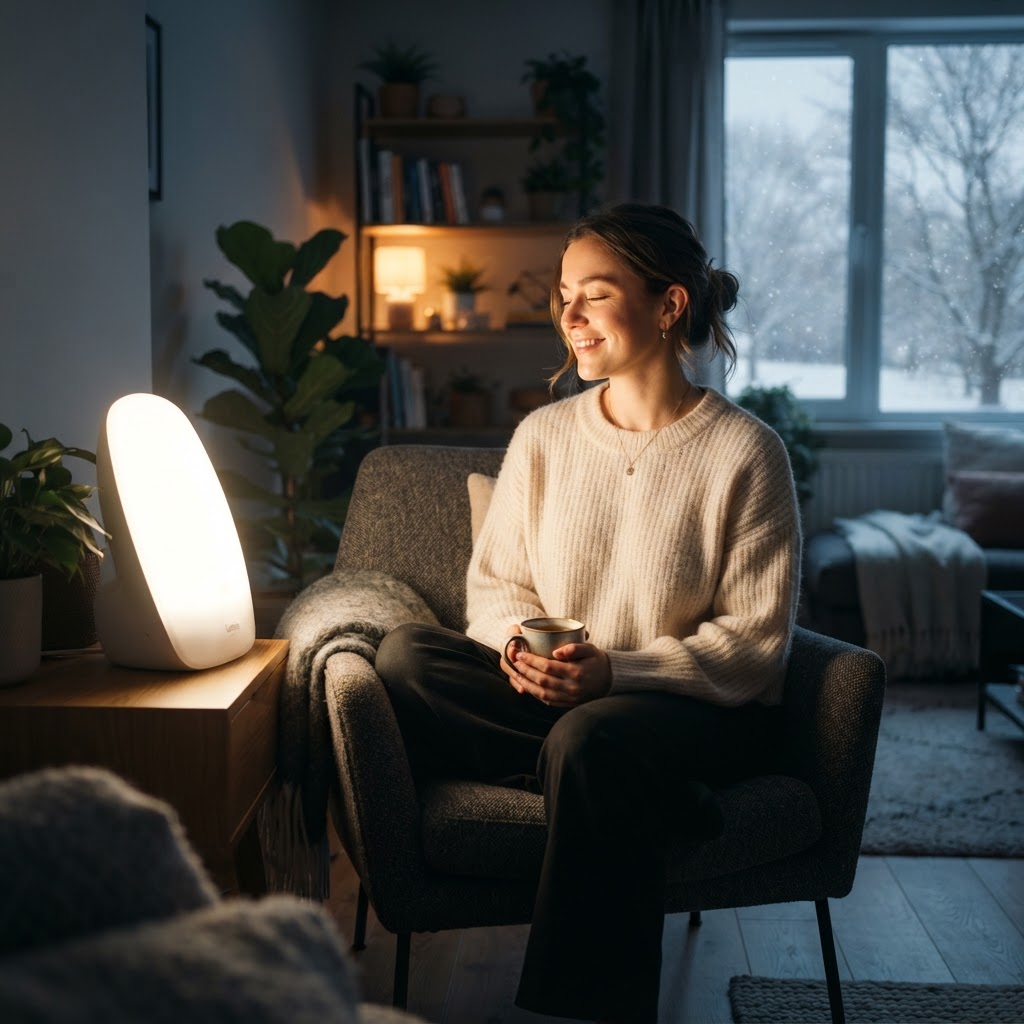
- Seasonal affective disorder is a recurring form of depression typically triggered by the onset of shorter, darker days.
- Recognizing early SAD symptoms like oversleeping and carbohydrate cravings can help you seek support before the winter deepens.
- Biological triggers often involve disruptions to the body’s internal clock and neurotransmitter levels due to reduced sunlight exposure.
- Light therapy for SAD and lifestyle modifications remain primary tools to combat winter blues effectively.
- Consulting with a healthcare provider is essential for distinguishing seasonal depression from other mood disorders.
As the days grow shorter and the golden warmth of summer yields to the biting chill of late autumn, millions of individuals begin to experience a subtle yet profound shift in their mood, energy levels, and overall outlook. While many people notice a mild dip in their spirits as the seasons change, others find themselves grappling with a more persistent and debilitating condition known as seasonal affective disorder (SAD). This pattern of depression, which follows the solar calendar, is far more than just a case of the “winter blues.” For those affected, the onset of the colder months acts as a physiological and psychological trigger, creating a cycle that can feel impossible to break. By understanding the biological mechanics of how light, hormones, and rhythm intersect, we can begin to demystify this condition and explore evidence-based strategies for relief and resilience.
What Is Seasonal Affective Disorder?
Seasonal affective disorder is classified by mental health professionals as a type of major depressive disorder with a seasonal pattern. It is characterized by recurring episodes of depression that coincide with the change of seasons—most commonly beginning in the late fall or early winter and subsiding as spring approaches. While it is less common, some individuals experience a “reverse” pattern, where symptoms manifest during the summer months; however, the vast majority of cases involve the winter variety. The defining feature of SAD is the regularity of these mood shifts, which typically recur at the same time each year.
It is important to emphasize that seasonal affective disorder is a legitimate medical condition, not a sign of poor character or a lack of resilience. The symptoms are clinically significant, meaning they can interfere with an individual’s ability to function at work, maintain relationships, or engage in day-to-day self-care. The severity of the disorder exists on a spectrum; some may feel a pervasive sense of sluggishness, while others may struggle with profound feelings of hopelessness, social withdrawal, or persistent sadness. The condition is often linked to geographic location, as those living at higher latitudes—where the discrepancy between summer and winter daylight hours is most dramatic—are typically more susceptible.
The healthauthoritylife Editorial Team notes that many people dismiss these feelings as standard winter fatigue. However, distinguishing between a brief period of feeling “down” and a clinical seasonal depression diagnosis is vital for effective management. Unlike temporary melancholy, SAD involves a consistent pattern that lasts for several consecutive weeks or months. This pattern is often accompanied by specific physiological changes in appetite and sleep architecture. Recognizing the disorder for what it is—a disruption in the body’s natural regulatory systems—is the first, most important step toward successful management. Once you identify that your mood is inextricably tied to the external environment, you can shift from a reactive state to a proactive, evidence-based approach to your well-being.
Ultimately, seasonal affective disorder serves as a reminder of the deep, evolutionary connection between human biology and the natural world. Our ancestors relied on seasonal cues to regulate migration, energy expenditure, and sleep patterns. In our modern, climate-controlled, and indoor-focused lives, this sensitivity has not disappeared; rather, it has become a source of physiological friction. When we ignore these needs, we often find ourselves struggling against a tide that we cannot control through willpower alone. Instead, managing the condition requires external interventions and lifestyle adjustments that mimic the natural light and routine our bodies crave.
Common Symptoms of Seasonal Depression
Identifying SAD symptoms requires a keen awareness of how your body reacts to the transition of seasons. While many of the emotional markers of SAD mirror those of non-seasonal depression—such as feeling “low,” experiencing a loss of interest in hobbies, or feeling a sense of heaviness in the limbs—the physical and vegetative symptoms are often quite distinct. In fact, experts often point out that the “atypical” features of winter-pattern seasonal affective disorder are what set it apart from other types of depression.
One of the most hallmark indicators is hypersomnia, or excessive sleeping. While many forms of depression cause insomnia or waking up too early, those with SAD often feel the need to sleep for long, unrefreshing hours. Despite this extra rest, individuals often report waking up feeling just as tired as they were the night before. This persistent lethargy, often described as a “leaden” feeling in the arms and legs, can make basic daily tasks feel monumental. This sense of physical fatigue is frequently accompanied by a marked decrease in overall motivation and a social withdrawal that can isolate an individual from their community just when they need support the most.
Another major sign is a specific change in appetite, particularly cravings for carbohydrates and sugar. It is common to see individuals with SAD reach for simple carbohydrates like bread, pasta, and sweets as a form of self-soothing. This often leads to weight gain throughout the winter months, which can, in turn, create a cycle of negative body image and diminished self-esteem. This physiological urge for “comfort foods” is thought to be an evolutionary response to the body sensing a need for more caloric density during the darker, colder months, even though our modern environments no longer require such energy stores.
The severity of these symptoms can fluctuate throughout the winter. Some may experience them mildly, perhaps noticing they are simply less productive or more inclined to stay indoors, while others may find themselves in a state of deep emotional distress. The healthauthoritylife Editorial Team stresses that even if symptoms feel “manageable,” reaching out for professional guidance is a sign of strength. Keeping a mood diary during the autumn months can be a highly effective way to spot the early warning signs before they escalate. By tracking your sleep quality, energy levels, and social interests, you can identify the subtle onset of the season change and begin implementing your pre-planned management strategies early, rather than waiting until the symptoms are at their peak.
Understanding the Biological Causes of SAD
The exact etiology of seasonal affective disorder is complex and likely involves a combination of environmental, genetic, and biological factors. While we often view depression through a purely psychological lens, winter depression causes are rooted deeply in the body’s internal, or circadian, systems. At its core, SAD is an imbalance triggered by a lack of exposure to natural sunlight, which disrupts the delicate dance of hormones and neural pathways that govern our mood and wakefulness.
One of the primary theories regarding the development of SAD involves the body’s internal clock, or the suprachiasmatic nucleus (SCN). The SCN is the “master clock” in the brain that synchronizes our physiological processes with the 24-hour cycle of the sun. When daylight hours shorten, this internal clock can become “unsynchronized” from the actual time of day. This is akin to chronic jet lag; your internal systems are signaling that it is time to rest while the outside world requires you to be awake and productive. This conflict creates a state of chronic stress on the nervous system, leading to feelings of irritability, cognitive fog, and emotional exhaustion.
Additionally, research suggests that some individuals possess a unique sensitivity to light. For these people, the typical reduction in light intensity during the winter months is enough to push their brain chemistry toward a depressive state. There is also an emerging body of evidence looking at the role of dopamine—the “reward” neurotransmitter. Some studies suggest that the neural circuits responsible for reward processing may become less active during the winter, contributing to the apathy and loss of pleasure often seen in SAD patients. When the reward system is under-active, the motivation to engage in social activities, exercise, or even light-hearted tasks drops significantly.
Genetic vulnerability also appears to play a role. Many individuals who experience SAD have family members with a history of depression or other mood disorders, suggesting that there may be an inherited component to how we respond to light fluctuations. However, biology is not necessarily destiny. Understanding these causes allows for targeted, evidence-based approaches to seasonal depression treatment. Whether it is through environmental manipulation, nutritional support, or therapeutic light intervention, knowing that your symptoms have a concrete biological origin can help reduce the shame often associated with the disorder and empower you to address the root causes of the “winter blues” effectively.
How Daylight Impacts Your Circadian Rhythm
Light is the most potent “zeitgeber,” or time-giver, for the human biological clock. Our bodies are evolved to use the spectrum and intensity of light to signal when it is time to be alert and when it is time to repair. In an ideal environment, bright morning light hitting the retinas serves as an anchor, setting the rhythm for the entire day. This light exposure tells the brain to suppress the sleep hormone melatonin and boost the production of hormones that keep us alert and motivated.
As the winter months roll in, the quality and duration of light change drastically. Not only is the day shorter, but the angle of the sun is lower, resulting in light that is often filtered through clouds or trapped behind windows. For many, this leads to a lack of sufficient retinal stimulation, meaning the brain does not receive the “wake up” signal it needs. This is why light therapy for SAD is considered the gold-standard intervention. By exposing the eyes to a specific intensity of light (typically 10,000 lux) during the early morning hours, we can artificially replicate the signal the body is missing, effectively “tricking” the internal clock into perceiving a longer, brighter day.
The impact of this disruption goes beyond just sleep. A misaligned circadian rhythm affects nearly every organ system in the body, including those that regulate immune function and inflammation. When your body is in a state of circadian misalignment, it is less efficient at fighting off stress and maintaining emotional regulation. This is often why SAD is frequently comorbid with other physical complaints like frequent colds, muscle tension, or digestive issues during the winter months.
To better understand how to address these shifts, consider the following approaches to managing light-related issues:
| Strategy | Function | Best For |
|---|---|---|
| Light Therapy Lamp | Simulates bright morning light | Early morning energy spikes |
| Dawn Simulators | Gradually brightens the bedroom | Easier, more natural wake-ups |
| Outdoor Morning Walk | Full-spectrum natural light exposure | Integrating light and movement |
| Full-Spectrum Bulbs | Optimizes home lighting environment | General mood support |
Incorporating these elements into your SAD management tips requires consistency. The brain’s circadian clock relies on repetition. Using a light box for two days and then skipping three will not produce the same recalibration as sticking to a strict morning routine. By centering your day around these light-based anchors, you create a stable foundation that buffers you against the darker, unpredictable nature of winter, keeping your internal rhythm aligned with the demands of your life.
The Role of Serotonin and Melatonin Imbalance
The chemical fluctuations associated with seasonal affective disorder primarily involve two key messengers: serotonin and melatonin. These two substances act as a chemical seesaw, and when the light levels shift, that seesaw can become stuck, leading to profound changes in mood and sleep quality. Serotonin is a neurotransmitter often associated with mood stabilization, happiness, and cognitive function. When we are exposed to high levels of sunlight, our brains typically produce more serotonin, which helps us feel alert, focused, and emotionally stable.
When the days shorten, serotonin production often declines. This drop is widely believed to be a central contributor to the depressive moods and anxiety associated with SAD. Because serotonin is also a precursor to melatonin, its depletion can have a cascading effect on sleep. Melatonin is the hormone that regulates the sleep-wake cycle, signaling to the body that it is time to transition into deep, restorative rest. In individuals with seasonal affective disorder, the melatonin rhythm is often distorted; the body may overproduce melatonin during the day, causing excessive sleepiness and lethargy, while struggling to maintain the correct timing of melatonin release in the evening.
This “hormonal mismatch” is exactly why people with SAD often report being perpetually tired yet unable to find refreshing sleep. The body is essentially producing its “sleep signal” at the wrong times, leaving the individual in a haze that never quite dissipates. The healthauthoritylife Editorial Team emphasizes that these chemical imbalances are not permanent defects, but rather state-dependent responses to environmental cues. Just as the body adjusts its hormonal output based on the presence of light, we can influence these systems by intentionally manipulating our environment.
By engaging in activities that naturally boost serotonin—such as consistent physical exercise, dietary changes that support brain health, and the aforementioned light therapy—you can provide the chemical support your brain requires. Furthermore, practicing good sleep hygiene helps to stabilize the melatonin cycle. This means creating a dark, cool, and quiet environment in the evening while ensuring you get as much bright light as possible during your wakeful hours. Through this deliberate approach to biological hygiene, you can help reset your internal chemical balance, effectively using the knowledge of these neurotransmitters to fight the seasonal decline. It is about working with, rather than against, your body’s inherent design to navigate the winter months with a greater sense of clarity and well-being.
Evidence-Based Benefits of Light Therapy
Light therapy, clinically known as phototherapy, is widely considered the gold standard for managing seasonal affective disorder. Because the core issue driving winter-onset SAD is a disruption of the circadian rhythm caused by reduced sunlight exposure, light therapy acts as an artificial bridge to help the body recalibrate its internal clock. When an individual sits in front of a specially designed light box, the intensity of the light—measured in lux—signals the brain to suppress the production of melatonin, the hormone that induces sleepiness, while encouraging the release of serotonin, the neurotransmitter associated with mood regulation.
The efficacy of this treatment relies heavily on consistency and specific parameters. Most clinical experts suggest using a box that provides 10,000 lux of light and is designed to filter out harmful ultraviolet (UV) rays. By sitting at a recommended distance—usually about 16 to 24 inches—for approximately 20 to 30 minutes each morning, users often experience a shift in their energy levels within a few days to two weeks. This daily ritual simulates a bright, cloudless dawn, which helps shift the circadian phase earlier for those who experience delayed sleep phase syndromes often linked with SAD.
It is important to note that the timing of the exposure is critical. Engaging in light therapy too late in the evening can disrupt sleep patterns, potentially exacerbating the exhaustion that accompanies seasonal depression. Furthermore, while light boxes are the most common tool, they are not the only form of phototherapy. Dawn simulators, which gradually increase light levels in the bedroom to mimic a natural sunrise, are also used to help individuals wake up more easily and combat the inertia often felt during darker winter months.
The following table outlines the most common forms of light-based interventions for those looking to manage seasonal symptoms effectively.
| Device Type | Mechanism of Action | Best For |
|---|---|---|
| 10,000 Lux Light Box | High-intensity light exposure to suppress melatonin | Morning routine and rapid mood stabilization |
| Dawn Simulator | Gradual light increase to facilitate wakefulness | Waking up earlier and improving sleep transitions |
| Light Visors/Glasses | Portable LED illumination directly to the eyes | Commuters and those with limited desk space |
Lifestyle Changes to Combat Winter Blues
Managing seasonal depression requires a multifaceted approach that extends beyond light exposure. Lifestyle modifications are essential to creating an environment that supports emotional resilience during the colder months. One of the most effective strategies is the maintenance of a rigid, consistent schedule. When the days shorten, the natural tendency is to hibernate or sleep in, which can worsen the feelings of lethargy. By waking up at the same time every day, regardless of the weather outside, individuals can help keep their internal circadian clocks stable.
Physical activity is another pillar of seasonal depression management. Even when motivation is at its lowest, movement is a powerful intervention. Exercise stimulates the release of endorphins and promotes neuroplasticity, which helps the brain adapt to stress. During the winter, this does not necessarily mean high-intensity training. Simple, low-impact activities like brisk walking, indoor yoga, or swimming can significantly boost mood. The key is to incorporate movement during daylight hours if possible, as the combination of physical exertion and natural light—even on an overcast day—provides a synergistic benefit for mood regulation.
Social connectivity also plays a vital role in combating the isolation that often accompanies the winter blues. It is common for people with SAD to withdraw socially as their energy levels drop, but this withdrawal often fuels depressive cycles. Making an intentional effort to maintain social connections, whether through community events, regular phone calls, or scheduled visits with friends, can help interrupt the patterns of social avoidance. Participating in hobbies that keep the mind engaged, such as reading, cooking, or artistic expression, can also provide a sense of purpose and accomplishment during periods when external stimulation is limited.
Nutritional Strategies to Support Mental Health
The relationship between diet and mental health is well-documented, and this connection becomes particularly relevant during the winter. Many people struggling with seasonal affective disorder experience intense cravings for carbohydrates and sugars. This is believed to be the body’s attempt to self-medicate through the rapid production of serotonin. However, this often leads to energy crashes and increased lethargy, creating a cycle that negatively impacts mood and metabolic health.
To support mental well-being, focusing on a diet rich in whole, nutrient-dense foods is essential. Prioritizing complex carbohydrates—such as oats, quinoa, and brown rice—provides a steady release of energy without the dramatic spikes associated with refined sugars. These foods also support the production of serotonin in a more sustainable way. Additionally, incorporating foods rich in omega-3 fatty acids, such as salmon, walnuts, and flaxseeds, is highly recommended. Omega-3s are vital for brain health and have been shown in various studies to support mood stability and reduce systemic inflammation, which is often elevated in those suffering from chronic depressive symptoms.
Vitamin D, often referred to as the “sunshine vitamin,” is perhaps the most critical nutrient to monitor during the winter. Given that the body produces Vitamin D primarily through exposure to sunlight, deficiencies are rampant during the winter months in higher latitudes. While it is important to check blood levels with a healthcare provider before starting any high-dose supplementation, incorporating food sources such as fortified dairy, egg yolks, and mushrooms exposed to UV light can help bridge the gap. Maintaining healthy blood levels of Vitamin D is not a cure-all, but it is a fundamental biological requirement for psychological resilience.
When to Seek Professional Medical Help
While lifestyle changes and environmental adjustments are powerful tools, there are times when they are not sufficient to manage the severity of seasonal affective disorder. It is crucial to recognize that SAD is a clinical condition, not a personality flaw or a temporary mood fluctuation. Seeking professional medical help is a sign of strength and a necessary step when symptoms interfere with daily functioning.
A primary care physician or a licensed mental health professional should be consulted if feelings of hopelessness, excessive sleepiness, or loss of interest in activities become persistent. Specifically, if an individual finds themselves unable to meet professional or personal responsibilities, or if they experience significant changes in appetite or sleep that lead to health complications, it is time to seek an intervention. In cases where symptoms are severe, healthcare providers may discuss pharmacological options, such as selective serotonin reuptake inhibitors (SSRIs). Some individuals find that starting these medications preemptively—before the onset of the winter season—can prevent symptoms from reaching a debilitating level.
Furthermore, if an individual experiences thoughts of self-harm or has feelings that life is no longer worth living, this is a medical emergency that requires immediate professional attention. There are many specialized treatments available, including cognitive behavioral therapy (CBT) specifically tailored for SAD, which can help individuals identify and change negative thought patterns that emerge during the winter. A medical professional can provide a personalized roadmap, ensuring that light therapy, nutrition, and psychological support are coordinated effectively for the best possible outcome.
Frequently Asked Questions
Is seasonal affective disorder just the winter blues?
While the terms are often used interchangeably, the “winter blues” generally refers to mild feelings of sadness or lethargy that do not significantly impair daily life. Seasonal affective disorder (SAD) is a clinical diagnosis characterized by more severe, persistent symptoms that disrupt an individual’s ability to function at work, home, or in social settings for a significant portion of the winter months.
Can SAD happen in the summer?
Yes, although less common, some individuals experience seasonal depression during the summer months. Summer-onset SAD typically presents differently than winter SAD, often manifesting as irritability, agitation, weight loss, and sleep disturbances, rather than the lethargy and oversleeping associated with the winter variant.
Do light therapy boxes work immediately?
Most individuals do not see immediate results with light therapy. While some may report a subtle change in mood within a few days, it typically takes two to three weeks of consistent daily usage to see significant improvements in energy and mood stability. Patience and adherence to the daily routine are key to success.
Are there any side effects to using a light box?
For most people, light therapy is well-tolerated. However, potential side effects can include eye strain, headaches, nausea, or a sense of agitation. These are often mitigated by adjusting the distance from the light source or shortening the duration of the session. If side effects persist, it is recommended to consult with a healthcare professional.
Can I just sit by a bright window instead of using a light box?
While sitting by a window is beneficial for general well-being, it is rarely as effective as a dedicated light box for treating SAD. Standard windows filter out a significant portion of the light intensity needed for therapeutic effect, and the natural light intensity varies greatly depending on the weather and time of day. A 10,000 lux light box provides a controlled, consistent intensity that is difficult to replicate with natural sunlight through glass.
Is it possible to prevent SAD before it starts?
Yes, many people who know they are susceptible to seasonal patterns find success with “proactive management.” This includes starting light therapy or vitamin D supplementation in the early autumn, well before the days become noticeably short. Establishing healthy sleep hygiene, regular exercise routines, and a balanced diet before the onset of winter can significantly lower the likelihood or severity of an episode.
Conclusion
Navigating the darker months of the year can be a significant challenge for millions, but it is important to remember that seasonal affective disorder is a manageable condition. By understanding the biological roots of the disorder and taking proactive steps to regulate your environment and internal rhythm, you can regain control over your well-being. Whether it is through the consistent use of light therapy, the implementation of nutrient-dense dietary habits, or the integration of professional mental health support, there are numerous evidence-based avenues available to help you thrive regardless of the season. You do not have to simply “endure” the winter; with the right tools and strategies, you can maintain your vitality and mental clarity throughout the entire year. If you find your symptoms are becoming unmanageable, prioritize your health by scheduling a consultation with your primary healthcare provider today to discuss a tailored plan that works for you.
By healthauthoritylife Editorial Team
This article is for informational purposes only and is not a substitute for professional medical advice. Always consult your doctor before making changes to your diet, exercise routine, or treatment plan.
Leave a Reply