
- Histamine intolerance is often mistaken for a food allergy because it triggers similar inflammatory responses throughout the body.
- The primary cause of this condition is typically a DAO enzyme deficiency, which impairs the body’s ability to break down histamine from food.
- Common histamine intolerance symptoms range from digestive distress and skin rashes to headaches and heart palpitations.
- Adopting a low-histamine diet involves strictly limiting aged, fermented, and processed foods while focusing on fresh, unprocessed ingredients.
- Understanding the difference between mast cell activation and histamine intolerance is crucial for effective long-term management.
If you have ever felt like your body is fighting a war against the very food you put on your plate, you are not alone. For many people, a simple lunch of aged cheese, leftovers, or a glass of red wine can lead to an unexpected cascade of misery—bloating, skin flushing, or even a pounding headache that seems to come from nowhere. While these reactions are frequently dismissed as generic sensitivity, they often point to a specific, under-recognized condition: histamine intolerance. Unlike a classic food allergy, where the immune system attacks a protein, histamine intolerance is a chemical overflow issue, a tipping point where your body can no longer keep up with the processing of histamines found in your environment and your diet. Navigating this landscape can feel overwhelming, but understanding the mechanisms behind your symptoms is the first step toward regaining control of your health.
What Is Histamine Intolerance and How Does It Develop?
At its core, histamine is a vital chemical messenger in the human body. It plays a critical role in your immune system, acting as a “first responder” that triggers the inflammatory response needed to protect you from allergens and pathogens. Histamine is also essential for digestive health, as it stimulates the production of stomach acid to break down food. In a healthy, well-functioning body, your system maintains a precise balance: histamine is produced and degraded by specialized enzymes to ensure it serves its purpose without causing systemic irritation. However, histamine intolerance develops when that delicate equilibrium is disrupted. Think of it like a bucket under a leaky faucet; as long as the water (histamine) entering the bucket is matched by the rate at which the drain (enzymes) removes it, the bucket stays dry. When the flow increases or the drain becomes clogged, the bucket overflows. That overflow is what we experience as symptoms.
The development of this condition is rarely tied to a single event. Instead, it is typically the result of a cumulative “histamine bucket” effect. One of the primary histamine intolerance causes is an overconsumption of high-histamine foods, which puts undue stress on the body’s degradation pathways. However, it is also frequently linked to internal imbalances, such as gut dysbiosis, SIBO (small intestinal bacterial overgrowth), or chronic inflammation. When the gut lining is compromised—a state often referred to as “leaky gut”—the body’s overall inflammatory load increases, which can trigger mast cells to release even more endogenous histamine. This creates a vicious cycle where the body is flooded with both dietary and internal histamine, far exceeding its capacity to neutralize them. For many, this isn’t just about what they eat; it’s about the systemic state of their microbiome and immune regulation.
Furthermore, lifestyle factors play a significant role in how histamine levels accumulate. Chronic stress, for example, is a known trigger for mast cells to dump histamine into the bloodstream. When you combine a high-stress lifestyle with a diet rich in aged and fermented goods, you are essentially accelerating the filling of your “histamine bucket.” Many individuals do not realize that the condition can be transient; sometimes, addressing the underlying root cause—like healing the gut or managing chronic stress—can significantly improve the body’s tolerance threshold. It is essential to approach this not just as an issue of “bad foods,” but as a systemic challenge that requires a holistic look at how your internal and external environment interacts with your biochemistry.
Common Symptoms of Histamine Intolerance to Watch For
Because histamine receptors are located throughout the entire body—from the digestive tract and skin to the brain and cardiovascular system—the symptoms of this condition are notoriously diverse and can be incredibly confusing to identify. Patients often report that their symptoms seem unrelated or scattered, which frequently leads to misdiagnosis or delayed recognition. The most commonly reported histamine intolerance symptoms typically involve the gastrointestinal system. This includes chronic bloating, abdominal pain, diarrhea, and nausea shortly after meals. Because histamine influences stomach acid secretion, some individuals experience reflux or what they perceive as “indigestion” after consuming fermented foods or vinegar-based dressings.
Skin manifestations are another hallmark of the condition. Many people experience sudden flushing of the face, neck, or chest, which may feel hot to the touch. Others report hives, itchy skin (pruritus), or a worsening of existing eczema or rosacea. These skin reactions occur because histamine increases blood flow and capillary permeability in the skin, a classic sign of the inflammatory response. Respiratory issues can also occur, such as a runny or stuffy nose, sneezing, or a feeling of throat tightness, which is why the condition is so frequently confused with seasonal allergies. Unlike seasonal allergies, however, these symptoms often occur year-round and appear consistently after specific dietary triggers.
The neurological and cardiovascular impact of histamine intolerance can be particularly debilitating. Persistent headaches or migraines are very common, often appearing shortly after eating high-histamine foods. Because histamine is a vasodilator—it causes blood vessels to expand—it can alter blood pressure, leading to heart palpitations, dizziness, or a feeling of lightheadedness. Additionally, because histamine acts as a neurotransmitter, many people report “brain fog,” anxiety, or sleep disturbances. The range of these symptoms is broad, and it is rare for one person to have all of them. Instead, an individual might have a “constellation” of symptoms that primarily affects one system, such as digestive issues paired with brain fog. Keeping a detailed food and symptom journal is the most effective way to identify your personal patterns, as these symptoms can sometimes be delayed by several hours, making the connection between a meal and the resulting reaction difficult to spot without careful tracking.
| Symptom Cluster | Primary Manifestations | Best For |
|---|---|---|
| Gastrointestinal | Bloating, diarrhea, abdominal pain | Early identification of food triggers |
| Dermatological | Flushing, hives, itchy skin | Monitoring acute inflammatory reactions |
| Neurological | Migraines, brain fog, anxiety | Assessing cognitive and systemic load |
| Cardiovascular | Heart palpitations, dizzy spells | Tracking vascular health and blood pressure |
The Role of the DAO Enzyme in Histamine Breakdown
To understand why some people can enjoy a glass of aged wine without a second thought while others experience an immediate reaction, we must look at the Diamine Oxidase (DAO) enzyme. DAO is the primary enzyme responsible for breaking down histamine found in food within the digestive tract. It acts as a safety gatekeeper; when you consume food, the DAO produced by your small intestine lining begins to break down the histamine before it ever reaches your bloodstream. When someone has a DAO enzyme deficiency, this “gatekeeper” is essentially off the clock or understaffed. Consequently, the histamine remains intact, enters the bloodstream, and begins to circulate, triggering those familiar and uncomfortable symptoms throughout the body.
A DAO enzyme deficiency can be caused by a variety of factors, ranging from genetics to environmental stressors. Some people are born with lower levels of DAO production, making them naturally more susceptible to histamine-rich diets. However, many cases are acquired. Common inhibitors of DAO include certain medications, such as some antidepressants, pain relievers, and blood pressure medications, which can interfere with the enzyme’s function. Alcohol is perhaps the most well-known culprit; it not only contains histamine but also blocks the DAO enzyme from doing its job, effectively double-dipping into your histamine bucket. This is why people who feel “fine” on a normal day might suddenly react poorly to a meal if they pair it with wine or beer.
Beyond medications and lifestyle habits, the health of the intestinal mucosa is paramount for adequate DAO production. Because the cells that produce DAO reside on the surface of the small intestine, any inflammation or damage to this lining—caused by infections, chronic illness, or poor diet—will naturally reduce the amount of enzyme available. This is why addressing the condition is rarely as simple as taking a pill. While supplemental DAO enzymes exist and can provide significant relief for many people, they should be viewed as a temporary crutch while the underlying causes of the deficiency are addressed. Supporting the production of your own DAO involves focusing on gut healing, reducing systemic inflammation, and managing the factors that inhibit enzyme activity. Understanding that your body is currently struggling to process histamine because its “workforce” is depleted is a critical shift in perspective; it moves the focus from “avoiding foods” to “restoring functionality.”
High-Histamine Foods You Should Avoid
If you are struggling with these symptoms, the first and most effective step is often a structured elimination phase. When navigating the world of histamine foods to avoid, the general rule of thumb is “the older or more processed, the higher the histamine.” Histamine is a byproduct of bacterial fermentation and maturation. Therefore, any food that has been aged, cured, fermented, or left in the refrigerator for a long time will naturally have higher concentrations. Fermentation is a particularly common trigger; while fermented foods like sauerkraut, kefir, and kombucha are often marketed as “gut-healthy,” they are effectively histamine bombs for someone whose body cannot process them. Avoiding these is not about labeling them as “bad” foods, but recognizing that they currently do not fit your body’s unique chemical requirements.
Aged cheeses, such as Parmesan, cheddar, and Roquefort, are significant sources of histamine. The longer a cheese has been aged, the higher the histamine level. Similarly, cured meats like salami, prosciutto, pepperoni, and hot dogs contain high amounts of biogenic amines, including histamine, that accumulate during the curing process. Canned fish—specifically tuna, mackerel, and sardines—is also problematic. While fresh fish can be a part of a low-histamine diet, canned fish undergoes significant processing and often sits in containers that allow histamine levels to skyrocket. Many individuals are surprised to learn that leftovers are a major source of dietary histamine. Once a meal is cooked, bacteria begin to break down the proteins, and histamine levels can increase rapidly in the refrigerator. This is why many people with histamine intolerance feel fine after the first meal but experience severe symptoms after eating the exact same food the next day as a leftover.
Other sneaky triggers include vinegar and vinegar-based products like pickles, salad dressings, and mayonnaise. Wine, particularly red wine, is perhaps the most famous offender, not only because of its histamine content but because of the alcohol’s ability to inhibit the DAO enzyme. Additionally, certain vegetables and fruits are high in histamine or act as “histamine liberators,” meaning they cause your body to release its own stored histamine. These include eggplant, spinach, tomatoes, and citrus fruits. It is important to remember that this list is not an exhaustive list of “never” foods for the rest of your life. Instead, it is a list of foods to remove during an elimination phase to calm the immune system. Once your baseline histamine levels have dropped and your gut health begins to improve, many of these foods may be reintroduced in small, manageable quantities, but for the initial phase, strict adherence to a low-histamine approach is the fastest route to symptom relief.
Safe Foods to Eat on a Low-Histamine Diet
Transitioning to a low-histamine diet can feel restrictive at first, but once you understand the core principles, you will find there is a vast array of fresh, nutrient-dense foods available. The philosophy behind a safe, low-histamine diet is simple: prioritize freshness and minimize the time between harvesting or cooking and consumption. Because histamine builds up over time, the “fresher, the better” is your golden rule. This means purchasing fresh proteins, cooking them immediately, and avoiding anything that has been sitting on a shelf or in the fridge for extended periods. If you cannot eat a meal immediately after cooking, freezing your leftovers in individual portions is an excellent strategy to halt the bacterial growth that creates histamine.
For proteins, focus on fresh, high-quality sources. Fresh-caught fish is excellent if it is gutted and frozen immediately after being caught. Chicken, turkey, and pasture-raised beef are also safe choices as long as they are fresh. When buying meat, avoid pre-ground options, as ground meat has more surface area exposed to oxygen, which promotes faster bacterial growth and histamine accumulation. Instead, buy whole cuts and grind them at home or chop them yourself right before cooking. Eggs are another great source of protein for many, provided they are fresh, though some individuals report sensitivities to egg whites; it is best to test your personal tolerance carefully.
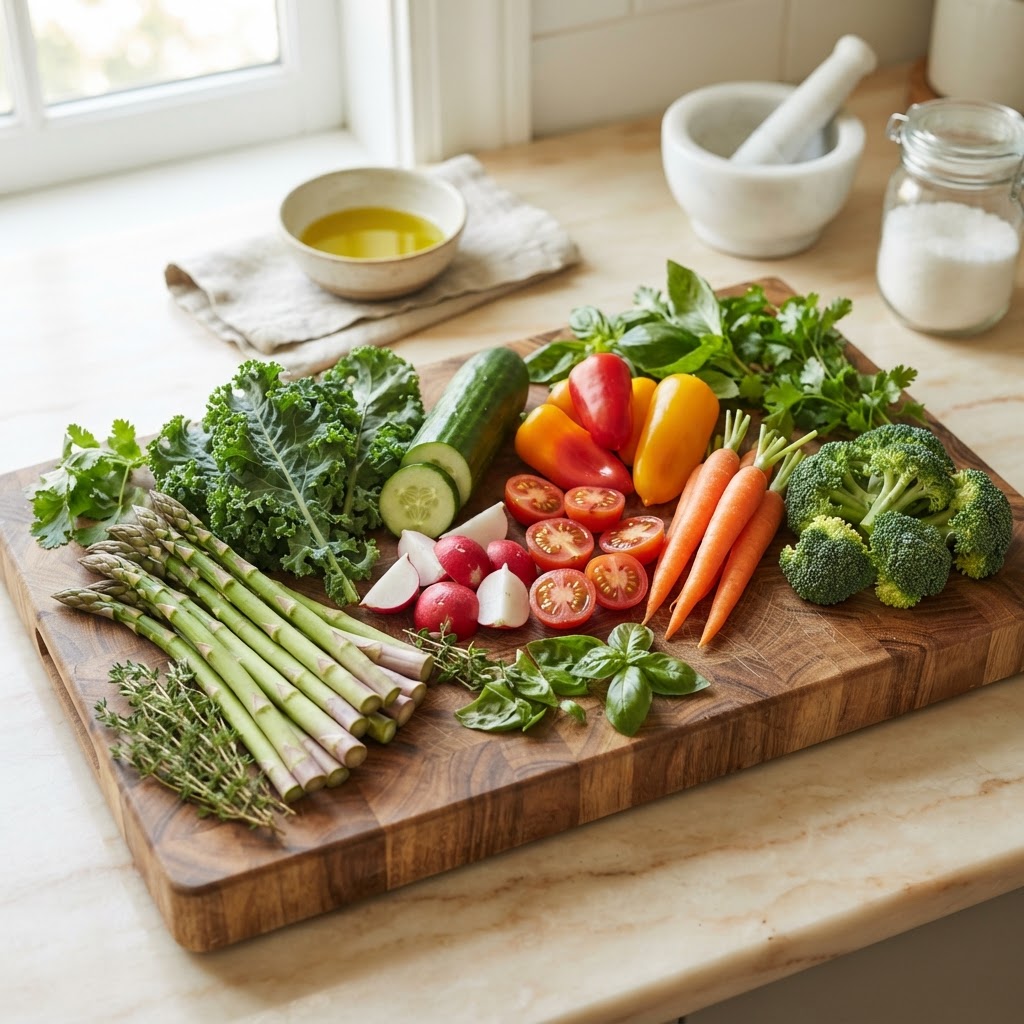
Vegetables are generally safe, with the exception of the specific high-histamine items mentioned earlier. You can enjoy a wide variety of leafy greens like kale, chard, and lettuce, as well as root vegetables such as carrots, sweet potatoes, and beets. Zucchini, cucumbers, and asparagus are also excellent staples. For fruits, focus on non-citrus options like apples, pears, blueberries, blackberries, and stone fruits like peaches and apricots. These are typically low in histamine and provide essential antioxidants to support your immune system. Healthy fats are also vital for healing; olive oil, coconut oil, and butter (if you tolerate dairy) are generally well-tolerated. For grains and starches, white rice, quinoa, millet, and potatoes are excellent, easy-to-digest foundations for your meals. By focusing on whole, unprocessed ingredients and treating your kitchen as a fresh-food hub, you can create delicious, satisfying meals that support your healing process without triggering a histamine reaction.
How to Identify Your Personal Histamine Triggers
Identifying personal histamine triggers is often described as an act of detective work. Because histamine intolerance is highly individual, what causes a severe reaction in one person may be perfectly tolerable for another. The most effective way to pinpoint your specific sensitivities is through a systematic elimination and reintroduction process, supported by careful tracking.
To begin, many experts suggest a strict two-week “low-histamine reset.” During this phase, you remove all high-histamine foods and known liberators from your diet. This helps clear the “histamine bucket”—a metaphor often used to describe the total accumulation of histamine in your system. Once your baseline symptoms decrease, you can begin reintroducing one food group at a time, spaced three days apart. This waiting period is crucial because reactions to histamine can sometimes be delayed by 24 to 48 hours.
Keeping a detailed food and symptom journal is essential. Beyond just recording what you eat, document the freshness of the ingredients, how the food was prepared, and any non-dietary factors like stress levels, exercise, or exposure to environmental allergens. Over time, patterns will emerge. You might find that you can tolerate a small amount of aged cheese, but only if it is consumed with fresh, non-histamine-liberating vegetables, or that specific red wines trigger instant facial flushing while others do not.
It is important to note that environmental factors can influence how you process food-based histamine. Factors like poor air quality, seasonal pollens, or even harsh household chemicals can stress your mast cells, effectively lowering your threshold for dietary histamine. By viewing your triggers as a cumulative load rather than an isolated list of “bad foods,” you can gain better control over your symptoms.
The Connection Between Gut Health and Histamine Issues
The gut is the epicenter of histamine management. Not only is the gut a major site for DAO (diamine oxidase) production, but it is also home to a vast population of bacteria that can either help or hinder your histamine levels. When the intestinal lining is compromised—a condition often referred to as “leaky gut” or increased intestinal permeability—the body’s ability to regulate histamine is significantly impaired.
Several gut-related conditions are frequently observed alongside histamine intolerance. Small Intestinal Bacterial Overgrowth (SIBO), for instance, can lead to an overproduction of histamine by certain bacterial strains within the small intestine. When bacteria overpopulate the small intestine, they may produce histamine as a byproduct of their metabolism, which is then absorbed directly into your bloodstream rather than being broken down by DAO in the gut lining.
Furthermore, gut inflammation itself can disrupt the production of DAO. Since DAO is produced in the microvilli of the small intestine, any condition that damages these structures—such as celiac disease, Crohn’s disease, or chronic dysbiosis—will naturally reduce your capacity to degrade ingested histamine. If your gut health is poor, you may find that you are reacting to foods that were previously safe.
To support your gut and, by extension, your histamine tolerance, focus on healing the mucosal barrier. This often involves reducing intake of inflammatory foods like refined sugars and processed oils, and incorporating gut-soothing nutrients. Working with a professional to address underlying infections like SIBO or imbalances in the microbiome is often a prerequisite for successfully managing histamine intolerance long-term.
Lifestyle Strategies to Lower Your Total Histamine Load
Managing histamine intolerance is not just about the food on your plate; it is about managing your total biological burden. Because mast cells respond to physical and emotional stress, lifestyle adjustments can be just as impactful as dietary changes. One primary strategy is to engage in consistent, low-to-moderate intensity movement. High-intensity exercise, while beneficial for many, can actually trigger mast cell degranulation in sensitive individuals, temporarily spiking histamine levels in the blood.
Stress management is another non-negotiable pillar of histamine control. When the body is in a chronic “fight or flight” state, it releases cortisol and other stress hormones that can influence mast cell activation. Practices like mindfulness meditation, deep-breathing exercises, or gentle yoga can help shift the nervous system into a parasympathetic state, which is more conducive to stability and lower systemic inflammation.
Sleep hygiene also plays a pivotal role. During deep sleep, the body undergoes essential repair processes. Poor sleep quality or chronic sleep deprivation is often linked to elevated inflammation and impaired immune function. By prioritizing seven to nine hours of quality, uninterrupted sleep, you allow your body the downtime it needs to clear out accumulated histamine and stabilize your mast cells.
Finally, consider your physical environment. Many household items, such as scented candles, synthetic detergents, and common indoor molds, can act as mast cell triggers. Minimizing exposure to these irritants can significantly lower your daily “histamine bucket,” leaving you with a greater buffer for the foods you choose to eat.
| Strategy | Focus | Best For |
|---|---|---|
| Systemic Journaling | Tracking intake vs. reaction | Identifying specific dietary triggers |
| Nervous System Regulation | Breathwork and meditation | Reducing mast cell degranulation |
| Targeted Nutrition | Low-histamine anti-inflammatory | Maintaining a low “histamine bucket” |
| Microbiome Support | Probiotics and gut healing | Long-term DAO enzyme restoration |
When to See a Doctor for Chronic Mast Cell Symptoms
While many people successfully manage mild histamine intolerance through lifestyle and diet, there are instances where professional medical oversight is essential. If you experience symptoms that are severe, persistent, or affect your ability to function, it is time to seek a formal consultation. You should consult a physician if you notice signs of anaphylaxis, which include difficulty breathing, swelling of the tongue or throat, dizziness, or a rapid, irregular heartbeat.
Persistent gastrointestinal distress—such as chronic diarrhea, severe cramping, or unexplained weight loss—warrants a thorough workup to rule out other conditions like inflammatory bowel disease (IBD) or celiac disease. These conditions often mimic histamine intolerance but require vastly different medical interventions.
Furthermore, if you find that your reaction to foods is becoming increasingly unpredictable or severe, it may be necessary to screen for Mast Cell Activation Syndrome (MCAS). Unlike simple histamine intolerance, which is often a deficiency of enzymes, MCAS involves the inappropriate and excessive activation of mast cells throughout the body. Diagnosing MCAS typically involves specific blood or urine tests that look for markers of mast cell mediators, such as tryptase, and requires a specialist, usually an immunologist or allergist.
Do not attempt to “self-diagnose” severe systemic issues. A medical professional can help distinguish between true food allergies (which involve IgE antibodies) and histamine intolerance or mast cell disorders. Getting an accurate diagnosis is the first step toward effective treatment, which may include antihistamines, mast cell stabilizers, or other targeted therapies.
Supplements and Tools That May Support DAO Activity
For many individuals, supplementing with exogenous DAO (diamine oxidase) enzymes can be a helpful tool, particularly when dining out or eating at social events where low-histamine options are limited. These supplements are designed to mimic the natural enzyme produced in your small intestine, helping to break down histamine from food before it reaches your bloodstream.
Beyond DAO, other supplements may help stabilize mast cells or address the root causes of histamine issues. Vitamin B6, for example, is a vital cofactor for the DAO enzyme; without adequate levels, your body may struggle to produce or utilize DAO effectively. Similarly, Vitamin C is known for its ability to help degrade histamine in the blood and may provide some protection against histamine-induced inflammation.
Quercetin, a flavonoid found in many fruits and vegetables, is frequently used as a natural mast cell stabilizer. It is thought to inhibit the release of histamine from mast cells, potentially preventing a reaction before it begins. Magnesium is another mineral often recommended, as it plays a key role in regulating nervous system function and supporting general immune health.
When selecting supplements, quality and purity are paramount. Many commercial supplements contain fillers, additives, or even ingredients that could be hidden histamine triggers. Always opt for third-party tested, hypoallergenic formulas. Furthermore, remember that supplements are intended to “supplement” your diet, not replace it. The long-term goal remains to restore your body’s internal capacity to manage histamine through diet, gut healing, and lifestyle regulation.
Frequently Asked Questions
Can I ever eat high-histamine foods again if I have an intolerance?
Many individuals find that once they address the underlying causes—such as gut dysbiosis, nutrient deficiencies, or chronic inflammation—their tolerance levels improve significantly. While you may never be able to eat a diet high in aged, fermented, and processed foods without any side effects, most people can eventually reach a point of “clinical tolerance” where small, occasional amounts of high-histamine foods do not trigger symptoms.
What is the difference between an allergy and histamine intolerance?
A true food allergy involves the immune system creating IgE antibodies to a specific protein in a food. This causes an immediate and potentially life-threatening immune response. Histamine intolerance, by contrast, is a metabolic issue where the body cannot process the histamine contained in food. It is more about a threshold of intake and enzyme deficiency rather than an immune-mediated allergic attack.
Do antihistamines cure histamine intolerance?
Antihistamines do not cure the underlying condition; they only mask the symptoms by blocking H1 or H2 receptors in your body. While they can be useful for managing acute flare-ups or providing temporary relief, they do not address the deficiency of DAO or the over-activation of mast cells. Over-reliance on antihistamines may also mask the symptoms of more serious health issues, which is why it is important to work with a doctor to find the root cause.
Why do I feel worse after starting a low-histamine diet?
Sometimes called a “healing crisis” or withdrawal, some people feel worse in the first few days of a low-histamine diet as the body adjusts to the change in intake. Additionally, if the diet is too restrictive, it may lead to nutrient deficiencies or unintentional changes in the gut microbiome. If you feel significantly worse, ensure you are eating a diverse range of fresh, nutrient-dense, low-histamine foods rather than just eliminating everything.
Are fermented foods always bad for histamine intolerance?
Yes, generally speaking, fermented foods are among the highest-histamine items available. During the fermentation process, bacteria break down amino acids into biogenic amines, including histamine. This applies to sauerkraut, kimchi, kombucha, soy sauce, and aged vinegars. If you are struggling with symptoms, these are typically the first foods to remove from your diet.
Can stress really trigger a physical histamine reaction?
Yes, stress is a potent trigger for mast cell activation. When you are under stress, your body releases hormones like adrenaline and cortisol, which can signal mast cells to degranulate and release stored histamine into the body. This is why many people find that their symptoms are worse during periods of high stress, even if their diet has remained consistent.
Conclusion
Navigating histamine intolerance is a multifaceted journey that requires patience, observation, and a commitment to understanding your body’s unique needs. By identifying your specific triggers, prioritizing gut health, and implementing lifestyle strategies that reduce your total histamine load, you can move from a state of constant symptom management to one of stability and health. Remember that you do not have to walk this path alone; partnering with a knowledgeable healthcare professional can provide the guidance needed to distinguish between temporary sensitivities and deeper health challenges. Take the first step today by starting your food and symptom journal, and listen closely to what your body is trying to tell you. With the right tools and a proactive approach, you can regain control of your wellness and enjoy a vibrant, symptom-free life.
By healthauthoritylife Editorial Team
This article is for informational purposes only and is not a substitute for professional medical advice. Always consult your doctor before making changes to your diet, exercise routine, or treatment plan.
Leave a Reply