- The gallbladder serves as a storage vessel for bile, which is essential for breaking down fats in the digestive tract.
- Recognizing early gallbladder symptoms is vital for preventing complications like acute inflammation or blocked bile ducts.
- Gallstones are the most common contributor to gallbladder pain causes, often exacerbated by high-fat diets and metabolic factors.
- Adopting a targeted gallbladder diet involves managing fat intake and prioritizing fiber to reduce strain on the digestive system.
- Proactive diagnosis through medical imaging and blood panels remains the most reliable way to initiate effective gallbladder issues treatment.
The gallbladder is a small, pear-shaped organ often ignored until it begins to cause significant physical distress. While many people go their entire lives without thinking twice about this digestive accessory, gallbladder issues can suddenly arise, transforming routine meals into sources of intense discomfort. From sharp, recurring pain to digestive sluggishness, the signs of gallbladder problems can be subtle at first, often masquerading as simple indigestion. Understanding how this organ functions, identifying the root causes of dysfunction, and learning how to improve gallbladder health through dietary management are essential steps for anyone looking to maintain long-term metabolic and digestive wellness. In this comprehensive guide, the healthauthoritylife Editorial Team explores the intricate relationship between your lifestyle, your diet, and the health of your gallbladder.
Understanding the Function of Your Gallbladder
The gallbladder acts as a critical storage unit within the complex ecosystem of your digestive tract. Located tucked neatly beneath the right lobe of the liver, its primary biological mission is to store and concentrate bile—a yellowish-green fluid produced by the liver. Bile is not a digestive enzyme in the traditional sense; rather, it functions like a biological detergent. When you consume a meal containing fats, the body sends a signal to the gallbladder to contract, squeezing concentrated bile into the small intestine, specifically the duodenum.
Once in the digestive tract, bile performs a process known as emulsification. It breaks down large fat globules into microscopic droplets, significantly increasing the surface area for enzymes like pancreatic lipase to complete the digestive process. Without this specialized fluid, your body would struggle to process dietary lipids, potentially leading to malabsorption of fat-soluble vitamins—specifically vitamins A, D, E, and K. This storage capacity is what makes the organ so convenient; it ensures that a sudden influx of dietary fat is met with a sufficient supply of concentrated bile, rather than relying solely on the constant, slow drip provided by the liver.
Beyond its storage utility, the gallbladder also helps regulate the concentration of bile through the absorption of water and electrolytes. Over time, bile can become overly saturated with cholesterol or bilirubin, a byproduct of broken-down red blood cells. When the balance of these substances is disrupted, the gallbladder may lose its efficiency. The architecture of the gallbladder is relatively simple—a muscular sac with a ductal system connecting it to the common bile duct—but its role is foundational to nutrient absorption. When this system experiences a blockage or inflammation, the ripple effects are felt throughout the entire digestive system. Understanding this mechanism is the first step toward appreciating how to improve gallbladder health; by maintaining a steady, healthy flow of bile through regular, balanced meals, you prevent the stagnation that often precedes the formation of stones or the development of chronic inflammation.
Common Symptoms of Gallbladder Dysfunction
Identifying gallbladder symptoms early is often the difference between a simple dietary adjustment and a more serious clinical intervention. The most hallmark sign of distress is biliary colic, a type of pain that typically manifests in the upper right quadrant of the abdomen, just below the rib cage. This pain is often described as intense, steady, and potentially radiating toward the right shoulder or the area between the shoulder blades. Many individuals report that these episodes of discomfort occur shortly after eating, particularly following a meal rich in saturated fats, which triggers the gallbladder to contract forcefully against a potential obstruction.
However, the signs of gallbladder problems are not always characterized by sharp, agonizing pain. Many people experience “silent” or non-specific symptoms that are frequently misattributed to general indigestion or acid reflux. These can include a persistent feeling of fullness or bloating, particularly after eating, as well as episodes of nausea or occasional vomiting. Because the gallbladder is central to fat digestion, dysfunction can lead to changes in stool consistency. Patients may notice pale or clay-colored stools, which occur when bile flow is obstructed, as it is bile that typically gives waste its brown pigmentation. Similarly, fat malabsorption can lead to steatorrhea, or stools that appear greasy, loose, and unusually foul-smelling.
Other systemic symptoms may suggest that an issue is progressing. If you notice a yellowish tint to the skin or the whites of your eyes—a condition known as jaundice—this is a significant medical red flag indicating that bile is backing up into the bloodstream rather than exiting through the digestive tract. Furthermore, unexplained fever or chills, accompanied by persistent abdominal tenderness, may suggest that the gallbladder has become infected or severely inflamed (cholecystitis). While everyone experiences an occasional “off” day with their digestion, recurring patterns—especially those that worsen after high-fat meals—should never be dismissed as mere stress or a sensitive stomach. Keeping a food and symptom diary can be an invaluable tool when consulting with a healthcare professional, as it allows for the identification of clear, actionable patterns that differentiate gallbladder distress from other gastrointestinal complaints like gastritis or irritable bowel syndrome.
What Causes Gallbladder Problems and Gallstones?
Gallbladder pain causes are diverse, but they almost always center on the disruption of the delicate chemical balance of bile. The most common culprit behind these issues is the formation of gallstones (cholelithiasis). Gallstones are hardened deposits of digestive fluid that form within the gallbladder. They can range in size from tiny, grain-like particles to large stones the size of a golf ball. These stones typically form in one of three ways: either the bile contains too much cholesterol, it contains too much bilirubin, or the gallbladder is not emptying correctly.
Cholesterol stones, which are the most frequent variety, develop when the liver secretes more cholesterol into the bile than can be dissolved. When this cholesterol precipitates out of the solution, it forms crystals that eventually coalesce into solid stones. Pigment stones, conversely, are typically dark brown or black and are formed when the bile contains an excess of bilirubin. These are often associated with underlying health conditions, such as liver disease or certain blood disorders that cause the body to break down red blood cells too rapidly. Finally, gallbladder sludge—a precursor to true stone formation—occurs when bile remains stagnant in the gallbladder for too long. When the gallbladder does not contract frequently enough to empty its contents, the bile thickens, allowing crystals and calcium salts to aggregate.
Beyond physical stones, other factors contribute to dysfunction. Cholecystitis, or inflammation of the gallbladder, often occurs when a stone becomes lodged in the cystic duct, blocking the exit. The trapped bile builds up, creating pressure and providing an ideal environment for bacteria to flourish. Lifestyle factors also play a massive role. Rapid weight loss is a well-documented trigger; when the body burns fat at a high rate, the liver releases extra cholesterol into the bile, and the lack of dietary fat intake means the gallbladder does not contract, leading to stone formation. Similarly, hormonal shifts—particularly surges in estrogen during pregnancy or through hormone replacement therapy—can increase cholesterol levels in bile and slow down the emptying of the gallbladder. By identifying these root causes, we can better appreciate why a holistic approach to gallbladder issues treatment is often required, addressing not just the symptoms, but the metabolic environment that allows these conditions to thrive.
| Management Approach | Primary Mechanism | Best For |
|---|---|---|
| Low-Fat Dietary Shifts | Reduces gallbladder contraction frequency | Managing mild, chronic discomfort |
| Hydration & Fiber Loading | Supports bile flow and prevents sludge | Long-term gallbladder maintenance |
| Medical Intervention (Surgical) | Physical removal of the diseased organ | Acute, severe, or recurrent gallstone attacks |
| Bile Acid Supplements | Assists in breaking down dietary fats | Those with confirmed bile insufficiency |
Risk Factors You Should Know About
While anyone can develop gallbladder issues, certain risk factors significantly increase the likelihood of experiencing gallstones symptoms or chronic gallbladder dysfunction. The most widely cited risk factor is biological sex; individuals assigned female at birth are statistically more likely to develop gallstones than their male counterparts. This is primarily attributed to the effects of estrogen, which has been shown to increase the cholesterol content of bile while simultaneously slowing down the motility of the gallbladder. This is why pregnancy, hormone replacement therapy, and the use of oral contraceptives are frequently flagged by medical experts as periods of increased susceptibility.
Age also plays a deterministic role, with the risk of gallbladder dysfunction increasing as people grow older. Over time, the cumulative effect of dietary choices and metabolic changes makes it harder for the gallbladder to maintain its optimal rhythm. Genetics also contribute to the “gallbladder-stone” profile. Research suggests that if close family members have experienced gallbladder issues, your own genetic predisposition may be higher. Ethnic background is another factor; individuals of certain descents, such as Native American or Hispanic, often show higher incidences of cholesterol gallstones due to genetic variations in how the liver processes bile.
Weight management is perhaps the most significant modifiable risk factor. Obesity is strongly linked to an increased risk of gallstones because it is often associated with higher cholesterol levels and a gallbladder that empties less efficiently. However, as previously mentioned, the *way* you lose weight is just as critical as the weight itself. Rapid weight loss programs or restrictive “crash” diets can induce sudden changes in bile composition, making the formation of stones almost inevitable in susceptible individuals. Other metabolic conditions, such as diabetes, are also associated with a higher risk of gallbladder problems. Diabetes often results in higher levels of triglycerides in the blood and can lead to nerve damage that affects the muscles of the gallbladder. Recognizing these risk factors does not mean that gallbladder issues are an inevitability, but it does mean that individuals with these traits should be more proactive about dietary vigilance and regular health screenings to improve gallbladder health before a chronic condition takes hold.
How to Diagnose Gallbladder Issues
When you present with gallbladder symptoms, the diagnostic process is structured to differentiate between simple dietary sensitivities and structural issues like stones, blockages, or infections. The first step is typically a thorough physical examination, where a professional will perform the Murphy’s sign test. During this, you are asked to inhale deeply while pressure is applied to the upper right abdomen; if the gallbladder is inflamed, the sudden intake of breath will be arrested due to sharp pain as the organ contacts the fingers. While this is a foundational clinical test, it is rarely enough on its own to confirm a diagnosis.
Blood tests are the next logical step. These panels are not designed to “see” stones, but rather to reveal the consequences of a dysfunctional gallbladder. Elevated levels of liver enzymes, such as alkaline phosphatase or bilirubin, can suggest that bile flow is obstructed. A high white blood cell count might indicate the presence of infection or inflammation within the gallbladder or the surrounding biliary system. These biomarkers provide critical context that helps narrow down whether the issue is primarily within the gallbladder itself or if it involves the liver or the pancreas.
Imaging remains the gold standard for visualizing the anatomy of the biliary tree. An abdominal ultrasound is usually the first line of defense; it is non-invasive, highly accurate at detecting the presence of gallstones, and carries no radiation exposure. The ultrasound can visualize the thickness of the gallbladder wall—a key indicator of chronic cholecystitis—and can detect the presence of sludge or dilated ducts. In more complex cases, where the ultrasound is inconclusive but the suspicion of disease remains high, a HIDA scan (cholescintigraphy) may be utilized. This nuclear medicine study involves the injection of a radioactive tracer that is taken up by the liver and excreted into the bile, allowing professionals to watch the real-time movement of bile through the system and verify whether the gallbladder is emptying at a normal rate. By combining physical assessment with targeted diagnostic imaging, you can move toward effective gallbladder issues treatment with confidence, ensuring that your management plan is based on an accurate understanding of your specific biliary architecture.
Foods to Eat for a Healthy Gallbladder
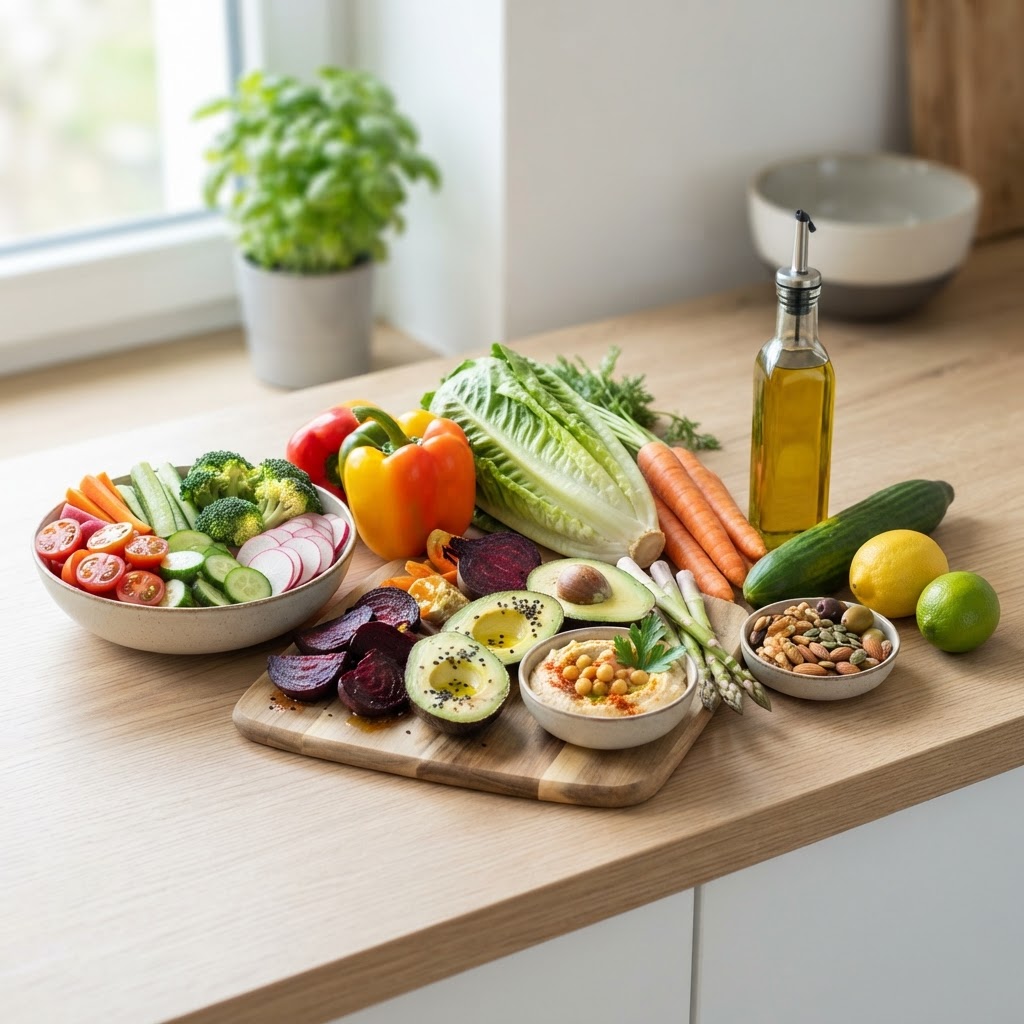
When managing gallbladder health, the primary goal is to reduce the workload of the organ, which is responsible for concentrating and storing bile used to break down fats. A gallbladder-friendly diet focuses on high-fiber, nutrient-dense foods that assist in smooth digestion and prevent the stagnation of bile, which is often a precursor to gallstone formation. By stabilizing blood sugar and minimizing the need for large bursts of bile, these dietary choices can significantly improve gallbladder function.
Fiber is perhaps the most critical nutrient for gallbladder wellness. Soluble fiber, found in abundance in oats, legumes, and certain fruits, helps bind to bile acids in the digestive tract and encourages their excretion. This process lowers the risk of cholesterol crystallization within the gallbladder. Vegetables such as carrots, beets, and dark leafy greens like kale and spinach provide essential antioxidants that help reduce systemic inflammation, which is frequently associated with gallbladder issues.
Healthy fats, while counterintuitive, are necessary in moderation. Choosing monounsaturated and omega-3 fatty acids over saturated and trans fats is vital. Sources like cold-water fish (salmon, sardines), flaxseeds, chia seeds, and avocados provide the body with essential fatty acids that support gallbladder motility without placing the same stress on the organ as processed or fried foods. Additionally, incorporating lean proteins such as chicken breast, turkey, and plant-based proteins like lentils can ensure muscle maintenance and satiety without triggering the intense gallbladder contractions required to digest heavy, fatty red meats.
Citrus fruits, specifically those rich in Vitamin C, such as oranges, lemons, and grapefruits, are highly recommended. Vitamin C is a water-soluble antioxidant that has been linked in various nutritional studies to a decreased risk of gallstones, as it helps convert cholesterol into bile acids. Incorporating these foods into a consistent, balanced meal plan helps maintain a steady flow of bile, reducing the likelihood of sludge or stone formation.
Foods and Ingredients to Avoid
To reduce the frequency and severity of gallbladder symptoms, one must identify and eliminate “trigger foods.” The most significant culprits are foods high in saturated fats, trans fats, and refined sugars. These ingredients force the gallbladder to work overtime, often leading to the intense, spasmodic pain associated with gallbladder attacks.
Fried foods are arguably the most dangerous category for those with gallbladder sensitivity. The high fat content in deep-fried items like french fries, onion rings, and fried chicken necessitates a large release of bile. If the gallbladder is already inflamed or obstructed by sludge, this demand can cause immediate, sharp pain. Similarly, processed meats such as sausages, bacon, salami, and hot dogs contain high levels of sodium and hidden saturated fats that contribute to overall digestive sluggishness.
Refined carbohydrates and added sugars—found in pastries, cookies, white bread, and sugary sodas—are also linked to gallbladder health complications. High intake of refined sugar causes rapid spikes in insulin and blood glucose levels, which has been shown to potentially increase the concentration of cholesterol in the bile. Over time, this imbalance contributes to the formation of cholesterol-based stones.
Dairy products that are high in fat, such as heavy cream, full-fat cheeses, and ice cream, are notoriously difficult for a compromised gallbladder to process. Even moderate intake can lead to bloating, nausea, and discomfort. Furthermore, hydrogenated oils and “partially hydrogenated” vegetable oils found in many boxed snacks should be strictly avoided, as these fats are chemically altered and particularly difficult for the liver and gallbladder to process effectively.
| Food Category | Best For | Why Avoid/Include |
|---|---|---|
| Leafy Greens | Reducing Inflammation | High in antioxidants and fiber, aiding bile flow. |
| Deep Fried Foods | NONE | Causes massive bile release; triggers gallbladder pain. |
| Cold-Water Fish | Omega-3 intake | Anti-inflammatory fats that replace saturated fats. |
| Refined Sugar | NONE | Increases cholesterol levels in bile, encouraging stones. |
| Legumes/Beans | Fiber maintenance | Helps bind bile acids and promotes healthy digestion. |
| Processed Meats | NONE | High sodium and saturated fat content stresses the organ. |
Natural Lifestyle Strategies for Gallbladder Health
Beyond dietary interventions, lifestyle modifications play a pivotal role in maintaining long-term gallbladder health. The gallbladder does not operate in isolation; its function is tied to weight management, physical activity, and stress levels. Weight fluctuations, particularly rapid weight loss or yo-yo dieting, are well-documented risk factors for the development of gallstones. When you lose weight too quickly, the liver secretes extra cholesterol into the bile, and the gallbladder may not empty properly, creating the perfect environment for stone formation.
Physical activity is a highly effective way to improve gallbladder function. Regular aerobic exercise, such as walking, swimming, or cycling, helps maintain a healthy weight and improves the body’s lipid profile. Studies suggest that active individuals generally have lower risks of developing gallstones, as physical movement promotes proper digestion and aids in the regulation of hormones that influence bile production. Aiming for at least 150 minutes of moderate-intensity exercise per week can significantly improve metabolic health, which in turn reduces the burden on the biliary system.
Hydration is another pillar of natural gallbladder support. Water is the primary component of bile. When you are dehydrated, bile becomes more concentrated and viscous, increasing the likelihood that it will become trapped or form sludge. Drinking adequate water throughout the day ensures that bile remains thin and flows smoothly through the gallbladder ducts. Herbal teas, such as peppermint or dandelion root tea, are also popular natural additions that may support bile flow, though they should be discussed with a healthcare provider if you have known blockages.
Stress management is often overlooked in digestive health. Chronic stress increases cortisol levels, which can affect gut motility and digestive secretions. Incorporating mindfulness practices like yoga, deep breathing exercises, or meditation can help calm the nervous system, potentially easing the digestive discomfort often associated with gallbladder conditions. Finally, maintaining a regular meal schedule—rather than skipping meals—is essential. The gallbladder empties on a schedule based on food intake; skipping meals can cause bile to stagnate for extended periods, significantly increasing the risk of stone formation.
When to See a Doctor About Gallbladder Pain
Recognizing the difference between mild indigestion and a serious gallbladder crisis is essential for timely treatment. While occasional bloating or gas might be managed with diet, there are specific symptoms that warrant immediate medical attention. If you experience persistent or severe pain in the upper right quadrant of your abdomen, you should consult a healthcare provider.
One of the most alarming signs is pain that radiates to the shoulder or back, especially if it lasts for several hours. This is a hallmark symptom of a gallbladder attack. Additionally, if the pain is accompanied by nausea and vomiting, it may indicate that a stone is obstructing the biliary duct. This condition requires clinical intervention to prevent serious complications like cholecystitis (gallbladder inflammation) or pancreatitis.
You should seek emergency medical care if you notice the following “red flag” symptoms:
- Jaundice: A yellowing of the skin or the whites of the eyes, which indicates that bile flow is blocked and potentially leaking into the bloodstream.
- High Fever and Chills: This can be a sign of a severe infection within the gallbladder or bile ducts, requiring antibiotics and professional treatment.
- Stools that are light or clay-colored, or urine that is unusually dark: These are signs of a biliary obstruction preventing normal waste excretion.
- Persistent abdominal pain that prevents you from finding a comfortable position or that makes it impossible to tolerate food.
Even if the pain subsides, if you have experienced an episode of intense, localized abdominal pain, you should schedule a visit with your primary care physician or a gastroenterologist for an ultrasound or diagnostic imaging. Catching gallbladder issues before they result in acute infection or permanent damage to the bile ducts can lead to much better outcomes and potentially allow for non-surgical management options.
Surgical vs Non-Surgical Treatment Options
When gallbladder issues are confirmed—whether through ultrasound, CT scan, or blood work—treatment options generally fall into two categories: conservative, non-surgical approaches and surgical removal (cholecystectomy). The choice depends entirely on the severity of the symptoms, the presence of active stones, and the frequency of attacks.
For patients who experience mild or infrequent symptoms, conservative management is often the first line of defense. This involves rigorous dietary changes, as discussed previously, focusing on low-fat, high-fiber intake. Some practitioners may suggest oral medications, such as ursodeoxycholic acid, which can slowly dissolve certain types of cholesterol stones over months or years. However, this method is typically reserved for those who are poor surgical candidates and has a high rate of recurrence, as the underlying condition that created the stones is not removed.
Surgical intervention, particularly laparoscopic cholecystectomy, is considered the “gold standard” for treating symptomatic gallstones or chronic cholecystitis. In this minimally invasive procedure, the gallbladder is removed through several small incisions in the abdomen. Most patients recover quickly and can live a completely normal life without a gallbladder. The liver continues to produce bile, which simply flows directly into the small intestine rather than being stored in the gallbladder. While some people may experience a temporary period of loose stools after surgery, the body typically adapts within a few months.
Open surgery is much less common today and is usually reserved for complex cases where there is significant scarring or anatomical issues that make the laparoscopic approach unsafe. Regardless of the chosen path, the goal is to resolve the blockage and prevent future complications, such as gallbladder rupture or severe inflammation. It is important to discuss all options with a surgeon to weigh the risks of living with a diseased gallbladder versus the implications of the surgery itself.
Frequently Asked Questions
Can I live a normal life without a gallbladder?
Yes, many people lead full, healthy lives without a gallbladder. Because the gallbladder’s role is merely to store bile produced by the liver, its removal does not stop bile production. After the organ is removed, bile drips continuously into your digestive tract. While some people may need to adjust their diet to include smaller, more frequent meals or reduce high-fat intake during the initial recovery phase, the vast majority of individuals do not experience long-term dietary restrictions.
Are gallbladder attacks always caused by gallstones?
While gallstones are the most common cause of gallbladder pain, they are not the only cause. Other issues include biliary sludge (a mixture of microscopic particles that can block the ducts), gallbladder polyps, or biliary dyskinesia—a condition where the gallbladder does not contract or empty correctly despite the absence of stones. Inflammation of the gallbladder wall, known as cholecystitis, can also occur independently of stones.
Can drinking lemon water dissolve gallstones?
There is no credible scientific evidence to suggest that drinking lemon water or any other “gallbladder flush” concoction can dissolve or pass established gallstones. Gallstones are often composed of hardened cholesterol or pigment. While staying hydrated with water and lemon can support general digestive health and potentially prevent new stones from forming by keeping bile thin, it is not a cure for existing stones. Relying on such home remedies instead of professional treatment can lead to dangerous complications like duct blockage.
How does rapid weight loss trigger gallbladder problems?
Rapid weight loss, especially when achieved through restrictive “crash” diets, causes the liver to release extra cholesterol into the bile. Simultaneously, the gallbladder does not receive the hormonal signals to empty frequently, as it would with regular food intake. This combination—saturated bile and a stagnant gallbladder—allows cholesterol to crystallize and form stones very quickly. A sustainable, gradual weight loss plan is significantly safer for gallbladder health.
Does coffee help with gallbladder health?
Some observational studies have suggested an association between regular coffee consumption and a reduced risk of developing gallstones. Caffeine is thought to stimulate gallbladder contractions and decrease the cholesterol concentration in bile. While this is an interesting correlation, it is not a treatment for existing stones, and individuals with sensitive stomachs or acid reflux may find that coffee exacerbates their digestive symptoms.
How long does it take to recover from gallbladder surgery?
Recovery time depends on the surgical method used. For a standard laparoscopic cholecystectomy, most patients are able to return to light activity within a few days and resume their normal routine within two weeks. Open surgery, which is rare, requires a longer recovery period, often several weeks, due to the larger incision in the abdominal wall. Always follow your surgeon’s specific post-operative guidance regarding physical activity and dietary transitions.
Conclusion
Gallbladder health is a vital yet often overlooked component of your digestive well-being. By recognizing the subtle signs of gallbladder issues early, you can take proactive steps to prevent chronic pain and more serious complications. Whether through dietary vigilance—prioritizing fiber, healthy fats, and consistent hydration—or through medical intervention when necessary, it is entirely possible to manage these challenges effectively. Understanding that your gallbladder relies on regular, balanced input allows you to make informed decisions that protect your long-term comfort. If you suspect your symptoms are related to your gallbladder, do not wait for the pain to become unbearable; early consultation with a professional is the surest way to regain your quality of life. Take charge of your digestive health today by auditing your pantry, staying active, and prioritizing the professional care you deserve.
By healthauthoritylife Editorial Team
This article is for informational purposes only and is not a substitute for professional medical advice. Always consult your doctor before making changes to your diet, exercise routine, or treatment plan.
Leave a Reply