🏷️ Category: Mental Health
HealthAuthorityLife Editorial Team | August 31, 2026
Medical Disclaimer: This article is for informational purposes only and does not constitute medical advice, diagnosis, or treatment. Anxiety can be a serious health condition. Talk with a qualified healthcare professional about persistent, severe, or worsening symptoms. If you may hurt yourself or someone else, call emergency services. In the United States, call or text 988 for the Suicide & Crisis Lifeline.
Key Takeaways
- Anxiety is a normal alarm response, but it may be an anxiety disorder when fear or worry is persistent, difficult to control, and interferes with daily life.
- Symptoms can affect thoughts, emotions, behavior, sleep, digestion, breathing, muscles, and heart rate.
- Helpful treatments include psychotherapy, lifestyle support, medication when appropriate, or a combination chosen with a clinician.
- Slow breathing, regular movement, consistent sleep, reducing excess caffeine, and gradual exposure to avoided situations can support recovery.
- Do not self-diagnose from an online checklist: medical conditions, medications, substances, and other mental-health conditions can look similar.
- Urgent help is appropriate for chest pain, severe breathing difficulty, confusion, fainting, an immediate safety risk, or thoughts of suicide.
What Is Anxiety?
Anxiety is the mind and body’s response to perceived danger, uncertainty, or threat. It can prepare you to act by increasing alertness, tightening muscles, and redirecting attention toward possible problems. Feeling nervous before an exam, medical appointment, presentation, flight, or difficult conversation is common. In many situations, anxiety fades after the event or once the uncertainty is resolved.
Anxiety becomes more concerning when the alarm system activates frequently, stays switched on after the threat has passed, or begins to control a person’s choices. Someone may spend hours anticipating bad outcomes, avoid ordinary activities, seek repeated reassurance, or struggle to sleep and concentrate. The issue is not that the person is weak or “overthinking.” Anxiety involves interacting biological, psychological, social, and environmental factors, and it is treatable.
There is no single anxiety experience. Some people feel a constant background of worry. Others notice sudden surges of fear, intense concern about social judgment, unwanted thoughts, or fear linked to a particular object or situation. A clinician looks at the pattern, duration, triggers, impairment, and possible physical causes before recommending treatment.
Common Anxiety Symptoms
Emotional and cognitive symptoms
- Persistent worry that feels difficult to stop
- Feeling on edge, restless, or unable to relax
- Irritability or a shortened temper
- Difficulty concentrating because attention keeps returning to threats
- Expecting the worst even when evidence is limited
- Feeling detached, unreal, or overwhelmed during intense anxiety
- Repeatedly checking, seeking reassurance, or mentally reviewing conversations
Worry is usually future-focused: “What if something goes wrong?” Anxiety can also create a strong urge to obtain certainty. Because absolute certainty is rarely possible, reassurance may provide temporary relief while strengthening the cycle over time. Effective treatment often helps people tolerate manageable uncertainty rather than trying to eliminate every uncomfortable thought.
Physical symptoms
- Racing or pounding heartbeat
- Fast or shallow breathing
- Chest tightness or a feeling of being unable to get a satisfying breath
- Sweating, trembling, dizziness, or lightheadedness
- Muscle tension, jaw clenching, headaches, or back pain
- Nausea, stomach discomfort, diarrhea, or appetite changes
- Fatigue, trouble sleeping, or waking during the night
- Tingling, hot flashes, chills, or a feeling of weakness
These symptoms are produced by the body’s stress response and can feel frightening. They are not automatically proof that anxiety is the cause. New, severe, unusual, or persistent physical symptoms deserve medical evaluation, especially chest pain, fainting, severe shortness of breath, or symptoms that occur with exertion.
When Does Anxiety Become an Anxiety Disorder?
Clinicians generally consider whether anxiety is excessive relative to the situation, persistent, difficult to control, and impairing. “Impairing” can mean missing work or school, avoiding relationships, losing sleep, struggling with self-care, or spending substantial time managing fear. A person does not need to have every symptom on an internet list to deserve help.
Diagnostic criteria are tools for trained professionals, not labels to apply independently. A primary-care clinician may ask about physical health, sleep, substances, medications, mood, trauma, and daily functioning. A mental-health professional may explore thought patterns, avoidance, panic, compulsions, and the situations in which symptoms appear.
| Pattern | Typical focus | When to seek help |
|---|---|---|
| Everyday stress | A specific challenge with recovery afterward | If coping is not working or stress keeps accumulating |
| Persistent worry | Multiple areas of life and difficulty controlling worry | When worry disrupts sleep, work, relationships, or health |
| Panic-like episodes | Sudden intense fear and physical alarm symptoms | After a first episode or when fear of recurrence changes behavior |
| Avoidance | Situations, places, sensations, or social contact | When avoidance limits ordinary activities or goals |
Types of Anxiety Conditions
Generalized anxiety disorder
Generalized anxiety disorder involves excessive worry about several areas of life, such as work, health, finances, family, or everyday responsibilities. The worry is often accompanied by restlessness, fatigue, tension, irritability, concentration problems, or sleep disruption. A clinician considers how long the pattern has been present and how much it interferes with functioning.
Panic disorder
Panic attacks are sudden periods of intense fear or discomfort that may include a racing heart, sweating, trembling, dizziness, nausea, or fear of losing control. A panic attack can occur with or without panic disorder. Panic disorder involves recurrent unexpected attacks and ongoing concern or behavior changes related to them. Medical evaluation is important because some physical conditions can produce similar symptoms.
Social anxiety disorder
Social anxiety disorder involves intense fear of being judged, embarrassed, rejected, or negatively evaluated in social or performance situations. People may avoid conversations, meetings, eating in front of others, dating, public speaking, or asking for help. It is more than ordinary shyness, and structured therapy can help people regain activities they have been avoiding.
Phobias
A specific phobia is a strong, persistent fear of a particular object or situation, such as heights, needles, animals, enclosed spaces, or flying. The fear can lead to significant avoidance. Carefully designed exposure therapy is commonly used; it is not the same as forcing someone into a frightening situation without support.
Agoraphobia
Agoraphobia involves fear or avoidance of situations where escape or help might feel difficult, such as public transportation, crowds, open spaces, enclosed spaces, or being outside alone. Some people develop it after panic-like experiences. Treatment often combines education, cognitive-behavioral strategies, and gradual supported exposure.
Obsessive-compulsive disorder and trauma-related conditions
Obsessions, compulsions, intrusive thoughts, flashbacks, and trauma reminders can involve anxiety, but they have distinct clinical features and treatments. Repetitive behaviors do not always indicate OCD, and not every intrusive thought represents a person’s intentions or character. A clinician can distinguish these patterns and recommend appropriate care.
What Can Cause or Worsen Anxiety?
Anxiety rarely has one simple cause. Genetics can influence vulnerability, while brain chemistry, temperament, learned associations, stressful experiences, sleep disruption, chronic pain, and social conditions may all contribute. Financial insecurity, discrimination, caregiving demands, conflict, illness, isolation, and major transitions can keep the nervous system under pressure.
Caffeine, nicotine, cannabis, alcohol, stimulants, decongestants, thyroid medicines, corticosteroids, and some other substances can change heart rate, sleep, or arousal. Alcohol may briefly dull anxious feelings but can worsen sleep and rebound anxiety as it leaves the body. Do not abruptly stop prescribed medication or heavy alcohol use without medical guidance.
Medical conditions that can resemble or intensify anxiety include thyroid disorders, heart rhythm problems, respiratory disease, anemia, low blood sugar, hormonal changes, medication effects, and some neurological conditions. This does not mean anxiety symptoms are “all in your head.” It means a careful assessment protects you from missing a treatable physical contributor.
How Anxiety Is Evaluated
A good evaluation is a conversation, not just a score on a questionnaire. Bring a short record of symptoms: when they began, how often they occur, triggers, sleep, caffeine or substance use, medications and supplements, menstrual or hormonal changes if relevant, and what you avoid because of anxiety. Note whether symptoms happen at rest or with exertion and whether they are new or changing.
Primary care may perform a physical examination and order tests when the history suggests a medical cause. Mental-health professionals may use validated screening tools to support—not replace—their assessment. Be honest about panic, alcohol or drug use, trauma, depression, self-harm thoughts, and functional impairment. These details help determine the safest treatment plan.
Evidence-Based Treatment Options
Psychotherapy
Cognitive-behavioral therapy, often called CBT, is a well-studied treatment for several anxiety conditions. It can help a person identify unhelpful interpretations, test predictions, reduce avoidance, practice skills, and approach feared situations gradually. CBT is not forced positive thinking. It is a structured way to examine patterns and build more flexible responses.
Exposure-based approaches are especially important for phobias, panic, social anxiety, and some obsessive-compulsive symptoms. Exposure is planned collaboratively, starts at a manageable level, and is repeated so the person can learn that anxiety can rise and fall without relying on avoidance or safety behaviors. Other therapies, including acceptance and commitment therapy, mindfulness-based approaches, interpersonal therapy, and trauma-focused treatments, may also be appropriate depending on the person and condition.
Medication
Medication decisions should be individualized with a qualified prescriber. Selective serotonin reuptake inhibitors and serotonin-norepinephrine reuptake inhibitors are commonly used for several anxiety disorders. They may take time to work and can cause side effects, so follow-up matters. Some people use other medicines depending on symptoms, medical history, interactions, pregnancy considerations, and treatment goals.
Benzodiazepines can reduce acute anxiety quickly but carry risks including sedation, impaired coordination, tolerance, dependence, and withdrawal. They are not appropriate for everyone and should never be started, increased, or stopped without a prescriber. Avoid combining sedating medicines with alcohol or other substances unless a clinician specifically advises it.
Combined treatment and follow-up
Some people benefit from therapy, medication, or both. Treatment is not a contest between “natural” and “medical” approaches. The right plan balances effectiveness, safety, preference, access, cost, and coexisting conditions. If the first treatment is not helpful, tell the clinician. Adjusting the dose, changing the therapy approach, switching medicines, checking the diagnosis, or addressing sleep and substance use may improve results.
Practical Strategies That Can Support Recovery
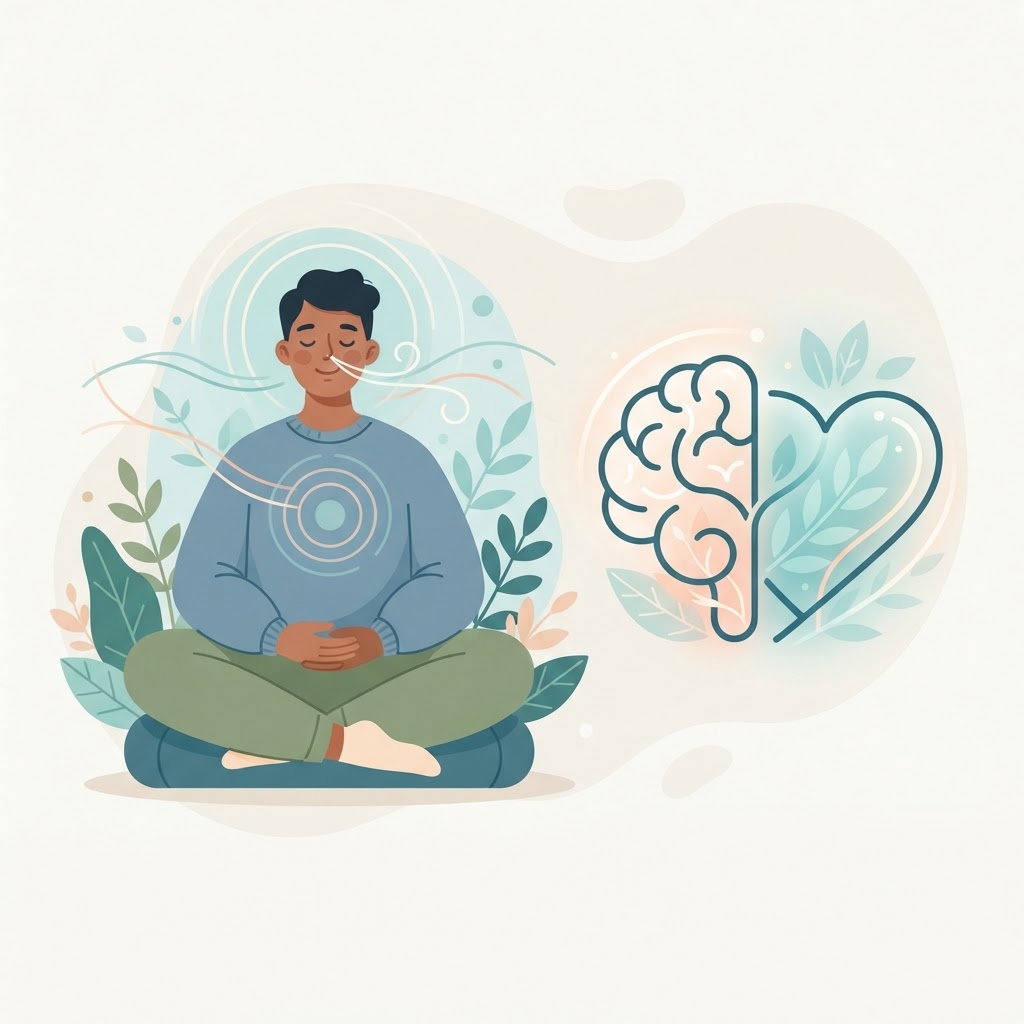
Practice slow breathing
When anxious, people often breathe quickly or shallowly, which can increase lightheadedness and sensations of panic. Try breathing gently rather than forcefully: relax your shoulders, inhale comfortably, and make the exhale a little longer than the inhale. Continue for one to three minutes. Stop if you feel worse, and seek medical advice for unexplained breathing symptoms.
Move regularly
Walking, cycling, swimming, strength training, yoga, and other enjoyable movement can support mood, sleep, and stress regulation. Start with a realistic amount, especially if you have been inactive. A short walk is still useful. Exercise is supportive care, not a replacement for evaluation or treatment when anxiety is severe.
Protect sleep
Keep a consistent wake time, dim bright screens before bed, use the bedroom mainly for sleep, and avoid using alcohol as a sleep aid. If worry starts at bedtime, write down concerns and one next step earlier in the evening. Persistent insomnia, loud snoring, gasping, or extreme daytime sleepiness deserves medical attention because sleep disorders can worsen anxiety.
Review caffeine and other stimulants
Caffeine can increase jitteriness, palpitations, and sleep problems in sensitive people. Track when you consume coffee, tea, energy drinks, pre-workout products, and certain medications. If you reduce caffeine, tapering may be more comfortable than stopping suddenly. Discuss nicotine, cannabis, alcohol, or stimulant use without judgment with a healthcare professional.
Challenge avoidance gradually
Avoidance reduces fear for a moment but can teach the brain that the situation was dangerous. With professional guidance, create a ladder from easier to harder steps. For social anxiety, that might progress from sending a message to making a short phone call to attending a small gathering. Repeat each step until it becomes more familiar, then move up. Do not use this approach to ignore genuine danger.
Build predictable routines
Regular meals, movement, medication timing, sleep, sunlight exposure, and social contact can reduce the chaos that feeds anxiety. Keep goals small enough to repeat. A routine should support life, not become another perfection rule.
Limit reassurance loops and doomscrolling
Repeated symptom searches, checking, news scrolling, and asking others for certainty can temporarily calm anxiety while reinforcing it later. Set specific times for checking reliable information, then return to an activity. If health anxiety is prominent, discuss the checking cycle with a therapist rather than trying to solve it through endless online research.
Food, Supplements, and Anxiety
No single food cures an anxiety disorder. A balanced eating pattern with adequate protein, fiber, fruits, vegetables, whole grains, and fluids supports general health and steadier energy. Skipping meals can produce sensations that resemble anxiety, such as shakiness or irritability, especially for people with certain medical conditions.
Supplements deserve caution. Evidence for products marketed for anxiety is mixed, and “natural” does not mean risk-free. Herbal products can interact with prescriptions, affect the liver, change bleeding risk, or be contaminated. St. John’s wort, for example, interacts with many medicines. Talk with a pharmacist or clinician before starting a supplement, particularly during pregnancy, breastfeeding, surgery planning, or treatment for another condition.
Anxiety in Children, Teens, and Older Adults
Children may show anxiety through stomachaches, headaches, irritability, clinginess, school refusal, nightmares, perfectionism, or repeated questions rather than saying “I feel anxious.” Teens may withdraw, avoid activities, have sleep changes, or use substances to cope. Listen calmly, avoid dismissing fears, and contact a pediatrician or qualified mental-health professional when symptoms persist or interfere with school, friendships, or family life.
Older adults may experience anxiety alongside medical illness, pain, medication changes, grief, isolation, hearing loss, or sleep problems. New anxiety later in life deserves a medical review rather than being assumed to be “just aging.” Treatment should account for fall risk, interactions, cognition, and other health conditions.
Anxiety and Depression
Anxiety and depression often occur together. Depression may involve persistent sadness, loss of interest, guilt, hopelessness, low energy, changes in sleep or appetite, or difficulty functioning. Anxiety can make depression feel more agitated, while depression can reduce the energy needed to face feared situations. Tell a clinician about both sets of symptoms because treatment planning may change.
If you have thoughts of suicide, feel unable to stay safe, or have a plan or intent, seek immediate help. In the United States, call or text 988; elsewhere, contact your local crisis service or emergency number. If possible, stay with someone trustworthy and reduce access to means of harm while help is being arranged.
Frequently Asked Questions
Can anxiety go away on its own?
Temporary anxiety often settles when a stressor passes. Persistent or impairing anxiety may continue without support, especially when avoidance, sleep loss, or substance use maintains the cycle. Early help can make recovery easier, and seeking care does not mean symptoms are permanent.
What is the fastest way to calm anxiety?
For a brief surge, move to a safer, quieter setting, relax tight muscles, breathe gently with a slightly longer exhale, name a few things you can see and feel, and contact someone supportive. If symptoms are new, severe, or medically concerning, do not assume they are anxiety—seek urgent care.
Can anxiety cause chest pain?
Anxiety and panic can cause chest tightness or discomfort, but chest pain has many possible causes. Call emergency services for severe or new chest pain, pressure, fainting, difficulty breathing, sweating, or pain spreading to the arm, jaw, back, or neck. It is safer to be evaluated than to self-diagnose.
Is anxiety a chemical imbalance?
Anxiety is not explained by one simple chemical imbalance. Biology matters, but anxiety also reflects learning, stress, sleep, health, relationships, environment, and behavior. A complete explanation supports more complete treatment.
Should I avoid everything that makes me anxious?
Avoiding genuine danger is sensible. Avoiding ordinary, safe situations can make anxiety stronger over time. A therapist can help distinguish safety from anxiety-driven avoidance and plan gradual steps.
Can exercise replace therapy or medication?
Exercise can support anxiety recovery and overall health, but it may not be enough for moderate or severe symptoms, panic disorder, trauma-related symptoms, or major impairment. Use it as one part of a plan and discuss other options with a clinician.
How long does anxiety treatment take?
There is no single timeline. Some people notice early changes after learning skills; others need months of therapy, medication adjustments, or treatment for contributing conditions. Consistency, follow-up, and an accurate diagnosis matter more than a fixed deadline.
Can I be anxious and still be healthy?
Yes. Anxiety is a common human emotion and does not define your character or overall health. The important question is whether it is proportionate, manageable, and compatible with the life you want. Support is appropriate whenever anxiety is causing distress or limiting you.
When to Get Professional Help
Make an appointment if anxiety lasts for weeks, keeps returning, disrupts sleep, affects work or school, causes significant avoidance, leads to substance use, or makes relationships difficult. Seek prompt care for rapidly worsening symptoms, severe panic, inability to eat or sleep, or concerns about medication or withdrawal.
Bring your symptom notes and a list of medicines, supplements, caffeine, nicotine, alcohol, and other substances. Ask what the likely diagnosis is, which treatments are recommended, how long they may take, what side effects to watch for, and when follow-up should happen. You are allowed to ask questions and seek a second opinion.
The Bottom Line
Anxiety is common, real, and treatable. It can show up as worry, avoidance, panic, tension, poor sleep, digestive symptoms, or an exhausted nervous system. The safest approach is not to label every uncomfortable sensation as anxiety, but also not to dismiss persistent symptoms as a personal failure. A healthcare professional can check for physical contributors, clarify the pattern, and help you choose evidence-based treatment.
Start with one manageable step: schedule an appointment, tell someone you trust, take a short walk, reduce a stimulant, establish a steadier sleep routine, or practice a gentle breathing exercise. Recovery is usually built through repeated small actions and appropriate support—not through forcing yourself to feel calm all the time.
HealthAuthorityLife Editorial Team. Reviewed for general health education on August 31, 2026. Medical guidance changes; consult a qualified healthcare professional for advice specific to you.
A Simple Seven-Day Starting Plan
If anxiety has been taking up more space than you want, a short starting plan can make the next step less abstract. This is not a cure or a substitute for care. It is a way to observe patterns and practice supportive habits without demanding perfection.
| Day | Small action | What to notice |
|---|---|---|
| 1 | Write down symptoms, triggers, sleep, and caffeine | Patterns rather than judgments |
| 2 | Take a comfortable ten-minute walk | Mood and body sensations before and after |
| 3 | Practice gentle breathing for two minutes | Whether the exhale feels comfortable |
| 4 | Choose one avoided but safe, manageable task | Anxiety before, during, and after |
| 5 | Contact a healthcare professional or trusted person | What support would make care easier |
| 6 | Set a consistent wake time | Energy and sleep pressure |
| 7 | Review the week and choose two habits to continue | What was realistic and useful |
Keep the plan flexible. A difficult day is information, not failure. If an exercise increases fear, dizziness, compulsive checking, or physical symptoms, pause and discuss it with a professional. People with heart, lung, neurological, or other medical conditions should ask their clinician how to approach exercise and breathing practices safely.
How to Talk About Anxiety With Someone You Trust
Many people delay help because they worry they will burden others or be misunderstood. A direct, specific conversation can be easier than explaining everything at once. You might say, “I have been dealing with persistent worry and it is affecting my sleep. I do not need you to solve it, but I would appreciate help finding an appointment.” You can also explain what is not helpful, such as being told to simply relax or being given alarming stories from the internet.
If someone tells you they are anxious, listen without minimizing the experience. Ask whether they want practical help, company, or simply a chance to talk. Encourage professional support when symptoms are persistent or impairing. If they mention suicide, self-harm, or an inability to stay safe, take it seriously, stay with them if possible, and contact emergency or crisis services rather than promising secrecy.
Questions to Ask at an Appointment
- Could a medical condition, medication, supplement, or substance be contributing to these symptoms?
- What anxiety pattern or diagnosis are you considering, and what else should be ruled out?
- Which therapy approaches have the strongest evidence for my symptoms?
- If medication is suggested, what benefits, side effects, interactions, and follow-up should I expect?
- What should I do if symptoms suddenly worsen or I cannot sleep?
- Are there local, telehealth, group, or lower-cost treatment options?
- How will we measure progress beyond simply “feeling calm”?
Good care is collaborative. You can discuss your preferences, cultural background, schedule, finances, previous treatment, and concerns about medication. If a plan is not helping, report that clearly and ask what should change. Finding an effective approach can take adjustment, but you do not have to navigate that process alone.
Sources and Further Reading
For reliable general information, consider resources from the National Institute of Mental Health, the National Alliance on Mental Illness, the American Psychological Association, the World Health Organization, and your country’s public-health service. These organizations provide educational material and pathways to care. Online information should complement—not replace—a conversation with a qualified professional who knows your history.
Be cautious with pages promising instant cures, guaranteed results, secret protocols, or expensive products presented as replacements for treatment. Anxiety can make certainty feel especially appealing, but responsible health information acknowledges limits, uncertainty, and individual differences.
A Simple Seven-Day Starting Plan
If anxiety has been taking up more space than you want, a short starting plan can make the next step less abstract. This is not a cure or a substitute for care. It is a way to observe patterns and practice supportive habits without demanding perfection.
| Day | Small action | What to notice |
|---|---|---|
| 1 | Write down symptoms, triggers, sleep, and caffeine | Patterns rather than judgments |
| 2 | Take a comfortable ten-minute walk | Mood and body sensations before and after |
| 3 | Practice gentle breathing for two minutes | Whether the exhale feels comfortable |
| 4 | Choose one avoided but safe, manageable task | Anxiety before, during, and after |
| 5 | Contact a healthcare professional or trusted person | What support would make care easier |
| 6 | Set a consistent wake time | Energy and sleep pressure |
| 7 | Review the week and choose two habits to continue | What was realistic and useful |
Keep the plan flexible. A difficult day is information, not failure. If an exercise increases fear, dizziness, compulsive checking, or physical symptoms, pause and discuss it with a professional. People with heart, lung, neurological, or other medical conditions should ask their clinician how to approach exercise and breathing practices safely.
How to Talk About Anxiety With Someone You Trust
Many people delay help because they worry they will burden others or be misunderstood. A direct, specific conversation can be easier than explaining everything at once. You might say, “I have been dealing with persistent worry and it is affecting my sleep. I do not need you to solve it, but I would appreciate help finding an appointment.” You can also explain what is not helpful, such as being told to simply relax or being given alarming stories from the internet.
If someone tells you they are anxious, listen without minimizing the experience. Ask whether they want practical help, company, or simply a chance to talk. Encourage professional support when symptoms are persistent or impairing. If they mention suicide, self-harm, or an inability to stay safe, take it seriously, stay with them if possible, and contact emergency or crisis services rather than promising secrecy.
Questions to Ask at an Appointment
- Could a medical condition, medication, supplement, or substance be contributing to these symptoms?
- What anxiety pattern or diagnosis are you considering, and what else should be ruled out?
- Which therapy approaches have the strongest evidence for my symptoms?
- If medication is suggested, what benefits, side effects, interactions, and follow-up should I expect?
- What should I do if symptoms suddenly worsen or I cannot sleep?
- Are there local, telehealth, group, or lower-cost treatment options?
- How will we measure progress beyond simply “feeling calm”?
Good care is collaborative. You can discuss your preferences, cultural background, schedule, finances, previous treatment, and concerns about medication. If a plan is not helping, report that clearly and ask what should change. Finding an effective approach can take adjustment, but you do not have to navigate that process alone.
Sources and Further Reading
For reliable general information, consider resources from the National Institute of Mental Health, the National Alliance on Mental Illness, the American Psychological Association, the World Health Organization, and your country’s public-health service. These organizations provide educational material and pathways to care. Online information should complement—not replace—a conversation with a qualified professional who knows your history.
Be cautious with pages promising instant cures, guaranteed results, secret protocols, or expensive products presented as replacements for treatment. Anxiety can make certainty feel especially appealing, but responsible health information acknowledges limits, uncertainty, and individual differences.
Leave a Reply