HealthAuthorityLife Editorial Team | July 31, 2026
Disclaimer: This article is for informational purposes only and does not constitute medical advice. Always consult your healthcare provider before making dietary changes, especially if you have diabetes or other medical conditions.
Key Takeaways
- Type 2 diabetes affects over 38 million Americans, and diet is one of the most powerful tools for managing blood sugar levels and preventing complications.
- Research shows that a low-glycemic-index diet can reduce HbA1c levels by 0.5% to 1%, which is comparable to the effect of some diabetes medications.
- Fiber is critical for blood sugar management, slowing glucose absorption and improving insulin sensitivity. Adults with diabetes should aim for 25-35 grams per day.
- The Mediterranean diet and DASH diet have the strongest evidence base for managing Type 2 diabetes through nutrition.
- Carbohydrate counting and portion control are practical skills that help diabetics manage blood sugar without eliminating entire food groups.
- Regular meal timing, staying hydrated, and pairing carbohydrates with protein and healthy fats all help stabilize blood sugar throughout the day.
- No single diet works for everyone with diabetes. Individualized nutrition plans developed with a registered dietitian produce the best outcomes.
Why Diet Matters So Much for Type 2 Diabetes
Type 2 diabetes is a condition where the body either does not produce enough insulin or does not use insulin effectively (insulin resistance). The result is elevated blood sugar levels that, over time, can damage blood vessels, nerves, organs, and tissues throughout the body. While medications play an important role in diabetes management, what you eat has a direct and immediate effect on your blood sugar levels, making diet one of the most powerful tools you have.
According to the CDC, more than 38 million Americans have diabetes, and approximately 90 to 95 percent of cases are Type 2. An additional 98 million Americans have prediabetes, meaning their blood sugar is elevated but not yet in the diabetic range. For many of these people, dietary changes can prevent or delay the progression to Type 2 diabetes. The Diabetes Prevention Program study found that lifestyle changes, including diet and exercise, reduced the risk of developing Type 2 diabetes by 58 percent over three years.
The goal of a Type 2 diabetes diet is not to eliminate all carbohydrates or follow an extreme eating plan. Rather, it is to choose foods that keep blood sugar stable, provide adequate nutrition, and support overall health. This guide provides evidence-based dietary recommendations that are practical, sustainable, and effective for managing Type 2 diabetes.
Understanding How Food Affects Blood Sugar
Every food you eat affects your blood sugar differently. Understanding these effects helps you make informed choices:
Carbohydrates: The Primary Driver of Blood Sugar
Carbohydrates have the most direct and significant impact on blood sugar because they are broken down into glucose during digestion. This does not mean carbohydrates are bad or should be eliminated. It means choosing the right types of carbohydrates and managing portions is essential.
Carbohydrates are categorized as:
- Simple carbohydrates: Sugars that are quickly absorbed, causing rapid blood sugar spikes. Examples: table sugar, honey, fruit juice, white bread, white rice, soda.
- Complex carbohydrates: Starches that take longer to digest, causing more gradual blood sugar increases. Examples: whole grains, beans, lentils, vegetables, oats.
- Fiber: A type of carbohydrate the body cannot digest. Fiber slows glucose absorption, improves satiety, and supports gut health. Found in vegetables, fruits, whole grains, beans, and nuts.
The Glycemic Index and Glycemic Load
The glycemic index (GI) ranks foods from 0 to 100 based on how quickly they raise blood sugar. Low GI foods (55 or below) cause gradual increases, while high GI foods (70 or above) cause rapid spikes. The glycemic load (GL) takes portion size into account, providing a more practical measure of a food real-world impact on blood sugar.
Low GI foods include: most vegetables, beans, lentils, whole oats, barley, sweet potatoes, most fruits, nuts, and seeds. High GI foods include: white bread, white rice, potatoes, sugary drinks, most breakfast cereals, and processed snack foods.
Research published in the American Journal of Clinical Nutrition found that low-GI diets reduced HbA1c levels by 0.5 percent on average, which is clinically meaningful for diabetes management.
Protein and Fat: Blood Sugar Stabilizers
Protein and fat have minimal direct impact on blood sugar. When eaten alongside carbohydrates, they slow digestion and reduce the glycemic response of the meal. This is why pairing an apple (carbohydrate) with peanut butter (protein and fat) produces a more stable blood sugar response than eating the apple alone.
What to Eat: Foods That Support Blood Sugar Management
Non-Starchy Vegetables
Non-starchy vegetables are the foundation of a diabetes-friendly diet. They are low in calories, low in carbohydrates, high in fiber, and rich in vitamins, minerals, and antioxidants. Aim for at least 3 to 5 servings per day.
Best choices: leafy greens (spinach, kale, collard greens, Swiss chard), broccoli, cauliflower, Brussels sprouts, green beans, asparagus, bell peppers, cucumbers, tomatoes, zucchini, mushrooms, onions, and cabbage.
Whole Grains
Whole grains retain the bran and germ, which contain fiber, vitamins, and minerals. They digest more slowly than refined grains, producing more gradual blood sugar increases. Replace refined grains with whole grains whenever possible.
Best choices: steel-cut or rolled oats, quinoa, brown rice, wild rice, barley, buckwheat, bulgur, farro, and whole-grain bread (check the label for at least 3 grams of fiber per slice).
Lean Protein
Protein helps stabilize blood sugar, promotes satiety, and supports muscle maintenance. Include a source of protein at every meal.
Best choices: skinless chicken and turkey, fish (especially fatty fish like salmon, mackerel, and sardines for omega-3 fatty acids), eggs, tofu, tempeh, beans, lentils, and low-fat dairy. Limit red meat to occasional servings and avoid processed meats (bacon, sausage, hot dogs) which are linked to increased diabetes risk.
Healthy Fats
Healthy fats improve insulin sensitivity and reduce inflammation. They also slow digestion when paired with carbohydrates, reducing blood sugar spikes.
Best choices: extra virgin olive oil, avocados, nuts (almonds, walnuts, pistachios), seeds (chia, flax, hemp, pumpkin), and fatty fish. Limit saturated fats (butter, cheese, fatty meats) and avoid trans fats entirely.
Beans and Legumes
Beans and legumes are among the best foods for diabetes management. They are rich in fiber, protein, and complex carbohydrates, with a very low glycemic index. Studies show that regular consumption of beans and lentils can improve HbA1c levels and reduce cardiovascular risk factors.
Best choices: black beans, kidney beans, pinto beans, chickpeas, lentils (all varieties), and split peas.
Berries and Low-Sugar Fruits
Fruits contain natural sugars but also fiber, vitamins, and antioxidants. Berries are particularly good choices because they are low in sugar and high in fiber and antioxidants. Other good options include apples, pears, peaches, plums, and citrus fruits. Limit tropical fruits (bananas, mangoes, pineapple) and avoid fruit juice entirely.
Nuts and Seeds
Nuts and seeds are rich in healthy fats, protein, fiber, and minerals. They have minimal impact on blood sugar and improve satiety. Studies show that regular nut consumption is associated with improved insulin sensitivity and reduced diabetes risk.
Best choices: almonds, walnuts, pistachios, pecans, chia seeds, flaxseeds, hemp seeds, and pumpkin seeds. Avoid sweetened or salted varieties.
What to Avoid or Limit: Foods That Spike Blood Sugar
Sugary Drinks
Sugary drinks are the single worst category of food for blood sugar management. They cause rapid blood sugar spikes, provide no nutritional value, and are linked to increased diabetes risk. This includes soda, fruit juice, sweetened tea, sports drinks, and energy drinks. Even 100 percent fruit juice causes blood sugar spikes because it lacks the fiber that slows sugar absorption in whole fruit.
Instead: Drink water, unsweetened tea, black coffee, or sparkling water. If you need flavor, add lemon, lime, or cucumber slices.
Refined Carbohydrates
White bread, white rice, white pasta, and most breakfast cereals are made from refined grains that have been stripped of fiber and nutrients. They digest quickly, causing rapid blood sugar spikes. Replace with whole grain alternatives.
Processed and Packaged Foods
Processed foods often contain hidden sugars, refined carbohydrates, unhealthy fats, and excessive sodium. Read nutrition labels carefully and look for products with minimal added ingredients. Choose whole, unprocessed foods whenever possible.
Fried Foods
Fried foods are high in unhealthy fats and calories, contributing to weight gain and insulin resistance. They also often contain refined carbohydrates (breading). Choose baking, grilling, steaming, or sauteing instead of frying.
Sweets and Desserts
Cookies, cakes, candy, ice cream, and pastries are high in sugar and refined carbohydrates. They cause blood sugar spikes and contribute to weight gain. If you want something sweet, choose fresh berries with a small amount of dark chocolate (70% or higher cocoa).
Alcohol
Alcohol can cause unpredictable blood sugar changes. It can cause hypoglycemia (low blood sugar) when consumed on an empty stomach, particularly for people taking insulin or certain diabetes medications. If you drink, do so in moderation (one drink per day for women, two for men), never on an empty stomach, and monitor your blood sugar.
The Best Diet Patterns for Type 2 Diabetes
The Mediterranean Diet
The Mediterranean diet has the strongest evidence base for Type 2 diabetes management. It emphasizes vegetables, fruits, whole grains, beans, nuts, seeds, olive oil, and fish, with limited poultry and dairy and minimal red meat and sweets.
A major study published in the New England Journal of Medicine found that a Mediterranean diet reduced the incidence of Type 2 diabetes by 52 percent over four years compared to a low-fat diet. For people who already have diabetes, the Mediterranean diet improves HbA1c, reduces cardiovascular risk factors, and is sustainable long-term.
The DASH Diet
The DASH (Dietary Approaches to Stop Hypertension) diet was originally designed to lower blood pressure but has also been shown to improve insulin sensitivity and blood sugar control. It emphasizes vegetables, fruits, whole grains, lean protein, and low-fat dairy while limiting sodium, saturated fat, and added sugars.
Low-Carbohydrate Diets
Low-carbohydrate diets (typically 20 to 100 grams of carbs per day) can be effective for blood sugar management because they directly reduce the primary driver of blood sugar. Some studies show greater HbA1c reduction with low-carb diets compared to higher-carb approaches. However, very low-carb diets (keto) can be difficult to sustain and may not be appropriate for everyone. Work with your healthcare team to determine the right carbohydrate level for you.
Plant-Based Diets
Vegetarian and vegan diets, when well-planned, can improve insulin sensitivity and blood sugar control. A meta-analysis found that vegetarian diets improved HbA1c levels by 0.4 percent on average. The key is ensuring adequate protein, B12, iron, and other nutrients that can be lower in plant-based diets.
Practical Meal Planning for Diabetes
The Diabetes Plate Method
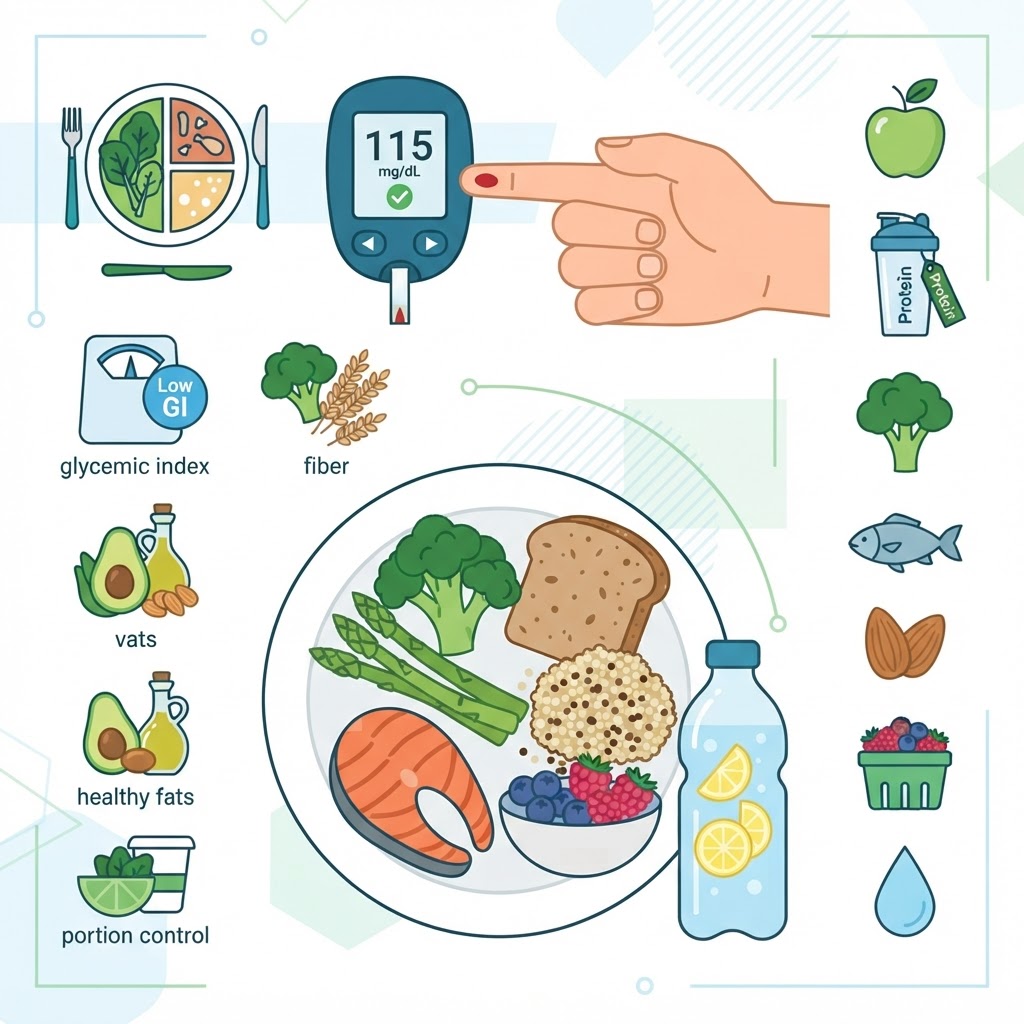
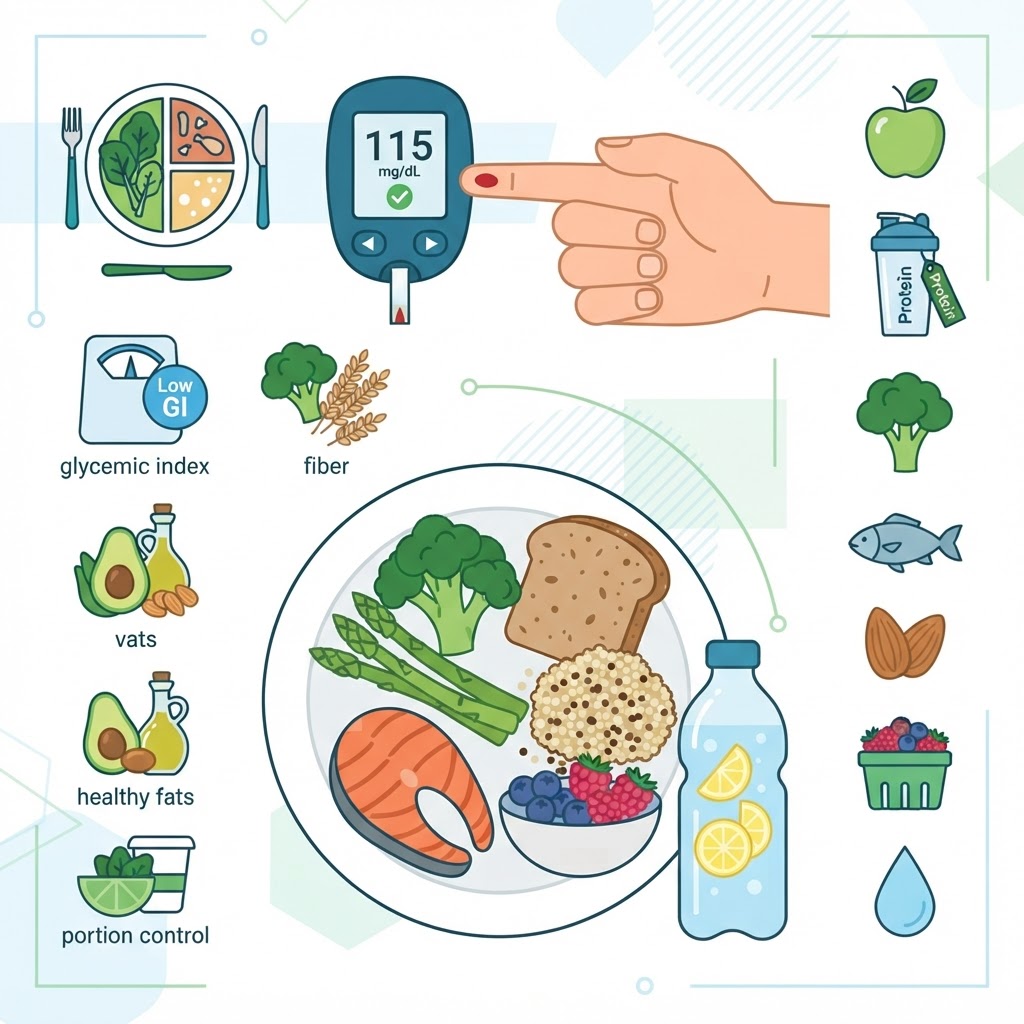
The plate method is the simplest way to plan diabetes-friendly meals without counting or measuring:
- Fill half your plate with non-starchy vegetables
- Fill one quarter with lean protein
- Fill one quarter with complex carbohydrates (whole grains, beans, or starchy vegetables)
- Add a small serving of healthy fat (olive oil, avocado, nuts)
- Include a glass of water or unsweetened beverage
Sample Daily Meal Plan
Breakfast: Steel-cut oats with chia seeds, walnuts, and berries. One hard-boiled egg on the side.
Lunch: Large mixed green salad with grilled chicken, chickpeas, cucumber, tomatoes, olive oil dressing, and a slice of whole-grain bread.
Snack: Apple slices with almond butter, or a handful of mixed nuts.
Dinner: Baked salmon with roasted broccoli and quinoa. Side salad with olive oil dressing.
Evening snack (if needed): Greek yogurt with a sprinkle of cinnamon.
Carbohydrate Counting
For more precise blood sugar management, carbohydrate counting involves tracking the grams of carbohydrates in each meal and snack. A registered dietitian can help you determine your individualized carbohydrate targets. Many people with diabetes aim for 45 to 60 grams of carbohydrate per meal and 15 to 20 grams per snack, though your needs may differ.
Blood Sugar-Friendly Cooking Tips
- Cook with olive oil instead of butter: Olive oil improves insulin sensitivity and reduces inflammation.
- Add cinnamon: Some studies suggest cinnamon may improve insulin sensitivity. Add it to oatmeal, yogurt, or coffee.
- Use vinegar: Apple cider vinegar or other vinegars in salad dressings may reduce post-meal blood sugar spikes.
- Choose whole fruits over juice: The fiber in whole fruit slows sugar absorption dramatically.
- Pair carbs with protein or fat: Never eat carbohydrates alone. Always pair with protein or healthy fat to slow digestion.
- Cook and cool grains: Cooking and cooling rice, potatoes, and pasta creates resistant starch, which has a lower glycemic effect.
- Add ground flaxseed: Rich in fiber and omega-3s, flaxseed can be added to smoothies, oatmeal, or yogurt.
How to Read Nutrition Labels for Diabetes
Understanding nutrition labels is essential for managing diabetes through diet. Focus on these key elements:
- Serving size: All nutrition information is based on the serving size. If you eat twice the serving size, you get twice the carbohydrates.
- Total carbohydrates: This is the most important number for blood sugar management. It includes sugars, starches, and fiber.
- Dietary fiber: Subtract half the fiber grams from total carbohydrates for a more accurate estimate of blood sugar impact (some dietitians suggest subtracting all fiber if it is 5g or more).
- Added sugars: Aim for foods with minimal added sugars. The American Heart Association recommends no more than 25g (women) or 36g (men) of added sugar per day.
- Ingredients list: Ingredients are listed in order of quantity. If sugar or a refined grain is the first ingredient, choose a different product.
Dining Out with Diabetes: Strategies for Success
Eating out does not have to derail your diabetes management. Use these strategies:
- Research the menu in advance: Most restaurants post their menus online. Plan your order before arriving.
- Ask for modifications: Request sauces and dressings on the side, substitute vegetables for fries, and ask for whole grain options.
- Watch portion sizes: Restaurant portions are typically 2 to 3 times larger than standard servings. Consider sharing a meal or taking half home.
- Choose grilled, baked, or steamed: Avoid fried, breaded, or creamy preparations.
- Skip the bread basket: Ask the server not to bring it, or limit yourself to one piece with olive oil.
- Order water: Avoid sugary drinks. Choose water, unsweetened tea, or black coffee.
- Be mindful of dessert: If you want dessert, skip the appetizer or bread to balance your carbohydrate intake.
The Connection Between Diabetes and Weight Management
For many people with Type 2 diabetes, weight loss is one of the most effective interventions. The DiRECT trial published in The Lancet found that 46 percent of participants who achieved significant weight loss (10 to 15 kg) were able to put their diabetes into remission. Even modest weight loss of 5 to 10 percent of body weight can significantly improve blood sugar control and reduce the need for medication.
The key to sustainable weight loss with diabetes is creating a moderate calorie deficit while maintaining stable blood sugar. This means choosing nutrient-dense, high-fiber, low-glycemic foods that provide satiety without causing blood sugar spikes. Combining dietary changes with regular physical activity produces the best results.
Common Diabetes Diet Myths Debunked
Myth: People with diabetes cannot eat fruit
Fact: Whole fruits are healthy for people with diabetes. They contain fiber, vitamins, and antioxidants. The key is choosing low-glycemic fruits (berries, apples, pears) and watching portions. Avoid fruit juice, which causes rapid blood sugar spikes.
Myth: You need to eat special diabetic foods
Fact: There is no need for special diabetic foods or products. A healthy diabetes diet is simply a healthy, balanced diet that emphasizes whole foods. Many products marketed as diabetic or sugar-free are highly processed and may still affect blood sugar.
Myth: Carbohydrates are the enemy
Fact: Carbohydrates are an essential part of a healthy diet. The key is choosing the right types (complex, high-fiber) and managing portions. Eliminating all carbohydrates is unnecessary and may lead to nutrient deficiencies.
Myth: Eating too much sugar causes diabetes
Fact: Type 2 diabetes is caused by a combination of genetic, lifestyle, and environmental factors. While excessive sugar consumption contributes to weight gain and insulin resistance, sugar alone does not cause diabetes.
Frequently Asked Questions
What is the best breakfast for someone with Type 2 diabetes?
A good diabetes breakfast includes protein, fiber, and complex carbohydrates. Examples: oatmeal with nuts and berries, eggs with whole-grain toast and avocado, or Greek yogurt with chia seeds and almonds. Avoid sugary cereals, pastries, and fruit juice.
Can I reverse Type 2 diabetes with diet?
Some people can achieve diabetes remission through significant weight loss and dietary changes. The DiRECT trial showed that 46 percent of participants achieved remission with weight loss of 10 to 15 kg. However, remission is not the same as a cure, and diabetes can return if weight is regained. Always work with your healthcare team.
How many carbohydrates should I eat per day?
There is no single answer. Individual needs vary based on activity level, medications, age, and other factors. Many people with diabetes aim for 130 to 180 grams of carbohydrate per day, distributed across meals. Work with a registered dietitian to determine your personalized target.
Is intermittent fasting safe for people with diabetes?
Some studies suggest intermittent fasting may improve insulin sensitivity and blood sugar control. However, it can increase the risk of hypoglycemia, especially for people taking insulin or certain medications. Never start fasting without consulting your healthcare provider.
What drinks are safe for someone with diabetes?
Water is the best choice. Other safe options include unsweetened tea, black coffee, sparkling water, and vegetable juice in moderation. Avoid soda, fruit juice, sweetened tea, and energy drinks. If you drink alcohol, do so in moderation and never on an empty stomach.
Should I take supplements for diabetes?
No supplement has been conclusively proven to improve blood sugar control. Some evidence suggests chromium, magnesium, and alpha-lipoic acid may have modest benefits, but more research is needed. Always discuss supplements with your healthcare provider, as some can interact with diabetes medications.
How often should I check my blood sugar?
The frequency of blood sugar monitoring depends on your treatment plan. People using insulin typically check more frequently. Your healthcare provider will recommend a monitoring schedule based on your individual needs. Continuous glucose monitors (CGMs) provide real-time data and are increasingly recommended.
Conclusion
Managing Type 2 diabetes through diet is one of the most powerful things you can do for your health. The evidence is clear: a diet rich in vegetables, whole grains, beans, lean protein, and healthy fats, with minimal processed foods and added sugars, improves blood sugar control, reduces cardiovascular risk, and supports overall health.
The most effective approach is one you can sustain long-term. Rather than following a restrictive diet, focus on building healthy eating patterns that become a natural part of your lifestyle. Work with your healthcare team and a registered dietitian to develop an individualized plan that fits your needs, preferences, and lifestyle.
Remember that diet is just one part of diabetes management. Regular physical activity, medication adherence, blood sugar monitoring, stress management, and adequate sleep all play essential roles. By addressing all of these areas, you can effectively manage Type 2 diabetes and reduce your risk of complications.
This article was written by the HealthAuthorityLife Editorial Team and reflects current medical consensus. Last updated July 2026.
The Role of Physical Activity in Diabetes Management
While this guide focuses on diet, physical activity is inseparable from nutrition in diabetes management. Exercise improves insulin sensitivity, meaning your body uses insulin more effectively. Even a single session of moderate exercise can improve blood sugar control for up to 24 hours. The American Diabetes Association recommends at least 150 minutes of moderate-intensity aerobic exercise per week, plus 2-3 sessions of strength training.
Exercise and diet work together. When you eat a carbohydrate-containing meal and then walk for 15 minutes, your blood sugar response is significantly lower than if you eat and remain sedentary. This is because your muscles use glucose for energy during exercise, directly reducing blood sugar levels. Even light post-meal walks can make a meaningful difference.
Supplements and Herbs: What the Evidence Shows
Many supplements are marketed for diabetes management. Here is what the research supports and what it does not:
Cinnamon
Some studies suggest cinnamon may modestly improve fasting blood sugar and HbA1c, but results are inconsistent. If you try it, use Ceylon cinnamon (not cassia, which contains coumarin that can harm the liver in large doses). Treat cinnamon as a potential supplement, not a replacement for medication or dietary management.
Chromium
Some evidence suggests chromium picolinate may improve insulin sensitivity, particularly in people with chromium deficiency. However, deficiency is rare, and the evidence for benefit in people with adequate intake is weak.
Magnesium
Low magnesium levels are associated with poorer blood sugar control. If you have a documented deficiency, supplementation may help. Magnesium-rich foods include spinach, almonds, pumpkin seeds, and dark chocolate.
Berberine
Berberine, a compound found in several plants, has shown blood sugar-lowering effects in some studies comparable to metformin. However, quality varies, and it can interact with other medications. Consult your doctor before use.
Avoid
Avoid supplements that make dramatic claims about reversing or curing diabetes. No supplement has been proven to cure diabetes, and some may interact dangerously with diabetes medications. Always discuss any supplement with your healthcare provider.
Managing Diabetes During Special Occasions
Holidays, celebrations, and social gatherings present challenges for diabetes management, but they do not require isolation or deprivation. Strategies for success include:
- Eat a small, protein-rich snack before arriving so you are not starving
- Survey all options before filling your plate
- Fill half your plate with vegetables first
- Choose one favorite treat rather than sampling everything
- Eat slowly and mindfully, savoring each bite
- Drink water between alcoholic drinks, if you drink
- Check your blood sugar more frequently during special occasions
- Do not skip meals to save up for a big dinner
Building a Support System for Diabetes Management
Managing diabetes is easier with support. Consider building a team that includes:
- Your primary care physician or endocrinologist for medical management
- A registered dietitian or certified diabetes educator for nutrition guidance
- A pharmacist for medication management and interactions
- A mental health professional if diabetes is affecting your emotional wellbeing
- A support group, either in person or online, for peer experience and encouragement
- Family and friends who understand and support your dietary choices
Diabetes can feel isolating, but millions of people manage it successfully. Connecting with others who understand the challenges can provide motivation, practical tips, and emotional support.
Long-Term Complications of Poor Blood Sugar Management
Understanding the consequences of uncontrolled diabetes reinforces the importance of dietary management. Chronic high blood sugar damages blood vessels and nerves throughout the body, leading to:
- Heart disease and stroke: Diabetes doubles the risk of heart disease. Managing blood sugar, blood pressure, and cholesterol reduces this risk significantly.
- Kidney damage (nephropathy):strong> Diabetes is the leading cause of kidney failure. Good blood sugar control reduces risk by approximately 35 percent.
- Eye damage (retinopathy): Diabetes is the leading cause of new blindness in adults. Regular eye exams and blood sugar control are essential.
- Nerve damage (neuropathy): Causes pain, tingling, and loss of sensation, particularly in the feet. Can lead to infections and amputations.
- Foot complications: Nerve damage and poor circulation increase the risk of foot ulcers and infections. Daily foot inspection is essential.
- Skin conditions: Diabetes increases susceptibility to skin infections and slow-healing wounds.
- Hearing impairment: Diabetes is associated with increased risk of hearing loss.
- Alzheimer disease risk: Some researchers call Alzheimer disease “Type 3 diabetes” due to the connection between insulin resistance and cognitive decline.
The good news is that all of these complications can be prevented or delayed through good blood sugar management, which starts with diet.
Diabetes Management Technology in 2026
Technology has transformed diabetes management, making it easier to monitor and control blood sugar:
Continuous Glucose Monitors (CGMs)
CGMs measure blood sugar continuously through a sensor placed on the skin, sending readings to a smartphone or receiver. They provide real-time data, trend arrows, and alerts for high or low blood sugar. CGMs have revolutionized diabetes management by replacing intermittent fingerstick testing with continuous monitoring.
Insulin Pumps
Insulin pumps deliver continuous insulin through a small device, replacing multiple daily injections. Modern pumps can integrate with CGMs to form closed-loop systems that automatically adjust insulin delivery based on blood sugar readings.
Diabetes Apps
Numerous apps help with carbohydrate counting, meal planning, blood sugar tracking, and medication reminders. Popular options include MyFitnessPal, Glucose Buddy, and the manufacturer apps that pair with CGMs and pumps.
Frequently Asked Questions (Additional)
Can I eat rice if I have diabetes?
Yes, in moderation. Choose brown rice, wild rice, or parboiled rice, which have a lower glycemic index than white rice. Control portion size (1/2 to 3/4 cup cooked) and pair with protein and vegetables. Cooking and cooling rice creates resistant starch that further lowers its glycemic impact.
Is coffee safe for people with diabetes?
Yes, black coffee or coffee with a small amount of milk appears safe and may even have protective effects. Avoid sugary coffee drinks (lattes, Frappuccinos) which contain large amounts of sugar and carbohydrates.
How does stress affect blood sugar?
Stress hormones (cortisol, adrenaline) raise blood sugar levels by stimulating glucose production in the liver. Chronic stress can make blood sugar management more difficult. Stress management techniques like meditation, deep breathing, and regular exercise can help.
Should I see a registered dietitian?
Yes, if possible. A registered dietitian who specializes in diabetes can help you create a personalized meal plan, teach carbohydrate counting, and provide ongoing support. Many insurance plans cover diabetes nutrition counseling.
Leave a Reply