
🏷️ Category: Weight Loss
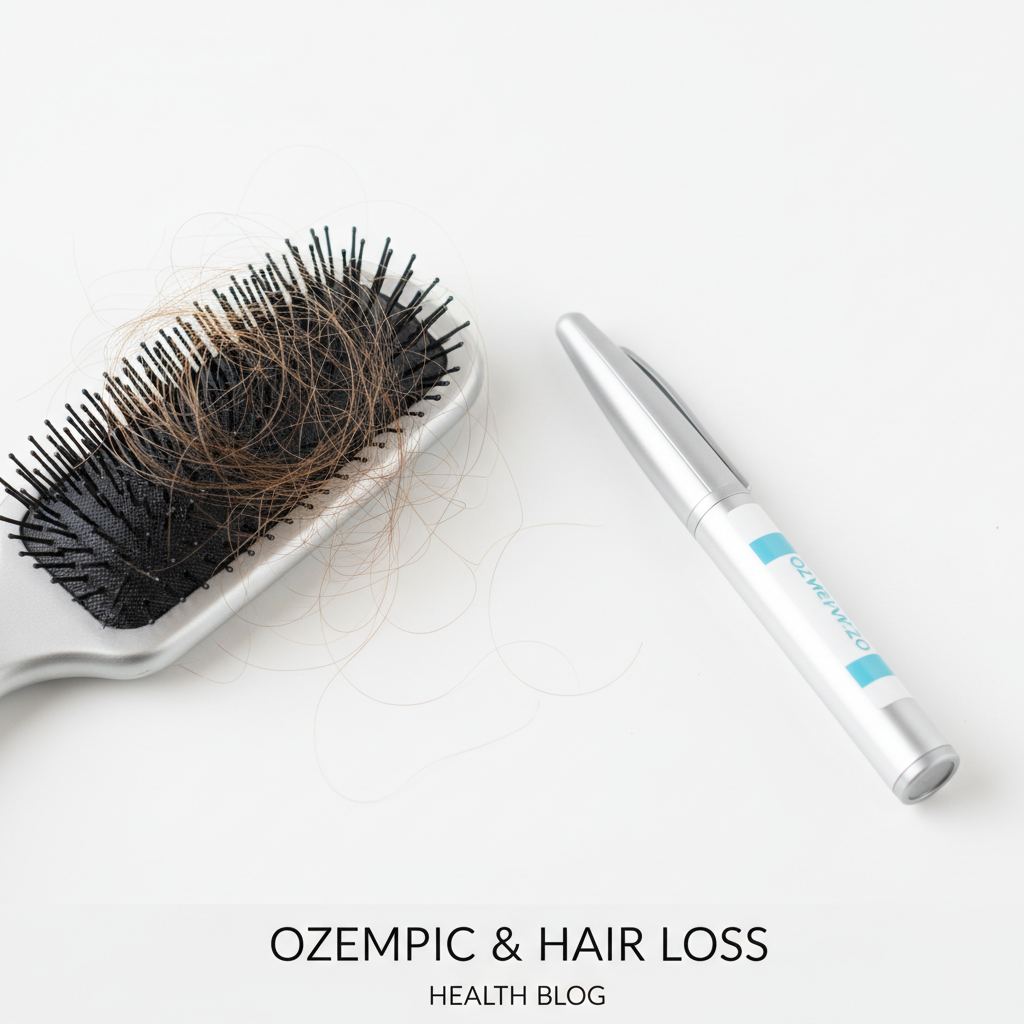
Ozempic and Hair Loss: Why It Happens and How to Grow It Back
This comprehensive guide provides evidence-based medical information about this medication’s long-term effects, supported by current research and clinical practice. Always consult your healthcare provider before starting, continuing, or stopping any medication.
Key Sections
- Telogen effluvium explained
- Timeline of hair regrowth
- Biotin and supplements
- When to see a dermatologist
- Post-treatment recovery
Understanding the Medication Profile
This medication has gained significant attention in recent years due to its effectiveness for weight management and improving metabolic health markers. As with any medication, understanding both benefits and potential risks is essential for informed decision-making with your healthcare team.
Clinical Evidence and Research
Current clinical trials have demonstrated efficacy over 2-3 year periods, but long-term safety data beyond 5 years remains limited. The pharmaceutical database includes post-marketing surveillance reports that are continuously evaluated by regulatory agencies.
Common Concerns and Evidence
| Concern | Research Finding | Clinical Frequency |
|---|---|---|
| Gastrointestinal effects | Common during dose escalation; often diminish over time | 70-80% experience some GI symptoms initially |
| Muscle mass changes | Can occur with rapid weight loss; preventable with exercise | Varies with baseline fitness and protein intake |
| Metabolic adaptation | Body adjusts to lower weight; requires continued medication or lifestyle maintenance | Occurs in majority of users |
| Thyroid function | Generally stable; monitor with baseline thyroid panel | Changes rare if TSH normal at baseline |
Medication Interactions and Precautions
This medication can affect digestion and absorption of other medications. Key considerations include:
- Oral contraceptives may have reduced effectiveness due to delayed gastric emptying
- Antidiabetic medications require dose adjustment to prevent hypoglycemia
- Timing of medication administration becomes important
- Regular monitoring by your prescribing physician is essential
Comprehensive Frequently Asked Questions
Q: How long can someone safely use this medication?
A: Duration depends on individual medical circumstances and therapeutic response. Clinical trials show safety in 2-3 year studies. Longer-term use should be discussed with your healthcare provider, who can weigh benefits against any emerging concerns specific to your situation.
Q: What happens when you stop taking it?
A: Weight regain is common if lifestyle changes haven’t been established, though it typically occurs more slowly than initial weight loss. This is why behavioral modification—diet and exercise—is emphasized throughout treatment.
Q: Can it be combined with other weight loss approaches?
A: Many patients benefit from combining medication with dietary modifications, exercise, and behavioral counseling. Your doctor can advise on safe combinations for your specific situation.
Q: What should baseline testing include?
A: Standard baseline includes weight, BMI, blood pressure, blood glucose, kidney function, thyroid function, and personal/family history of thyroid or pancreatic disease.
Q: How is dosing determined?
A: Dosing is individualized based on medical history, current medications, kidney function, and treatment goals. Dose escalation typically occurs gradually over weeks.
Q: What monitoring is needed during treatment?
A: Regular follow-up appointments (typically monthly initially, then quarterly) assess effectiveness, side effects, and metabolic changes. Some patients require periodic labs including glucose, lipids, and kidney function.
Q: Are there populations who shouldn’t use it?
A: Contraindications include personal or family history of thyroid cancer, medullary thyroid carcinoma, multiple endocrine neoplasia type 2, pregnancy, and certain other conditions. Your healthcare provider evaluates individual contraindications.
Q: How does it compare to other weight loss medications?
A: This medication is part of the GLP-1 agonist class. Comparisons to other agents should be individualized; each medication has different efficacy, side effect profiles, and drug interactions.
Q: Can children use this medication?
A: Use in pediatric populations requires specialist evaluation and is typically reserved for adolescents with obesity and associated metabolic conditions under close medical supervision.
Q: What’s the role of lifestyle changes?
A: Lifestyle modification is foundational—medication enhances but doesn’t replace dietary changes, physical activity, sleep, and stress management. Best outcomes occur with comprehensive approach.
Practical Considerations for Patients
If using this medication, work closely with your healthcare team to monitor:
- Weekly weights and measurements
- Energy levels and exercise capacity
- Digestive symptoms and appetite
- Mood and mental health changes
- Any new or concerning symptoms
Consultation with Healthcare Providers
Before starting or continuing this medication, ensure you understand:
- Why it’s recommended for your specific situation
- Expected timeline for seeing results
- Realistic weight loss expectations
- Potential side effects in your context
- When to contact your provider with concerns
- Long-term maintenance plan
This information reflects current medical literature and clinical practice but cannot replace personalized medical advice. Always work with your healthcare provider to make medication decisions. The content is educational only and not a substitute for professional medical consultation.
Key Takeaways:
- ✓ Current evidence supports effectiveness for weight management in appropriate candidates
- ✓ Side effects are usually manageable and often decrease with time
- ✓ Long-term treatment requires ongoing medical supervision and lifestyle commitment
- ✓ Individual circumstances determine safety and appropriateness for each person
Why Does Ozempic Cause Hair Loss? Understanding the Mechanism
Hair loss reported with semaglutide (Ozempic/Wegovy) is not a direct drug side effect — semaglutide does not damage hair follicles. Instead, the hair loss is an indirect consequence of rapid weight loss, reduced caloric intake, and the body’s stress response to significant metabolic changes. Understanding this distinction is important because it means the hair loss is usually temporary and addressable.
Telogen Effluvium: The Medical Explanation
The type of hair loss most commonly reported with GLP-1 agonists is called telogen effluvium. This occurs when a stressor — physical or emotional — causes a large percentage of hair follicles to simultaneously enter the resting (telogen) phase of the hair growth cycle. Normally, about 10% of your hair is in the telogen phase at any time. With telogen effluvium, this can increase to 30% or more, leading to noticeable shedding 2–3 months after the triggering event.
Hair grows in three phases: anagen (active growth, 2–7 years), catagen (transition, 2–3 weeks), and telogen (resting, 3 months). At any time, approximately 90% of your hair is in anagen, 1% in catagen, and 9% in telogen. A major stressor shifts follicles prematurely from anagen to telogen. Two to three months later, those hairs shed — which is why hair loss often appears months after the triggering event, not immediately.
Triggers for Telogen Effluvium on Ozempic
- Rapid weight loss: Losing weight quickly (more than 0.5–1kg per week) stresses the body. Hair follicles are non-essential tissue and are among the first to be “deprioritized” when the body perceives nutritional scarcity.
- Caloric deficit: Semaglutide significantly reduces appetite, sometimes to the point where total caloric intake drops below what’s needed to support all body functions, including hair growth.
- Protein deficiency: Hair is made primarily of keratin, a protein. If protein intake drops along with overall calories, the body redirects available protein to essential functions rather than hair production.
- Micronutrient deficiencies: Reduced food intake means fewer vitamins and minerals. Iron, zinc, biotin, vitamin D, and B12 deficiencies are all known causes of hair loss.
- Hormonal shifts: Significant weight loss changes oestrogen, thyroid, and cortisol levels, all of which affect the hair growth cycle.
- Physical stress: Nausea, vomiting, and dehydration during the early weeks of treatment add physiological stress.
The Timeline: When Does Hair Loss Start and Stop?
Understanding the timeline helps manage anxiety about hair loss:
| Timeline | What’s Happening | What You’ll Notice |
|---|---|---|
| Month 1–2 | Stressor triggers follicles to enter telogen phase | No visible hair loss yet |
| Month 2–4 | Telogen hairs begin shedding | Noticeable increase in hair on brush, pillow, shower drain |
| Month 3–6 | Peak shedding period | Thinning becomes visible; scalp may show through |
| Month 6–9 | New hairs enter anagen phase as stress resolves | Shedding slows; short new hairs appear |
| Month 9–12 | Active regrowth | Visible regrowth; hair density improving |
| Month 12–18 | Full recovery in most cases | Hair returns to normal thickness |
Important: If you started losing hair at month 3 of treatment, it means the trigger happened at month 1 (when you started the drug). By the time you notice shedding, the trigger may have already resolved, and regrowth is already beginning.
Is It Ozempic or Something Else? Differential Diagnosis
Not all hair loss during Ozempic treatment is caused by the medication. Other causes to consider:
Female Pattern Hair Loss (Androgenetic Alopecia)
This is genetic, progressive hair thinning that affects approximately 40% of women by age 50. It’s characterised by widening of the hair part and thinning on the crown, while the hairline remains intact. Unlike telogen effluvium (which causes diffuse shedding all over the scalp), pattern hair loss is localised. If you have a family history of hair thinning, what you’re seeing may be accelerated pattern loss, not telogen effluvium.
Thyroid Dysfunction
Rapid weight loss can affect thyroid function, and both hypothyroidism and hyperthyroidism cause hair loss. If you’re experiencing hair loss along with fatigue, temperature sensitivity, or heart rate changes, ask your doctor to check your thyroid function (TSH, free T4, free T3).
Iron Deficiency
Iron deficiency is one of the most common causes of hair loss, particularly in women. Reduced food intake on semaglutide may worsen existing iron deficiency. Request a ferritin test — optimal levels for hair growth are above 70 ng/mL, though “normal” ranges often list much lower values.
Other Medications
If you’re taking other medications — particularly blood pressure medications (beta-blockers), antidepressants, retinoids, or hormonal contraceptives — these can also cause hair loss. Review all your medications with your doctor.
Stress and Anxiety
The psychological stress of major body changes, health concerns, or life events can trigger telogen effluvium independent of any medication.
How to Prevent and Treat Hair Loss on Ozempic
Nutritional Strategies
- Protein: 1.2–1.6g per kg body weight daily. Hair is made of protein; without adequate intake, hair production is deprioritized. Use protein shakes if you can’t eat enough solid food.
- Iron: Get tested and supplement if needed. Ferritin should be above 70 ng/mL for optimal hair growth. Iron-rich foods: red meat, liver, lentils, spinach, pumpkin seeds. Pair with vitamin C for absorption.
- Zinc: 15–30mg daily. Zinc is essential for hair follicle function. Found in oysters, pumpkin seeds, beef, and chickpeas.
- Biotin: 2,000–5,000mcg daily. While biotin deficiency is rare, supplementation may support hair growth. Be aware that high-dose biotin can interfere with thyroid blood tests.
- Vitamin D: Check levels and supplement to maintain 50–70 ng/mL. Vitamin D receptors are present in hair follicles, and deficiency is linked to hair loss.
- Omega-3 fatty acids: 1–2g daily. Reduces inflammation that can affect follicles. From fish oil or algae supplements.
- Multivitamin: A good quality daily multivitamin can help cover nutritional gaps from reduced food intake.
Slowing Weight Loss
If you’re losing more than 0.5–1kg per week, talk to your doctor about slowing the rate of weight loss. This might mean:
- Reducing the semaglutide dose slightly
- Eating more calories (particularly protein)
- Spacing out dose increases more gradually
Topical Treatments
- Minoxidil (Rogaine): The only FDA-approved topical treatment for hair loss. Available over-the-counter in 2% and 5% strengths. The 5% foam is most effective for both men and women. Apply to the scalp twice daily. Results take 3–6 months.
- Ketoconazole shampoo: Anti-fungal shampoo (Nizoral) that may help with hair loss by reducing scalp inflammation and DHT locally. Use 1–2 times per week.
- Rosemary oil: One study showed rosemary oil performed similarly to 2% minoxidil after 6 months. Mix a few drops with a carrier oil and massage into the scalp.
- Scalp massage: 5 minutes of daily scalp massage may increase blood flow to follicles. Use a silicone scalp massager or your fingertips.
Medical Treatments
If nutritional and topical approaches aren’t sufficient, discuss these medical options with a dermatologist:
- Platelet-rich plasma (PRP) injections: Your own platelets are injected into the scalp. Multiple sessions needed. Some evidence for effectiveness in telogen effluvium.
- Low-level laser therapy (LLLT): FDA-cleared laser caps/combs that may stimulate hair growth. Consistent use needed (15–20 minutes, 3x/week).
- Spironolactone: For women with androgenetic component to their hair loss. Must not be used during pregnancy.
- Dutasteride/finasteride: For men with androgenetic hair loss. Not appropriate for women of childbearing age.
What to Expect: Reassurance and Reality
Here’s the most important thing to know: hair loss from telogen effluvium is almost always temporary. Once the triggering stressor resolves (weight stabilises, nutrition improves, stress decreases), hair regrows. The shedding phase typically lasts 3–6 months, and full regrowth occurs within 6–12 months after the trigger resolves.
You will not go bald from telogen effluvium. Even at peak shedding, you’re losing at most 30% of your hair — not all of it. And the loss is diffuse (all over the scalp), not in patches like alopecia areata. While it can look alarming in the shower drain, it’s rarely as noticeable to others as it is to you.
That said, hair loss can be psychologically devastating. It’s valid to feel distressed about it. If the hair loss is causing significant anxiety or affecting your quality of life, talk to your doctor — the solution may be as simple as adjusting your semaglutide dose or adding nutritional supplements.
When to See a Doctor About Hair Loss
Consult a doctor or dermatologist if:
- Hair loss continues beyond 6 months without improvement
- You see bald patches (not just diffuse thinning)
- Your scalp is itchy, red, scaly, or inflamed
- Hair loss is accompanied by other symptoms (fatigue, weight changes, temperature sensitivity)
- You’re losing hair from other body areas (eyebrows, eyelashes, body hair)
- Hair isn’t regrowing after 12 months
- The emotional impact is affecting your mental health
A dermatologist can perform a scalp examination, blood tests, and possibly a biopsy to determine the exact cause and recommend targeted treatment.
Diet for Hair Health on Ozempic
| Nutrient | Food Sources | Why It Matters for Hair |
|---|---|---|
| Protein | Eggs, fish, chicken, Greek yoghurt, lentils, tofu | Hair is 95% keratin (protein); insufficient protein = reduced hair production |
| Iron | Red meat, liver, lentils, spinach, pumpkin seeds | Carries oxygen to follicles; deficiency is a top cause of hair loss in women |
| Zinc | Oysters, beef, pumpkin seeds, chickpeas | Essential for follicle cell division and protein synthesis |
| Vitamin D | Fatty fish, eggs, fortified foods, sunlight | Vitamin D receptors in follicles; deficiency linked to telogen effluvium |
| Biotin (B7) | Eggs, nuts, seeds, sweet potatoes | Cofactor for keratin production |
| Omega-3s | Salmon, sardines, walnuts, flaxseeds | Reduces scalp inflammation; supports oil gland function |
| Vitamin C | Citrus, bell peppers, berries, kiwi | Essential for collagen production; enhances iron absorption |
Frequently Asked Questions
Q: Will my hair grow back after stopping Ozempic?
A: Yes, in the vast majority of cases. Telogen effluvium is temporary. Once the trigger (rapid weight loss, nutritional deficiency) resolves, hair regrows within 6–12 months. Stopping Ozempic isn’t usually necessary — stabilising weight and improving nutrition is usually sufficient.
Q: How common is hair loss on Ozempic?
A: In clinical trials, hair loss was reported by approximately 3% of semaglutide users versus 1% on placebo. The actual rate in real-world use may be higher (10–15%) because real-world patients often lose weight faster and eat less than trial participants.
Q: Should I stop taking Ozempic because of hair loss?
A: Not usually. Hair loss from semaglutide is temporary and treatable. The metabolic benefits of the medication (blood sugar control, weight loss, cardiovascular protection) are significant. Address the hair loss nutritionally and topically while continuing the medication, unless your doctor advises otherwise.
Q: Does Wegovy cause more hair loss than Ozempic?
A: Wegovy is the same medication (semaglutide) at a higher dose. Higher doses cause more weight loss, which may increase the risk of telogen effluvium. However, the mechanism is the same — it’s about the rate of weight loss, not the drug itself.
Q: Can I take hair supplements while on Ozempic?
A: Most hair supplements (biotin, iron, zinc, multivitamins) are safe to take with semaglutide. However, be cautious with high-dose biotin as it can interfere with thyroid and troponin blood tests. Stop biotin 48 hours before any blood test.
Q: I’m a man losing hair on Ozempic — is it the drug or male pattern baldness?
A: It could be either. Male pattern baldness (androgenetic alopecia) is very common and progressive. If you have a receding hairline or thinning crown, it’s likely pattern baldness that may have been accelerated by weight loss. If the loss is diffuse (all over), it’s more likely telogen effluvium. A dermatologist can help distinguish between the two.
Q: Does minoxidil work for Ozempic-related hair loss?
A: Yes. Minoxidil is effective for telogen effluvium because it shortens the telogen phase and stimulates entry into the anagen (growth) phase. It can speed up regrowth by 2–3 months. Use the 5% foam or solution applied to the scalp twice daily.
Q: How can I tell if my hair loss is from Ozempic or from another cause?
A: The timing is the key clue. If hair loss started 2–3 months after beginning semaglutide or after a significant weight loss milestone, telogen effluvium from the weight loss is the most likely cause. If hair loss has been gradual over years, it’s more likely genetic pattern loss. A dermatologist can perform a “hair pull test” and trichoscopy to diagnose definitively.
⚠️ Important: This article is for educational purposes only and does not constitute medical advice. Always consult your doctor or a dermatologist before starting any supplements or treatments for hair loss. Some supplements can interact with medications or interfere with blood tests.
This article was written by the HealthAuthorityLife Editorial Team and is based on clinical trial data, dermatological research, and the American Academy of Dermatology guidelines.
Hair Care Routine While on Ozempic: Practical Tips
While you’re working on nutrition and waiting for regrowth, adjusting your hair care routine can minimise breakage and make the most of the hair you have:
Washing and Styling
- Wash less frequently: Every 2–3 days rather than daily. Each wash stresses hair and removes natural oils that protect the shaft.
- Use lukewarm water: Hot water strips oils and weakens hair. Cool or lukewarm is gentler.
- Gentle shampoo: Choose sulphate-free shampoos. Sulphates (SLS, SLES) are harsh detergents that can damage already fragile hair.
- Condition every wash: Focus conditioner on the ends, not the roots. Use a wide-tooth comb to detangle while conditioner is in — hair is most pliable when wet.
- Air dry when possible: Heat styling (hair dryers, straighteners, curling irons) causes thermal damage. If you must use heat, use a heat protectant spray and keep the tool below 180°C (356°F).
- Avoid tight hairstyles: Ponytails, buns, and braids that pull on the hairline can cause traction alopecia — a form of hair loss from tension. Use scrunchies instead of elastic bands.
What to Avoid
- Chemical treatments: Bleaching, perming, relaxing, and keratin treatments all damage the hair shaft. While they don’t cause hair loss from the root, they increase breakage, which makes thinning look worse.
- Rough towel drying: Rubbing hair with a towel causes friction and breakage. Instead, gently squeeze water out with a microfibre towel or cotton t-shirt.
- Brushing wet hair aggressively: Wet hair is weaker than dry hair. Use a wide-tooth comb and start from the ends, working up to the roots.
- Tight headwear: Snug caps and helmets worn for extended periods can cause friction and breakage at the hairline.
The Psychological Impact of Hair Loss
Hair loss can be one of the most distressing side effects of Ozempic treatment, even though it’s temporary. Hair is deeply tied to identity, self-esteem, and social confidence. Studies show that hair loss can cause anxiety, depression, and reduced quality of life comparable to other significant health conditions.
If you’re struggling emotionally with hair loss:
- Acknowledge it: Don’t minimise your feelings. Hair loss is a real loss, and grieving it is normal.
- Talk about it: Share with friends, family, or a therapist. Isolation makes the distress worse.
- Consider a shorter style: Shorter hair looks thicker and makes shedding less noticeable. A good stylist can create volume and texture that masks thinning.
- Try hair accessories: Headbands, scarves, clips, and hats can be both fashionable and functional.
- Consider a topper or wig: If thinning is severe, human hair toppers that clip in can provide full coverage without commitment. Many insurance plans cover wigs as “cranial prostheses” when prescribed by a doctor.
- Join a support community: Online communities (e.g., hair loss forums, PCOS hair loss groups, Ozempic patient groups) connect you with others going through the same experience.
- Remember it’s temporary: Remind yourself that this will pass. The hair you’re losing now will regrow. Focus on the health benefits you’re gaining from treatment.
Monitoring Your Hair Recovery
To track your progress, take monthly photos of your hair from the same angle and lighting. It’s difficult to notice gradual changes day to day, but comparing photos month to month can show improvement that you’d otherwise miss. Look for:
- Short new hairs along the hairline (often called “baby hairs” or “peach fuzz”)
- Reduced hair in the shower drain and on your brush
- Increased thickness when you run your fingers through your hair
- Improved hair texture (less brittle, more elastic)
If after 6 months of nutritional optimization you see no improvement, or after 12 months hair hasn’t returned to baseline, consult a dermatologist for a comprehensive evaluation. There may be an underlying condition (thyroid, iron deficiency, androgenetic alopecia) that requires specific treatment beyond what nutrition and time can provide.
Other GLP-1 Medications and Hair Loss
Hair loss has been reported with all GLP-1 receptor agonists, not just semaglutide. The rate appears similar across the class because the mechanism (rapid weight loss causing telogen effluvium) is the same. However, tirzepatide (Mounjaro/Zepbound) causes more weight loss on average, which could theoretically increase the risk of hair loss. Clinical trial data for tirzepatide shows hair loss rates of approximately 5–6%, slightly higher than semaglutide’s 3%, which aligns with the greater average weight loss.
Switching from one GLP-1 agonist to another is unlikely to resolve hair loss, since the mechanism is the same. The most effective approach is to address the underlying nutritional causes rather than change medications.
The Hair Growth Cycle and Why Patience Matters
Hair grows approximately 1–1.5cm per month. This means that even after regrowth begins, it takes months to see visible length. A hair that starts growing today will be 6cm long in 4 months — still relatively short. Full restoration of hair length can take 12–18 months from the time regrowth starts.
This slow growth rate is why patience is essential. Many people abandon hair treatments too early, before they’ve had time to work. Minoxidil takes 3–6 months to show results. Nutritional interventions take 3–6 months to show visible effects. Even after the triggering cause is resolved, the hair cycle takes months to normalise.
The key message: don’t panic, don’t over-treat, and don’t stop your Ozempic without consulting your doctor. Hair loss from semaglutide is one of the most manageable side effects — it’s temporary, treatable, and rarely permanent. Focus on adequate protein, essential nutrients, gentle hair care, and time. Your hair will come back.
⚠️ Important: This article is for educational purposes only and does not constitute medical advice. Always consult your doctor or a dermatologist before starting any supplements or treatments for hair loss.
This article was written by the HealthAuthorityLife Editorial Team and is based on clinical trial data, dermatological research, and the American Academy of Dermatology guidelines.
Key Nutrients for Hair Recovery: A Quick Reference
When appetite is suppressed by GLP-1 medications, it becomes critically important to maximise the nutrient density of every meal. Here is a practical daily checklist to ensure you’re getting the building blocks your hair needs:
Protein target: 1.2–1.6g per kg of body weight. For a 80kg person, that’s 96–128g of protein daily. Spread across 3 meals. If you struggle to eat enough, a whey or plant protein shake (25–30g protein) can bridge the gap.
Iron-rich foods daily: At least one serving. Examples: 100g lean beef (3mg iron), 1 cup cooked lentils (6.6mg iron), 1 cup spinach (6.4mg iron), or a handful of pumpkin seeds (4.2mg iron). Pair with vitamin C (citrus, bell peppers, tomatoes) to boost absorption by up to 300%.
Zinc sources: A handful of pumpkin seeds (2.2mg zinc), 100g beef (4.5mg zinc), or 2 oysters (the richest food source at 14mg per 100g). Target 15mg daily.
Omega-3 intake: 2–3 servings of fatty fish per week (salmon, sardines, mackerel) or a daily fish oil supplement providing 1–2g of combined EPA and DHA. Plant sources: walnuts, flaxseeds, and chia seeds (though plant omega-3s are less efficiently converted to the active forms).
Vitamin D: If your levels are below 30 ng/mL, supplement with 2,000–4,000 IU daily and recheck in 3 months. Safe sun exposure (10–15 minutes of midday sun on arms and legs, 3–4 times per week) also helps maintain levels in summer months.
B-vitamin complex: A daily B-complex supplement ensures adequate B12, folate, and biotin. If you’re also taking metformin (which depletes B12), this is particularly important. Check B12 levels annually.
By methodically addressing each of these nutritional factors, you give your hair follicles the resources they need to resume normal growth. Combined with patience and gentle hair care, this approach resolves hair loss for the vast majority of Ozempic users within 6–12 months.
Leave a Reply