
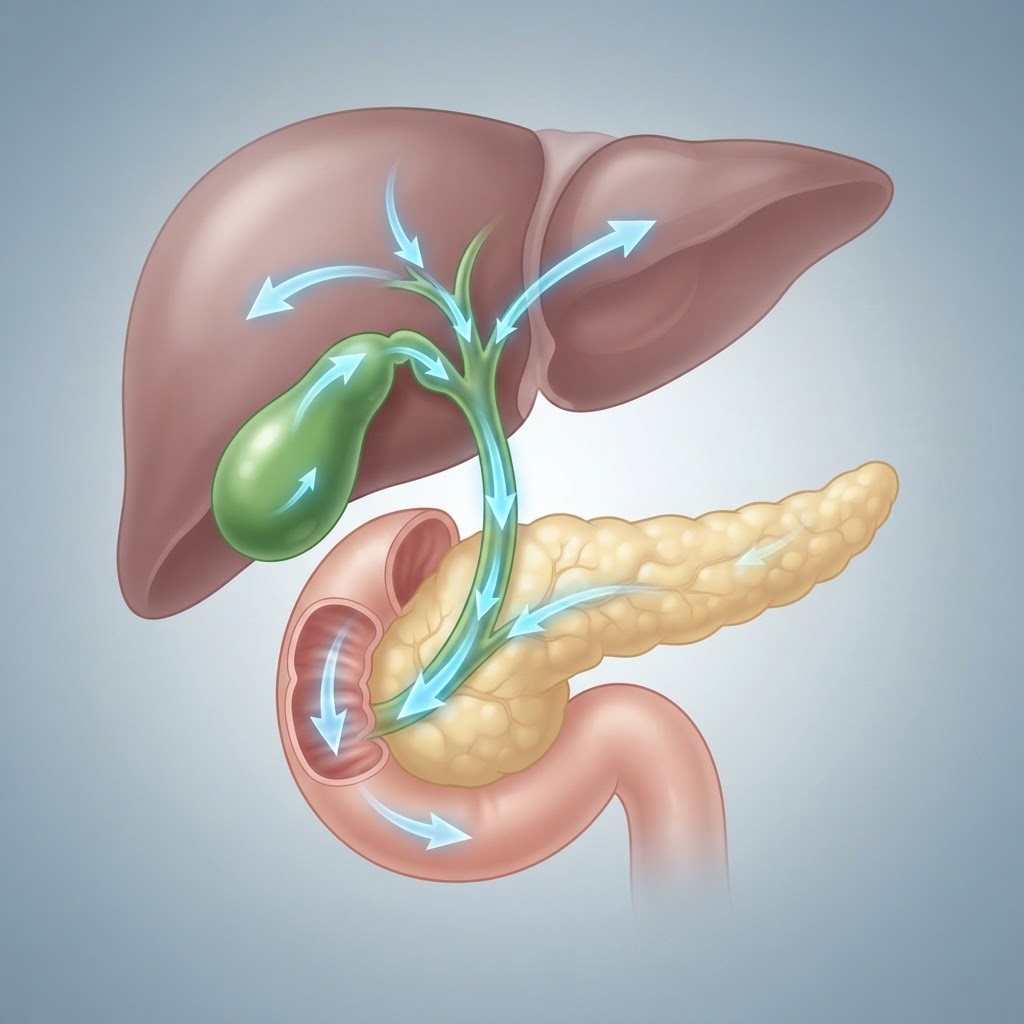
- Gallbladder dyskinesia and biliary dyskinesia are often used interchangeably to describe a gallbladder that fails to contract effectively, despite the absence of physical stones.
- The hallmark symptoms include chronic, post-meal upper abdominal pain, nausea, and bloating, which can mimic other gastrointestinal conditions like GERD or IBS.
- Optimal digestion relies on the coordinated release of bile from the gallbladder into the small intestine to emulsify fats, a process frequently disrupted by biliary motility disorders.
- The CCK-HIDA scan serves as a primary diagnostic tool by measuring the Ejection Fraction (EF), providing a functional look at the gallbladder rather than just a static image.
- Functional issues are frequently missed by standard imaging like ultrasounds because these tests prioritize structural abnormalities over kinetic performance.
For millions of individuals struggling with persistent digestive distress, the journey to a diagnosis can feel like a labyrinth. You may have experienced recurring bouts of sharp pain, nausea, and discomfort after meals, yet every conventional imaging report—from standard ultrasounds to CT scans—returns with the frustrating notation of “no stones found.” This scenario often points toward a functional rather than a structural problem within the biliary system. While the terms gallbladder dyskinesia and biliary dyskinesia are frequently discussed in clinical forums, many patients remain confused about what these conditions actually represent. Understanding these disorders requires moving beyond the “stone-focused” model of care and looking at the physiological mechanics of how your body manages bile. In this guide, the healthauthoritylife Editorial Team explores the nuances of biliary motility disorders, how they disrupt digestion, and why identifying these functional issues is the critical first step toward reclaiming your quality of life.
Defining Gallbladder and Biliary Dyskinesia
To understand the scope of gallbladder dyskinesia, we must first distinguish it from the more commonly understood “biliary colic” caused by gallstones (cholelithiasis). In a healthy system, the gallbladder acts as a reservoir. It stores and concentrates bile produced by the liver, holding it until a meal—specifically one containing fat—triggers the release of cholecystokinin (CCK). This hormone signals the gallbladder to contract, pushing bile through the cystic duct and into the common bile duct, where it eventually enters the small intestine to aid in the breakdown of fats.
Biliary dyskinesia is an umbrella term for conditions where this movement—or motility—is impaired. When we speak of gallbladder dyskinesia specifically, we are typically referring to a scenario where the gallbladder muscle wall, known as the muscularis, is unable to contract with sufficient force to empty its contents. It is not necessarily blocked by a physical obstruction like a stone, polyp, or sludge, but rather inhibited by a loss of coordination or muscular strength. Essentially, the “pump” is not working properly.
Because the gallbladder is not a standalone organ but part of a complex biliary tract, the term biliary dyskinesia is often used more broadly. It encompasses issues within the entire biliary tree, including the Sphincter of Oddi—the valve that controls the flow of bile into the duodenum. If the sphincter fails to relax at the precise moment the gallbladder contracts, the resulting pressure can cause significant pain, even if the gallbladder itself is physically capable of squeezing.
These functional disorders are fundamentally different from structural diseases. In structural cases, a surgeon can point to a gallstone and explain exactly why it is causing a blockage. In cases of gallbladder dyskinesia, the anatomy may look pristine on a high-definition scan, yet the physiological output remains deficient. This leads to a state of chronic frustration for patients who suffer from legitimate, debilitating pain that does not show up on traditional diagnostic “checklists.” Recognizing that the gallbladder is an active, kinetic organ—not just a storage sac—is the first step toward understanding why these motility disorders are so difficult to diagnose and manage.
Primary Symptoms of Biliary Motility Issues
The symptoms of biliary dyskinesia are notoriously difficult to distinguish from other gastrointestinal conditions, which is why it is often referred to as a “diagnosis of exclusion.” Because the biliary system shares neurological pathways with the stomach and the intestines, the distress often presents as generalized abdominal pain that can easily be mistaken for gastritis, peptic ulcers, or irritable bowel syndrome (IBS).
The most characteristic symptom reported by patients is biliary pain—a dull, aching, or sometimes sharp, stabbing sensation located in the right upper quadrant (RUQ) of the abdomen, just beneath the rib cage. This pain frequently radiates to the center of the upper abdomen (epigastrium) or travels through to the mid-back, particularly beneath the right shoulder blade. This “referred pain” occurs because of the shared nerve innervation between the gallbladder and the phrenic nerve.
Crucially, these symptoms are almost always linked to food intake. Unlike some conditions where pain is constant, biliary motility issues typically flare up within 30 to 60 minutes after eating, particularly meals that are high in fat or heavy in oils. Because the body is struggling to secrete enough bile to emulsify these fats, the gallbladder works overtime, contracting repeatedly against an ineffective system or failing to empty entirely, leading to a sensation of intense pressure.
Beyond the pain, secondary symptoms often emerge as a direct result of poor fat digestion. These include:
* Nausea and early satiety: Many individuals feel full after only a few bites of food, or they experience a persistent, low-level wave of nausea that lasts for hours after a meal.
* Bloating and flatulence: When fat isn’t properly broken down, it remains in the gut, where it can cause fermentation and gas buildup.
* Stool changes: Some patients report pale, clay-colored stools or, conversely, frequent diarrhea, as the lack of bile reaching the intestines alters the pH and consistency of waste.
* Belching: Excessive burping is a common attempt by the digestive system to relieve the pressure buildup in the upper GI tract.
It is important to note that the severity of these symptoms does not always correlate with the severity of the motility issue. Some individuals with only a minor reduction in gallbladder function report debilitating, daily pain, while others with significant “sluggishness” may only experience intermittent discomfort. This unpredictability makes it essential for patients to track their symptoms in relation to specific triggers, as this data becomes invaluable during the diagnostic process.
How the Biliary System Functioning Impacts Digestion
The biliary system is the silent workhorse of the digestive tract. While the stomach manages mechanical and acid-based breakdown, the liver and gallbladder are responsible for the critical chemical processing of dietary fats. When this system experiences dyskinesia, the consequences ripple through the entire digestive process, affecting everything from nutrient absorption to the balance of the gut microbiome.
To appreciate the impact, we must look at the role of bile salts. Bile acts as a natural detergent. By breaking large fat globules into tiny droplets (emulsification), it increases the surface area for the enzyme lipase to work. If gallbladder function is impaired, the release of bile becomes mistimed or insufficient. When a fat-laden meal hits the small intestine without an adequate bile “pulse,” the fats remain largely unprocessed in the upper GI tract.
This undigested fat creates a cascade of physiological disturbances:
1. Malabsorption of Fat-Soluble Vitamins: Vitamins A, D, E, and K require bile for absorption. Chronic biliary issues can lead to subclinical deficiencies in these essential nutrients, even if an individual’s diet appears healthy. Over time, this can affect skin health, bone density, and immune function.
2. Intestinal Flora Imbalance: Bile is naturally antimicrobial. It helps regulate the population of bacteria in the small intestine. When bile flow is inadequate, some experts suggest it can contribute to small intestinal bacterial overgrowth (SIBO), where bacteria from the large intestine migrate upward, leading to excessive bloating, diarrhea, and nutrient competition.
3. Increased Gastrointestinal Transit Time: Undigested fats and lipids that travel too far into the large intestine can irritate the intestinal lining, potentially contributing to either rapid transit (diarrhea) or a slowing of the system as the gut attempts to compensate for the digestive delay.
The following table summarizes how different approaches to assessing or managing these biliary concerns compare in a clinical context:
| Approach | Primary Focus | Best For |
|---|---|---|
| Abdominal Ultrasound | Structural Integrity | Ruling out stones, polyps, or thickening |
| CCK-HIDA Scan | Functional Motility | Quantifying ejection fraction and emptying efficiency |
| Dietary Modification | Symptom Management | Reducing post-meal triggers and inflammation |
| Endoscopic Ultrasound | Detail Diagnostics | Visualizing biliary sludge or small, hidden stones |
Ultimately, the biliary system’s function is about timing. It is a finely tuned synchronization between the stomach, the gallbladder, and the duodenum. When this system fails, it isn’t just about pain—it’s about the body’s fundamental inability to harvest energy from the most calorie-dense macro-nutrient in our diet. Recognizing these systemic effects is vital for anyone who suspects their digestive issues might stem from biliary motility disorders.
The Role of CCK-HIDA Scans in Modern Diagnosis
Because standard imaging is often blind to the inner workings of the gallbladder, the HIDA scan (Hepatobiliary Iminodiacetic Acid scan), augmented with a CCK (cholecystokinin) injection, has become the gold standard for diagnosing functional biliary disorders. Unlike an ultrasound, which provides a high-resolution snapshot of the gallbladder’s appearance, the CCK-HIDA scan acts as a “stress test” for the gallbladder’s performance.
The process typically involves the administration of a radioactive tracer, which is taken up by the liver and excreted into the bile ducts. Once the tracer reaches the gallbladder, the patient is monitored to ensure the gallbladder fills properly. This part of the scan confirms that there is no structural blockage in the cystic duct. If the tracer can enter the gallbladder, the ducts are generally considered patent, or open.
The diagnostic “magic” happens when the clinical team administers a synthetic form of CCK. This hormone is essentially the command that tells the gallbladder to contract. By measuring the tracer’s exit from the gallbladder after the CCK injection, clinicians can calculate the Gallbladder Ejection Fraction (GBEF). This percentage represents how much bile the gallbladder successfully squeezed out during the test.
Generally, an Ejection Fraction above a certain threshold is considered normal, indicating that the gallbladder is pumping effectively. However, if the GBEF is significantly low, it suggests the gallbladder is underactive or “lazy,” which is the hallmark of gallbladder dyskinesia. Conversely, in rare instances, the ejection fraction may be abnormally high—sometimes referred to as hyperkinetic biliary dyskinesia—which can also cause intense, spasm-like pain.
It is important to remember that the HIDA scan is not just about the numbers. It is also about the patient’s subjective experience during the test. For many, the injection of CCK triggers the exact same pain or nausea they feel after eating a heavy meal. When the low ejection fraction is paired with the reproduction of familiar symptoms, it provides strong evidence that the gallbladder is the source of the patient’s discomfort.
While modern medicine relies heavily on this test, it is not without limitations. The accuracy of the result can be influenced by medications the patient may be taking, their fasting state, or the specific protocol used by the radiology department. Furthermore, the GBEF threshold for what is considered “abnormal” can vary among clinical institutions, meaning that a patient might be told their gallbladder is “borderline” in one facility and “dyskinetic” in another. Therefore, the CCK-HIDA scan should always be interpreted as one piece of a larger diagnostic puzzle, rather than a standalone arbiter of health.
Why Conventional Tests Often Miss Functional Issues
The frustration shared by many patients is rooted in the “normal” result they receive from their doctor after a standard diagnostic workup. A patient may present with classic symptoms of biliary disease—right-sided pain, nausea, and intolerance to fatty foods—only to have an abdominal ultrasound come back clear. In the traditional medical model, this is often interpreted as “everything looks fine.” But why does it look fine, yet feel so wrong?
The primary reason is that conventional diagnostic tools, such as basic ultrasounds, CT scans, and MRIs, are designed primarily to detect structural pathologies. They are looking for solid, physical evidence of disease. They excel at identifying:
* Calculi (Gallstones): Hardened deposits that occupy space.
* Cholecystitis: Inflammation or wall thickening that signifies acute infection.
* Masses or Tumors: Abnormal tissue growth.
* Ductal Dilation: Physical widening caused by a blockage.
These tests are akin to checking the structural integrity of a building; they can tell you if the foundation is cracked or if there is a wall missing, but they cannot tell you if the electricity is working or if the plumbing is flowing at the correct pressure. Functional issues like biliary dyskinesia are effectively an “electrical” or “kinetic” problem. The gallbladder may be structurally perfect—no stones, no thick walls, no sludge—but the communication between the brain, the hormones, and the muscular gallbladder wall is disrupted.
Additionally, “biliary sludge” is another functional factor that is frequently overlooked. While sludge is not a stone, it consists of tiny, microscopic crystals of cholesterol and calcium salts that can significantly alter the viscosity of bile. Standard ultrasounds may miss small amounts of sludge, especially if the gallbladder is not imaged during a fasting state or if the equipment resolution is low. Yet, this “sludge” can act as a sandpaper-like irritant or create micro-obstructions that trigger spasms and pain, even if it does not technically fit the definition of a stone.
Furthermore, the intermittent nature of biliary dyskinesia means that a patient can have a perfectly healthy-looking ultrasound on Tuesday, but suffer an agonizing biliary attack on Wednesday. The scan only captures a moment in time. If the gallbladder happens to be in a “rest” phase or if the trigger isn’t present during the imaging, the system will appear perfectly normal.
Understanding these diagnostic blind spots is critical for patient advocacy. When symptoms persist despite “clean” imaging, it does not mean the pain is psychosomatic or that the symptoms are invalid. It suggests that the testing protocol has reached its limit in terms of detecting structural disease and that the investigation must pivot toward functional assessments—like the CCK-HIDA scan—to uncover the underlying motility dysfunction. Moving from a structural focus to a functional one often represents the biggest hurdle in getting the correct diagnosis for biliary motility disorders.
Common Triggers for Biliary Dyskinesia Flare-ups
Understanding the specific factors that provoke symptoms is a vital step in managing biliary dyskinesia. Because this condition involves an ineffective gallbladder—one that fails to contract properly in response to signals from the digestive system—it is inherently tied to how your body processes intake. When the gallbladder is sluggish, the presence of certain substances or physiological stressors can overwhelm its limited capacity, leading to the sharp, cramping abdominal pain characteristic of the disorder.
The most common trigger is the ingestion of high-fat meals. Bile is the body’s primary emulsifier for fats; its role is to break down large fat globules into smaller, absorbable particles. When you consume a heavy, greasy, or high-fat meal, the duodenum releases cholecystokinin (CCK), a hormone that instructs the gallbladder to empty its stores. In a person with biliary dyskinesia, the gallbladder cannot respond effectively to this hormonal prompt. The pressure builds within the biliary tree, resulting in intense discomfort or pain in the upper right quadrant of the abdomen.
Stress and nervous system dysregulation also play a significant role in biliary motility disorders. The gallbladder is governed by the autonomic nervous system, specifically the balance between the sympathetic (fight or flight) and parasympathetic (rest and digest) branches. High levels of chronic stress can shift the body into a sympathetic state, which often suppresses digestive motility. When the gallbladder is already struggling to empty, a sympathetic-dominant state can further inhibit its ability to contract, exacerbating the sluggishness.
Furthermore, irregular eating patterns—such as skipping meals or prolonged fasting—can be surprisingly detrimental. The gallbladder acts as a reservoir; it fills with bile between meals and empties during them. If you skip meals, bile may sit in the gallbladder for an extended period, potentially becoming thick or sludgy, which complicates the emptying process when you finally do eat. Consistent, smaller, and balanced meals are generally better for maintaining biliary health than erratic or infrequent feeding schedules.
Natural Strategies to Support Bile Flow and Motility
Supporting gallbladder function often requires a multi-faceted approach aimed at thinning the bile and encouraging the smooth muscle of the gallbladder to function more efficiently. While these strategies are not replacements for medical intervention, many individuals find them helpful in reducing the frequency of symptom flare-ups.
Hydration is the most foundational element in supporting bile flow. Bile is primarily composed of water. If you are chronically dehydrated, your bile can become more viscous, which increases the physical resistance the gallbladder must overcome to empty. Ensuring adequate daily fluid intake helps maintain the proper consistency of bile, making it easier for the gallbladder to push it through the cystic and common bile ducts.
The use of “bitter” herbs and foods is a traditional strategy for supporting biliary motility. Bitter compounds found in foods like dandelion greens, arugula, radicchio, and artichokes are thought to stimulate the production of digestive juices, including bile. By incorporating these bitter elements into your meals, you may signal to the digestive system that it is time to prepare for fat metabolism, which can help prime the gallbladder for the digestive process.
Magnesium supplementation is also frequently discussed by experts in digestive health. Magnesium plays a critical role in muscle relaxation and the regulation of smooth muscle tissue. Because the gallbladder relies on smooth muscle contractions to empty, adequate magnesium levels are essential for optimal function. Many people are deficient in this mineral, and ensuring you are meeting your requirements through magnesium-rich foods—such as pumpkin seeds, spinach, and almonds—can support overall smooth muscle health in the digestive tract.
Additionally, mild, consistent physical activity can support digestive motility. While high-intensity exercise may be difficult during a flare-up, gentle movement like walking after a meal can aid in general digestive transit. Gravity and the movement of the abdominal muscles can assist in the digestive process, potentially taking some of the mechanical pressure off a struggling biliary system.
| Strategy | Mechanism of Action | Best For |
|---|---|---|
| Hydration | Maintains bile viscosity | Daily routine, preventing sludge |
| Bitter Foods | Stimulates digestive enzyme/bile flow | Pre-meal priming |
| Magnesium-Rich Diet | Supports smooth muscle function | Long-term motility support |
| Gentle Post-Meal Walking | Encourages gastric and biliary transit | Managing post-prandial fullness |
Dietary Adjustments for Managing Dyskinesia Symptoms
When dealing with biliary dyskinesia, the goal of a dietary strategy is to reduce the mechanical workload placed on the gallbladder. Because the organ is malfunctioning, the objective is to provide the body with the nutrition it needs without requiring massive, sudden surges of bile release.
The primary dietary shift for most individuals is moving away from high-fat, fried, and processed foods. Instead of avoiding fat entirely, which is essential for hormone regulation and fat-soluble vitamin absorption, the focus should be on healthy, easily digestible fats in moderate, consistent portions throughout the day. This “drip-feed” approach prevents the gallbladder from being overwhelmed by a sudden, large dose of dietary fat.
Fiber is another critical component. A diet rich in soluble fiber can bind to bile acids in the digestive tract. While this helps clear excess bile, it also encourages a more efficient enterohepatic circulation. Incorporating foods like oats, apples, lentils, and chia seeds can help stabilize the digestive environment. However, fiber should be increased gradually to avoid bloating, which can exert uncomfortable pressure on the upper abdomen.
Avoiding common food sensitivities is also vital. In some cases, biliary distress is aggravated by specific triggers such as refined sugars, dairy, or gluten. Keeping a detailed food diary is one of the most effective ways to identify personal triggers. Note the time you ate, the composition of the meal, and any symptoms that follow. Over several weeks, a pattern usually emerges, allowing you to refine your diet to suit your specific digestive tolerance.
Finally, focus on high-quality proteins that are low in hidden fats, such as skinless poultry, white fish, or plant-based proteins like tempeh. Cooking methods also matter; opting for steaming, poaching, baking, or grilling is far better for a sensitive gallbladder than frying or heavy sautéing in oils. By simplifying your cooking methods, you reduce the total fat load per serving, which can significantly decrease the intensity of biliary symptoms.
When to Consult a Specialist for Biliary Health
While lifestyle changes can manage mild cases, biliary dyskinesia can progress or lead to complications that require professional medical oversight. Knowing when to escalate your concerns is critical for preventing long-term damage or acute medical crises.
You should consult a gastroenterologist or a biliary specialist if you experience symptoms that are becoming more frequent, longer-lasting, or more intense. If you find that you can no longer eat a normal variety of foods without experiencing significant pain, it is a sign that your current management plan is no longer effective. Chronic pain, even if mild, can significantly decrease your quality of life and indicates an underlying issue that needs further diagnostic investigation, such as a HIDA scan.
Be particularly vigilant for “red flag” symptoms. These include jaundice (yellowing of the skin or eyes), which suggests a blockage in the biliary system; high fever or chills, which could indicate an infection of the gallbladder (cholecystitis) or the bile ducts (cholangitis); and dark urine or pale, clay-colored stools. These symptoms are medical emergencies and require immediate attention at an urgent care facility or emergency room.
Furthermore, if you have been previously diagnosed with gallstones and are now experiencing changes in your pain patterns, professional assessment is necessary. Sometimes, dyskinesia and stones can coexist, and the presence of stones increases the risk of duct blockage. A specialist can help differentiate between simple motility issues and complications that might necessitate surgical intervention, such as a cholecystectomy, to resolve the pain and prevent future risks.
Frequently Asked Questions
Can biliary dyskinesia lead to the formation of gallstones?
While biliary dyskinesia is primarily a problem of movement rather than composition, the lack of effective emptying can result in bile staying in the gallbladder for too long. Over time, stagnant bile is more likely to develop into sludge and eventually into solid gallstones, making proper management of motility essential for long-term health.
Is surgery the only way to treat biliary dyskinesia?
Surgery, specifically the removal of the gallbladder, is often considered when conservative management fails to control symptoms. However, it is not always the first step. Many patients successfully manage their condition through dietary adjustments, stress management, and close monitoring by a gastroenterologist before considering surgical intervention.
How does a HIDA scan accurately diagnose this condition?
A HIDA scan uses a radioactive tracer that is absorbed by the liver and excreted into the bile. A specialist monitors the movement of this tracer into the gallbladder. By administering a CCK hormone injection, doctors can measure the gallbladder ejection fraction (GBEF). A low percentage typically confirms that the gallbladder is not contracting sufficiently, which is the hallmark of biliary dyskinesia.
Can stress really cause gallbladder pain?
Yes, stress impacts the autonomic nervous system, which dictates digestive function. High stress levels can induce muscle tension and alter digestive hormone release, potentially impeding the gallbladder’s ability to contract. Managing stress through breathwork, mindfulness, or therapy is a recognized, albeit indirect, way to support biliary health.
What does it mean if I have a normal ultrasound but still have symptoms?
An ultrasound is excellent at detecting structural issues like stones or wall thickening, but it does not measure function. You can have a perfectly healthy-looking gallbladder on an ultrasound that is, in reality, functionally “lazy” or dyskinetic. This is precisely why functional tests like the HIDA scan are necessary when structural imaging shows nothing, yet symptoms persist.
Can children or teenagers develop biliary dyskinesia?
While most common in adults, biliary dyskinesia can occur in younger populations. When it does occur in children or adolescents, it is often investigated by pediatric specialists who look for factors such as rapid weight changes, dietary habits, or other underlying metabolic conditions that might be disrupting the biliary tract.
Conclusion
Navigating the complexities of biliary health can be daunting, but distinguishing between simple gallbladder issues and biliary dyskinesia is a fundamental first step toward finding relief. Whether you are currently experiencing intermittent discomfort or are working with a specialist to manage a formal diagnosis, the key lies in understanding your body’s unique triggers and supporting your biliary system through consistent, healthy habits. By prioritizing hydration, thoughtful nutrition, and stress management, many individuals successfully mitigate their symptoms and improve their overall digestive function.
However, never underestimate the value of professional guidance. If your symptoms interfere with your daily life or if you experience warning signs of complications, seek medical advice promptly. Armed with the right information and a proactive approach to your health, you can make informed decisions that promote long-term comfort and well-being. Take the first step today by tracking your symptoms and discussing them with a healthcare provider.
By healthauthoritylife Editorial Team
This article is for informational purposes only and is not a substitute for professional medical advice. Always consult your doctor before making changes to your diet, exercise routine, or treatment plan.
Leave a Reply