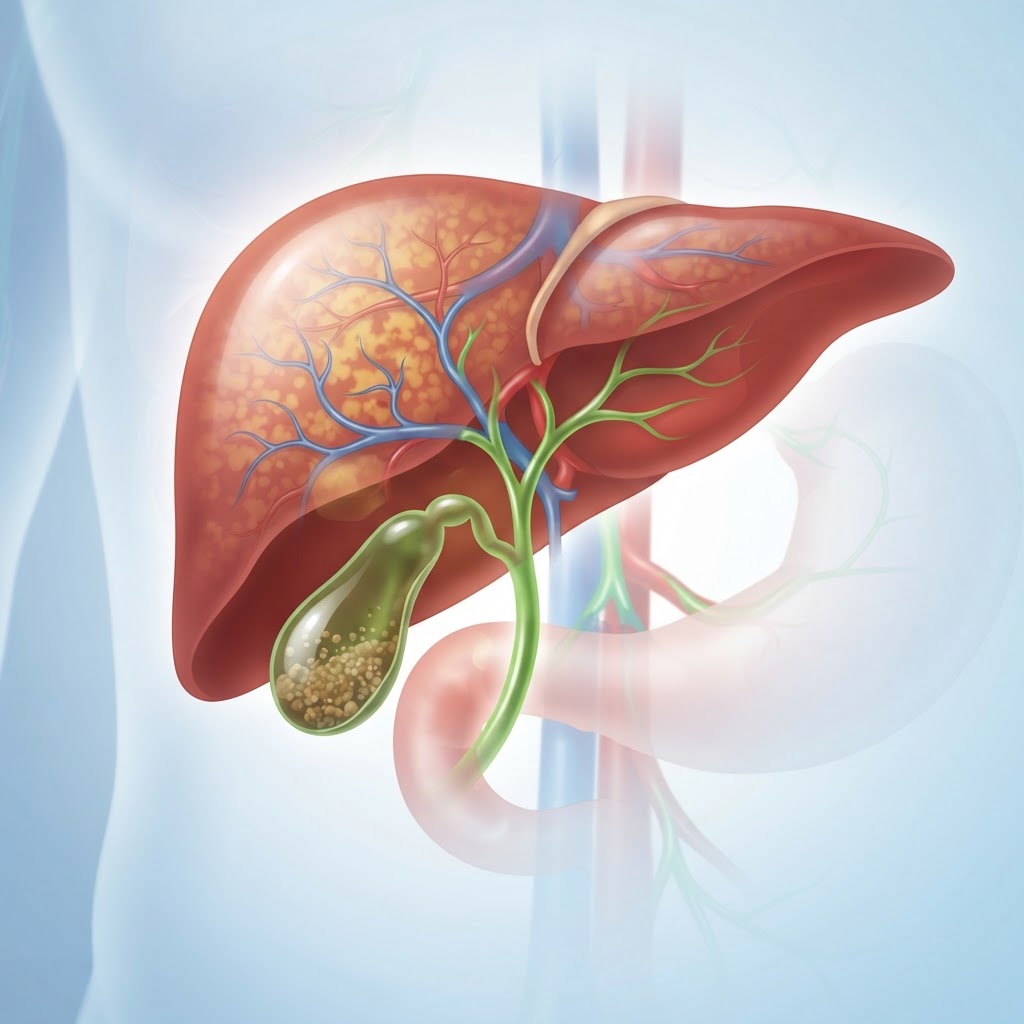
- The liver and gallbladder share a complex functional relationship where bile production and efficient secretion are critical for metabolic health.
- Bile sludge acts as a precursor to gallstones and is often an overlooked indicator of impaired detoxification pathways.
- There is a profound fatty liver gallbladder connection, as excess liver fat often disrupts the chemical composition and flow of bile.
- Chronic inflammation serves as a bridge between NAFLD and bile sludge, creating a cycle of metabolic stress that affects the entire digestive tract.
- Improving bile flow requires a multi-faceted approach involving dietary adjustments, hydration, and targeted lifestyle modifications to support liver function.
The health of your digestive system is defined by a silent, constant collaboration between two vital organs: the liver and the gallbladder. While we often treat these systems as isolated parts of the body, they operate as a single, integrated axis. When this axis is compromised—most notably by the accumulation of fat in the liver and the subsequent thickening of bile—a cascade of health issues often follows. Navigating the relationship between NAFLD and bile sludge requires more than just a surface-level understanding of digestion; it demands an appreciation for how our internal chemistry dictates our energy levels, hormonal balance, and long-term metabolic health. In this article, the healthauthoritylife Editorial Team explores why the liver-gallbladder link is the linchpin of your well-being and how addressing stagnant bile might be the missing piece in your wellness journey.
Understanding the Liver-Gallbladder Axis
To understand the liver-gallbladder axis, it is helpful to view it as a high-capacity manufacturing and storage facility. The liver is the factory, constantly working to process nutrients, synthesize proteins, and detoxify substances. A primary byproduct of this metabolic activity is bile—a golden, watery fluid that serves two essential purposes: it aids in the emulsification and absorption of fats, and it acts as the primary vehicle for excreting waste products, including cholesterol and spent hormones, out of the body through the stool.
The gallbladder, on the other hand, is the reservoir. Once the liver produces bile, it is concentrated and stored in the gallbladder until a meal—specifically one containing fat—triggers a release. When you eat, the gallbladder contracts, injecting a concentrated dose of bile into the small intestine. This intricate timing is where the “axis” functions at its best. If the liver is overburdened or the gallbladder is sluggish, this rhythm breaks down, leading to a bottleneck in your digestive process.
Many people fail to realize that the gallbladder relies entirely on the liver’s input to maintain the correct chemical consistency of bile. If the liver is struggling with metabolic stressors—such as an excess intake of refined carbohydrates or high levels of oxidative stress—the bile it creates can become too thick or imbalanced. This is where the fatty liver gallbladder connection begins to show its cracks. When the bile is not properly formulated, the gallbladder struggles to perform its contraction-and-release cycle efficiently, leading to stasis. This is not just a localized digestive concern; because bile is responsible for binding to fat-soluble toxins, poor bile flow essentially keeps toxins circulating in your system longer than they should be, placing an additional tax on the liver. Furthermore, the bile flow improvement process is inherently tied to liver health. You cannot have a healthy gallbladder without a liver that is capable of producing thin, free-flowing bile. By supporting the liver’s ability to process fats and stabilize blood glucose, you are simultaneously alleviating the pressure on your gallbladder, creating a synergistic effect that promotes systemic detoxification and digestive comfort.
What Is Bile Sludge and How Does It Form?
Bile sludge, often referred to by medical professionals as biliary sludge, is a mixture of particulate solids that collect within the gallbladder. While healthy bile should remain a fluid, viscous liquid, sludge represents a transition state—a “mushy” collection of cholesterol crystals, calcium salts, and pigments. Over time, if this sludge is not cleared out regularly, it can aggregate into larger stones, potentially leading to obstruction or inflammation.
The formation of sludge is rarely an acute event; it is almost always the result of chronic stagnation. When the gallbladder fails to empty completely during a meal, bile sits in the gallbladder for extended periods. During this time, water is reabsorbed through the gallbladder wall, causing the bile to become increasingly concentrated. As the concentration rises, the solubility of cholesterol decreases, causing it to precipitate out as microscopic crystals. These crystals then act as a base, attracting other debris and mucus to form the gritty, toothpaste-like consistency of sludge.
Several factors accelerate this process. A diet low in dietary fiber is a primary culprit, as fiber helps bind to bile acids in the intestine and encourages their excretion, which signals the liver to produce fresh, thinner bile. Conversely, rapid weight loss, certain medications, and hormonal fluctuations can also influence how the gallbladder contracts. However, the most significant factor is often the chemical composition of the bile itself, which is dictated by the liver. When a person is experiencing NAFLD, the liver’s metabolic output is frequently altered. The lipid metabolism within a “fatty” liver can result in bile that is hyper-saturated with cholesterol, providing the perfect environment for sludge to develop. Understanding that bile sludge is not just an “annoying digestive issue” is the first step toward better health. It is a sign that your body’s natural elimination pathways are struggling to flush out the debris of daily metabolism. If left unaddressed, this sludge can contribute to a chronic state of inflammation that prevents the body from recovering from metabolic challenges, including the accumulation of liver fat itself.
| Approach | Methodology | Best For |
|---|---|---|
| Nutritional Support | Increasing soluble fiber and bitter herbs | Daily bile thinning and maintenance |
| Hydration Strategy | Consistent intake of filtered water and electrolytes | Improving total bile volume/viscosity |
| Meal Timing | Regulated, balanced meals to trigger contraction | Preventing stagnation and buildup |
| Targeted Lipids | Incorporating healthy fats like phospholipids | Short-term bile flow improvement |
The Connection Between NAFLD and Stagnant Bile
The link between NAFLD and bile sludge is a classic “chicken or the egg” scenario in metabolic medicine. We know that the liver is responsible for clearing lipids and maintaining metabolic homeostasis. When that system is overloaded—as is the case with NAFLD—the liver’s ability to manufacture healthy, free-flowing bile is frequently diminished. This, in turn, affects the gallbladder, which becomes a repository for the thick, poor-quality bile that the struggling liver produces. This is the fatty liver gallbladder connection in practice.
When the liver is burdened by excess fat, it undergoes cellular stress that impacts its enzymatic functions. Bile acids, which are synthesized from cholesterol, are essential for digestion. In a fatty liver, the balance of these acids is often disrupted. The resulting bile is less effective at emulsifying fats, which means that the dietary fats you consume are harder to digest. This leads to a vicious cycle: poor digestion means the body struggles to get the necessary nutrients to repair the liver, while the gallbladder continues to store sluggish bile that contributes to systemic toxicity. This relationship highlights why addressing NAFLD requires more than just targeting liver fat; you must also address the efficiency of the entire biliary tree.
Furthermore, the inflammation generated by NAFLD acts as a irritant to the biliary system. The liver doesn’t just output bile; it outputs inflammatory markers that circulate through the biliary duct system. This chronic low-grade inflammation can cause the gallbladder to become hypersensitive or, conversely, less responsive to the signals that tell it to contract. When the gallbladder does not empty effectively, the bile sits and thickens, leading to sludge. This stagnation isn’t just a side effect; it’s a contributor. Stagnant bile increases the concentration of substances that can be toxic to the liver cells, effectively encouraging more fat accumulation. If you are working toward improving liver health, ignoring the gallbladder is a common oversight that often leads to a plateau in results. By focusing on bile flow improvement, you assist the liver in its detoxification duties, allowing it to offload its burden more effectively. This creates the physiological breathing room the liver needs to mobilize stored fat and begin the process of structural repair. Ultimately, the health of your liver is inextricably tied to the flow of bile; when one fails, the other almost certainly suffers.
Common Symptoms of Poor Bile Flow
Recognizing the signs of stagnant bile is an essential skill for anyone managing their metabolic health. Because bile is central to digestion, the symptoms of poor flow often manifest in the gastrointestinal tract, but they can also ripple out to affect your skin, energy, and hormonal balance. Many individuals dismiss these symptoms as “typical” digestive discomfort, but when they occur frequently, they are often a signal that your liver-gallbladder axis is in need of support.
One of the most classic signs of poor bile flow is post-prandial discomfort, particularly after eating fatty meals. If you find yourself feeling unusually bloated, nauseated, or sluggish after a meal that includes even healthy fats, it is a strong indicator that your gallbladder is not receiving or secreting the necessary bile to break down those fats effectively. This discomfort can sometimes present as a dull, localized ache under the right rib cage, where the gallbladder resides. While this is not always a sign of gallstones, it is a hallmark of “fullness” or pressure in the gallbladder associated with sludge.
Beyond digestive distress, stagnant bile symptoms frequently include changes in stool quality. Because bile pigments are responsible for the brown color of stool, poor flow can lead to pale, light-colored, or floating stools, which often indicate that fat is not being properly digested and is instead being excreted. On a systemic level, poor bile flow can affect your skin and energy. Since bile is the primary route for the body to excrete excess cholesterol and fat-soluble toxins, a backup in this system can lead to an increased toxic load, which often manifests as chronic fatigue, skin breakouts, or even a feeling of being “toxic” or “heavy.”
Furthermore, those with chronic poor bile flow often report difficulty with fat-soluble vitamin absorption. Vitamins A, D, E, and K require bile for assimilation. Even if you are taking high-quality supplements, a lack of adequate bile flow can render them ineffective, leading to signs of deficiency such as dry skin, brittle nails, or immune system fatigue. Many people overlook these symptoms, assuming they are just signs of getting older or being stressed, but they are often highly manageable through dietary changes and lifestyle adjustments. By tracking these symptoms alongside your diet, you can begin to identify the specific triggers that contribute to your stagnation, allowing for a more tailored approach to liver detox tips and biliary support. Understanding these markers is a powerful tool for taking control of your internal health.
How Chronic Inflammation Impacts Bile Production
Chronic inflammation is the invisible orchestrator of metabolic dysfunction. When we discuss the liver and gallbladder, it is essential to view inflammation not just as a symptom of disease, but as a driving force that actively changes the chemistry of your body. In the context of NAFLD, the liver is almost always in a state of chronic, low-grade inflammation. This inflammatory environment fundamentally alters the production and composition of bile at the cellular level.
Under normal conditions, the liver maintains a precise balance of bile acids, phospholipids, and cholesterol. This ratio ensures that the bile remains liquid and flows easily through the biliary ducts. However, inflammatory cytokines—signaling molecules released by the immune system in response to liver fat and other stressors—disrupt these pathways. They can downregulate the transporters responsible for pumping bile into the ducts, causing a backup of bile into the liver cells, a condition known as cholestasis. When bile flow is impeded at the source, the liver effectively “stews” in its own waste products, which further fuels the inflammatory response.
This inflammatory cascade also affects the gallbladder’s sensitivity. Inflammation alters the nerve signals that regulate gallbladder contraction, often leading to a situation where the gallbladder becomes less responsive to the hormonal signals (such as cholecystokinin) that occur after eating. If the gallbladder doesn’t contract when needed, the bile sits stagnant, becoming more concentrated and susceptible to sludge formation. The connection here is cyclical: inflammation leads to poor bile flow, and poor bile flow leads to the accumulation of toxic compounds that cause even more inflammation. This is why many effective liver detox tips focus on reducing systemic inflammation rather than just “flushing” the organs.
Mitigating this inflammation is the key to breaking the cycle. This involves addressing the root causes of the stress on the liver, which usually includes managing blood sugar, reducing intake of pro-inflammatory oils, and increasing the consumption of antioxidant-rich foods. Furthermore, certain phytonutrients have been shown to help calm the biliary tree and support healthy bile production. By lowering the total inflammatory load on the liver, you allow the hepatocytes (liver cells) to return to their normal functional rhythm. When the liver is no longer fighting a constant battle against inflammation, it can dedicate more energy to producing high-quality, free-flowing bile. This restoration of function is essential for the reversal of NAFLD symptoms and the long-term health of the gallbladder. As the bile quality improves, the gallbladder is better able to do its job, and the digestive system begins to operate with the efficiency it was designed to have, ultimately supporting better metabolic health and improved overall vitality.
Testing for Bile Issues and Fatty Liver
Because the symptoms of NAFLD and bile sludge often overlap—such as upper-right quadrant discomfort, digestive distress, and fatigue—clinical diagnostic testing is essential to differentiate between the two or identify a comorbid condition. When you visit a healthcare professional, they typically initiate testing with a combination of blood panels and non-invasive imaging to assess the structural and functional health of the hepatobiliary system.
Blood work is often the first line of defense. Liver function tests (LFTs) measure enzymes such as ALT (alanine aminotransferase) and AST (aspartate aminotransferase), which often elevate when the liver cells are inflamed due to fatty infiltration. A lipid panel and a fasting glucose test are also standard, as NAFLD is frequently tied to metabolic syndrome. To specifically look at bile health, clinicians may check serum bilirubin and alkaline phosphatase levels; elevated alkaline phosphatase can sometimes indicate biliary obstruction or the presence of sludge.
Imaging serves as the “gold standard” for visualizing the liver and gallbladder directly. An abdominal ultrasound is the most common diagnostic tool for identifying both conditions. It can reveal “bright liver” echoes, which indicate the presence of fat, while simultaneously spotting “sludge balls” or gallbladder microlithiasis. If the ultrasound results are inconclusive, an HIDA scan (cholescintigraphy) may be utilized to measure the ejection fraction of the gallbladder, helping to determine if the organ is contracting effectively to move bile into the small intestine.
Dietary Strategies to Improve Bile Thinning
Dietary modification is arguably the most powerful tool for reversing the fatty liver gallbladder connection. Stagnant bile is often the result of poor fat metabolism and a lack of specific nutrients that stimulate the liver to produce thin, free-flowing bile. The goal is to move from a pro-inflammatory diet to one that acts as a natural “choleretic,” or bile-flow stimulator.
Cruciferous vegetables are perhaps the most important addition to your plate. Broccoli, cauliflower, Brussels sprouts, kale, and arugula contain compounds that support phase II liver detoxification. By increasing your intake of these bitter greens, you provide the liver with the sulfur-containing precursors necessary to produce high-quality bile. Furthermore, bitter herbs—such as dandelion greens, radicchio, and endive—trigger the gustatory nerves in the mouth, which signal the gallbladder to prepare for contraction, essentially “priming” your digestive tract before a meal.
Hydration cannot be overstated. Bile is approximately 97% water. When a person is chronically dehydrated, the liver struggles to synthesize bile with the correct viscosity, leading to sludge. Increasing your water intake, particularly by adding lemon or apple cider vinegar, can aid in the thinning process. The acidity of these additives helps mimic the stomach acid required to stimulate the CCK (cholecystokinin) hormone, which is responsible for gallbladder contraction.
Healthy fats are often feared by those with gallbladder issues, but they are necessary to prevent stagnation. If the gallbladder does not receive a fat trigger, it does not empty. However, the type of fat matters. Incorporating medium-chain triglycerides (MCTs) from coconut oil or omega-3 fatty acids from wild-caught salmon can provide the liver with the fuel it needs without putting the same strain on the biliary tract as trans-fats or heavy processed oils.
| Dietary Component | Action Mechanism | Best For |
|---|---|---|
| Bitter Greens | Stimulates gustatory nerve reflex for bile release | Immediate digestive priming |
| MCT Oil | Bypasses biliary system, reduces liver load | Energy support without gallbladder stress |
| Cruciferous Veggies | Provides sulfur for bile production | Long-term liver detox support |
| Hydration + Lemon | Optimizes bile viscosity | Daily maintenance of bile flow |
Lifestyle Habits to Support Optimal Bile Flow
Lifestyle habits dictate the rhythmic nature of your liver and gallbladder health. The gallbladder operates on a circadian-like rhythm, emptying most effectively during scheduled meal times. Skipping meals or intermittent fasting for too long without proper preparation can actually cause bile to sit in the gallbladder for extended periods, thickening into sludge. To maintain flow, aim for consistent, moderate-sized meals that include a small amount of healthy fat to keep the “biliary pump” active.
Stress management is another critical, yet often overlooked, component. The gallbladder is governed by the parasympathetic nervous system (the “rest and digest” state). When you are under chronic stress, your body enters a sympathetic (“fight or flight”) state, which shuts down digestive secretions. Eating while stressed or on the move effectively guarantees poor bile release. Practicing deep, diaphragmatic breathing before meals can switch your system into a parasympathetic state, ensuring the sphincter of Oddi—the valve that releases bile—relaxes to allow flow.
Movement, specifically core-activating exercise, acts as an internal massage for the liver and gallbladder. Walking, yoga, and gentle twists help compress and release the abdominal organs, physically encouraging the movement of lymph and bile. Even ten minutes of low-impact movement after a meal can aid in stabilizing blood sugar and promoting the mechanical release of bile from the gallbladder.
When to Consult a Professional About Liver Health
While lifestyle changes are effective for mild NAFLD and minor bile sludge, there are “red flag” symptoms that mandate an immediate consultation with a gastroenterologist or hepatologist. If you experience persistent abdominal pain, particularly in the upper right quadrant that radiates to the shoulder, this could indicate a blocked bile duct or acute gallbladder inflammation.
Seek medical attention if you notice changes in your stool color (pale or clay-colored stools) or if your skin or the whites of your eyes develop a yellow tint (jaundice). These are signs that bile is not reaching the intestines and is instead backing up into the bloodstream, which is a medical emergency. Additionally, if you have been managing your diet for several months with no improvement in liver enzyme panels or if you experience unexplained, rapid weight loss, professional diagnostic testing is necessary to rule out advanced scarring (fibrosis) of the liver.
Natural Supplements That Support Liver and Gallbladder Synergy
Supplementation should be viewed as an adjunct to diet rather than a replacement. When used strategically, specific compounds can assist in thinning bile and protecting liver cells from the damage associated with fat accumulation.
TUDCA (Tauroursodeoxycholic acid): A water-soluble bile salt that is widely regarded for its ability to thin bile and protect liver cells from programmed cell death. It is often recommended by those looking to clear biliary congestion.
Milk Thistle (Silymarin): This herb is a classic liver protectant. It supports the production of glutathione, the body’s master antioxidant, which helps the liver process toxins that would otherwise contribute to fatty liver disease.
Beet Root Extract: Beets contain betaine, a compound that supports liver function and helps the liver process fats more efficiently. It is also thought to help improve the fluidity of bile.
Ox Bile: For those who have sluggish digestion or have had their gallbladder removed, ox bile supplementation can provide the necessary bile acids to ensure the breakdown and absorption of fats, preventing the bloating and stagnation often associated with poor fat metabolism.
Frequently Asked Questions
Can bile sludge be reversed naturally?
In many cases, yes. By focusing on a diet that stimulates regular gallbladder contractions and thinning bile, many individuals report a reduction in sludge. This involves eating regular, healthy meals, staying hydrated, and potentially utilizing targeted supplements under guidance.
Is fatty liver the same as having a bad gallbladder?
No, they are different conditions, but they are closely linked. Fatty liver involves the accumulation of fat in liver cells, while bile sludge involves the thickening of digestive fluid in the gallbladder. Because both rely on the same pathway for metabolism, one often puts stress on the other.
Does coffee help with bile flow?
Some evidence suggests that moderate coffee consumption can be beneficial for liver health and may stimulate gallbladder contractions. However, it should not be considered a substitute for a balanced diet and proper hydration.
What does it feel like to have stagnant bile?
Common symptoms include a feeling of heaviness or pressure under the right rib cage, bloating after meals (especially fatty ones), nausea, light-colored stools, and a general feeling of sluggishness or lethargy, particularly in the afternoon.
Can I have fatty liver if I don’t drink alcohol?
Yes, that is the definition of Non-alcoholic fatty liver disease (NAFLD). It is typically caused by metabolic factors like insulin resistance, high sugar intake, and a sedentary lifestyle, rather than alcohol consumption.
How long does it take to clear gallbladder sludge?
The timeline varies depending on the severity of the sludge and how strictly you adhere to dietary and lifestyle changes. Some people notice improvement in digestive symptoms within a few weeks, while significant changes in liver or gallbladder imaging may take several months of consistent effort.
Conclusion
The connection between your liver and gallbladder is the cornerstone of your metabolic health. NAFLD and bile sludge are not merely isolated issues; they are signals from your body that your digestive and detoxification pathways require support. By prioritizing nutrient-dense, bitter-rich foods, maintaining consistent eating patterns, and managing your stress, you can significantly influence your internal environment to promote thin, free-flowing bile and a healthy, fat-free liver. Remember, the journey to wellness is built on daily, sustainable habits. Start by adding one bitter vegetable to your dinner tonight or committing to a post-meal walk. If you are concerned about persistent symptoms, consult with a healthcare professional to establish a personalized plan that addresses your unique needs.
By healthauthoritylife Editorial Team
This article is for informational purposes only and is not a substitute for professional medical advice. Always consult your doctor before making changes to your diet, exercise routine, or treatment plan.
Leave a Reply