
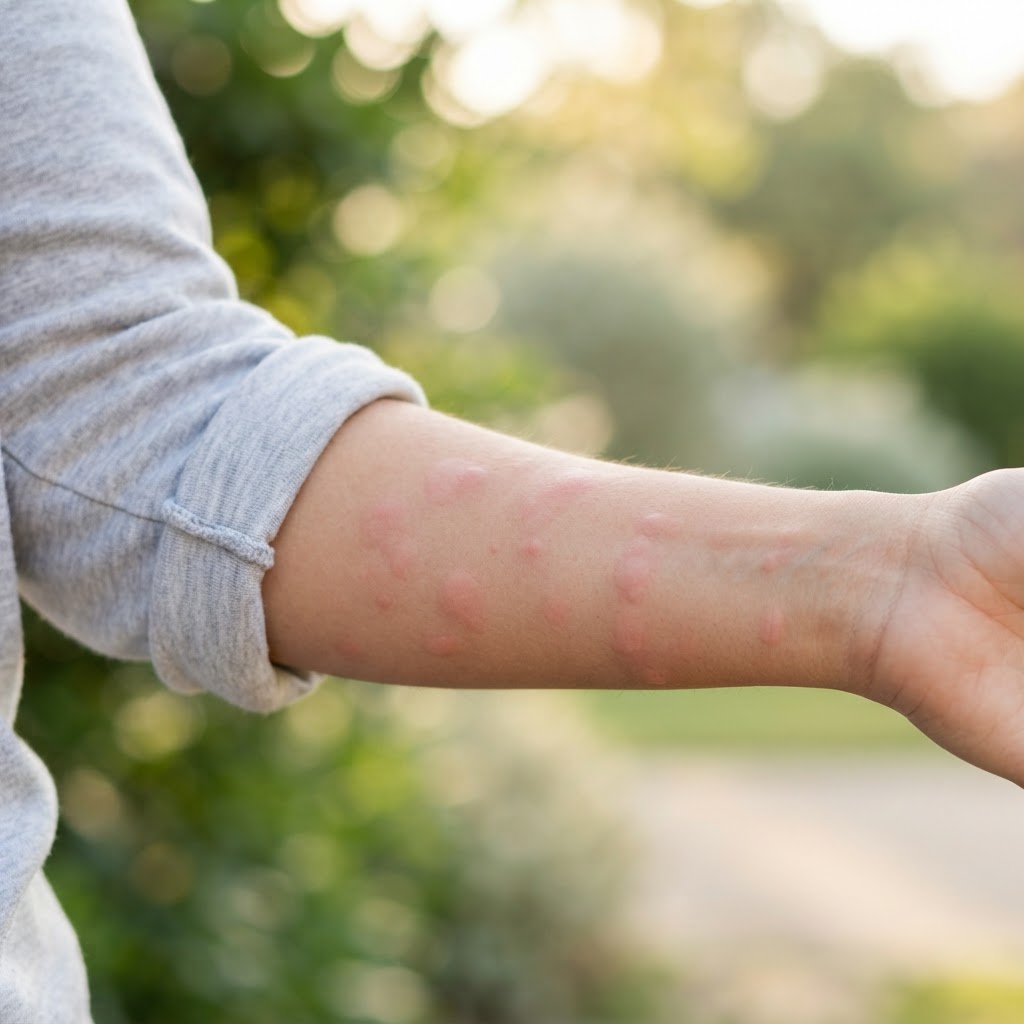
- Chronic urticaria is defined by hives lasting six weeks or longer, often without a singular, obvious cause.
- Mast cell activation plays a central role in releasing inflammatory mediators that trigger itchy skin patches.
- Leaky gut and systemic inflammation are increasingly recognized as primary drivers of persistent skin reactivity.
- Managing triggers—ranging from diet to stress—is often more effective than relying solely on symptomatic medication.
- A low-histamine lifestyle and gut-healing protocols are powerful tools for managing flare-ups naturally.
Living with skin that seems to betray you can be an exhausting, isolating experience. For those navigating the persistent itch and swelling of chronic hives, the journey often feels like a never-ending cycle of trial and error. Whether you are dealing with spontaneous flares or the specific patterns of dermatographic urticaria, the frustration is real. When your skin inflammation persists for weeks or months, it is time to look deeper than surface-level solutions. At the healthauthoritylife Editorial Team, we believe that understanding the physiological roots of these outbreaks is the first step toward reclaiming your comfort. This guide explores the complex mechanisms behind chronic urticaria, uncovering how your internal environment—from your gut microbiome to your immune system—directly influences your skin health.
What Is Chronic Urticaria and Why Does It Happen?
Chronic urticaria, often referred to simply as chronic hives, is a medical condition characterized by the recurrent appearance of itchy, raised welts (wheals) or deeper skin swelling (angioedema) that persists for six weeks or longer. Unlike acute hives, which typically appear suddenly as a reaction to a specific allergen like a bee sting or a certain medication, chronic hives often lack a clear, singular cause. This unpredictability makes the condition particularly challenging to manage, as patients often find themselves searching for a “trigger” that may not be an external substance at all, but rather an internal state of immune imbalance.
To understand why this happens, we must look at the skin as an active immune organ rather than a passive barrier. In individuals with chronic hives, the immune system—specifically the mast cells—is in a state of hyper-vigilance. These cells, which reside in the tissues throughout the body, are responsible for releasing histamine and other chemical mediators in response to perceived threats. In chronic urticaria, these mast cells are essentially “trigger-happy.” They release their inflammatory payload without an actual foreign invader, leading to the vasodilation and fluid leakage that creates the characteristic red, raised, and itchy hives. While some cases are linked to underlying autoimmune conditions, where the body creates antibodies that target its own mast cells, many others remain “idiopathic,” meaning the exact mechanism remains unclear. However, modern functional health perspectives suggest that these flare-ups are rarely random; they are usually the final signal of systemic inflammation attempting to express itself through the largest organ in the body: the skin.
Another common presentation is dermatographic urticaria, where the skin becomes so sensitive that the mere act of stroking, rubbing, or applying pressure to the skin results in raised, red lines. This is essentially a localized version of mast cell hypersensitivity. The physical stimulus triggers a disproportionate release of inflammatory chemicals right at the site of contact. For those struggling with this, the skin barrier appears fragile and prone to reacting to even the mildest friction, such as tight clothing or even a bedsheet. Understanding that chronic urticaria is an expression of systemic signaling rather than a localized skin “rash” is the pivot point for finding effective relief. By shifting the focus from suppressing the symptoms on the skin to calming the immune system internally, many individuals find that they can significantly reduce the frequency and severity of their outbreaks.
Common Internal Triggers for Persistent Hives
When searching for the root cause of chronic hives, it is tempting to scan the room for pollen or check the ingredient label of your latest meal. While external contact allergens are common culprits for acute cases, chronic urticaria is frequently driven by internal stressors that keep the immune system on high alert. If the immune system is already overburdened by internal factors, it becomes much more reactive to minor environmental triggers that would normally be ignored. One of the most prevalent yet overlooked triggers is sub-clinical infection. Persistent, low-grade infections—such as those involving common bacteria in the sinuses, the dental roots, or the digestive tract—can provide a constant stimulus to the immune system. Because the body is constantly “on the hunt” for these pathogens, the mast cells become primed for action, leading to a state of chronic inflammation that manifests on the skin.
Another major driver is hormonal fluctuation. We often hear of “stress hives,” but the mechanism goes deeper than just feeling overwhelmed. Cortisol, the primary stress hormone, is meant to be anti-inflammatory; however, when the body experiences chronic stress, the cells can become desensitized to cortisol, leading to an unregulated inflammatory response. Furthermore, thyroid dysfunction is a well-documented internal trigger. There is a documented association between autoimmune thyroid conditions and chronic urticaria, suggesting that when the endocrine system is struggling, the skin is one of the first places to reflect that imbalance. Addressing these internal factors requires a comprehensive look at your health history.
The following table illustrates the various triggers and the primary approach to managing them, helping you categorize where your own sensitivities might lie:
| Trigger Category | Example | Best For |
|---|---|---|
| Dietary Histamines | Aged cheeses, fermented foods | Immediate reduction of load |
| Chronic Inflammation | Undiagnosed dental or sinus issues | Long-term systemic resolution |
| Physical Pressure | Dermatographic urticaria, tight belts | Protective barrier maintenance |
| Emotional Stress | Work pressure, life transitions | Nervous system regulation |
Beyond infections and hormones, the accumulation of environmental toxins—such as heavy metals or mold exposure in the home—can act as a persistent irritant. Your liver, which is responsible for processing these toxins, can become overwhelmed. When the liver is congested, the body may attempt to shunt toxins out through the skin. If your skin is already prone to inflammation, this additional load can trigger a hive outbreak. Identifying these internal triggers is not about finding one single “villain,” but rather about peeling back the layers of your unique health puzzle to identify which systems require the most support.
The Connection Between Mast Cell Activation and Hives
To truly grasp why hives persist, one must understand the role of mast cells. These are not merely passive cells waiting for an allergen; they are sophisticated sentinels of the innate immune system. Mast cells are found in high concentrations in areas that interface with the outside world—the skin, the respiratory tract, and the gut lining. Under normal conditions, they provide a protective function, releasing histamine and other mediators to help fight off invaders. However, in cases of chronic urticaria, these cells experience what is known as “mast cell activation.” This is a state where the cells become unstable and degranulate (release their internal contents) far too easily, or in response to triggers that should be benign.
This activation is not just about histamine. While histamine is the most famous culprit—responsible for the itch, the heat, and the swelling—mast cells contain a vast pharmacy of other inflammatory substances, including leukotrienes, prostaglandins, and various cytokines. When a mast cell is triggered, it releases a “cocktail” of these chemicals. This is why standard antihistamines, which only block the histamine receptor, are often only partially effective for many people. If your mast cells are releasing leukotrienes as well, a simple H1-blocker will leave the underlying inflammation largely unaddressed. This is a critical realization for anyone seeking natural relief for hives, as it suggests the solution must involve stabilizing the mast cell membrane itself rather than just mopping up the histamine after it has already been released.
What causes this instability? Research suggests that the “threshold” for mast cell degranulation can be lowered by a variety of factors. Nutrient deficiencies, particularly in minerals like magnesium or vitamins like B6 and vitamin C, can leave these cells fragile. Conversely, high levels of systemic oxidative stress can oxidize the cellular membranes of mast cells, making them more prone to bursting. Think of your mast cells like a balloon filled with water. If the balloon (the cell membrane) is strong and thick, it takes a significant amount of force (an allergen) to make it pop. But if the balloon is thin and brittle due to systemic inflammation or nutrient depletion, even a gentle poke—like a change in ambient temperature or a stressful thought—can cause it to burst and release its contents. Natural support strategies for chronic hives, therefore, focus on “strengthening the balloon.” This involves optimizing nutritional status, reducing the burden of oxidative stress, and supporting the body’s natural anti-inflammatory pathways to keep the mast cells quiet and stable.
How Leaky Gut Contributes to Skin Inflammation
The relationship between your digestive tract and your skin is profound, often referred to by experts as the “gut-skin axis.” If you are dealing with chronic hives, your gut should be one of the first areas to investigate. A healthy gut lining acts as a highly selective barrier, allowing nutrients to pass into the bloodstream while keeping undigested food particles, toxins, and bacteria safely inside the digestive tract. When this barrier is compromised—a condition commonly called “leaky gut” or increased intestinal permeability—large particles can slip through into the bloodstream. This is a red flag for the immune system, which interprets these particles as foreign invaders and mounts an inflammatory defense.
Because the gut is the largest immune organ in the body, when it is under siege, the entire immune system becomes activated. This systemic inflammation rarely stays contained in the gut. The immune cells, primed and angry from dealing with digestive debris, circulate throughout the body. When they encounter the skin, they can initiate or exacerbate inflammatory skin conditions. Furthermore, many of the mast cells mentioned previously are located right in the lining of the gut. When the gut barrier is damaged, these mast cells are constantly being provoked by gut-derived irritants, keeping them in a perpetual state of readiness to release histamine. This creates a vicious cycle: the gut is inflamed, the mast cells are agitated, and the skin reacts with hives.
Addressing the gut is not just about changing what you eat; it is about restoring the integrity of the mucosal lining. Chronic inflammation, overuse of certain medications, and a diet high in processed foods can all erode this protective layer. Conversely, identifying and removing food sensitivities is a vital step. When you have a leaky gut, you may develop temporary sensitivities to foods that you previously tolerated well. By rotating these foods out and incorporating gut-healing nutrients—such as collagen, L-glutamine, and bone broth—you can provide the raw materials necessary for the gut to repair itself. As the gut lining heals, the “leaking” stops, the systemic immune burden drops, and for many, the skin begins to quiet down. This is the cornerstone of sustainable, long-term relief for chronic urticaria.
Dietary Strategies to Reduce Histamine and Skin Flare-ups
Dietary modification is often the most accessible tool for managing chronic hives. However, it is important to distinguish between an “allergy diet” and a “low-histamine diet.” While you may have specific food allergies, a low-histamine approach is different; it focuses on reducing the total load of histamine in your system, giving your body a chance to clear its backlog. Histamine is found naturally in many healthy foods, particularly those that have been aged, fermented, or stored for long periods. If your mast cells are already unstable, these foods act like adding fuel to a fire. The goal of a low-histamine strategy is not to eliminate histamine forever, but to lower the systemic levels until your skin clears, then gradually reintroduce foods to find your personal threshold.
High-histamine foods to consider temporarily limiting include aged cheeses, cured meats like salami and pepperoni, fermented vegetables (like sauerkraut and kimchi), kombucha, certain vinegars, and alcoholic beverages, especially red wine and beer. It is also helpful to be mindful of “histamine liberators”—foods that do not necessarily contain high levels of histamine but trigger your own mast cells to release more. Common culprits include citrus fruits, tomatoes, egg whites, and some artificial food dyes. While these are nutritious foods for the general population, they can be significant hurdles for those currently experiencing active hives. Keeping a simple food and symptom journal can be an eye-opening exercise; you might discover that a seemingly “healthy” bowl of fermented vegetables is actually the trigger for your afternoon flare-up.
Beyond avoiding triggers, focus on the “freshness factor.” Histamine levels increase in foods as they age or sit in the refrigerator. Opting for freshly prepared meals rather than leftovers can significantly lower your histamine intake. Furthermore, focus on increasing your intake of natural mast cell stabilizers and anti-inflammatory foods. Quercetin, a bioflavonoid found in red onions, apples, and kale, is well-regarded for its ability to stabilize mast cells. Including foods rich in vitamin C and omega-3 fatty acids can also help to soothe skin inflammation from the inside out. Remember that this dietary phase is meant to be a therapeutic tool, not a life sentence. As you resolve the underlying issues—healing the gut and balancing the immune system—many people find that their tolerance for these foods naturally returns, allowing them to enjoy a broader, more varied diet once again.
The Role of Nutrient Deficiencies in Skin Health
The skin acts as a protective barrier and an internal mirror, often reflecting the nutritional status of the body. When dealing with chronic urticaria, the skin is in a state of heightened surveillance and inflammation. If the body lacks the raw materials necessary for cellular repair and immune regulation, the inflammatory response to triggers can become exaggerated and persistent. Nutrient deficiencies may not be the sole cause of chronic hives, but they frequently act as exacerbating factors that keep the immune system in a state of hyper-responsiveness.
Vitamin D deficiency is among the most commonly discussed nutritional factors in dermatology. Vitamin D is not merely a vitamin; it functions as a potent hormone that modulates immune function. Many individuals with skin inflammation show lower levels of serum vitamin D, and ensuring optimal levels may help stabilize mast cells. When mast cells are unstable, they release histamine more readily, leading to the itchy, raised welts characteristic of urticaria.
Similarly, the B-vitamin complex, particularly B12 and folate, plays a critical role in DNA synthesis and the repair of skin cells. A deficiency in these vitamins can hinder the skin’s ability to recover from the damage caused by frequent breakouts. Additionally, trace minerals like zinc and selenium are essential for antioxidant defense. Zinc, in particular, is vital for maintaining the structural integrity of the skin and supporting the body’s natural anti-inflammatory pathways. Without adequate zinc, the skin may be more susceptible to the irritating effects of environmental triggers, including friction-based conditions like dermatographic urticaria.
Omega-3 fatty acids, often classified as essential nutrients, are fundamental in managing the inflammatory cascade. A high ratio of Omega-6 to Omega-3 fatty acids in the modern diet is thought to promote systemic inflammation. Increasing the intake of high-quality Omega-3s—found in cold-water fish, flaxseeds, and walnuts—can help dampen the chemical signaling that tells mast cells to degranulate. By focusing on nutrient density, individuals can provide their immune system with the resources it needs to switch from a reactive state to a resilient one.
Lifestyle Habits to Lower Systemic Inflammation
Managing chronic hives treatment requires a holistic approach that goes beyond topical creams. Lifestyle habits form the foundation of systemic health and can dictate the body’s inflammatory baseline. Reducing systemic inflammation often involves identifying and removing “hidden” sources of irritation in daily life.
One of the most effective ways to lower inflammation is through circadian rhythm regulation. Sleep is the time during which the body performs intensive repair on the skin barrier. Chronic sleep deprivation elevates cortisol levels, which can further disrupt immune function and worsen mast cell activation. Maintaining a consistent sleep-wake cycle helps regulate the hormonal environment, potentially reducing the frequency of hive outbreaks.
Hydration also plays a critical role. When the body is dehydrated, the skin’s protective moisture barrier weakens, making it more permeable to environmental allergens. Drinking filtered water throughout the day helps the lymphatic system clear metabolic waste and inflammatory mediators. Furthermore, physical movement, though potentially challenging for those with dermatographic urticaria, is essential. Low-impact activities like walking or restorative yoga can improve circulation and reduce the stress-induced inflammation that often triggers hives, provided the exercise environment is temperature-controlled and free of abrasive clothing.
Dietary choices remain the most significant lifestyle lever. An anti-inflammatory diet focused on whole, unprocessed foods—such as colorful vegetables, berries, and lean proteins—limits the intake of common histaminergic triggers. While high-histamine foods (like aged cheeses, fermented vegetables, and processed meats) affect individuals differently, a temporary reduction in these foods can help determine if diet is a primary driver of symptoms. Keeping a detailed food and symptom diary can help uncover these hidden triggers, turning dietary management from a guessing game into a structured wellness strategy.
| Supplement Category | Mechanism of Action | Best for |
|---|---|---|
| Quercetin | Natural mast cell stabilizer | Reducing acute histamine release |
| Vitamin D3 | Immune system modulation | Long-term skin barrier resilience |
| Omega-3 Fatty Acids | Reduces pro-inflammatory cytokines | Lowering overall body inflammation |
| Probiotics | Supports gut-immune axis | Improving chronic digestive-related hives |
| Magnesium Glycinate | Nervous system relaxation | Reducing stress-triggered outbreaks |
Natural Supplements That Support Immune Balance
When considering natural relief for hives, supplements are often viewed as a way to provide targeted support to the immune system. The goal here is not to suppress the immune system, but to bring it back into balance. Quercetin, a flavonoid found in onions, apples, and berries, is widely recognized for its ability to act as a natural mast cell stabilizer. By inhibiting the release of histamine from mast cells, quercetin may help reduce the severity of the inflammatory response during a breakout.
Probiotics also play a surprisingly large role in skin health. There is a strong connection between the gut microbiome and immune system reactivity. Research suggests that a diverse gut microbiome helps train immune cells to distinguish between harmless stimuli and actual threats. In some cases, addressing gut dysbiosis can significantly reduce the frequency of chronic hives. Choosing a probiotic strain that is histamine-neutral—meaning it does not produce histamine during fermentation—is an important consideration for those sensitive to high-histamine environments.
Vitamin C is another essential supplement for those dealing with chronic skin inflammation. Beyond its role in collagen synthesis, Vitamin C acts as a natural antihistamine in high doses. It helps speed up the breakdown of histamine in the blood, potentially shortening the duration of hives. However, it is vital to source these supplements from high-quality, reputable manufacturers, as purity and bioavailability can vary significantly. Always start with lower doses to monitor for any adverse reactions, as even natural substances can trigger sensitive immune systems.
Stress Management Techniques to Calm Nervous System Reactivity
The link between stress and chronic urticaria is well-documented in the wellness community. Chronic stress keeps the body in a state of “fight or flight,” a sympathetic nervous system response that releases adrenaline and cortisol. In a person prone to hives, this state of heightened alert can make the body hypersensitive, lowering the threshold required to trigger a hive breakout. Managing this reactivity is a crucial, if often overlooked, component of chronic hives treatment.
Breathwork is perhaps the most accessible tool for calming the nervous system. Techniques like “box breathing” or “4-7-8 breathing” stimulate the vagus nerve, which activates the parasympathetic nervous system—the body’s “rest and digest” mode. By consciously slowing the breath, you signal to your brain that the environment is safe, which can directly inhibit the release of stress-related chemicals that aggravate mast cells.
Meditation and mindfulness practices are also highly effective. These practices do not just reduce stress in the moment; over time, they restructure how the brain responds to stressors. For those suffering from the physical discomfort of hives, body-scanning techniques can help detach the mind from the sensations of itching and burning, preventing the “itch-scratch-itch” cycle from escalating. Additionally, setting boundaries in daily life—such as limiting exposure to high-stress work environments or digital stimuli—can prevent the cumulative load of stress that often leads to a physical outbreak.
When to Seek Professional Help for Chronic Skin Issues
While many individuals successfully manage their chronic hives through lifestyle adjustments, there are clear indicators that suggest professional intervention is necessary. If hives persist for more than six weeks, they are clinically classified as chronic. At this stage, it is important to work with an allergist or dermatologist to rule out underlying systemic conditions, such as autoimmune thyroid disorders, chronic infections, or other inflammatory pathologies.
Seek medical attention immediately if you experience “angioedema,” which involves deep swelling under the skin—often in the lips, eyelids, or throat. If you feel any difficulty breathing, throat tightness, or a sensation of your tongue swelling, this is a medical emergency that requires urgent care. Furthermore, if hives are accompanied by fever, joint pain, or significant fatigue, these may be signs of a more complex systemic issue that cannot be resolved with lifestyle changes alone. A professional can conduct blood work, skin prick tests, or patch testing to determine the precise nature of the irritation and provide a tailored plan that integrates medical treatments with your natural wellness goals.
Frequently Asked Questions
What is the difference between acute and chronic urticaria?
Acute urticaria typically resolves within six weeks and is often triggered by a specific allergy, viral infection, or medication reaction. Chronic urticaria lasts for six weeks or longer and is frequently idiopathic, meaning the specific cause is often difficult to identify and may involve complex immune system dysregulation.
Can stress really cause hives to appear on the skin?
Yes, emotional and physical stress triggers the release of neurotransmitters and hormones that can prompt mast cells to degranulate. This “stress-induced urticaria” occurs when the nervous system becomes overactive, leading to skin inflammation even in the absence of a traditional environmental allergen.
Is dermatographic urticaria a lifelong condition?
Dermatographic urticaria, where the skin raises into welts after light pressure or scratching, is often persistent but manageable. While it can last for years, many people find that the sensitivity of their skin decreases over time as they reduce systemic inflammation and address underlying triggers.
What are the most common foods that trigger hives in sensitive individuals?
Common triggers include high-histamine foods like aged cheeses, processed meats, fermented foods (such as sauerkraut), shellfish, and certain artificial food dyes or preservatives. However, “trigger foods” are highly individual; a food that causes hives for one person may be perfectly safe for another.
Can natural antihistamines replace prescription medication?
Natural antihistamines, such as quercetin, Vitamin C, and certain herbal preparations, can support the body’s inflammatory response, but they should not be used to replace essential medication without consulting a doctor. They are best viewed as complementary tools to help manage triggers alongside a professional treatment plan.
Are there specific laundry products that aggravate chronic hives?
Yes, many conventional laundry detergents contain fragrances, enzymes, and optical brighteners that are common skin irritants. Switching to fragrance-free, hypoallergenic detergents and avoiding fabric softeners can significantly reduce physical irritation for those with hyper-sensitive skin.
Conclusion
Navigating the complexities of chronic urticaria requires patience, observation, and a commitment to understanding your body’s unique language. By addressing nutrient deficiencies, prioritizing systemic calm, and making intentional lifestyle choices, you can create an internal environment that is less reactive and more resilient. While the road to relief may feel daunting, small, consistent changes—from identifying your personal triggers to calming your nervous system—can yield significant improvements in your quality of life. Remember, your skin is your body’s biggest organ; treating it with care, both inside and out, is the ultimate form of wellness.
If you have found these strategies helpful, consider sharing this guide with others who may be seeking natural ways to manage their skin health. Start your journey today by keeping a simple symptom diary to better understand your specific triggers.
By healthauthoritylife Editorial Team
This article is for informational purposes only and is not a substitute for professional medical advice. Always consult your doctor before making changes to your diet, exercise routine, or treatment plan.
Leave a Reply