
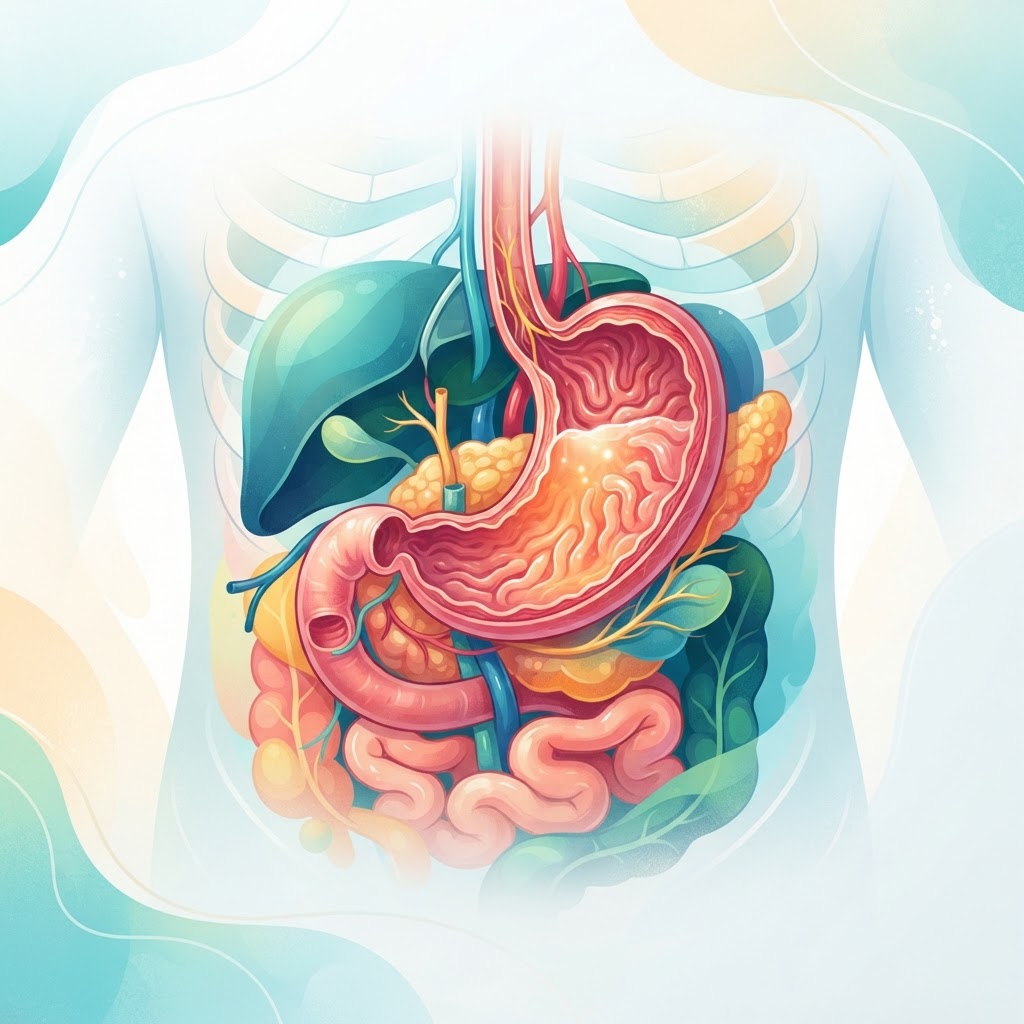
- Hypochlorhydria, or low stomach acid, is often overlooked as a root cause for chronic digestive distress and systemic nutrient deficiencies.
- Common signs like bloating, acid reflux, and undigested food in stool can be misleading, as they frequently mimic high-acid symptoms.
- The condition is often triggered by factors such as chronic stress, H. pylori infection, aging, and the frequent use of acid-suppressing medications.
- Stomach acid is the primary gateway for nutrient absorption, meaning its deficiency can lead to anemia, bone density issues, and fatigue.
- Restoring gastric health involves a multi-faceted approach, focusing on lifestyle modifications and gentle, natural support to improve stomach acid naturally.
When you sit down to enjoy a meal, you likely focus on the flavor, the social connection, or perhaps the nutritional value of your food. However, your body is simultaneously initiating one of the most complex chemical reactions in the human system: the production of hydrochloric acid (HCl). This powerful substance is the unsung hero of your digestive tract, acting as a gatekeeper for nutrients and a security system against pathogens. When this mechanism falters, the resulting condition—hypochlorhydria—can create a domino effect of health challenges that extend far beyond your stomach. Many individuals suffer for years, misinterpreting the subtle, and sometimes not-so-subtle, signs of low stomach acid symptoms as unrelated issues like general fatigue, skin conditions, or mysterious bloating. In this comprehensive guide, the healthauthoritylife Editorial Team explores the intricacies of gastric acidity, shedding light on the underlying drivers and practical steps for finding sustainable low hydrochloric acid relief.
What Is Hypochlorhydria and Why It Matters for Digestion
Hypochlorhydria is the medical term used to describe a state where the stomach produces an insufficient amount of hydrochloric acid. To understand why this matters, one must first appreciate the stomach’s intended environment. The human stomach is designed to be highly acidic, typically maintaining a pH level between 1.5 and 3.5. This extreme acidity is not a flaw of design but a critical feature necessary for the first stage of protein breakdown. When we ingest food, the stomach must denature proteins—essentially unraveling their complex shapes—so that enzymes like pepsin can begin breaking them down into absorbable amino acids.
When acid levels are low, this biological assembly line stalls. Digestion becomes an inefficient, laborious process rather than a seamless flow. Many people mistakenly believe that their digestive issues stem from having “too much” acid, leading them to reach for antacids or proton pump inhibitors (PPIs). While these medications can provide temporary comfort for burning sensations, they may inadvertently exacerbate the root problem if the actual cause is hypochlorhydria. Understanding the nuance between true acid excess and the symptoms of low acid is the first step toward reclaiming digestive health.
Beyond protein digestion, your stomach acid acts as a crucial barrier to the outside world. The environment created by healthy stomach acid is meant to neutralize bacteria, fungi, and parasites that inevitably enter our systems through the food we eat. If your internal pH is too high—meaning it is not acidic enough—these opportunistic pathogens can survive their transit through the stomach and colonize the small intestine. This transition, often referred to as dysbiosis, is a primary driver of many modern gastrointestinal woes. By maintaining the integrity of this “acid bath,” you are not just helping your digestion; you are supporting your entire immune system. Recognizing that low stomach acid is a systemic health concern rather than just a “tummy ache” is essential for long-term vitality. It dictates how well you process energy, how effectively you protect yourself from infection, and how efficiently you utilize the vitamins and minerals you consume every single day.
Common Symptoms of Low Stomach Acid You Should Not Ignore
The clinical presentation of hypochlorhydria is notoriously deceptive. Because the body tries to compensate for poor digestion in various ways, the signs of low stomach acid often mirror those of high acidity, leading to widespread misdiagnosis and ineffective self-treatment. One of the most common, yet frequently misunderstood, symptoms is a heavy, sluggish feeling immediately following a meal. If you feel like your food is “sitting like a brick” in your stomach for hours, it is a hallmark indicator that your stomach is failing to break down the bolus of food efficiently. This stagnation leads to fermentation, which produces gas, bloating, and excessive burping.
Another paradox involves acid reflux or heartburn. While these are typically associated with an excess of acid, they are frequently caused by low stomach acid. In a healthy system, high acidity signals the lower esophageal sphincter (LES) to close tightly after food passes into the stomach. When acid levels are insufficient, this signal may fail to trigger correctly, allowing stomach contents to splash upward into the esophagus. Furthermore, the slow transit time caused by low acid allows food to linger and ferment, creating pressure that pushes the LES open. Understanding that heartburn can be a cry for more acid rather than less is a paradigm shift that can change the trajectory of one’s health.
Physical manifestations of this deficiency also appear outside the digestive tract. Because digestion is a energy-intensive process, a failing system often results in systemic fatigue. Individuals may notice their hair, skin, and nails becoming brittle or thinning, as the body struggles to break down the proteins and minerals (like zinc and iron) necessary for structural maintenance. You might also notice undigested food particles in your stool; this is a clear sign that the chemical “maceration” required for proper nutrient extraction simply did not happen. Some people also experience a diminished appetite, particularly in the morning, as the stomach remains full from the previous day’s inadequately processed meals. Keeping a food-and-symptom diary can be a highly effective way to identify these patterns, helping you and your healthcare provider distinguish between transient indigestion and the persistent nature of hypochlorhydria.
| Approach | Mechanism | Best For |
|---|---|---|
| Mindful Eating | Calming the nervous system to stimulate gastric juices | Stress-induced low acid |
| Bitter Herbs | Triggering vagus nerve receptors to signal acid production | Functional, mild deficiencies |
| Betaine HCl | Directly supplementing stomach acid during meals | Clinically confirmed low acid |
| Apple Cider Vinegar | Providing supplemental acidity to aid initial breakdown | Occasional indigestion relief |
Underlying Causes and Risk Factors for Low Hydrochloric Acid
Understanding the root hypochlorhydria causes is the key to preventing the condition from recurring. The production of stomach acid is a delicate physiological act, requiring a calm nervous system and a balanced endocrine profile. One of the most prominent contributors in modern society is chronic stress. When we are in a state of “fight or flight,” our sympathetic nervous system takes over, prioritizing blood flow to our muscles and heart while simultaneously downregulating digestive processes. Eating on the go, staring at screens, or rushing through meals keeps the body in this state, effectively suppressing the release of gastrin, the hormone that tells the stomach to produce acid.
Aging is another significant, albeit natural, factor. As we grow older, the lining of the stomach can undergo changes that lead to reduced gastric secretion. Experts generally observe that the capacity to produce HCl often tapers off after the age of 50. This, combined with a potential decrease in the absorption efficiency of the stomach lining, creates a perfect storm for nutrient deficiencies in older populations. Furthermore, certain infections play a major role. The bacterium Helicobacter pylori is notorious for its ability to colonize the stomach and create an environment that actually lowers acid production to suit its own survival. While H. pylori is a common occurrence, when it overgrows, it can damage the specialized cells responsible for acid secretion.
Medication use also frequently precipitates low stomach acid. Acid-suppressing drugs, such as H2 blockers and proton pump inhibitors, are among the most commonly prescribed pharmaceuticals. While they are intended to mitigate symptoms, they effectively “turn off” the stomach’s acid production. Long-term use of these drugs often makes it difficult for the stomach to resume its natural rhythm once the medication is stopped, leading to a cycle of dependence. Additionally, certain nutrient deficiencies—specifically zinc, B-vitamins, and iodine—can prevent the stomach from having the raw materials necessary to synthesize hydrochloric acid. It is a biological irony that a deficiency in nutrients can lead to a condition that prevents the absorption of those same nutrients. Addressing these underlying factors, whether they are environmental, dietary, or medication-related, is essential for anyone seeking long-term relief.
The Crucial Role of Stomach Acid in Nutrient Absorption
If the stomach is the kitchen of the body, then hydrochloric acid is the primary stove. Without it, the food you ingest remains raw and largely inaccessible to your bloodstream. The most critical role of stomach acid is the breakdown of dietary proteins into amino acids. Proteins are complex, folded structures that require a highly acidic environment to denature. Without this acidity, the body cannot liberate the amino acids needed to build and repair muscles, synthesize hormones, and create neurotransmitters. Over time, this leads to a state of systemic depletion, where you are eating enough calories but starving for high-quality building blocks.
Beyond protein, stomach acid is the key to unlocking minerals. Many vital minerals, including iron, calcium, magnesium, and zinc, exist in food in forms that require low pH to become soluble and absorbable in the small intestine. For example, the conversion of ferric iron (non-heme) into ferrous iron (the form the body can actually use) is highly dependent on sufficient HCl. This is why many people with hypochlorhydria experience persistent anemia despite taking iron supplements; the iron is present in their diet, but they lack the internal chemistry to access it. The same logic applies to calcium, which is essential for bone density; without enough acidity to ionize calcium, bone health can suffer, leading to increased risk of fractures and osteopenia as the years progress.
Vitamins are similarly affected. Vitamin B12, for instance, requires a specific, multi-step process involving stomach acid and intrinsic factor. Hydrochloric acid separates B12 from the dietary proteins it is bound to, allowing it to eventually be absorbed in the ileum. When acid levels are chronically low, B12 deficiency becomes common, leading to symptoms like neurological issues, memory lapses, and profound lethargy. Essentially, your stomach acid determines the “bioavailability” of your diet. You could eat a perfectly healthy, organic, whole-food diet, but if your gastric function is impaired, you are essentially experiencing a high-cost version of malnutrition. Recognizing this link is a powerful motivator for focusing on digestive health as the foundation of your overall nutritional status.
How Low Stomach Acid Affects Your Gut Microbiome
The gut microbiome is a complex, delicate ecosystem that relies on a specific sequence of environments to thrive, and the stomach acts as the ultimate filter for the entire digestive tract. In a healthy individual, the highly acidic environment of the stomach serves as a sterilizing agent. It effectively reduces the microbial load of the food we consume, ensuring that we aren’t introducing harmful bacteria or fungi into the delicate environment of the small intestine. When stomach acid levels are low, this filter is compromised, and the small intestine—which should have a relatively low concentration of bacteria—becomes vulnerable to colonization by opportunistic microbes.
This condition is often referred to as Small Intestinal Bacterial Overgrowth (SIBO). When bacteria move into the small intestine where they don’t belong, they start to feast on the nutrients meant for you. They ferment carbohydrates and fibers that were intended for digestion, producing byproducts like hydrogen, methane, or hydrogen sulfide gases. This leads to the classic “low acid” symptoms of bloating, gas, and abdominal distension, often occurring shortly after eating. Because these microbes are effectively stealing your nutrients, they further contribute to the systemic fatigue and malabsorption associated with hypochlorhydria.
Furthermore, the shift in the microbiome can alter the way you feel on a daily basis. Since a significant portion of the body’s neurotransmitters, such as serotonin, are produced in the gut, a dysbiotic environment can have ripple effects on mood, sleep, and cognitive function. If the microbial population is out of balance, the body may experience increased inflammation, which can affect the integrity of the gut lining, often referred to as “leaky gut.” This further triggers immune system responses, leading to systemic inflammation. By focusing on how to improve stomach acid naturally, you are doing more than just helping your digestion; you are effectively policing the borders of your gut microbiome, ensuring that the right microbes stay in the right places, and helping to foster a healthier, more diverse, and resilient intestinal environment. This holistic view of the digestive system highlights why addressing low acid is a foundational step in any gut-healing journey.
Testing Methods to Identify Low Stomach Acid Levels
Determining whether your digestive struggles stem from hypochlorhydria requires a systematic approach. Because low stomach acid symptoms often overlap with those of high stomach acid (GERD or heartburn), guessing is rarely the right strategy. Several methods exist to help you gauge your current gastric environment, ranging from home-based observations to clinical diagnostic procedures.
The most accessible starting point is the Baking Soda Challenge. While not a clinical diagnosis, many functional practitioners use it as an initial screening tool. By mixing a quarter-teaspoon of baking soda in four ounces of cold water on an empty stomach and timing how long it takes to burp, you can gain a subjective look at your acid production. A healthy stomach typically reacts with the bicarbonate to produce gas within two to three minutes. If you do not burp within five minutes, it may suggest that your stomach acid levels are insufficient to trigger the necessary chemical reaction.
For those seeking more objective evidence, a Heidelberg Gastric Acid Test is considered the gold standard. This involves swallowing a small, tethered capsule that transmits pH readings from inside your stomach. It provides a real-time assessment of how your body responds to the ingestion of a test meal. Because it is highly precise, it effectively rules out other conditions that mimic low hydrochloric acid relief symptoms, such as hiatal hernias or gastric ulcers.
Another diagnostic route involves assessing protein digestion markers through comprehensive stool analysis. When stomach acid is low, the gastric-phase breakdown of complex proteins is incomplete. Undigested muscle fibers or connective tissue visible in a stool test can serve as a strong indicator that your gastric secretions are not operating at the necessary acidity level to initiate proper nutrient extraction.
Natural Dietary Changes to Support Healthy Gastric Secretion
Your diet acts as the foundation for your digestive health. If you are struggling with low stomach acid symptoms, the way you eat is just as important as what you eat. The goal is to create an environment that encourages the stomach to produce sufficient hydrochloric acid while minimizing factors that suppress it.
Start by incorporating “bitter” foods into your meals. Bitter compounds—found in arugula, dandelion greens, radicchio, watercress, and kale—naturally stimulate the vagus nerve. When these compounds hit the tongue, they trigger a reflex that signals the stomach to prepare for incoming food by increasing acid secretion. Consuming a small bitter salad or a splash of lemon juice in warm water before your main meal can act as a natural digestive “primer.”
It is also essential to optimize your mineral intake, specifically zinc. Zinc is a critical component in the production of hydrochloric acid; without it, the gastric lining cannot manufacture the necessary secretions. Focus on zinc-rich foods such as pumpkin seeds, oysters, grass-fed beef, and lentils. Additionally, ensure you are not over-hydrating during meals. Excessive water consumption while eating can dilute existing stomach acid, making it harder for your body to break down dense proteins. Aim to drink liquids between meals rather than during them.
Consider the timing and consistency of your meals. Intermittent fasting or erratic eating schedules can disrupt the body’s circadian rhythm of acid production. Eating at predictable times helps the body “anticipate” food, allowing it to begin the cephalic phase of digestion—the process where the mere thought, smell, or sight of food triggers the initial release of enzymes and acid before you have taken your first bite.
Supplements and Enzymes That Aid Digestive Acid Production
When dietary adjustments are not enough to provide low hydrochloric acid relief, targeted supplementation can fill the gap. These interventions are designed to mimic the body’s natural processes while supporting the stomach’s ability to recover its own function.
| Supplement | Function | Best For |
|---|---|---|
| Betaine HCl with Pepsin | Directly acidifies the stomach and aids protein breakdown. | Immediate relief for heavy, bloated, or “stuck” feeling after meals. |
| Gentian Root (Bitter Herbs) | Stimulates natural gastric juice secretion. | Long-term support and appetite stimulation. |
| Digestive Enzymes (Broad Spectrum) | Breaks down carbohydrates, fats, and proteins. | General digestive efficiency and nutrient absorption. |
| Zinc Carnosine | Supports the mucosal lining of the stomach. | Repairing gastric damage and inflammation. |
Betaine Hydrochloride (HCl) is perhaps the most widely recognized supplement for hypochlorhydria management. Taken during a meal containing protein, it provides the acidic environment necessary for pepsin—the enzyme that breaks down protein—to activate. It is crucial to start with a low dose and monitor for any burning sensations, as this indicates you may have taken more than your stomach currently requires. Always pair this with a high-quality digestive enzyme blend to ensure comprehensive breakdown of all macronutrients.
If you prefer a herbal approach, gentian root or ginger tinctures are excellent alternatives. These are traditionally known as “stomachics”—herbs that strengthen the stomach’s functional capacity. Unlike HCl, which provides the acid itself, bitters encourage your body to produce its own. For those experiencing the signs of low stomach acid along with mild stomach lining irritation, Zinc Carnosine is an exceptional addition, as it helps fortify the gastric wall, allowing it to function more effectively over time.
Lifestyle Habits to Improve Your Overall Digestive Function
Digestive health is inextricably linked to the nervous system. The “rest and digest” state, managed by the parasympathetic nervous system, is a physiological requirement for adequate acid production. When you eat in a state of stress, your body activates the “fight or flight” (sympathetic) response, which physically shunts blood flow away from the stomach and suppresses the release of gastric juices.
One of the most effective lifestyle changes is the practice of mindful eating. Slowing down, chewing your food thoroughly, and removing digital distractions while eating allows your body to remain in a parasympathetic state. Chewing is not just about breaking food into smaller pieces; it is a critical signaling mechanism. The more you chew, the more time your body has to recognize the chemical composition of the food and prepare the appropriate amount of acid and enzymes.
Physical activity, specifically light walking after a meal, can also aid in digestion. However, avoid intense exercise immediately after eating, as this forces the body to divert energy to the muscles rather than the gut. Additionally, prioritize your sleep hygiene. Poor sleep is a massive stressor on the endocrine system, and research indicates that chronic sleep deprivation can negatively impact the hormone levels that regulate digestive secretion. By regulating your circadian rhythm, you help stabilize the hormones that keep your digestive system operating on a predictable, healthy schedule.
When to Consult a Professional About Chronic Digestive Issues
While natural interventions are powerful, there are situations where you must seek the expertise of a gastroenterologist or a functional medicine practitioner. If you have been attempting to improve your digestion for several weeks without success, or if your symptoms are progressive, professional oversight is mandatory.
Seek medical attention immediately if you experience “red flag” symptoms. These include unexplained weight loss, difficulty swallowing (dysphagia), persistent vomiting, or the presence of blood in your stool (which may appear black and tarry). These are not signs of simple low stomach acid; they require diagnostic imaging and blood work to rule out more serious pathology such as H. pylori infections, gastric ulcers, or structural issues within the GI tract.
Furthermore, if you are currently taking prescription medication—specifically Proton Pump Inhibitors (PPIs) or H2 blockers—do not discontinue or modify your regimen without your doctor’s explicit guidance. These medications are often prescribed for long-term conditions, and stopping them suddenly can lead to a “rebound effect,” where the stomach overproduces acid to compensate, causing severe discomfort. A healthcare professional can help you develop a safe, tapered plan to transition off these medications if appropriate.
Frequently Asked Questions
Can low stomach acid cause acid reflux?
Paradoxically, yes. Low stomach acid can lead to poor protein digestion, which causes food to sit in the stomach longer than it should. This fermentation produces gas and pressure that pushes stomach contents upward into the esophagus. Because the stomach is not acidic enough to trigger the closure of the lower esophageal sphincter, this backflow occurs easily, resulting in symptoms often mistaken for high acid.
Is it safe to take Betaine HCl if I have an ulcer?
No, it is generally not recommended to take Betaine HCl if you have an active ulcer, gastritis, or if you are taking anti-inflammatory medications like ibuprofen or aspirin. Acid supplements can irritate open sores in the stomach lining. Always verify the health of your gastric lining with a professional before introducing acidic supplements to your protocol.
How long does it take to fix low stomach acid naturally?
The timeline varies significantly depending on the individual, the underlying cause, and adherence to lifestyle changes. Some people notice improvements in bloating and energy levels within a few days of dietary modifications and targeted support. However, healing the gastric mucosa and restoring consistent, natural acid secretion often takes several months of consistent habit changes.
What are the most common signs of low stomach acid?
Common signs include chronic bloating shortly after eating, feeling like food is “stuck” in the middle of your chest, undigested food particles in the stool, brittle fingernails, iron deficiency anemia, and hair loss. Many people also report a persistent feeling of being “heavy” or overly full even after eating small, light meals.
Should I avoid coffee if I have low stomach acid?
Coffee is highly acidic, but it is also a stimulant. While it may temporarily increase gastric sensations, it can also disrupt the parasympathetic nervous system if consumed in excess or on an empty stomach. If you struggle with hypochlorhydria, try drinking your coffee after a protein-rich meal rather than before, or switch to lower-acid options like cold brew to see if your digestive comfort improves.
Can H. pylori cause low stomach acid?
Yes, an H. pylori bacterial infection is a common cause of hypochlorhydria. The bacteria thrive in the stomach and can damage the cells responsible for producing hydrochloric acid. If you suspect an infection, a urea breath test or a stool antigen test conducted by your doctor is necessary, as this typically requires targeted treatment rather than just digestive support supplements.
Conclusion
Managing low stomach acid is a journey of understanding how your body interacts with the fuel you provide it. By recognizing the subtle signs of hypochlorhydria—such as persistent bloating, nutrient malabsorption, and the sensation of delayed gastric emptying—you can take proactive steps to restore your digestive rhythm. Whether through the mindful integration of bitter foods, the strategic use of digestive enzymes, or lifestyle habits that favor your parasympathetic nervous system, healing is entirely possible. Your digestive tract is remarkably resilient, and with the right approach, you can eliminate the discomfort of poor digestion and optimize your body’s ability to nourish itself. If you are struggling with persistent issues, do not hesitate to reach out to a professional to ensure your approach is tailored to your specific clinical needs. Start small, be consistent, and listen to your body’s signals as you transition toward better health.
By healthauthoritylife Editorial Team
This article is for informational purposes only and is not a substitute for professional medical advice. Always consult your doctor before making changes to your diet, exercise routine, or treatment plan.
Leave a Reply