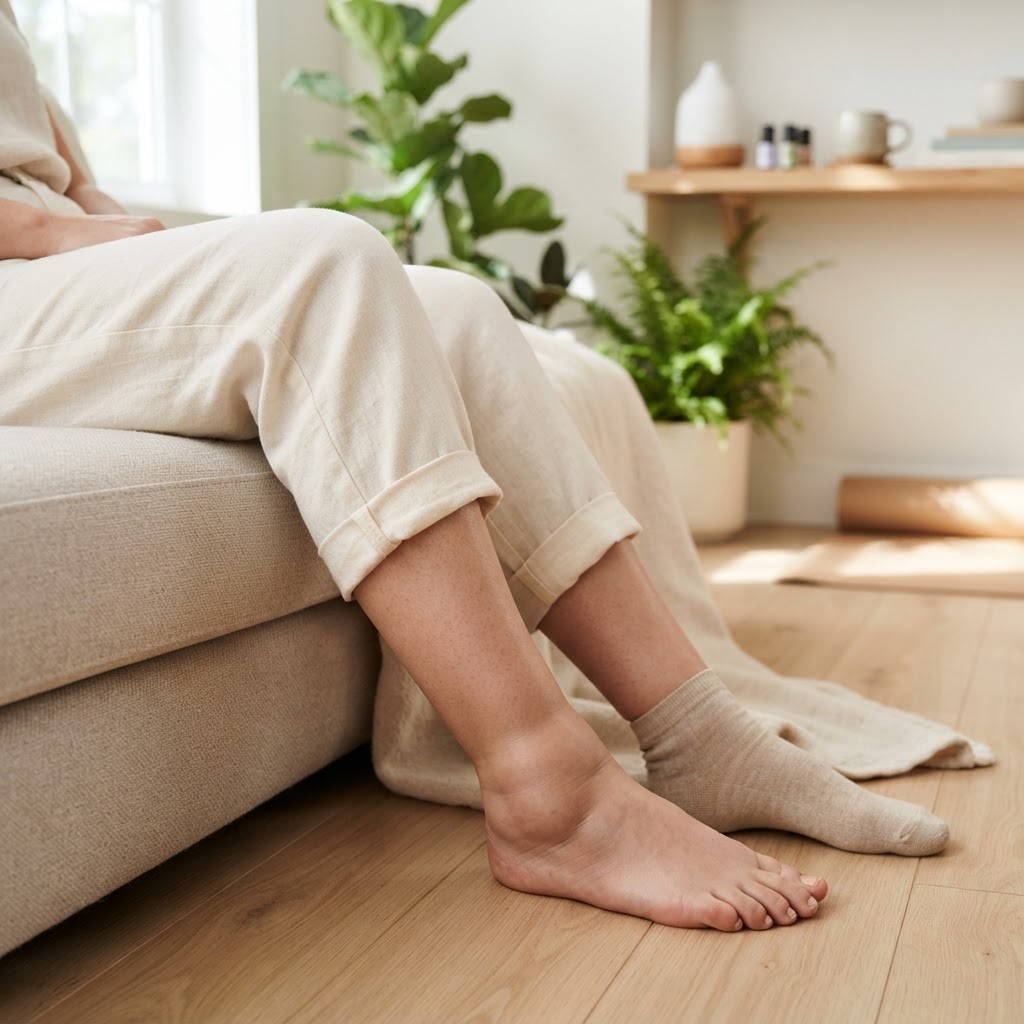
- Chronic peripheral edema is the persistent accumulation of fluid in the tissues of the lower limbs, often signaling underlying systemic health issues.
- Identifying specific leg swelling causes is essential for effective management, ranging from simple lifestyle factors to complex cardiovascular or venous conditions.
- Lymphatic system efficiency plays a critical role in fluid regulation; supporting this system can be key to long-term relief.
- Natural remedies for edema, such as dietary adjustments and movement, can complement medical treatment but should not replace professional diagnostics.
- Persistent swelling that does not resolve with elevation or lifestyle changes requires a comprehensive medical evaluation to rule out serious concerns like heart or kidney disease.
Waking up to heavy, tight legs or noticing that your socks leave deep, painful indentations around your ankles at the end of the day can be both physically uncomfortable and emotionally taxing. While many people dismiss these signs as simple fatigue or the inevitable result of a long day spent on their feet, persistent swelling in the lower extremities—medically known as chronic peripheral edema—is often the body’s way of signaling that something in its internal fluid balance is askew. Whether you are dealing with subtle puffiness or significant, ongoing discomfort, understanding the mechanics of why fluid pools in your extremities is the first step toward reclaiming your comfort and mobility. This guide explores the multifaceted nature of chronic peripheral edema, moving beyond simple symptoms to look at the structural and systemic factors at play, offering evidence-based insights on how to manage and potentially alleviate this common, yet often misunderstood, health concern.
What Is Chronic Peripheral Edema?
At its core, chronic peripheral edema refers to the abnormal accumulation of fluid in the interstitial spaces—the tiny gaps between your body’s cells—specifically within the lower limbs. While healthy bodies are adept at maintaining a delicate equilibrium of fluid distribution, edema occurs when the systems responsible for fluid return, pressure regulation, or capillary filtration become overwhelmed or impaired. Unlike acute swelling, which might occur following an injury or a temporary bout of illness, chronic peripheral edema is characterized by its persistent nature. It is not a disease in itself but rather a clinical sign that the body is struggling to manage its fluid homeostasis.
To understand why this happens, it is helpful to visualize the circulatory system as a complex network of highways. Arteries pump blood away from the heart, delivering oxygen and nutrients, while veins are tasked with returning that fluid—along with waste products—back to the heart and kidneys to be processed. Under normal conditions, small amounts of fluid leak from the capillaries into the tissues. This fluid is then typically reabsorbed by the veins or collected by the lymphatic system. Chronic peripheral edema develops when this “drainage” system fails to keep pace with the fluid leakage. This imbalance can occur due to increased pressure within the veins, a failure of the one-way valves that prevent blood from backflowing, or an obstruction within the lymphatic channels. When fluid stagnates, it creates the characteristic “pitting” seen in many cases, where pressing a finger into the skin leaves a temporary depression. Over time, this fluid buildup can lead to skin changes, such as thickening, discoloration, or a loss of suppleness, making it vital to address the root cause early on.
The prevalence of this condition varies significantly across different demographics, but it is frequently seen in individuals who spend long hours standing or sitting, as gravity naturally encourages fluid to pool in the lower limbs. However, age, genetics, and comorbid health conditions often exacerbate these tendencies. The term “chronic” is key here; it implies that the swelling has been present for weeks or even months, requiring more than just a fleeting change in habits to resolve. By viewing edema as a symptom rather than a standalone condition, we can better appreciate the importance of investigating why the fluid is not circulating as it should. This investigation involves looking at the integrity of the vascular walls, the health of the heart, the function of the kidneys, and the efficiency of the lymphatic drainage system, all of which act as the body’s internal maintenance crew. Understanding this mechanism is the bedrock for finding effective fluid retention relief, ensuring that your interventions target the specific physiological bottleneck causing the distress.
Common Symptoms of Lower Limb Swelling
Recognizing the nuances of lower limb swelling is essential for differentiating between transient, gravity-induced puffiness and more significant chronic edema. While the primary indicator is visible distension of the skin, the physical manifestation of chronic peripheral edema often includes a cluster of secondary symptoms that can significantly impact daily quality of life. The most classic sign is pitting edema. If you press firmly on the swollen area—such as the shin or ankle—and notice that the indentation remains for several seconds after you release pressure, this is a hallmark clinical sign that fluid has pooled in the tissues. This is different from non-pitting edema, which is often associated with more complex lymphatic blockages or skin changes that make the tissue feel firm or woody to the touch.
Beyond the simple change in appearance, individuals often report a sensation of “heaviness” or fatigue in the legs, particularly in the late afternoon or evening. This heaviness can make walking, climbing stairs, or even simple tasks like putting on footwear feel difficult. The skin itself may become taut, shiny, or stretched, which can cause significant discomfort or a feeling of tight pressure. In some cases, the area may feel warm or look slightly reddened, though it is important to distinguish this from the localized heat associated with infections like cellulitis, which often appears with pain, fever, or spreading redness. Chronic swelling can also lead to changes in the skin texture; it may become dry, flaky, or develop a brownish, rust-colored pigment, often referred to as hemosiderin staining, which occurs when blood cells leak into the tissues and break down.
It is also common to experience a reduced range of motion in the ankles and feet. Because the skin around the joint is stiff with fluid, simple movements like flexing the foot upward (dorsiflexion) can feel restricted. Many people also report a dull, aching sensation that intensifies the longer they remain in one position. These symptoms are rarely uniform; they may shift from one leg to the other or vary in intensity based on the time of day, diet, or level of physical activity. Tracking these variations is an incredibly useful tool for anyone attempting to reduce water retention naturally, as it allows for the identification of triggers. For instance, noticing that symptoms are worse after consuming high-sodium meals or during particularly humid weather can provide actionable data for your health journey. Keeping a simple log of these symptoms—noting when they start, where they are localized, and what activities seem to aggravate or alleviate them—is one of the most proactive steps you can take before speaking with a professional, as it provides a clear picture of the chronicity and behavior of the swelling.
| Approach | Mechanism | Best For |
|---|---|---|
| Compression Garments | External pressure gradient | Daily management of venous-related swelling |
| Elevation | Gravity-assisted drainage | Quick, immediate relief after prolonged standing |
| Lymphatic Massage | Manual stimulation of lymph flow | Reducing tissue congestion and fluid stasis |
| Sodium Reduction | Osmotic balance optimization | Preventing systemic water retention long-term |
Underlying Causes: Why Your Body Retains Fluid
When searching for the root causes of leg swelling, it is helpful to categorize them into mechanical, systemic, and lifestyle-driven factors. Often, chronic peripheral edema is not caused by a single issue but by a combination of these elements working in tandem. The most common structural culprit is chronic venous insufficiency (CVI). In a healthy leg, the veins have tiny, one-way valves that help push blood back up toward the heart against gravity. When these valves weaken or become damaged—often due to age, prolonged sitting, or hereditary factors—the blood pools in the lower veins. This increased venous pressure forces fluid out of the vessels and into the surrounding tissues, leading to the familiar swelling we recognize as edema.
Systemic factors, however, can also create a landscape where edema thrives. The heart, for instance, acts as the primary pump for the entire circulatory system. If the heart is not pumping as efficiently as it should—a common issue in congestive heart failure—blood flow slows down, leading to a “backup” in the veins, which manifests as swelling in the legs and feet. Similarly, the kidneys play a critical role in regulating fluid levels by balancing sodium and water. If kidney function is compromised, the body may struggle to excrete excess fluid and sodium, causing both to accumulate in the body’s tissues. Thyroid issues can also be a hidden culprit, as an underactive thyroid can slow down the body’s metabolic processes and lead to generalized or localized water retention.
Lifestyle-driven leg swelling causes often revolve around our daily habits, specifically those that challenge the body’s natural fluid circulation. A diet excessively high in sodium is perhaps the most notorious; because salt attracts water, an abundance of it in the bloodstream forces the body to retain extra fluid to keep the concentration of sodium in check. Similarly, excessive alcohol consumption can contribute to dehydration and subsequent fluid retention, as the body struggles to maintain balance. Physical inactivity is another major contributor; the muscles in our calves act as a “second heart,” helping to pump blood back up the legs whenever we walk or move. When we sit for hours at a time, we effectively deactivate this calf-muscle pump, allowing fluid to pool in the lower extremities without resistance. Furthermore, certain medications, particularly those used to manage blood pressure, inflammation, or hormonal balance, have well-documented side effects that include edema. If you suspect your medication may be the cause, it is vital to consult with your provider before making any changes. By understanding these diverse causes, we move away from blaming our bodies and toward identifying the specific mechanisms that we can influence through lifestyle adjustments, medical consultation, or targeted supportive therapies.
The Link Between Lymphatic Health and Edema
The lymphatic system is often the unsung hero of fluid regulation. While the circulatory system gets most of the attention for moving blood, the lymphatic system acts as the body’s essential drainage and filtration network. It is a one-way street of vessels that picks up excess fluid, proteins, bacteria, and waste from the tissues and returns them to the bloodstream. When this system functions optimally, you rarely notice it, but when it becomes overwhelmed or sluggish, it is a primary driver of persistent swelling. Understanding the role of the lymphatic system is crucial because it requires a different approach to relief than pure venous or cardiovascular-related swelling.
The lymphatic system does not have a central pump like the heart. Instead, it relies on movement, muscle contractions, and deep breathing to circulate its fluid, known as lymph. When we are sedentary, this fluid can stagnate, leading to a condition that feels heavy and often resistant to standard measures like mere elevation. Chronic peripheral edema frequently involves a degree of lymphatic compromise, particularly if the swelling is long-term. This is why techniques like manual lymphatic drainage for legs are so highly recommended by specialists. These specific, light, rhythmic strokes are designed to stimulate the superficial lymphatic vessels, encouraging them to pick up the excess fluid that has collected in the skin and subcutaneous layers and guide it toward the lymph nodes for processing.
Supporting your lymphatic health goes beyond massage, however. Because the lymphatic system is so heavily reliant on your body’s internal movement, regular low-impact exercise—such as walking, swimming, or rebounding (using a small trampoline)—acts as a natural catalyst for lymph flow. Furthermore, hydration is paradoxical but essential; while it may seem counterintuitive to drink more water when you are “retaining” fluid, your body needs adequate water to keep the lymphatic fluid at the right consistency. If you are dehydrated, the lymph becomes thicker and harder for your body to move through the narrow vessels. Additionally, the lymphatic system is a key part of your immune system. Chronic inflammation, often caused by poor diet or lack of sleep, can “clog” these pathways, making them less efficient at clearing out the interstitial debris that contributes to edema. By prioritizing anti-inflammatory habits and consistent, gentle movement, you create a more hospitable environment for the lymphatic system to do its job, which is a cornerstone for anyone looking to reduce water retention naturally. Integrating lymphatic support into your daily routine is not just about reducing swelling; it is about keeping your body’s detoxification pathways clear and fully functional.
When to See a Doctor for Persistent Swelling
While many cases of lower limb swelling can be managed with lifestyle adjustments, there are certain “red flag” symptoms that mandate a professional medical evaluation. It is important to approach your health with a balance of caution and empowerment. If your swelling is new, sudden, or occurs in only one leg without a clear cause, it should be investigated promptly. Sudden, asymmetrical swelling can sometimes be a sign of a deep vein thrombosis (DVT), a blood clot that requires immediate medical attention to prevent more serious complications. Similarly, if your swelling is accompanied by chest pain, shortness of breath, dizziness, or a rapid, irregular heartbeat, do not wait; seek emergency care, as these can be signs of heart-related distress that requires clinical stabilization.
Even if the swelling is not sudden, persistent edema that fails to improve with home care warrants a diagnostic workup. A health professional will typically start by taking a detailed history to rule out medication-induced swelling, as many common prescriptions—including some calcium channel blockers or non-steroidal anti-inflammatory drugs (NSAIDs)—can cause the body to hoard fluid. They may perform physical exams to assess the “pitting” of the tissue, check for signs of venous insufficiency, or look for systemic indicators of organ strain. Blood tests, such as checking your kidney and liver function or reviewing your electrolyte balance, can help clarify whether the edema is a local tissue issue or a manifestation of a systemic, internal condition.
Do not feel that you are being “alarmist” by seeking answers. In fact, early diagnosis is often the most effective way to prevent the skin changes and tissue hardening that can make chronic peripheral edema more difficult to treat in the long run. If you have been living with swelling for months and have exhausted basic remedies, a doctor can help you develop a personalized plan that might include prescription diuretics, diagnostic imaging like a venous ultrasound, or a referral to a lymphedema specialist. Your goal is to move beyond temporary relief and into a state of sustainable health. When you speak to a professional, bring a list of your symptoms, a record of when the swelling is at its worst, and a full list of any supplements or medications you are currently taking. This level of preparation allows for a more efficient consultation and ensures that your care team has all the necessary information to distinguish between manageable fluid retention and underlying health concerns that require targeted intervention.
Natural Anti-Inflammatory Foods for Fluid Reduction
When addressing chronic peripheral edema, your dietary choices serve as the foundation for reducing systemic inflammation and encouraging healthy fluid movement. Inflammation acts as a barrier to efficient lymphatic drainage; when tissues are inflamed, they tend to hold onto excess interstitial fluid, exacerbating swollen ankles and heavy legs. By focusing on whole, anti-inflammatory foods, you can support your body’s natural ability to regulate internal fluid pressure.
Potassium-rich foods are essential in this process. Sodium and potassium work in a delicate balance within your cells to manage water levels. If your diet is high in processed sodium and low in potassium, your body may struggle to flush out excess fluids. Incorporating potassium-dense foods like dark leafy greens, avocados, bananas, and sweet potatoes helps counteract the water-retention effects of salt. Magnesium also plays a pivotal role; it acts as a mild vasodilator and supports healthy blood vessel function, ensuring that circulation remains smooth and unobstructed.
Omega-3 fatty acids are another cornerstone of an edema-reducing diet. Found abundantly in walnuts, chia seeds, flaxseeds, and fatty fish, these essential fats are known to modulate the inflammatory response in the body. By reducing the “stickiness” of the blood and improving vascular health, omega-3s can significantly reduce the pressure exerted on vessel walls, which often leads to fluid leakage into the surrounding tissues.
Finally, we must consider the role of natural diuretics. While pharmaceutical diuretics must be managed by a physician, certain plant-based foods can gently assist the kidneys in filtering waste and fluid. Asparagus, celery, cucumber, and parsley contain natural compounds that increase urine output slightly without depleting essential electrolytes as aggressively as synthetic medications. Including these in your daily meals can provide subtle, consistent fluid retention relief.
Daily Habits to Improve Circulation and Reduce Edema
Chronic peripheral edema often thrives in an environment of stagnation. Whether your daily routine involves long periods of sitting at a desk or standing behind a counter, gravity continuously pulls fluid toward the lower extremities. To combat this, you must integrate daily habits that prioritize blood flow and lymphatic return.
The most effective habit for managing leg swelling causes is the practice of elevation. By elevating your legs above the level of your heart for fifteen to twenty minutes daily, you allow gravity to assist the venous system in returning pooled blood to the core. This is not merely about comfort; it is a mechanical necessity for someone struggling with chronic issues. If you spend your day at a desk, consider using a footrest or a small stool to keep your feet elevated slightly, and take frequent “circulation breaks” where you stand and engage your calf muscles.
Compression therapy is another vital habit. Medical-grade compression stockings work by applying graduated pressure—tightest at the ankle and gradually decreasing as they move up the calf. This external pressure prevents fluid from accumulating in the tissues of the lower leg. It is important to note that these should be fitted properly; wearing stockings that are too tight at the top can actually create a tourniquet effect, worsening the very issue you are trying to solve.
Temperature control also impacts vessel dilation. While a hot bath can be relaxing, extreme heat can cause blood vessels to widen, potentially leading to increased fluid leakage in those with compromised venous valves. Ending your shower with a cool rinse on your legs—from your feet upward—can help constrict vessels and tone the skin, promoting a “pumping” effect that encourages fluid movement back toward the torso.
Effective Movement and Stretching for Lymphatic Flow
Unlike the circulatory system, which has the heart as a central pump, the lymphatic system relies entirely on muscle contraction and deep breathing to move fluid through the body. When you lead a sedentary life, your lymphatic flow slows down, leading to congestion in the extremities. Implementing targeted movement is essential for natural edema management.
The “calf pump” is perhaps the most critical exercise for those suffering from chronic peripheral edema. The calf muscles are often referred to as the “second heart.” Every time you flex your foot or walk, these muscles contract, squeezing the deep veins and forcing blood and lymph upward. Walking is an excellent low-impact activity, but you can enhance its effectiveness by focusing on a full heel-to-toe gait, which maximizes calf engagement.
Lymphatic drainage for legs can also be stimulated through dry brushing or gentle, rhythmic movement. Using a soft-bristled brush on dry skin before a shower, brushing in long, sweeping motions toward the heart, helps stimulate the lymphatic vessels located just beneath the skin. This simple daily ritual can assist in mobilizing stagnant fluid.
Consider the following comparison of physical activities that specifically benefit the lymphatic and venous systems:
| Activity | Impact on Lymphatic Flow | Best For |
|---|---|---|
| Rebounding (Mini-trampoline) | High | Gentle joint impact and whole-body lymph stimulation |
| Swimming | Moderate-High | Hydrostatic pressure naturally compresses the legs |
| Yoga (Inversions) | Moderate | Using gravity to aid venous return |
| Brisk Walking | Moderate | Daily maintenance of calf muscle pump |
| Leg Elevation | Low (Passive) | Immediate relief after long periods of activity |
In addition to active exercise, deep diaphragmatic breathing is an overlooked tool. When you breathe deeply, the movement of the diaphragm creates a pressure change in the thoracic cavity that “sucks” lymph fluid into the main lymphatic ducts. Incorporating five minutes of belly breathing each morning can significantly improve your internal fluid dynamics.
Herbal Supports for Fluid Balance
Nature provides a variety of botanicals that have been used for centuries to support vascular integrity and fluid balance. When considering herbal support, the goal is not to force the body into a state of dehydration, but to tone the vascular walls and improve the efficiency of the kidneys.
Horse chestnut (Aesculus hippocastanum) is widely recognized in European traditional practices for its potential to support venous health. It contains a compound called aescin, which is believed to help strengthen capillary walls and reduce their permeability. By making these vessels less prone to leaking, horse chestnut may help address the root cause of certain types of leg swelling. It is often found in both oral supplement form and topical creams.
Dandelion leaf is another traditional ally. Unlike many synthetic diuretics that strip the body of potassium, dandelion leaves are naturally high in this essential mineral. This creates a balanced effect, where the herb helps the body eliminate excess water while simultaneously replenishing the electrolyte that prevents further imbalance.
Butcher’s broom (Ruscus aculeatus) is frequently used for its potential to improve circulation. It contains ruscogenins, which may help constrict blood vessels and prevent the pooling of blood in the lower limbs. While research is ongoing regarding the specific dosages and long-term effects, many individuals report that incorporating these herbs into their regimen, under the guidance of a professional, provides noticeable support for fluid retention relief.
Managing Salt Intake and Hydration for Edema Relief
One of the most persistent myths regarding fluid retention is that the answer is to stop drinking water. In reality, dehydration can cause the body to enter a “survival” state, where it holds onto every drop of moisture it can find, leading to increased fluid retention. Proper, consistent hydration is the most effective way to signal to your body that it is safe to release stored fluids.
Managing salt intake, however, is a different matter. Modern diets are often inundated with sodium, which acts like a sponge in the extracellular space. When sodium levels in the blood are too high, the body pulls water from the cells to dilute the salt, increasing the volume of fluid outside of your cells—exactly where you see the swelling in your ankles and feet. Reducing salt intake does not mean your food must be bland; it means shifting away from processed, pre-packaged, and restaurant-prepared foods, which are the primary culprits for excess dietary sodium.
Try the following strategies to balance your hydration and sodium intake:
- Track your hidden salt: Look at labels for bread, soups, and salad dressings. You may find that your “healthy” lunch is contributing significantly to your edema.
- Prioritize mineral water: Opt for high-quality spring water that contains naturally occurring minerals, which are more easily utilized by the body than distilled water.
- Infuse your water: If you find plain water difficult to drink, infuse it with lemon, cucumber, or mint. These additions provide a mild, natural diuretic boost and make staying hydrated more enjoyable.
- Use salt alternatives: Utilize fresh herbs, spices, citrus zest, and vinegars to flavor your cooking. These ingredients provide vibrant flavor without the fluid-retaining impact of sodium.
Frequently Asked Questions
Is chronic peripheral edema a sign of heart failure?
While chronic peripheral edema can be a symptom of heart failure, it is not the only cause. Swelling can also result from venous insufficiency, kidney issues, medication side effects, or lymphedema. Because heart-related swelling often involves other symptoms like shortness of breath or fatigue, it is essential to have any persistent swelling evaluated by a physician to rule out serious underlying conditions.
Can drinking too much water make my swelling worse?
Generally, drinking enough water is necessary to help your kidneys flush out excess sodium. However, in cases of severe kidney or heart disease, a doctor may actually recommend fluid restriction. For the average person, reducing water intake rarely helps with edema and often makes the body hoard fluids, so it is important to drink an adequate amount based on your health profile.
How can I tell if my swelling is related to my veins or my lymph system?
Venous edema typically occurs at the end of the day, affects both legs, and is often accompanied by skin discoloration or a feeling of heaviness. Lymphedema, which involves the lymphatic system, may feel firmer to the touch, often affects the top of the foot or toes, and may not pit (dent) as easily as venous swelling. Both conditions require a professional diagnosis to determine the best treatment path.
Are compression stockings safe for everyone?
Compression stockings are generally safe, but they should be avoided or used with extreme caution by individuals with severe peripheral artery disease or certain skin infections. The pressure could potentially restrict blood flow if the underlying arteries are damaged. Always consult with a healthcare professional to ensure compression is appropriate for your specific vascular health.
How long does it take to see results from natural remedies?
Natural remedies such as dietary adjustments, herbal support, and daily movement typically require consistency over several weeks. Unlike medication that might provide immediate symptomatic relief, natural approaches work by improving the body’s underlying efficiency. Most people begin to notice a difference in skin texture and reduced morning swelling within two to four weeks of steady implementation.
Is it normal for my swelling to be worse in the summer?
Yes, heat often exacerbates edema. Warm temperatures cause blood vessels to dilate (widen) to help the body cool down. In someone with compromised circulation, this dilation allows more fluid to seep into the surrounding tissues. It is very common to experience more pronounced swelling during hot weather, making it especially important to stay hydrated and keep the legs cool during the summer months.
Conclusion
Managing chronic peripheral edema is a journey toward better understanding the intricate systems of your body. By acknowledging that your legs are not just “swollen,” but rather signaling a need for better fluid dynamics, you can take proactive steps to restore balance. Through the combination of an anti-inflammatory diet, consistent movement, mindful hydration, and the gentle support of natural botanicals, you can significantly improve your comfort and vascular health.
Do not wait for your symptoms to escalate. Start today by incorporating one simple habit—such as elevating your legs for fifteen minutes or swapping one processed meal for a whole-food, potassium-rich alternative. Small, consistent changes create the momentum needed for long-term health. If your swelling persists, continues to worsen, or is accompanied by pain, redness, or shortness of breath, consult with a healthcare provider immediately to ensure you have a comprehensive plan tailored to your needs.
By healthauthoritylife Editorial Team
This article is for informational purposes only and is not a substitute for professional medical advice. Always consult your doctor before making changes to your diet, exercise routine, or treatment plan.
Leave a Reply