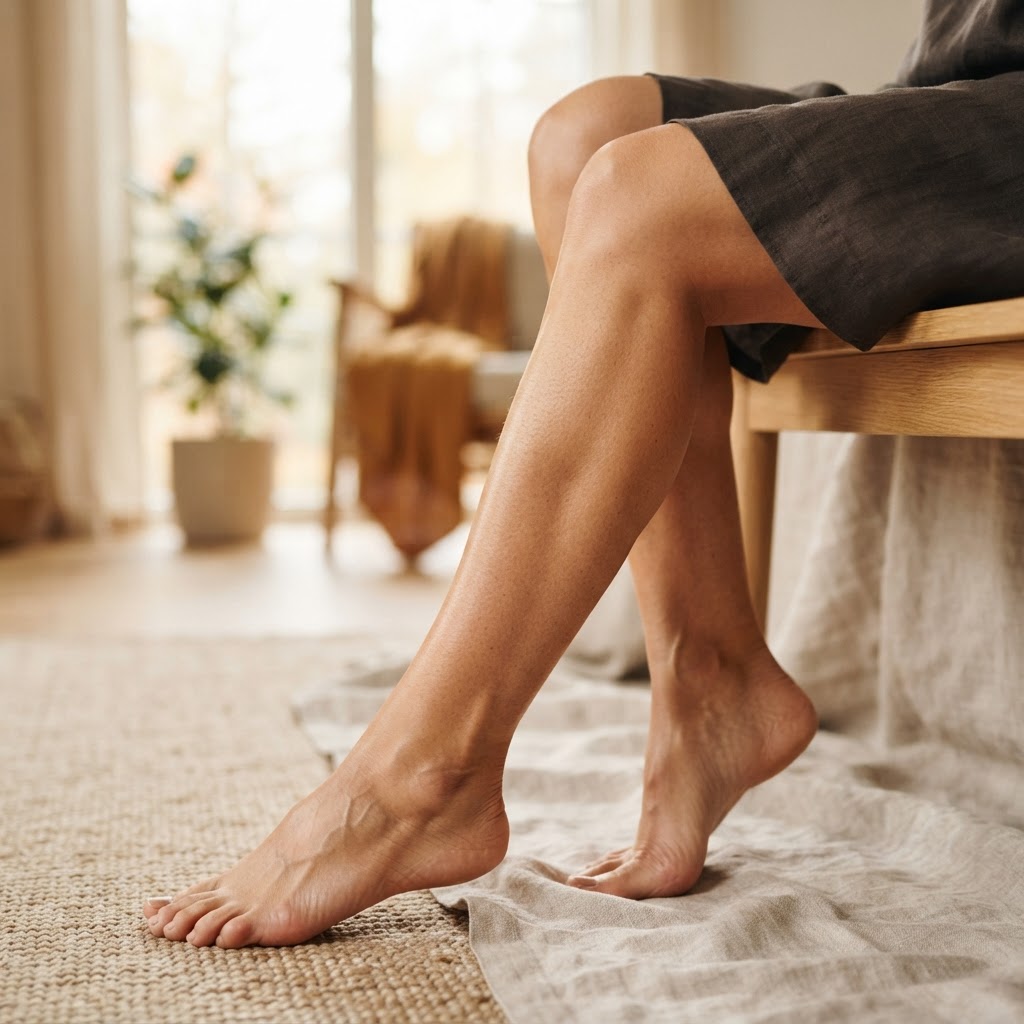
- Peripheral Arterial Disease is a narrowing of the arteries that reduces blood flow to the limbs, often signaling systemic vascular health issues.
- The most common indicator is claudication, or muscle pain during activity that subsides with rest.
- Primary risk factors include smoking, diabetes, hypertension, and sedentary lifestyle choices.
- Chronic inflammation plays a critical role in the progression of plaque buildup, known as atherosclerosis.
- Managing PAD requires a multi-faceted approach combining medical guidance with proactive lifestyle modifications to improve blood flow naturally.
For many, the first sign of a vascular concern is not a dramatic event, but a subtle, recurring ache in the legs during a routine walk. This sensation, often dismissed as a mere side effect of aging or fatigue, is frequently an early warning sign of Peripheral Arterial Disease (PAD). As a condition that affects millions globally, PAD is far more than a localized circulation issue; it serves as a vital indicator of your overall cardiovascular health. Understanding the mechanisms behind this disease—and learning how to support your body through natural relief strategies—is the first step toward restoring mobility and protecting your long-term vitality. In this comprehensive guide, the healthauthoritylife Editorial Team explores the intricacies of PAD, providing the insights you need to take control of your vascular journey.
What is Peripheral Arterial Disease?
Peripheral Arterial Disease, or PAD, is a chronic circulatory condition in which narrowed blood vessels reduce blood flow to the limbs. It is a subset of atherosclerosis, a systemic process where fatty deposits, known as plaque, accumulate along the inner walls of the arteries. While we often associate heart health with the coronary arteries, PAD focuses on the peripheral system—the highways of blood vessels that supply the arms, but most commonly the legs and feet, with oxygenated blood.
When these peripheral arteries become constricted or blocked, the muscles and tissues in the extremities do not receive the oxygen-rich blood necessary to function efficiently, especially during physical movement. Think of it like a kink in a garden hose; when the flow is restricted, the output at the end of the line suffers. In the human body, this restriction creates a “demand-supply mismatch.” Your muscles demand more fuel (oxygen) when you walk, climb stairs, or exercise, but the narrowed arteries cannot supply it quickly enough, leading to discomfort.
It is important to understand that PAD is rarely an isolated event. It is frequently considered a “canary in the coal mine” for broader cardiovascular disease. Individuals diagnosed with PAD are statistically more likely to have underlying issues in the arteries supplying the heart and the brain. Therefore, addressing PAD is not just about relieving leg pain; it is a vital component of protecting yourself against systemic threats like heart attack and stroke. The condition often progresses slowly, starting with minor structural changes in the arterial lining that, over time, limit the vessel’s elasticity and width.
From a biological standpoint, the inner lining of the artery, called the endothelium, becomes damaged. This damage triggers an immune response where cholesterol and other substances begin to cluster at the site of the injury. Over many years, these clusters harden into plaque, stiffening the artery walls—a process often referred to as “hardening of the arteries.” As the plaque grows, the channel through which blood flows, known as the lumen, narrows significantly. When the narrowing reaches a critical threshold, even minor exertion triggers the classic symptoms of restricted circulation. By recognizing what PAD is early on, individuals can pivot from a path of progression to a path of maintenance and, in many cases, significant improvement through lifestyle adjustments and targeted support.
Common Symptoms and Warning Signs of PAD
The hallmark symptom of PAD is claudication. This term refers to muscle pain, cramping, or a feeling of heaviness that occurs in the legs during physical exertion and typically resolves after a few minutes of rest. Many people describe it as an ache in the calf, thigh, or buttock that forces them to stop mid-stride. It is a predictable pattern: you walk a certain distance, the pain starts, you pause, and the pain dissipates as the oxygen demand of the muscles drops back to baseline levels.
However, PAD symptoms are not universal. While some experience intense claudication, others may report “atypical” symptoms. These can include persistent leg fatigue, a sense of weakness that makes walking difficult, or a feeling that the legs are “giving out.” Furthermore, because the restriction of blood flow can affect the extremities in various ways, symptoms often present in the feet and toes rather than the legs. Patients may notice coldness in one lower leg or foot compared to the other, or a persistent tingling, pins-and-needles sensation, often described as paresthesia.
As the condition progresses, skin changes become more apparent. The skin on the lower legs may become thin, shiny, and brittle. You might notice a loss of hair on the feet or lower legs, which is a common sign that the local tissue is not receiving sufficient nutrient-rich blood to sustain hair follicles. In more advanced stages of PAD, you might experience sores or ulcers on the toes or heels that refuse to heal, even with standard wound care. Because circulation is sluggish, the body’s natural ability to repair itself is severely compromised, making these non-healing wounds a serious warning sign that requires professional attention.
It is also essential to watch for changes in skin color. If your legs turn pale when elevated but deep red or purplish when hanging down—a phenomenon known as dependent rubor—it is a strong indication of compromised vascular health. Some individuals also experience “rest pain,” where the pain persists even when lying down at night. This is a sign that the arterial narrowing is so significant that the legs cannot get enough blood even when at rest, which is often considered a clinical red flag. Recognizing these early and middle-stage warning signs allows for earlier intervention, which is significantly more effective than attempting to manage severe, advanced-stage ischemia. Keeping a log of when pain occurs, where it is located, and what movements trigger it can be an invaluable tool when discussing your health with a provider.
| Approach | Primary Focus | Best For |
|---|---|---|
| Supervised Exercise Therapy | Controlled walking to promote collateral blood flow | Improving walking distance and claudication symptoms |
| Anti-Inflammatory Nutrition | Reducing systemic markers of vascular stress | Long-term arterial wall health and plaque stabilization |
| Foot and Skin Care | Preventing micro-trauma and secondary infections | Protecting tissue integrity in patients with poor circulation |
Primary Causes and Risk Factors
Peripheral Arterial Disease rarely appears out of nowhere. It is almost always the culmination of long-term risk factors that damage the integrity of the vascular system. At the core of PAD causes is atherosclerosis, the gradual accumulation of plaque. However, understanding what accelerates this accumulation is the key to prevention and management. Lifestyle factors, environmental exposures, and underlying health conditions all act as catalysts for the narrowing of the arteries.
Smoking remains the single most significant preventable risk factor for PAD. The chemicals in tobacco smoke are incredibly destructive to the endothelium, the delicate inner lining of the blood vessels. When inhaled, these toxins cause the arteries to tighten and spasm, immediately reducing blood flow. Simultaneously, smoking increases the “stickiness” of the blood and promotes the buildup of plaque. Research consistently shows that those who smoke are at a exponentially higher risk of developing PAD and experiencing a more rapid progression of the disease compared to non-smokers. Quitting is often the most impactful step one can take to stabilize vascular health.
Diabetes is another powerful driver of vascular issues. Elevated blood sugar levels act like an abrasive substance within the bloodstream, damaging the arterial walls and encouraging the formation of plaque. Furthermore, individuals with diabetes often experience “diabetic neuropathy,” which can mask the pain of PAD. Because the nerves in the feet may be damaged, a person might have severe circulation issues but not feel the warning pain, leading to delayed diagnosis and a higher risk of serious complications like foot ulcers. Managing blood glucose levels is not just about avoiding sugar spikes; it is a critical strategy for protecting the physical architecture of your arteries.
High blood pressure and high cholesterol also play pivotal roles. Hypertension places constant, excessive mechanical stress on the arterial walls, creating micro-tears that the body attempts to repair with plaque. High cholesterol, specifically high levels of LDL (low-density lipoprotein), provides the raw material for those plaques to grow. While these are common, they are often silent, meaning they can progress for years without causing noticeable symptoms. Finally, age and sedentary behavior are factors to consider. As we age, our arteries naturally lose some of their elasticity, becoming stiffer and more susceptible to blockage. A sedentary lifestyle exacerbates this by failing to challenge the circulatory system, which can result in the vessels becoming less efficient at dilating when necessary. By identifying which of these risk factors apply to you, you can begin to create a targeted strategy—such as dietary adjustments, activity planning, and routine monitoring—to mitigate your personal risk profile.
How PAD Affects Your Cardiovascular System
To understand the impact of PAD on the cardiovascular system, one must view the body as a vast, interconnected network of pressurized pipes. When a segment of this network—the peripheral arteries—becomes constricted, it forces the entire system to work harder to compensate. The cardiovascular system is designed to be highly responsive, but PAD forces it into a state of constant, inefficient adaptation. This ripple effect reaches the heart, the lungs, and the smaller micro-vessels located deep within your tissues.
The primary concern is the increased workload placed on the heart. If your peripheral arteries are narrowed, the heart must pump with greater force to push blood through the resistance created by the plaque. Over time, this can contribute to structural changes in the heart itself, such as the thickening of the heart muscle. This increased demand is particularly dangerous for individuals who may already have undiagnosed coronary artery disease. If the heart is struggling to pump against high resistance while the coronary arteries are also struggling to feed the heart muscle with oxygen, the risk of a major cardiac event significantly escalates.
Furthermore, PAD affects the “micro-circulation”—the smallest capillaries that deliver oxygen and nutrients directly to the skin, muscles, and nerves. When the larger “trunk” arteries are blocked, the micro-vessels downstream often widen in a desperate attempt to maintain flow. However, this compensatory dilation can only go so far. Eventually, the capacity for autoregulation is lost. This is why individuals with PAD are prone to feeling cold, experiencing slow wound healing, and feeling a persistent sense of lethargy in their limbs. The cardiovascular system is essentially trying to perform a high-performance task with a restricted fuel line.
There is also a profound systemic effect related to how the body processes oxygen. Because blood delivery is unreliable, the tissues in the lower legs and feet may become accustomed to an environment low in oxygen, leading to metabolic changes. This can result in localized muscle atrophy—the wasting away of muscle tissue—because the body cannot maintain the muscle fibers without a steady supply of nutrients. This creates a vicious cycle: the less you move because of pain, the weaker your muscles become, and the less efficient your circulation becomes, as the “muscle pump” (the contraction of calf muscles that helps return blood to the heart) is not being utilized. Understanding this impact is crucial because it reinforces why physical movement, even when limited, is a pillar of vascular health. It’s not just about comfort; it is about keeping the entire circulatory circuit engaged and functional.
The Role of Inflammation in Vascular Health
For many years, the medical community viewed atherosclerosis and PAD primarily as “cholesterol problems”—an issue of too much fat building up in the pipes. While lipids are certainly involved, modern science has shifted its focus to a far more dynamic factor: chronic, low-grade inflammation. Inflammation is the body’s natural response to injury, intended to protect and repair, but in the context of vascular health, it can become a destructive force that keeps the cycle of PAD in motion.
Think of inflammation as a “smoldering fire” within the vessel walls. When the endothelium is irritated by high blood pressure, tobacco toxins, or excess blood sugar, it sends out chemical distress signals. These signals recruit immune cells, such as macrophages, to the area. These cells ingest the cholesterol that has become trapped in the vessel wall, but they can become overwhelmed. As these immune cells die, they release further inflammatory chemicals that attract even more immune cells, creating a self-sustaining cycle of inflammation and plaque growth.
This is why simply lowering cholesterol levels is sometimes not enough to resolve vascular issues. If the underlying fire of inflammation is still burning, the arterial walls remain susceptible to further damage and plaque destabilization. A plaque that is “inflamed” is much more likely to become unstable or rupture, potentially causing a blockage that leads to an acute medical crisis. Therefore, a modern approach to improving blood flow naturally must prioritize cooling down this systemic inflammation.
Dietary choices, stress management, and physical activity are the primary levers we have to modulate this inflammatory response. A diet high in processed foods, trans fats, and added sugars acts as “fuel” for inflammation, keeping the vascular system in a state of high alert. Conversely, an anti-inflammatory diet—rich in omega-3 fatty acids, vibrant vegetables, antioxidants, and fiber—can help downregulate the body’s inflammatory signaling. Similarly, chronic stress releases cortisol and other hormones that have been shown to exacerbate inflammation in the vascular lining. By addressing the root causes of systemic inflammation, you are doing more than just clearing the arteries; you are creating an internal environment where the vessels can actually heal and maintain their elasticity. Recognizing inflammation as a primary antagonist in the PAD story is a profound shift that empowers you to look beyond pills and procedures, focusing instead on the daily habits that foster a calm, healthy, and resilient circulatory system.
Natural Lifestyle Strategies to Improve Blood Flow
When managing chronic peripheral arterial disease (PAD), the primary objective is to restore, maintain, and protect blood flow to the lower extremities. While medical interventions are sometimes necessary, lifestyle modifications serve as the bedrock of long-term vascular health. The most effective strategy for individuals experiencing claudication is structured exercise therapy. Unlike casual walking, structured exercise involves guided sessions designed to push the muscles to the point of discomfort, which encourages the body to develop collateral circulation—a process where small, secondary blood vessels grow to bypass blocked arteries.
To implement this effectively, aim for 30 to 45 minutes of moderate-intensity activity, such as brisk walking, at least three to four times per week. The goal is to reach a level of pain that forces you to pause, rest until the pain subsides, and then resume activity. This “walk-rest-walk” cycle is the gold standard for improving walking distance and endurance in PAD patients. Consistency is vital; it often takes several weeks of regular activity before significant improvements in claudication symptoms are noticed.
Beyond exercise, smoking cessation is arguably the single most important lifestyle change. Tobacco use significantly damages the lining of the arteries (the endothelium), promotes plaque buildup, and causes blood vessels to constrict, which severely worsens poor circulation. Even exposure to secondhand smoke can have detrimental effects on vascular walls. Utilizing resources such as nicotine replacement therapy, support groups, or counseling can drastically improve outcomes for those struggling to quit.
Temperature management also plays a subtle but meaningful role. Cold temperatures cause vasoconstriction, which can exacerbate the numbness and pain associated with PAD. Keeping the legs and feet warm with layers and avoiding direct exposure to extreme cold can help prevent sudden spikes in discomfort. Additionally, skin care is paramount; because PAD often leads to reduced sensation, individuals are at a higher risk of developing sores or ulcers that go unnoticed. Inspecting your feet daily for cuts, blisters, or changes in skin color is a non-negotiable habit for anyone with compromised circulation.
Best Dietary Changes to Support Arterial Health
Dietary patterns influence the progression of arterial plaque. The most recommended approach for those seeking to improve blood flow naturally is the Mediterranean diet. This eating pattern emphasizes nutrient-dense, whole foods that support cardiovascular function while reducing systemic inflammation. By swapping processed fats for unsaturated fatty acids, you can stabilize blood pressure and improve cholesterol markers, both of which are critical factors in the management of PAD.
Incorporate a variety of colorful vegetables and fruits into every meal. The antioxidants found in berries, leafy greens, and cruciferous vegetables help protect the delicate inner lining of the arteries from oxidative stress. Specifically, look for foods rich in nitrates, such as beets and arugula. Once consumed, the body converts dietary nitrates into nitric oxide, a molecule that helps signal the blood vessels to relax and widen, effectively promoting better blood flow.
Fiber intake is another essential component of arterial health. Soluble fiber, found in oats, beans, lentils, and flaxseeds, acts like a sponge, binding to cholesterol in the digestive tract and helping to remove it from the body before it can be deposited in the arterial walls. Maintaining healthy cholesterol levels is fundamental to preventing the progression of the blockages that cause PAD symptoms.
Finally, be mindful of sodium intake. Excessive salt leads to fluid retention and increased blood pressure, which puts additional strain on the vascular system. Opt for herbs, spices, garlic, and citrus juices to flavor foods instead of salt. Garlic, in particular, has been long recognized in traditional wellness for its potential to support circulation and heart health. By focusing on whole, unprocessed foods, you create an environment that encourages vascular longevity.
| Nutrient Category | Examples | Best For |
|---|---|---|
| Nitrate-rich foods | Beets, spinach, kale | Natural vasodilation |
| Omega-3 Fatty Acids | Salmon, walnuts, chia seeds | Reducing arterial inflammation |
| Soluble Fiber | Oats, legumes, apples | Lowering LDL cholesterol |
| Antioxidants | Blueberries, dark chocolate, pecans | Protecting vascular endothelium |
Essential Supplements for Circulation and PAD
While food should always be the foundation of a healthy lifestyle, certain supplements have been identified for their potential to support vascular health and improve blood flow. However, it is important to note that supplements are not a cure for PAD and should never replace prescribed medications or essential lifestyle changes.
L-arginine and L-citrulline are often discussed for their role in the production of nitric oxide. As previously mentioned, nitric oxide is essential for vasodilation, which allows for better blood flow through narrowed arteries. Some individuals find that these supplements help manage the intensity of claudication during light exercise. Always start with a lower dose to assess tolerance, as these can affect blood pressure.
Omega-3 fatty acids, specifically EPA and DHA, are widely used for their anti-inflammatory properties. By helping to keep the blood slightly thinner and reducing the risk of clot formation, omega-3s support better vascular circulation. Similarly, Vitamin E is often cited for its role in protecting the blood vessels from oxidative damage, though it should be used cautiously, especially if you are already taking blood-thinning medication, as it may increase bleeding risk.
Magnesium is another mineral that supports healthy circulation by promoting the relaxation of smooth muscles within the blood vessel walls. Many people do not get enough magnesium through diet alone, and supplementation may help reduce cramps and discomfort in the legs. Coenzyme Q10 (CoQ10) is also frequently used to support energy production in cells and has been studied for its potential to improve the function of the endothelium, the internal lining of the heart and blood vessels.
Always speak with a healthcare provider before adding these to your regimen. Many supplements interact negatively with common medications used for PAD, such as blood thinners (anticoagulants) or blood pressure medication, which can lead to dangerous complications.
When to Seek Medical Attention for Leg Pain
While managing PAD through lifestyle is encouraged, recognizing the warning signs of a medical emergency is vital for limb preservation. If you experience sudden, severe leg pain that does not improve with rest, this is a red flag. Unlike the typical claudication pain—which occurs during movement and subsides when you stop—critical limb ischemia is a serious condition where blood flow is so restricted that pain persists even while sitting or sleeping.
Look out for “the four P’s” of acute limb ischemia: Pain, Pallor (pale skin), Pulselessness (difficulty feeling a pulse in the foot), and Paresthesia (a tingling or “pins and needles” sensation). If your foot or leg feels cold to the touch or if the skin turns a bluish or mottled color, you should seek emergency medical care immediately.
Additionally, pay attention to any non-healing wounds. A minor scrape, cut, or blister on the foot or toe that refuses to heal after several weeks is a sign that your circulation is insufficient to support the body’s repair process. Such ulcers are highly susceptible to infection, which can spread rapidly in the presence of poor blood flow. If you notice swelling, redness, or a foul odor coming from a leg wound, consult a physician promptly to prevent complications such as gangrene.
Finally, do not dismiss “rest pain.” If you are being woken up at night by pain in your feet or lower legs, it suggests that your PAD is advancing. While mild claudication can often be managed conservatively, the onset of rest pain usually indicates that arterial blockages have reached a stage where surgical or interventional vascular procedures may be required to restore flow and protect the tissue.
Frequently Asked Questions
Is PAD considered a life-threatening condition?
While PAD itself is a chronic, manageable condition, it is a significant marker of systemic atherosclerosis. Individuals with PAD are at a statistically higher risk for heart attack and stroke. If left untreated, severe PAD can lead to non-healing ulcers and, in extreme cases, amputation. However, with consistent lifestyle management and medical care, the risks can be significantly lowered.
Can walking really help if it causes me pain?
Yes, but it must be done correctly. The pain is a signal that your muscles are not receiving enough oxygenated blood. By walking until the pain starts, then resting until it goes away, you encourage the body to form “collateral circulation”—new, smaller pathways that bypass the primary blockages. This is a standard, medically backed strategy for increasing walking distance.
What is the difference between PAD and varicose veins?
PAD involves the arteries, which carry oxygen-rich blood away from the heart, while varicose veins involve the veins, which carry oxygen-poor blood back to the heart. PAD typically results in pain during activity and pale or cool skin, whereas varicose veins often present as bulging, twisted vessels and may cause aching or a heavy feeling in the legs.
Does a family history of heart disease mean I will get PAD?
A family history of cardiovascular disease increases your risk, but it does not guarantee that you will develop PAD. Genetics play a role, but environmental factors such as diet, exercise, and smoking habits are significant contributors. Understanding your family history should serve as a prompt to adopt preventative measures earlier in life.
Why do my feet feel cold even in a warm room?
Cold feet are a common symptom of poor circulation. When arteries are narrowed by plaque, the volume of warm, oxygenated blood reaching the extremities is reduced. This lack of blood flow prevents the feet from maintaining a normal temperature. If this is accompanied by numbness or pain, it is advisable to speak with a healthcare professional.
Is surgery always the final outcome for PAD patients?
No, surgery is not inevitable. Many individuals manage PAD successfully for decades through aggressive lifestyle changes, such as smoking cessation, structured exercise, and dietary modifications, along with medications to control cholesterol and blood pressure. Surgery or stenting is typically reserved for cases where symptoms severely impact quality of life or where there is a risk of tissue loss.
Conclusion
Peripheral Arterial Disease is a serious condition, but it is not a diagnosis that limits your future to a sedentary life. By understanding the causes—ranging from plaque buildup in the arteries to systemic lifestyle factors—you gain the power to take action. Improving your circulation is a journey that starts with the small, daily choices you make: committing to a structured walking plan, nourishing your body with nitrate-rich and heart-healthy foods, and prioritizing the health of your vascular system through the removal of harmful habits like smoking.
Your blood vessels are the highways of your body, and keeping them clear and flexible is essential for vitality. While professional medical guidance is necessary to monitor the progression of PAD, your commitment to natural lifestyle strategies remains the most potent tool in your kit for long-term health. Start today by taking a short, intentional walk, reviewing your pantry for heart-supporting additions, and scheduling a check-up with your healthcare provider to discuss a personalized plan. Better circulation leads to better living; take the first step toward reclaiming your mobility and overall wellness now.
By healthauthoritylife Editorial Team
This article is for informational purposes only and is not a substitute for professional medical advice. Always consult your doctor before making changes to your diet, exercise routine, or treatment plan.
Leave a Reply