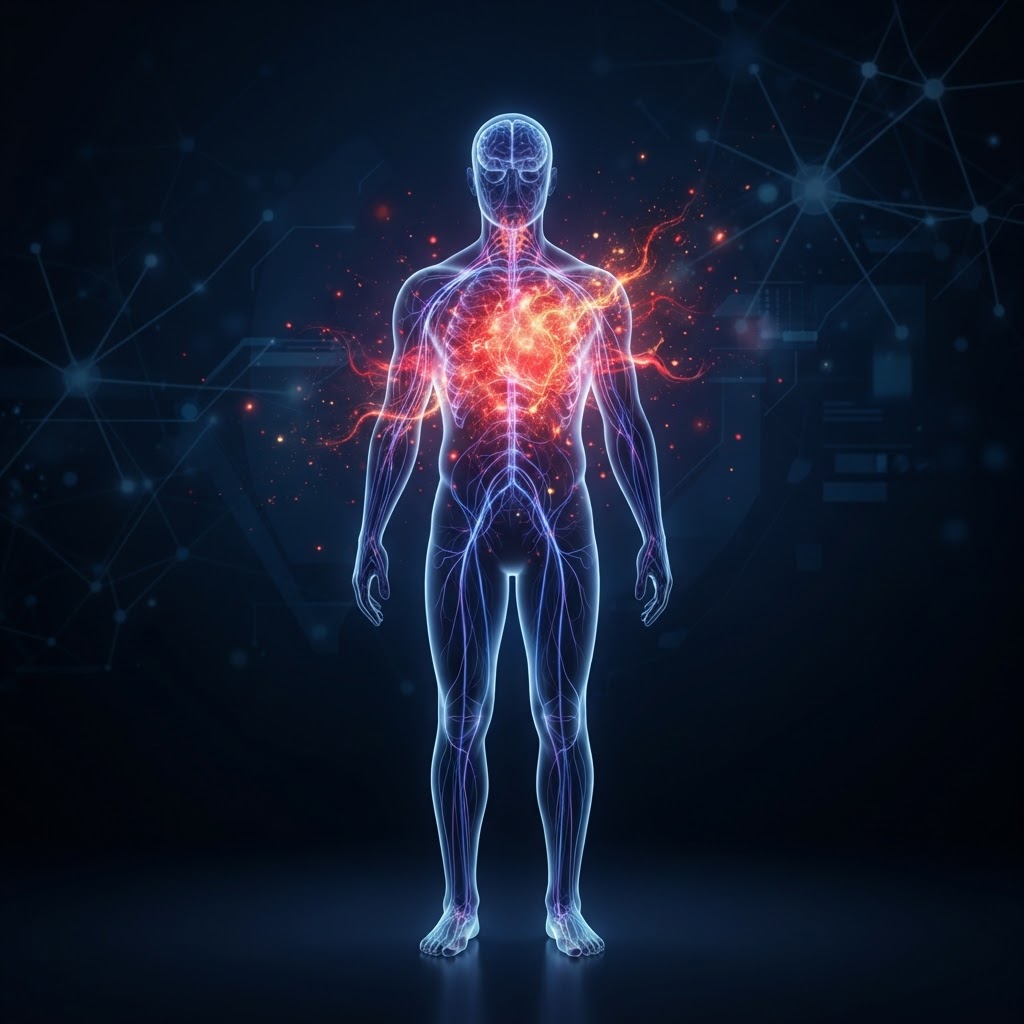
- Chronic Inflammatory Response Syndrome (CIRS) is a multi-system, multi-symptom illness caused by exposure to biotoxins in water-damaged buildings.
- While often referred to as mold illness, CIRS can be triggered by various biological toxins including actinomycetes, Lyme disease co-infections, and cyanobacteria.
- The hallmark of CIRS is a failure of the innate immune system to clear biotoxins, leading to persistent, systemic inflammation.
- Diagnosis relies on a combination of specific clinical symptoms and blood-based biomarkers that reflect inflammatory dysregulation.
- Effective recovery requires a multifaceted approach involving environmental remediation, binding agents, and nervous system regulation.
For many individuals, a mysterious decline in health often begins with a seemingly benign event: a water leak in an apartment, a move into a new office, or a lingering illness that never quite resolves. When fatigue, brain fog, and chronic pain become the new baseline, the journey to find answers can be exhausting. Often, these patients are told their labs are normal, leaving them frustrated and searching for a root cause. This is where the framework of Chronic Inflammatory Response Syndrome (CIRS) becomes vital. CIRS represents a complex, multi-system health crisis rooted in an impaired immune response to environmental toxins. Understanding the mechanics of this syndrome is the first step toward reclaiming vitality and moving away from a life dictated by mysterious, persistent inflammation.
What Is Chronic Inflammatory Response Syndrome (CIRS)?
Chronic Inflammatory Response Syndrome (CIRS) is a systemic inflammatory condition defined by the body’s inability to effectively clear certain environmental biotoxins. In a healthy individual, the immune system encounters a foreign substance—such as mold spores or bacterial fragments—and clears it through a coordinated series of inflammatory responses. Once the threat is removed, the immune system returns to baseline. However, in individuals with a specific genetic susceptibility, this “off switch” fails to trigger.
The core issue in CIRS is not just the presence of a toxin, but a prolonged, dysregulated immune reaction. When the body cannot neutralize these biotoxins, they remain trapped in the system, continuously stimulating the production of pro-inflammatory cytokines. This persistent “fire” within the body damages tissues, disrupts hormones, and alters cellular communication. It is a mistake to view CIRS as a simple allergy or an infection that can be cleared with standard antibiotics. Instead, it is an immune system dysfunction where the internal regulatory mechanism—meant to keep inflammation in check—has become permanently stuck in an “on” position.
The term is often used interchangeably with mold illness, but CIRS is broader in scope. It encompasses the physiological aftermath of exposure to an environment that is biologically toxic. This may include not just mold, but also the “cocktail” of volatile organic compounds (VOCs), actinomycetes, and endotoxins found in water-damaged buildings. The cumulative effect of these triggers overwhelms the innate immune system, leading to the diverse array of systemic symptoms that define the syndrome. When this immune response remains unchecked, it creates a self-perpetuating cycle of inflammation that can persist for years if the underlying source of exposure is not identified and removed.
Research into CIRS has evolved significantly over the last two decades. Experts generally agree that this condition is highly individualistic. Two people can live in the same water-damaged home, but only one may develop the debilitating symptoms of CIRS. This suggests a strong genetic component, often involving specific human leukocyte antigen (HLA) genotypes that influence how the body recognizes and processes biotoxins. For those affected, the impact is rarely limited to one organ system; instead, it is a whole-body manifestation that affects the brain, digestive tract, endocrine system, and neurological pathways, making it one of the most challenging conditions to diagnose and treat in modern clinical practice.
Common Triggers of CIRS Beyond Mold Exposure
While public awareness often highlights mold as the primary culprit for biotoxin illness, clinicians who specialize in CIRS are quick to point out that water-damaged buildings are complex ecosystems. Exposure to mold is usually just one piece of a much larger, toxic puzzle. A building that has suffered water damage provides a fertile breeding ground for a host of biological agents, many of which can be just as, if not more, inflammatory than the mold spores themselves.
One of the most significant, yet frequently overlooked, triggers is the presence of actinomycetes. These are filamentous bacteria that grow alongside fungi in water-damaged environments. Actinomycetes produce potent toxins that can cause severe respiratory irritation and systemic inflammation. Because these bacteria are much smaller than mold spores, they are often easily inhaled and can penetrate deep into the tissues of the body, where they continue to drive the inflammatory cascade that characterizes CIRS. Ignoring these bacteria during the remediation process is a common reason why some individuals fail to see improvement even after clearing mold from their homes.
Another major contributor is the group of endotoxins known as lipopolysaccharides (LPS). These are components found in the cell walls of Gram-negative bacteria. When these bacteria die, they release LPS into the air or surfaces. LPS is highly immunogenic, meaning it is exceptionally good at triggering an intense immune response. In a water-damaged building, high levels of LPS can be found in the dust and carpet, creating a constant, low-grade source of toxic exposure that the body struggles to eliminate. Additionally, cyanobacteria found in water sources or aerosolized from contaminated HVAC systems can contribute to the “toxic soup” that defines a CIRS-prone environment.
Beyond built environments, certain tick-borne illnesses are closely linked to the CIRS model. Lyme disease, and particularly its co-infections like *Babesia* and *Bartonella*, can create an inflammatory state that mirrors the clinical presentation of mold-related CIRS. These pathogens also produce biotoxins that the body may be unable to clear due to the same underlying immune dysregulation. In clinical settings, it is often necessary to tease apart whether a patient is suffering from an active, recurring infection or if the lingering inflammation is a residual response to the biotoxins left behind by a past infection.
| Trigger Category | Common Components | Best For |
|---|---|---|
| Water-Damaged Buildings | Mold, Actinomycetes, Endotoxins | General environmental assessments |
| Tick-Borne Pathogens | Lyme, Babesia, Bartonella | Infection-related immune flares |
| Cyanobacteria | Blue-green algae, stagnant water | Outdoor/Water-exposure scenarios |
Understanding these diverse triggers is essential for effective biotoxin illness treatment. Relying solely on mold remediation without addressing the bacterial components or potential co-infections may result in incomplete recovery. A comprehensive approach involves testing the environment for a broad spectrum of biotoxins and considering the patient’s history of exposure to various environmental and biological threats. This nuance is precisely why CIRS recovery tips often emphasize a thorough environmental audit as the foundational step of the entire healing process.
Recognizing the Symptoms of Biotoxin Illness
The clinical presentation of CIRS is notoriously vast, which often leads to misdiagnosis. Because the inflammation is systemic, it can manifest in virtually any organ system. Many patients report that their symptoms seem to migrate, shifting from joint pain one week to severe cognitive dysfunction the next. Recognizing these patterns is crucial for patients and practitioners alike, as the sheer breadth of symptoms often leads to patients being mislabeled with conditions like fibromyalgia, chronic fatigue syndrome, or even psychosomatic disorders.
The neurological impact is frequently the most debilitating aspect of CIRS. Patients often describe a profound, persistent brain fog—a feeling as though they are “living in a fishbowl.” This cognitive impairment often includes difficulty with word retrieval, impaired short-term memory, and an inability to focus. Along with these cognitive shifts, mood disturbances such as anxiety, irritability, and uncharacteristic sadness are common. This occurs because the inflammatory cytokines crossing the blood-brain barrier interfere with neurochemical balance and cognitive processing speed.
Physical symptoms are equally varied. A hallmark sign is muscle pain, often described as “lightning bolt” pains or a constant, heavy ache that does not respond to traditional anti-inflammatories. Many patients also experience chronic, unexplained fatigue that is not alleviated by rest. This is often accompanied by gastrointestinal distress, such as abdominal pain, bloating, and irregular bowel movements, as the gut-immune axis is heavily impacted by the systemic inflammatory state.
Vision changes are another frequently reported symptom. Patients may notice increased light sensitivity, blurry vision, or difficulty focusing on near objects. This is not typically a problem with the eye itself, but rather a neurological processing issue where the brain struggles to adjust to visual input. Additionally, patients may experience what is often referred to as “electric shocks” or numbness and tingling in the extremities (paresthesia), which highlights the inflammatory impact on the peripheral nervous system.
Beyond these neurological and physical signs, there are specific symptoms related to the body’s fluid regulation. Because CIRS can disrupt hormones like antidiuretic hormone (ADH) and melanocyte-stimulating hormone (MSH), many patients experience abnormal thirst, frequent urination, and altered sleep cycles. The body loses its ability to regulate its internal hydration levels and circadian rhythms, leading to a state of chronic physiological stress. Recognizing these specific symptom clusters—the combination of brain fog, muscle pain, visual changes, and thirst—is a major step toward clinical validation. When a patient presents with this constellation of symptoms, it serves as a strong clinical indicator that further investigation into a biotoxin-related cause is warranted.
The Link Between CIRS and Nervous System Dysregulation
At the intersection of CIRS and chronic illness lies the concept of nervous system dysregulation. The autonomic nervous system (ANS) acts as the body’s control center, balancing the “fight or flight” sympathetic response with the “rest and digest” parasympathetic response. In a healthy state, the body oscillates between these states as needed. In CIRS, however, the constant barrage of inflammatory cytokines forces the autonomic nervous system into a state of chronic sympathetic dominance.
This state of hyper-arousal is a survival mechanism gone wrong. Because the body perceives the persistent inflammation as an ongoing threat, it stays in a constant state of high alert. This manifests as increased heart rate, shallow breathing, and a heightened startle response. Over time, this chronic stress on the nervous system depletes the body’s resources and hinders the recovery process. This is why many patients find that even after they have moved to a clean environment, their symptoms persist; the “threat detection” centers in the brain are still firing, keeping the inflammatory cascade alive.
Furthermore, the inflammation associated with CIRS can directly impact the vagus nerve, which is the primary component of the parasympathetic nervous system. The vagus nerve is responsible for dampening inflammation throughout the body. When it becomes dysregulated due to toxic exposure, the body loses its most effective “brake” for inflammation. This creates a feedback loop: biotoxins cause inflammation, inflammation dysregulates the vagus nerve, and the now-impotent vagus nerve cannot signal the body to stop producing inflammatory cytokines. This cycle explains why CIRS recovery often requires more than just removing the source of the toxins.
Addressing nervous system regulation is a critical component of any comprehensive recovery protocol. Simple interventions like breathwork, vagus nerve stimulation, and mindful movement can help bridge the gap between biological detoxification and physiological healing. By manually shifting the body from a sympathetic-heavy state back into a parasympathetic state, patients can create the necessary internal environment for the immune system to finally rest and reset. Clinicians often find that patients who engage in nervous system regulation strategies alongside detoxification protocols achieve better, more durable outcomes than those who focus on the biological triggers alone. It is about treating the body as an integrated whole, recognizing that the brain and the immune system are in constant, complex communication.
How CIRS Is Diagnosed: Key Biomarkers to Watch
Because CIRS is a systemic inflammatory condition, there is no single “magic” test that confirms the diagnosis. Instead, a proper CIRS diagnosis involves a synthesis of clinical symptom review and a specific panel of blood-based biomarkers. These biomarkers are chosen because they represent the molecular footprints of the inflammatory cascade that biotoxins trigger within the body. When these markers appear in a specific combination, it provides a high level of confidence that the patient is suffering from an environmentally acquired illness.
One of the primary biomarkers monitored is Transforming Growth Factor-beta 1 (TGF-beta 1). This protein is an important regulator of the immune system, but in the context of CIRS, it is often chronically elevated. High levels of TGF-beta 1 are associated with systemic inflammation, tissue remodeling, and fibrosis. When this marker is high, it is a strong indicator that the patient’s immune system is currently over-activated and causing collateral damage to the body’s tissues. Similarly, Matrix Metalloproteinase-9 (MMP-9) is frequently tested. Elevated levels of MMP-9 indicate that inflammation is moving through the body and causing damage to blood vessels and other connective tissues.
Another crucial biomarker is the C4a (Complement component 4a) level. This is a protein fragment that is a direct byproduct of the immune system’s activation. When the innate immune system identifies biotoxins it cannot handle, it triggers the complement cascade, of which C4a is a part. Extremely high C4a levels are a classic sign of an ongoing, active biotoxin-induced inflammatory response. Clinicians also keep a close eye on hormone-related markers, such as MSH (Melanocyte-Stimulating Hormone). MSH is often depleted in CIRS patients, which can lead to sleep disturbances, chronic pain, and an increased susceptibility to infection.
Genetic testing for HLA-DR/DQ genotypes is also commonly used to understand a patient’s susceptibility. While this test doesn’t diagnose the illness, it helps identify why some individuals struggle to recover while others do not. Certain genetic variations make it much harder for the body to present antigens—the “identifying tags” of biotoxins—to the immune system. If a patient possesses these genetic markers, it helps clinicians set realistic expectations for the duration and intensity of the treatment required.
Finally, visual contrast sensitivity (VCS) testing is an essential, non-invasive tool in the diagnostic process. VCS measures the brain’s ability to distinguish between shades of gray in various spatial frequencies. Biotoxins significantly impair the microcirculation in the brain and eyes, which in turn reduces the patient’s ability to detect contrast. While it is not a diagnostic test on its own, a low VCS score in a patient showing clinical symptoms of CIRS provides powerful, objective evidence that neurological inflammation is present. By combining these lab-based biomarkers with the VCS test and a rigorous symptom history, practitioners can build a clear, evidence-based picture of a patient’s health status, allowing for a targeted and effective treatment plan.
The Role of Genetics in Your Inflammatory Response
One of the most perplexing aspects of Chronic Inflammatory Response Syndrome (CIRS) is why some individuals become severely ill after exposure to a water-damaged building, while others living in the same environment remain asymptomatic. The answer often lies within the intricate dance between environmental biotoxins and human genetics, specifically regarding the Human Leukocyte Antigen (HLA) genes.
The HLA complex is a group of genes that play a critical role in the immune system by helping the body distinguish between “self” and “non-self” invaders. In the context of CIRS, certain genetic haplotypes appear to predispose individuals to a failure in the adaptive immune response. When a healthy person inhales mold spores or other biotoxins, their immune system typically identifies the threat, tags it for removal, and clears it from the body. However, for those with specific genetic predispositions, this tagging process is hindered.
If the immune system cannot recognize and properly mark the biotoxin for removal, the body enters a state of chronic, maladaptive inflammation. Instead of clearing the irritant, the body initiates a persistent release of inflammatory cytokines. This is why CIRS diagnosis often involves genetic testing; understanding your HLA status can provide clarity on why your body struggles to recover without specific, targeted interventions. It is important to note that having a genetic predisposition does not guarantee you will develop the syndrome, but it does mean your immune system may lack the “genetic blueprint” required to effectively process certain environmental toxins on its own.
Furthermore, genetic variations also influence how the body handles detoxification pathways, such as the methylation cycle and glutathione production. If your genetics make it harder for your body to convert harmful substances into water-soluble compounds for excretion, the biotoxin load remains high, leading to a perpetuation of mold illness symptoms. Recognizing these genetic factors is not about feeling “doomed” by your DNA, but rather about empowering yourself with the knowledge needed to tailor your recovery plan to your specific biological needs.
Environmental Remediation: Clearing Your Living Space
Effective CIRS recovery is fundamentally impossible if you remain in the environment that triggered the inflammation. Environmental remediation is the process of identifying, containing, and removing the sources of biotoxins—most commonly mold—from your home or workplace. Remediation is not as simple as scrubbing a spot of visible mold; it requires a deep, systematic approach to indoor air quality.
The first step in remediation is professional inspection. You should look for companies that specialize in mold assessment, ideally those who have experience with CIRS patients. These professionals often use moisture mapping, infrared cameras, and air sampling to detect hidden water damage behind walls, under floorboards, or within HVAC systems. It is vital to distinguish between a standard cleaning service and a certified mold remediator; the latter follows specific protocols to prevent the spread of mold spores during the cleanup process.
Once sources are identified, containment is paramount. During the remediation phase, the affected areas must be sealed off with heavy-duty plastic sheeting to prevent cross-contamination of the rest of the house. Professionals will use Negative Air machines equipped with HEPA filtration to keep the air pressure lower in the affected room, ensuring that spores are drawn into filters rather than drifting into clean spaces.
After physical remediation, the focus shifts to porous materials. Carpets, upholstered furniture, and soft textiles that have been exposed to high levels of mold are often impossible to clean thoroughly and may need to be discarded. Hard surfaces should be wiped down with specialized solutions, and the entire HVAC system should be cleaned and upgraded with high-quality filtration. Maintaining a low indoor humidity level—ideally between 30% and 50%—is the most effective way to prevent the mold from returning. If you are struggling to decide between various remediation strategies, the table below provides a quick comparison of standard environmental control methods.
| Method | Description | Best For |
|---|---|---|
| HEPA Air Purifiers | High-efficiency particulate air filtration. | Reducing airborne spores in daily living areas. |
| Dehumidification | Maintaining humidity below 50%. | Preventing future mold growth and microbial proliferation. |
| Professional Remediation | Containment and physical removal of mold colonies. | Addressing significant water damage or hidden mold. |
| Testing (ERMI/HERTSMI-2) | DNA-based analysis of dust samples. | Identifying the specific mold species and biotoxin load. |
Natural Strategies for Supporting Your Body Through CIRS
While environmental remediation and clinical biotoxin illness treatment are the pillars of recovery, natural support strategies are essential for calming the systemic “fire” of inflammation. The goal is to modulate the immune system and support your body’s natural detoxification pathways.
One of the most potent ways to support recovery is through the use of binders. Binders are substances that attach to biotoxins in the gut, preventing them from being reabsorbed and allowing them to be safely excreted through the digestive tract. Common natural binders include activated charcoal, bentonite clay, and certain types of dietary fibers. These should be taken under guidance, as they can also bind to medications and essential nutrients if not timed correctly.
Reducing your “total toxic load” is another crucial strategy. Your body is already struggling to manage biotoxins; adding unnecessary stressors can overwhelm your systems. This means minimizing exposure to household chemicals, synthetic fragrances, pesticides, and heavy metals. Switching to non-toxic cleaning products, using glass or stainless steel for food storage, and filtering your drinking water are simple but profound ways to reduce the burden on your liver and kidneys.
Additionally, supporting the lymphatic system is often overlooked in CIRS recovery. Unlike the blood, the lymphatic system has no pump of its own and relies on movement to circulate fluid and clear waste. Incorporating light, gentle movement—such as walking, rebounding, or lymphatic drainage massage—can help your body move toxins toward the exit points. Incorporating anti-inflammatory herbs, such as turmeric (curcumin), ginger, and boswellia, can also assist in naturally managing the cytokine storm that characterizes this syndrome.
Nutritional Protocols to Reduce Systemic Inflammation
Nutrition in the context of CIRS is not just about weight management; it is about providing the building blocks for tissue repair and immune regulation. Because CIRS creates a state of chronic inflammation, an anti-inflammatory diet is the gold standard for management.
Experts generally recommend an “elimination-style” approach to identify food sensitivities. Many individuals with biotoxin illness find that their gut lining has become permeable, often referred to as “leaky gut,” which allows undigested food particles and bacteria to enter the bloodstream, further fueling the immune fire. By focusing on whole, unprocessed foods, you can begin to soothe the digestive tract.
Key components of a CIRS-friendly nutritional protocol include:
- High-Quality Fats: Prioritize Omega-3 fatty acids from wild-caught fish, flaxseeds, and walnuts. Omega-3s are natural anti-inflammatories that help balance the inflammatory response.
- Cruciferous Vegetables: Broccoli, cauliflower, kale, and Brussels sprouts contain compounds like sulforaphane, which support the body’s phase-two detoxification pathways in the liver.
- Gut-Healing Foods: Bone broth, fermented vegetables (like sauerkraut and kimchi), and prebiotic-rich foods support the microbiome, which is often severely disrupted in biotoxin illness.
- Eliminating Triggers: Sugar, refined carbohydrates, and processed vegetable oils are pro-inflammatory and should be avoided or strictly minimized. Many patients also find relief by eliminating gluten and dairy, which are common inflammatory triggers.
Staying hydrated is equally important. Water is the medium through which toxins are transported to the kidneys and liver for excretion. Adding a pinch of high-quality sea salt or a squeeze of lemon to your water can help with mineral absorption and cellular hydration, ensuring your body has the resources it needs to stay in “recovery mode” throughout the day.
Working With Functional Medicine for Long-Term Recovery
Chronic Inflammatory Response Syndrome is a complex, multi-system condition that rarely responds to the “quick fix” approach of conventional medicine. This is why working with a functional medicine practitioner—someone who looks for the root cause of the illness rather than just suppressing the symptoms—is often the most successful path to long-term health.
A functional medicine provider will typically begin with a deep dive into your medical history and specific testing. This may include markers of inflammation like TGF-beta1, MSH (Melanocyte-Stimulating Hormone), and VEGF (Vascular Endothelial Growth Factor). These biomarkers provide an objective view of how your body is reacting to internal and external stressors.
The therapeutic partnership in functional medicine involves a phased approach. The primary focus is almost always removal from the environment, followed by the use of specialized binders to clear the “biotoxin burden.” Once the toxin load is lowered, the focus shifts to addressing secondary issues that developed because of the illness, such as hormonal imbalances, mitochondrial dysfunction, or chronic fatigue.
This journey requires patience and active participation. Recovery from CIRS is not linear; it is common to experience ups and downs. A functional medicine team acts as a guide, adjusting your treatment plan based on your progress and re-testing biomarkers to ensure the inflammation is actually receding. By fostering a collaborative relationship with a practitioner who understands the nuances of biotoxin illness, you gain an advocate who respects the complexity of your symptoms and supports your path back to full vitality.
Frequently Asked Questions
What is the primary cause of CIRS?
The primary cause of CIRS is exposure to indoor water-damaged buildings containing a mixture of microbes, including mold, bacteria, fungi, and the chemicals these organisms produce. This exposure triggers an uncontrolled inflammatory response in genetically susceptible individuals.
How can I tell the difference between CIRS and an allergy?
While both can involve respiratory symptoms, CIRS is a systemic inflammatory condition that affects multiple body systems, including the neurological, digestive, and immune systems. Allergies are typically an IgE-mediated response to a specific allergen, whereas CIRS is a chronic, multisystemic illness resulting from biotoxin overload.
Is CIRS considered a permanent condition?
CIRS is not typically a permanent condition, but it is often a chronic one if the underlying environmental exposure and immune dysregulation are not addressed. With proper remediation and a targeted medical treatment plan, many individuals find significant relief and can return to a high quality of life.
Does mold illness cause mental health symptoms?
Yes, brain fog, anxiety, depression, and irritability are commonly reported mold illness symptoms. These occur because the inflammation in the body can also affect the brain, leading to what some refer to as “neuroinflammation,” which impacts cognitive function and mood regulation.
How long does the recovery process usually take?
Recovery time varies significantly depending on the duration of exposure, the severity of the biotoxin load, and the individual’s underlying health status. While some individuals experience improvement within a few months, full recovery often takes a year or longer as the body works to recalibrate its immune system and heal from systemic inflammation.
Can CIRS be diagnosed with a simple blood test?
There is no single blood test that confirms CIRS on its own. Diagnosis is generally based on a combination of a detailed patient history, specific symptom clusters, and a panel of laboratory biomarkers that measure inflammatory markers and hormones associated with the syndrome.
Conclusion
Navigating the complexities of Chronic Inflammatory Response Syndrome can feel overwhelming, but it is important to remember that your symptoms are real and there is a scientifically grounded path to recovery. By understanding the intersection of genetics and environment, taking decisive action to clear your living space of mold, and nourishing your body with targeted nutrition and functional medicine support, you can reclaim your health. CIRS is not a life sentence; it is a signal from your body that it needs a different environment and a specific type of support to thrive. If you suspect you are suffering from the effects of biotoxin exposure, begin by documenting your symptoms and seeking out a practitioner who understands the specialized nature of this condition. Your journey toward healing begins with the first step of creating a safe environment and supporting your innate capacity to heal.
By healthauthoritylife Editorial Team
This article is for informational purposes only and is not a substitute for professional medical advice. Always consult your doctor before making changes to your diet, exercise routine, or treatment plan.
Leave a Reply