
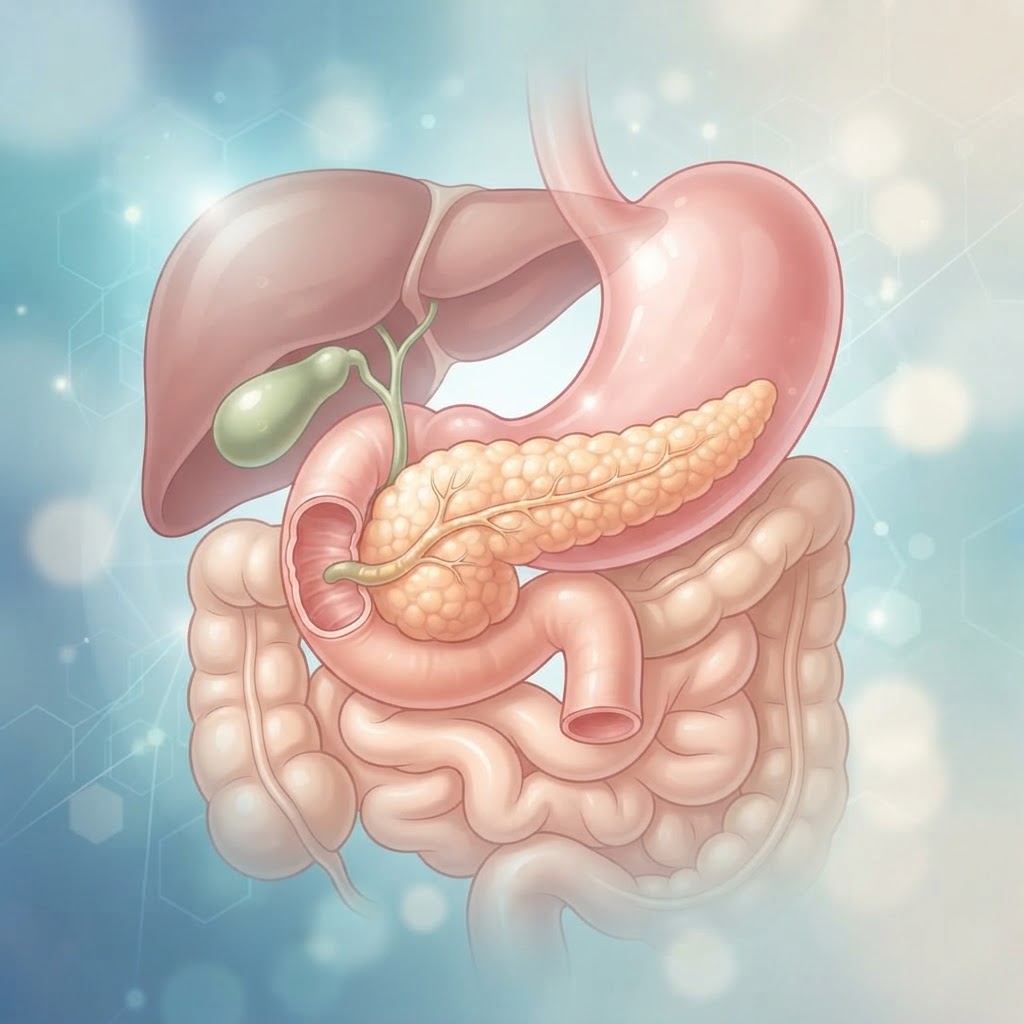
- Exocrine pancreatic insufficiency occurs when the pancreas fails to produce enough enzymes to properly digest food.
- Common EPI symptoms often include unintended weight loss, chronic diarrhea, and significant abdominal bloating after meals.
- Chronic pancreatitis, cystic fibrosis, and various surgeries are among the primary causes of EPI.
- Effective management typically centers on pancreatic enzyme replacement therapy to restore nutrient absorption.
- Early diagnosis is critical to preventing long-term complications related to severe malabsorption and nutrient deficiencies.
Your digestive health serves as the foundation for your body’s overall vitality, acting as the complex mechanism that breaks down the food you eat into the fuel required for every biological process. At the center of this intricate system is the pancreas, a vital organ tasked with producing the essential enzymes needed to metabolize fats, proteins, and carbohydrates. When this process is interrupted, the result is a condition known as exocrine pancreatic insufficiency, or EPI. For those living with this condition, the simple act of eating can become a source of discomfort and physiological strain. Understanding the nuances of how your pancreas functions—and what happens when it falters—is the first step toward reclaiming your digestive comfort and nutritional stability. In this guide, the healthauthoritylife Editorial Team explores the intricacies of EPI, from its underlying biological roots to the modern therapeutic approaches designed to improve your quality of life.
What Is Exocrine Pancreatic Insufficiency?
Exocrine pancreatic insufficiency, commonly referred to as EPI, is a medical condition defined by the pancreas’s inability to secrete an adequate amount of digestive enzymes. Under normal physiological conditions, the pancreas secretes “exocrine” enzymes—specifically lipase, protease, and amylase—into the small intestine. These enzymes are the primary workhorses of your digestive system. Lipase is responsible for breaking down dietary fats, protease tackles proteins, and amylase processes carbohydrates. When the pancreas is compromised, it cannot produce or deliver these enzymes to the duodenum, the first part of the small intestine, in the volumes required to digest a standard meal.
The clinical significance of this deficiency cannot be overstated. Without these enzymes, food passes through the digestive tract largely undigested. This state, known as maldigestion, inevitably leads to malabsorption, where the body fails to extract life-sustaining nutrients from the food consumed. It is a common misconception that EPI is only a digestive concern; rather, it is a systemic issue. Because fats are essential for the absorption of fat-soluble vitamins—specifically vitamins A, D, E, and K—a deficiency in these enzymes triggers a domino effect that can lead to severe nutritional gaps. Over time, the inability to process macronutrients deprives the body of the building blocks required for muscle repair, energy production, and immune function.
Experts often categorize the condition based on the severity of enzyme loss. In many cases, the pancreas retains some function, but not enough to support high-fat or large-volume meals. In more advanced stages, the loss is significant enough that even small, frequent meals can result in uncomfortable symptoms. It is vital to note that EPI is not a disease in itself, but rather a functional consequence of various underlying health issues that damage the pancreas. This means that the treatment approach is rarely “one size fits all.” Instead, it is highly dependent on the root cause—whether that is long-standing inflammation, anatomical changes from surgery, or genetic factors. Recognizing that the pancreas is failing to meet the body’s metabolic demand is the gateway to understanding why your body may feel depleted, despite an adequate or even high caloric intake.
Common Symptoms of EPI You Should Recognize
Recognizing the symptoms of EPI can be difficult because they often mimic other common gastrointestinal disorders, such as irritable bowel syndrome (IBS) or food intolerances. However, there are hallmark signs that signal the pancreas is struggling to perform its exocrine duties. The most prominent of these indicators is steatorrhea—a medical term for loose, fatty, or oily stools. Because the lipase enzyme is necessary to break down fat, a lack of it means dietary fats pass through the digestive tract essentially untouched. This often results in stools that appear pale, bulky, foul-smelling, and difficult to flush, as they contain significant amounts of undigested fat.
Beyond the characteristics of bowel movements, those living with EPI frequently report chronic abdominal discomfort. This is often experienced as a dull ache or significant bloating that intensifies shortly after eating. Because the body is struggling to break down complex food structures, these items remain in the gut longer than they should, leading to increased gas production and persistent feelings of fullness or distension. For many, this manifests as a cycle where the fear of triggering a painful or inconvenient digestive episode leads to a restrictive diet, further compounding the issue of unintentional weight loss.
Weight loss in the absence of a restrictive diet is a major warning sign. When the body cannot access the calories it consumes, it begins to cannibalize its own energy stores—muscle mass and body fat. Individuals may notice their clothing fitting loosely or experience a general feeling of weakness and fatigue that does not resolve with sleep or improved dietary choices. Additionally, because malabsorption impacts the intake of fat-soluble vitamins, people may develop brittle nails, thinning hair, or skin changes associated with vitamin deficiencies. While these symptoms can be vague, when they occur in clusters, they serve as a critical prompt to seek a professional evaluation. Keeping a food and symptom journal can be an incredibly useful tool, as it helps you and your healthcare team identify whether your symptoms align with the specific timing of enzyme depletion post-meal.
Primary Causes and Risk Factors for EPI
The causes of EPI are diverse, reflecting the various ways the pancreas can sustain damage or obstruction. Chronic pancreatitis stands as the most common culprit in many clinical populations. This is a condition characterized by long-term inflammation of the pancreas, often resulting from alcohol consumption or recurring acute pancreatitis episodes. Over time, the repeated inflammation causes scar tissue to form within the pancreatic tissue. This fibrosis gradually replaces the functional cells responsible for enzyme production with non-functional tissue, leading to a steady decline in exocrine capacity.
Cystic fibrosis is another significant cause, particularly in younger populations or those diagnosed early in life. In this genetic condition, the body produces thick, sticky mucus that clogs the ducts of the pancreas. These blockages prevent the digestive enzymes from ever reaching the small intestine, essentially trapping them inside the organ. Without intervention, individuals with cystic fibrosis often exhibit symptoms of malabsorption from an early age. Beyond these, surgical interventions play a major role in the development of EPI. Procedures like a Whipple procedure, which involves removing the head of the pancreas, or surgeries to treat gastric ulcers or cancers, can physically remove or bypass the structures that facilitate normal pancreatic function. In these cases, the insufficiency is considered a predictable outcome that requires active management.
Furthermore, pancreatic cancer itself, or tumors that obstruct the pancreatic duct, can lead to localized insufficiency. Even without complete removal, the presence of a mass can block the flow of enzymes, resulting in clinical symptoms of malabsorption. Other risk factors include advanced age, smoking, and certain autoimmune conditions that trigger inflammation throughout the body. Understanding the specific cause is essential because it informs the long-term prognosis and the strategy for managing the insufficiency. While some causes, such as structural damage from surgery, are fixed, others, like chronic pancreatitis, may require ongoing lifestyle modifications to prevent further tissue degradation. Recognizing these risk factors early allows individuals to remain vigilant about their digestive health and engage in proactive discussions with their care team.
| Approach | Mechanism | Best For |
|---|---|---|
| Pancreatic Enzyme Replacement Therapy (PERT) | Replaces missing enzymes with pharmaceutical-grade capsules. | Those with clinically diagnosed enzyme deficiency. |
| Low-Fat Diet Modification | Reduces the demand on the pancreas by limiting dietary fats. | Early management and symptom reduction during flares. |
| MCT Oil Supplementation | Provides easily absorbed fats that bypass standard pancreatic digestion. | Individuals struggling with severe weight loss and malnutrition. |
| Frequent Small Meals | Spreads the enzymatic workload evenly throughout the day. | Patients experiencing post-meal bloating and discomfort. |
How Malabsorption Impacts Your Overall Health
Malabsorption is the physiological end-point of untreated EPI, and its consequences ripple throughout every organ system. When the body cannot break down and absorb macronutrients—fats, proteins, and carbohydrates—it enters a state of perpetual “metabolic hunger.” Even when caloric intake is sufficient, the gut simply cannot extract the fuel. The immediate effect is a deficit in energy, which explains the profound fatigue many with EPI report. Without adequate protein, the body struggles to maintain muscle mass, leading to sarcopenia, which is particularly dangerous in older adults. Muscles are not just for movement; they are essential for metabolic regulation, and their loss can significantly impact physical independence.
The secondary effects of malabsorption are perhaps more insidious. Because fat digestion is impaired, the body cannot absorb fat-soluble vitamins—A, D, E, and K—even if you are eating healthy, vitamin-rich foods. Vitamin D deficiency is a major concern, as it is vital for bone density. Over time, individuals with untreated EPI are at a significantly higher risk for developing osteopenia or osteoporosis, leading to brittle bones and an increased risk of fractures. Vitamin K is essential for blood clotting, and deficiencies can lead to unexplained bruising or bleeding tendencies. Vitamin A is crucial for vision and skin integrity, while vitamin E plays a vital role in immune health and protecting cells from oxidative stress.
Furthermore, the systemic impact extends to the gut microbiome. When undigested food—especially carbohydrates and proteins—reaches the large intestine, it becomes fuel for the wrong type of bacteria. This can lead to small intestinal bacterial overgrowth (SIBO), which complicates symptoms by causing further gas, bloating, and systemic inflammation. The body is essentially in a state of stress, struggling to balance nutrient deprivation with the discomfort of chronic digestive distress. This creates a feedback loop: poor digestive health leads to poor nutrition, which weakens the immune system, making it harder for the body to manage the underlying cause of the EPI. Understanding this connection underscores why addressing EPI is not just about stopping diarrhea or bloating; it is about protecting your long-term health and preventing the secondary complications that arise from a body that is starving in the midst of plenty.
Diagnostic Tests Used to Identify Pancreatic Issues
Diagnosing exocrine pancreatic insufficiency requires a systematic approach, as there is no single test that can identify the condition with 100% certainty in all scenarios. Typically, the diagnostic process begins with a thorough medical history and physical examination to identify the classic signs of malabsorption. Once suspicion is raised, healthcare providers often utilize specific stool tests. The most common and reliable non-invasive diagnostic tool is the fecal elastase-1 test. Elastase is a digestive enzyme that, unlike other enzymes, is not degraded as it passes through the digestive tract. By measuring the concentration of this enzyme in a stool sample, experts can estimate how well the pancreas is functioning. Low levels of fecal elastase are a strong indicator that the pancreas is not producing enough digestive power to meet the body’s needs.
In cases where the diagnosis is more complex, imaging studies are often employed to examine the anatomy of the pancreas. Magnetic resonance cholangiopancreatography (MRCP) is a specialized type of MRI that creates detailed images of the pancreatic and bile ducts. This is exceptionally useful for visualizing obstructions, scarring from chronic pancreatitis, or tumors that might be impeding the flow of enzymes. An endoscopic ultrasound (EUS) is another powerful diagnostic tool; it involves passing a thin, flexible tube with an ultrasound probe down the throat and into the stomach. This allows for high-resolution, internal imaging of the pancreas, enabling providers to see early structural changes that might not be visible on standard external scans.
It is important to understand that testing is often done in stages. A provider might begin with non-invasive stool tests to establish a baseline of pancreatic function. If the results are inconclusive but clinical symptoms remain persistent, they may move toward imaging. In some academic or specialized centers, doctors may conduct a “secretin stimulation test,” which is considered the gold standard for assessing pancreatic capacity. This involves placing a tube into the small intestine and measuring how the pancreas responds to an injection of secretin, a hormone that stimulates enzyme production. While highly accurate, this test is invasive and time-intensive, so it is usually reserved for cases where the diagnosis is still unclear after other testing. Regardless of the route taken, these tests provide the data needed to create a tailored management plan, ensuring that the patient receives the correct dosage of pancreatic enzyme replacement therapy to effectively restore their nutritional balance.
Managing EPI with Pancreatic Enzyme Replacement Therapy
For individuals diagnosed with exocrine pancreatic insufficiency, the primary clinical treatment is Pancreatic Enzyme Replacement Therapy (PERT). Because the pancreas is no longer producing sufficient levels of lipase, protease, and amylase to break down fats, proteins, and carbohydrates, PERT acts as a bridge, providing synthetic enzymes that mimic natural digestive secretions. When taken correctly, these enzymes help mitigate the primary malabsorption signs associated with the condition, such as steatorrhea (oily, foul-smelling stools) and unintended weight loss.
Success with PERT is highly dependent on timing and dosage. Enzymes are not “pills” to be taken once a day; they must be ingested with every meal and snack. If a patient consumes a meal without proper enzyme coverage, the food will pass through the gastrointestinal tract largely undigested, potentially leading to immediate discomfort, bloating, and nutrient deficiency. The objective is to ensure that the enzymes arrive in the duodenum at the same time as the food bolus. Often, gastroenterologists recommend taking half of the prescribed dose at the beginning of a meal and the remainder halfway through to ensure continuous coverage throughout the digestive process.
It is important to understand that enzymes are formulated to be pH-sensitive. They are typically enteric-coated to prevent the stomach’s acidic environment from degrading them before they reach the small intestine. Because of this coating, capsules should never be crushed or chewed. For individuals who struggle with swallowing, many clinicians suggest opening the capsule and mixing the microspheres into a small amount of acidic food, such as applesauce or yogurt, which can help protect the integrity of the coating until it reaches the stomach.
Adjusting to PERT requires patience. Dosage is rarely “one size fits all” and is typically titrated based on the fat content of the diet, the severity of the symptoms, and clinical markers of nutrient absorption. It is common for a patient to work closely with their medical team for several weeks, tracking food intake and stool consistency, to find the “sweet spot” for their specific physiology.
Essential Dietary Changes to Support Digestion
While PERT is the cornerstone of managing EPI, the quality and composition of your diet remain critical factors in your overall digestive health. When your pancreas struggles to produce enzymes, certain macronutrients become significantly harder to process. Consequently, nutritional strategy often shifts toward high-density, easily digestible foods that minimize the workload on the digestive system.
Fats, while essential for brain and hormonal health, are the most difficult macronutrients for an EPI-affected system to process. Many patients find relief by opting for medium-chain triglycerides (MCTs). Unlike long-chain fats, which require extensive pancreatic lipase to be broken down, MCTs are absorbed directly into the portal vein and delivered to the liver for immediate energy, bypassing much of the standard pancreatic digestive process. Incorporating MCT oil into salad dressings or smoothies can be an effective way to maintain caloric intake without triggering severe digestive distress.
Furthermore, portion control is vital. Large, heavy meals can overwhelm the available enzyme supply, even when taking PERT. Shifting to five or six smaller, nutrient-dense meals throughout the day can significantly improve absorption and prevent the “food coma” or bloating that often follows a standard, large dinner. The focus should be on lean proteins, such as poultry, fish, or plant-based proteins like tofu, and well-cooked vegetables that are easier to break down than raw, fibrous options.
| Dietary Strategy | Primary Benefit | Best For |
|---|---|---|
| Small, frequent meals | Prevents overwhelming the enzyme supply | Reducing post-meal bloating |
| MCT oil supplementation | Easier fat absorption | Maintaining weight and energy |
| Peeling/Cooking vegetables | Reduces insoluble fiber load | Sensitive digestive tracts |
| Protein-first eating | Ensures muscle mass preservation | Patients experiencing rapid weight loss |
Natural Lifestyle Strategies for Pancreatic Support
Beyond clinical intervention and diet, adopting specific lifestyle habits can support your pancreas and optimize digestive function. Because digestion is heavily influenced by the autonomic nervous system—specifically the “rest and digest” parasympathetic branch—managing stress is more than just a mental health practice; it is a physiological necessity for anyone managing EPI.
Stress causes the body to divert blood flow away from the gut to the extremities, which can exacerbate feelings of indigestion and slow gastric motility. Engaging in mindfulness practices, such as deep diaphragmatic breathing before a meal, can signal to your body that it is safe to prioritize digestion. Furthermore, staying hydrated is crucial. Enzymes rely on a fluid-rich environment to travel through the intestinal tract. Drinking water throughout the day, rather than large quantities during a meal, helps keep the digestive tract lubricated and supports the efficient movement of food.
Moderate movement, such as walking after meals, is another highly recommended strategy. Gentle activity aids in gastric emptying and helps prevent the stagnation of food in the gut, which can reduce the frequency of bloating and constipation. However, it is important to avoid intense, high-impact exercise immediately after a meal, as this can divert blood away from the gut and impede digestion. Consistency in timing, hydration, and movement creates a predictable environment for the digestive system, which can help in managing symptoms over the long term.
When to Consult a Specialist for Digestive Concerns
Knowing when to transition from basic lifestyle adjustments to specialized medical care is the hallmark of proactive digestive health. If you notice persistent signs of malabsorption—such as stools that are consistently pale, oily, or difficult to flush—you should seek an evaluation from a gastroenterologist. These symptoms are objective indicators that your body is not extracting the nutrients it requires to function.
Additionally, if you have already been diagnosed with conditions known to impact the pancreas, such as chronic pancreatitis, cystic fibrosis, or history of pancreatic surgery, regular screening is mandatory. Even if you are currently asymptomatic, EPI can develop gradually. Sudden, unexplained weight loss, persistent abdominal pain that radiates to the back, or new-onset diabetes should always be investigated promptly by a medical professional.
A specialist will likely employ diagnostic tools like the fecal elastase test, a non-invasive stool test that measures the levels of elastase, an enzyme produced by the pancreas. Low levels of elastase are often definitive proof of pancreatic insufficiency. Once a diagnosis is made, a specialist will guide you through the process of balancing your enzyme doses and monitoring for fat-soluble vitamin deficiencies (specifically vitamins A, D, E, and K), which are common in those with chronic malabsorption. Do not attempt to manage severe weight loss or persistent digestive distress through self-diagnosis alone; professional medical guidance is necessary to prevent long-term systemic health complications.
Frequently Asked Questions
Can EPI be reversed with diet alone?
Generally, EPI is caused by structural damage to the pancreas, meaning it is typically a chronic, irreversible condition. While diet and lifestyle changes are essential for managing symptoms and improving quality of life, most patients require ongoing Pancreatic Enzyme Replacement Therapy (PERT) to properly digest food and absorb nutrients.
What happens if I forget to take my enzymes?
If you forget to take your enzymes, you may experience digestive symptoms such as bloating, abdominal cramping, gas, or oily stools shortly after the meal. While missing a single dose is unlikely to cause long-term harm, chronic failure to take enzymes can lead to significant nutrient deficiencies, weight loss, and muscle wasting over time.
Is alcohol consumption safe for those with EPI?
Alcohol is generally discouraged for individuals with pancreatic issues. Alcohol can trigger inflammation in the pancreas (pancreatitis), which may further degrade its ability to produce enzymes. It is best to consult with your gastroenterologist regarding your specific condition, but most experts advise complete avoidance to prevent worsening pancreatic function.
Are there plant-based alternatives to standard enzyme supplements?
Most clinical-grade pancreatic enzymes are porcine-derived because their structure closely mimics human enzymes. While there are some plant-based or fungal-derived digestive enzymes available over the counter, they are often not potent enough to treat medically diagnosed EPI and are not regulated with the same clinical rigor as prescription PERT. Always discuss supplementation with your doctor.
How do I know if my enzyme dose is correct?
Your doctor will determine if your dose is correct by monitoring your clinical symptoms, such as the consistency and frequency of your stools, and your ability to maintain a healthy weight. They may also order blood tests to check for appropriate levels of fat-soluble vitamins (A, D, E, and K), which indicate whether you are successfully absorbing nutrients.
Can stress trigger an EPI flare-up?
While stress does not cause the structural damage underlying EPI, it can significantly worsen digestive symptoms. Stress affects gut motility and blood flow to the digestive organs, making it harder for your body to process food effectively. Reducing stress through mindfulness and physical relaxation can help minimize the severity of digestive discomfort associated with the condition.
Conclusion
Living with exocrine pancreatic insufficiency requires a thoughtful approach to health, but it does not mean sacrificing your quality of life. By understanding the critical role of pancreatic enzymes, adopting a gut-friendly dietary routine, and maintaining close communication with your medical team, you can effectively manage malabsorption and restore your vitality. Managing your health is an ongoing process of monitoring, adjusting, and advocating for the care you need to thrive. Whether you are in the early stages of diagnosis or seeking better management of your current symptoms, remember that consistency is your greatest ally in achieving digestive balance. If you are experiencing any of the symptoms discussed in this article, please reach out to your primary care physician or a gastroenterologist today to schedule an evaluation.
By healthauthoritylife Editorial Team
This article is for informational purposes only and is not a substitute for professional medical advice. Always consult your doctor before making changes to your diet, exercise routine, or treatment plan.
Leave a Reply