🔑 Key Takeaways — Common Medications
- ✅ Paracetamol (acetaminophen) is the #1 cause of acute liver failure in the US and UK
- ✅ Never combine ibuprofen with aspirin — both are NSAIDs and the combination increases GI bleed risk
- ✅ Statins are among the most studied drugs in history — benefit clearly outweighs risk for most patients
- ✅ Antihistamines cause drowsiness by blocking acetylcholine — ‘non-drowsy’ versions do not cross the blood-brain barrier
- ✅ Always complete antibiotic courses — stopping early is the #1 driver of antibiotic resistance
🏷️ Category: Medications
Reviewed by our Editorial Team — Based on FDA prescribing information and evidence-based pharmacology resources.
⚠️ Important: This article is for educational purposes only. Never start, stop, or adjust medications without consulting your doctor or pharmacist. Always read the full prescribing information that accompanies your medication.
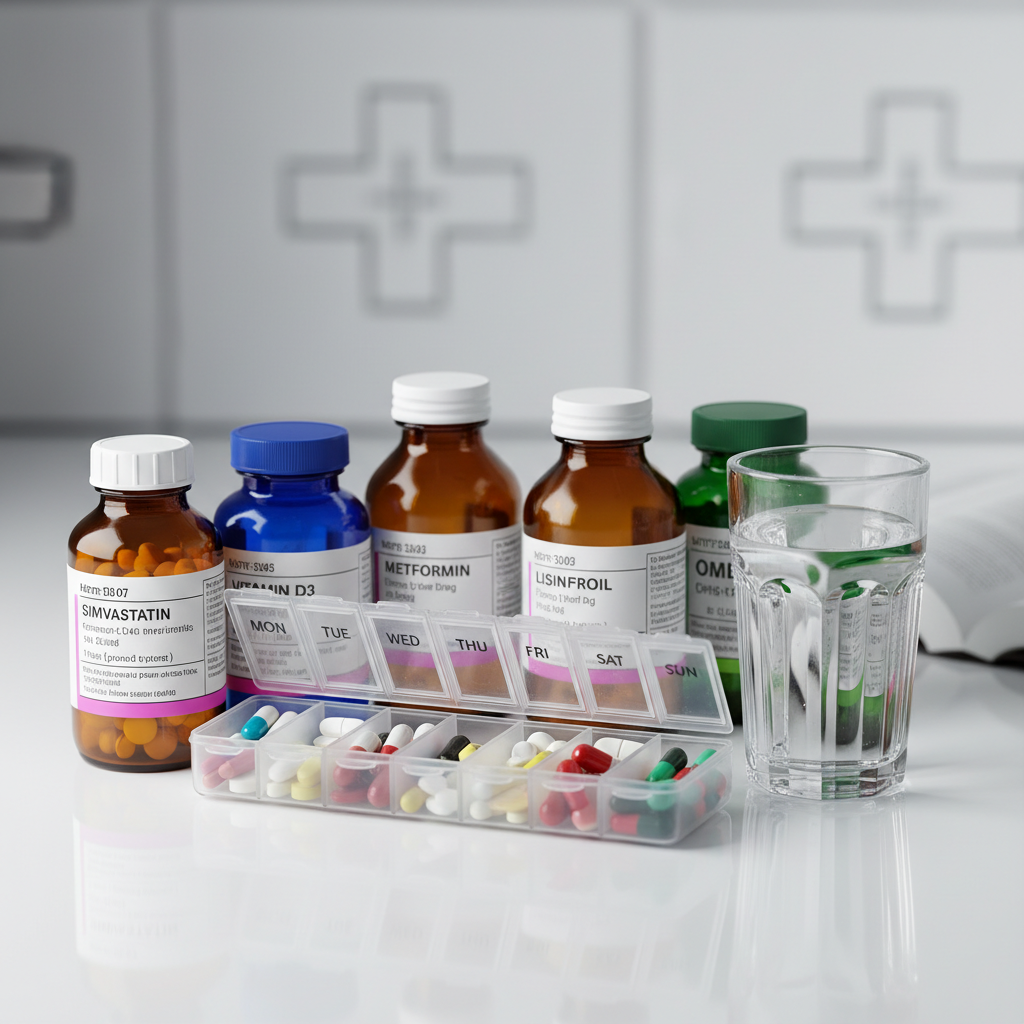
Prescription drug use has never been higher — nearly 70% of Americans take at least one prescription medication, and 50% take two or more. Yet research shows that most patients leave doctor’s offices without fully understanding their medications: what they do, why they need them, how to take them correctly, and what side effects to watch for. Medication non-adherence costs the US healthcare system over $100 billion annually in preventable hospitalisations. This guide covers 20 of the most commonly prescribed drug classes in plain language.
20 Most Commonly Prescribed Drug Classes
1. Statins (e.g. atorvastatin, rosuvastatin)
What they treat: High cholesterol; cardiovascular disease prevention. How they work: Block HMG-CoA reductase enzyme — the liver’s main cholesterol production pathway — reducing LDL cholesterol by 40–60%. Key side effects: Muscle aches (myalgia) — most common reason people stop statins; rarely, muscle breakdown (myopathy). Important: Grapefruit juice inhibits statin metabolism — avoid with most statins.
2. ACE Inhibitors / ARBs (e.g. lisinopril, ramipril, losartan)
What they treat: High blood pressure, heart failure, kidney protection in diabetes. How they work: Block the renin-angiotensin system, reducing blood vessel constriction and fluid retention. Key side effects: ACE inhibitors — persistent dry cough in 15–20% of patients; rarely, angioedema (facial/throat swelling — seek emergency care immediately). ARBs do not cause cough. Important: Never take during pregnancy — causes fetal harm.
3. Beta-Blockers (e.g. metoprolol, atenolol, bisoprolol)
What they treat: High blood pressure, heart failure, angina, atrial fibrillation, post-heart attack. How they work: Block adrenaline (beta-adrenergic) receptors — slowing heart rate and reducing cardiac workload. Key side effects: Fatigue, cold extremities, reduced exercise tolerance, erectile dysfunction. Important: Never stop abruptly — can trigger rebound angina or dangerous heart rhythm changes.
4. Metformin
What it treats: Type 2 diabetes; increasingly used for prediabetes and PCOS. How it works: Reduces glucose production in the liver; improves insulin sensitivity. Key side effects: GI upset (nausea, diarrhoea) especially when starting — take with food, start low and increase slowly. Important: Hold before contrast dye procedures or surgery; rare risk of lactic acidosis in severe kidney disease.
5. SSRIs (e.g. sertraline, escitalopram, fluoxetine)
What they treat: Depression, anxiety disorders, OCD, PTSD, PMDD. How they work: Block reuptake of serotonin in synapses, increasing serotonin availability. Key side effects: Initial nausea, headache, sleep changes (usually resolving after 1–2 weeks); sexual dysfunction; weight changes. Important: Takes 2–4 weeks for full antidepressant effect; never stop abruptly — taper gradually to avoid discontinuation syndrome.
6. Proton Pump Inhibitors (PPIs) (e.g. omeprazole, lansoprazole)
What they treat: Acid reflux (GERD), peptic ulcers, H. pylori (with antibiotics). How they work: Irreversibly block the gastric H+/K+ ATPase proton pump — the final step in acid secretion. Key side effects: Generally well tolerated short-term. Long-term use linked to: magnesium and B12 deficiency, reduced calcium absorption (fracture risk), increased C. diff risk, altered gut microbiome. Important: Use the lowest effective dose for shortest needed duration. Many people can be weaned off with lifestyle changes.
7. Levothyroxine (Synthroid)
What it treats: Hypothyroidism (underactive thyroid). How it works: Synthetic T4 thyroid hormone that replaces deficient endogenous production. Key side effects: At correct dose, essentially none. Overdose causes: palpitations, anxiety, insomnia, weight loss. Important: Take consistently at same time each day on empty stomach. Many foods and medications (calcium, iron supplements, coffee) interfere with absorption — take 30–60 minutes before eating.
8. Aspirin (low dose)
What it treats: Secondary prevention of heart attack and stroke in people who have already had a cardiovascular event. How it works: Irreversibly inhibits platelet aggregation — preventing blood clots. Key side effects: GI bleeding risk (higher with age and concurrent NSAIDs). Important: USPSTF 2022 guidelines no longer recommend initiating aspirin for primary prevention in adults 60+ — the bleeding risk outweighs benefits in people without existing cardiovascular disease.
9. GLP-1 Agonists (e.g. semaglutide/Ozempic/Wegovy, tirzepatide)
What they treat: Type 2 diabetes; weight management (at higher doses). How they work: Mimic GLP-1 gut hormone — increasing insulin release, suppressing glucagon, slowing gastric emptying, and powerfully reducing appetite. Key side effects: Nausea, vomiting, diarrhoea (especially when starting); pancreatitis (rare); muscle loss if protein intake inadequate. Important: Maintain adequate protein intake (1.2g+/kg/day) and strength training to preserve muscle while losing weight.
10. Antihistamines (e.g. cetirizine, loratadine, fexofenadine)
What they treat: Allergic rhinitis, hives, allergic reactions. How they work: Block H1 histamine receptors — reducing allergic response. Key side effects: Second-generation antihistamines (cetirizine, loratadine) are largely non-sedating. First-generation (diphenhydramine/Benadryl) cause significant sedation, impaired cognition, and are linked to increased dementia risk with long-term use — avoid in older adults. Important: For older adults, always use second-generation antihistamines.
Universal Medication Safety Rules
- Always tell your doctor and pharmacist about ALL medications, supplements, and herbal products you take — drug interactions can be serious
- Never share prescription medications with others
- Take medications exactly as prescribed — do not adjust doses without consultation
- Do not stop medications abruptly without medical guidance (especially antidepressants, beta-blockers, steroids)
- Store medications correctly — most require cool, dry, dark conditions; some require refrigeration
- Check expiry dates — expired medications may be less effective or degraded
- Use one pharmacy for all prescriptions to enable interaction checking
FAQ
What is the difference between generic and brand-name drugs?
Generic drugs contain the same active ingredient, in the same dose and form, as brand-name drugs — but cost 80–85% less on average. The FDA requires generics to demonstrate bioequivalence. They may use different inactive ingredients (fillers, coatings) which can occasionally affect tolerability in sensitive individuals.
Is it safe to take supplements with prescription medications?
Not always. Many supplements interact with medications. Notable interactions: St. John’s Wort reduces effectiveness of many drugs including contraceptives and SSRIs; fish oil increases bleeding risk with blood thinners; grapefruit juice inhibits metabolism of many drugs. Always disclose all supplements to your doctor and pharmacist.
What should I do if I miss a dose?
Generally: take the missed dose as soon as you remember, unless it is nearly time for the next dose — in which case skip the missed dose. Never double up. For some critical medications (blood thinners, HIV drugs), specific rules apply — always check with your pharmacist.
Conclusion
Understanding your medications is one of the most important things you can do for your health. Ask your doctor to explain any new prescription in plain language, use one pharmacy to catch interactions, read the information leaflet, and never hesitate to contact your pharmacist — they are one of the most accessible and underutilised healthcare professionals available to you.
Medical Disclaimer: This article is for educational purposes only. Never change your medication regimen without consulting your prescriber. Always follow your healthcare provider’s specific instructions.
📚 Medical Sources & References
This article is based on evidence from the following authoritative medical sources:
Leave a Reply