
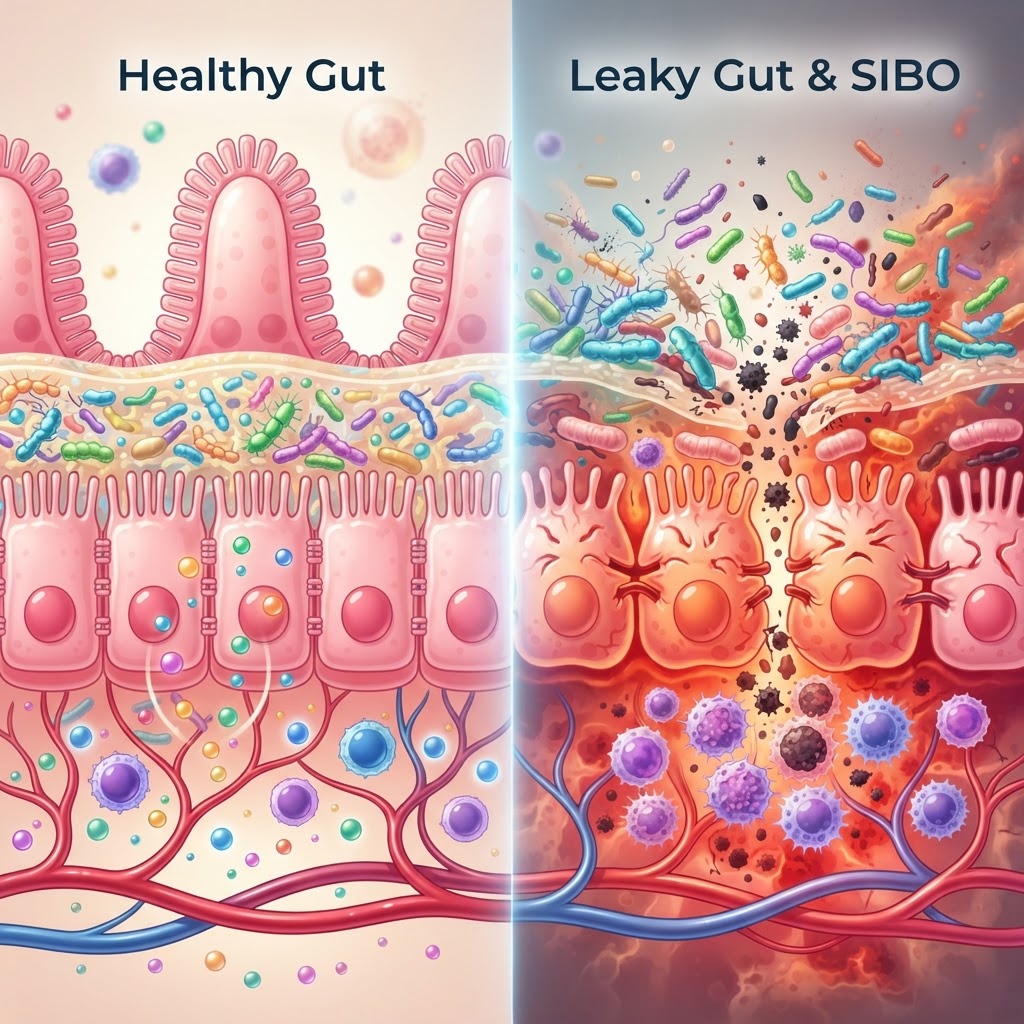
- Leaky gut refers to increased intestinal permeability, while SIBO is an overgrowth of bacteria in the small intestine.
- SIBO is often a primary driver that triggers intestinal permeability, creating a vicious cycle of inflammation.
- Distinguishing between the two requires specific breath tests for SIBO versus clinical evaluation for gut integrity.
- Addressing digestive healing successfully usually involves a phased approach: clearing the overgrowth, then repairing the mucosal lining.
- Microbiome health is the foundation of recovery, requiring personalized dietary changes rather than a one-size-fits-all approach.
Navigating the complexities of digestive discomfort can often feel like searching for a needle in a haystack. When you experience bloating, abdominal pain, and unpredictable bowel habits, you are likely looking for clear answers. Two of the most commonly discussed, yet frequently misunderstood, concepts in modern functional wellness are leaky gut and Small Intestinal Bacterial Overgrowth (SIBO). While they often present with overlapping clinical signs, they are fundamentally different physiological states. Understanding the nuances of Leaky Gut vs SIBO is essential for anyone looking to move beyond symptom management and toward genuine digestive healing. By identifying the root cause of your discomfort, you can implement a targeted strategy that promotes long-term microbiome health and restores your vitality.
Understanding the Basics: What is Leaky Gut?
Leaky gut, medically known as increased intestinal permeability, describes a scenario where the structural integrity of your intestinal lining is compromised. To visualize this, imagine the wall of your small intestine as a sophisticated security gatekeeper. In a healthy state, the tight junctions—tiny proteins that bind intestinal cells together—act as a tightly sealed barrier. This barrier allows only properly digested nutrients, minerals, and water to pass into the bloodstream while simultaneously blocking toxins, undigested food particles, and harmful pathogens.
When someone develops leaky gut, these tight junctions begin to lose their structural rigidity. They become “loose,” creating small gaps in the lining. This compromise allows foreign substances, such as lipopolysaccharides (LPS) from bacterial cell walls or partially digested proteins, to “leak” into the systemic circulation. Once these substances enter the bloodstream, the immune system—which is perpetually on high alert—often perceives them as an immediate threat. This triggers a systemic inflammatory response, as the body launches an attack on the substances it doesn’t recognize.
Chronic inflammation resulting from this permeability is not confined to the digestive tract. Many experts believe that this ongoing immune activation can manifest in various ways throughout the body. Individuals may experience skin issues like acne or eczema, persistent brain fog, joint discomfort, or even the development of food sensitivities that seem to appear out of nowhere. Because the gut-brain axis is highly integrated, the systemic inflammation caused by intestinal permeability is frequently linked to mood disturbances and fatigue.
It is important to note that leaky gut is rarely the “primary” diagnosis in a vacuum; it is often a downstream effect of other stressors. Factors such as a diet high in processed sugars, the chronic use of non-steroidal anti-inflammatory drugs (NSAIDs), persistent high levels of cortisol, or chronic infections can wear down the gut lining over time. When we discuss symptoms of leaky gut, we are usually looking at a cluster of systemic complaints rather than a single definitive sign. Common indicators include recurring bloating that is not tied to a specific meal, a significant increase in the number of foods to which you seem reactive, and an overall sense of malaise. Healing the gut requires a multi-faceted approach, often focusing on removing inflammatory triggers, supporting the mucosal lining with specific nutrients like L-glutamine, and re-establishing the diversity of the microbiome through fiber-rich, whole-food nutrition. Understanding this condition is the first step toward reclaiming your health, as restoring the barrier function is essential for calming the immune system.
What is Small Intestinal Bacterial Overgrowth (SIBO)?
While the stomach and large intestine are naturally densely populated with microorganisms, the small intestine is meant to have a relatively low bacterial count. Small Intestinal Bacterial Overgrowth (SIBO) occurs when this environment is disrupted, leading to an abnormal increase in the total population of bacteria in the small intestine. Specifically, it involves the migration or proliferation of bacteria—often those typically found in the colon—into the area where they do not belong.
The small intestine is the primary site of nutrient absorption. When an overgrowth of bacteria occurs here, these microbes begin to ferment carbohydrates, proteins, and fats before your body has the chance to absorb them. This fermentation process produces significant amounts of gas—primarily hydrogen, methane, or hydrogen sulfide. This gas production is the primary culprit behind the distension, cramping, and severe bloating often described by those with SIBO. Unlike leaky gut, which is a structural issue with the intestinal wall, SIBO is an ecological issue regarding the distribution of microbes within your digestive tract.
The reasons for this overgrowth are usually tied to poor motility. In a healthy gut, the Migrating Motor Complex (MMC)—a series of rhythmic contractions—acts like a “cleansing wave” that sweeps leftover food and bacteria from the small intestine into the colon between meals. If this motility is sluggish, due to factors such as nerve damage, previous surgeries, or metabolic conditions, the bacteria are allowed to remain and multiply in the small intestine. Other causes can include low stomach acid, which would otherwise act as a chemical barrier to prevent bacterial overgrowth, or anatomical obstructions.
When comparing SIBO vs intestinal permeability, it is helpful to view SIBO as an “overcrowding” problem. When the bacteria overpopulate, they begin to compete with the host for nutrients. This can lead to nutritional deficiencies, particularly in B12 and iron, as the bacteria consume these vitamins before the body can access them. Furthermore, the bacteria may produce toxins that directly damage the enterocytes—the cells that line your small intestine. This is how SIBO often transitions into becoming a primary catalyst for other gut health issues. Managing SIBO requires a strategic, often cyclical approach: typically involving antimicrobial herbs or targeted antibiotics, followed by prokinetic support to restore the natural motility of the digestive tract. Because SIBO is a complex condition, professional guidance is generally recommended to ensure the appropriate gas type (hydrogen vs. methane) is identified, as the treatment strategies for these variants can differ significantly.
Key Symptom Differences Between SIBO and Leaky Gut
While both conditions share the hallmark of digestive distress, their symptom profiles often provide clues as to which issue may be dominant. One of the most effective ways to distinguish between them is to observe the timing and nature of your reactions. When considering gut health differences, think of SIBO as a “gas and fermentation” issue, while leaky gut is an “inflammation and sensitivity” issue.
In SIBO, the primary symptom is typically rapid onset bloating after eating. If you find your stomach looking significantly larger within 30 to 60 minutes after a meal, especially one containing fermentable carbohydrates, this is a strong indicator of bacterial gas production in the small intestine. This bloating is often accompanied by distinct changes in bowel movements, such as urgent diarrhea (often associated with hydrogen-dominant SIBO) or chronic, difficult constipation (often associated with methane-dominant SIBO, also known as IMO or Intestinal Methanogen Overgrowth).
Conversely, the symptoms of leaky gut are often more diffuse and systemic. While you may still experience digestive symptoms, the “leaky” nature of the gut often results in immune-related complaints. You might find that you feel a sense of “brain fog,” skin rashes, or joint aches that seem to fluctuate based on diet. If you react to a wide variety of foods—even healthy ones—with widespread inflammation, this often points toward the systemic immune activation typical of increased intestinal permeability.
| Feature | SIBO | Leaky Gut | Best for |
|---|---|---|---|
| Primary Cause | Bacterial overgrowth in small intestine | Weakened intestinal junctions | Targeted Diagnosis |
| Core Symptoms | Rapid bloating, gas, altered motility | Food sensitivities, systemic inflammation | Symptom Tracking |
| Typical Trigger | Fermentable carbs, low motility | Inflammatory foods, stress, medications | Lifestyle Modification |
| Healing Focus | Clearing overgrowth, restoring motility | Repairing barrier, immune modulation | Digestive Healing |
It is important to emphasize that these symptoms are not mutually exclusive. In fact, many individuals suffer from both simultaneously. In such cases, you might notice that you have the immediate, gas-related symptoms of SIBO after eating, followed hours later by the systemic inflammation or skin irritation associated with leaky gut. Tracking your symptoms in a daily journal, noting specifically the time elapsed between eating and the onset of symptoms, can be incredibly revealing. This data is invaluable when working with a healthcare practitioner to determine the sequence of your treatment protocol. If you start by healing the gut lining without addressing the bacterial overgrowth of SIBO, the inflammation is likely to return, as the bacteria will continue to damage the newly healed barrier. Therefore, distinguishing these patterns is vital for a successful recovery plan.
How SIBO Can Directly Cause Intestinal Permeability
The relationship between SIBO and leaky gut is often described as a “causal loop,” where one condition actively sustains and worsens the other. It is vital to recognize that SIBO is not merely an inconvenience of gas and bloating; it is a profound source of mucosal damage. When bacteria proliferate in the small intestine, they release metabolic byproducts, including lipopolysaccharides (LPS). LPS is an endotoxin found in the cell walls of Gram-negative bacteria, and when it comes into direct contact with the intestinal lining, it is highly inflammatory.
The mucosal lining of the small intestine is covered in a layer of mucus and specialized cells designed to protect the integrity of the tight junctions. When SIBO is present, the massive bacterial colony creates an environment of constant chemical and mechanical irritation. The bacteria secrete enzymes and toxins that can break down the proteins holding the tight junctions together. Essentially, the bacteria “chew” at the barrier, causing the gaps to widen. This process effectively transitions the gut from a healthy state to one of increased permeability.
Furthermore, the inflammation caused by the bacterial overgrowth triggers the local immune system, specifically the gut-associated lymphoid tissue (GALT). When the GALT is chronically stimulated, it releases inflammatory cytokines—small proteins that act as messengers in the immune system. These cytokines contribute to further barrier degradation, creating a feedback loop. As the barrier becomes more permeable, more bacterial toxins enter the bloodstream, which in turn causes further systemic inflammation, potentially affecting distant organs and tissues.
This is why simply taking supplements to “seal” the gut, such as L-glutamine or bone broth, often fails if the underlying SIBO remains unaddressed. You are essentially trying to patch a roof while the source of the fire is still burning downstairs. In this scenario, the most effective approach for treating SIBO and leaky gut is to address the overgrowth first. By reducing the bacterial burden in the small intestine, you remove the constant inflammatory stimulus, which allows the intestinal lining a chance to heal. In many cases, once the SIBO is successfully managed, the symptoms of leaky gut begin to resolve on their own as the body’s natural regenerative processes take over. This underscores the importance of a comprehensive strategy: identifying the presence of SIBO through specialized testing is often the prerequisite for permanent digestive restoration.
Diagnostic Testing: How to Confirm Your Diagnosis
Moving from suspicion to confirmation is the most critical step in managing your digestive health. Relying on guesswork can be frustrating and counterproductive, especially since dietary changes alone are rarely enough to fix deep-seated issues. When navigating the clinical approach to Leaky Gut vs SIBO, there are specific diagnostic tools that practitioners use to differentiate between the two conditions and establish a baseline for treatment.
For SIBO, the gold standard diagnostic tool is the hydrogen and methane breath test. This non-invasive test works by having the patient consume a specific substrate, usually lactulose or glucose. If bacteria are overgrowing in your small intestine, they will ferment this substrate much earlier than they would if it were digested in the colon. As they ferment it, they produce hydrogen and methane gases, which are absorbed into the bloodstream and eventually exhaled through the lungs. By collecting breath samples over a three-hour period, a lab can analyze the gas concentration and determine if an overgrowth is present. It is crucial to use a test that measures both hydrogen and methane, as methane-dominant cases require a different clinical approach than hydrogen-dominant cases.
Diagnosing leaky gut is, unfortunately, more difficult, as there is no single “gold standard” test that is universally recognized by all medical disciplines. However, several functional tests are commonly used to assess the state of the intestinal barrier. One common method is the Lactulose/Mannitol test. Lactulose is a large sugar molecule that should not easily pass through a healthy gut lining, while mannitol is a small sugar that is easily absorbed. If both are found in the urine after consumption, it indicates that the gut is permeable enough to allow the large lactulose molecules to pass through, confirming intestinal permeability. Other tests look for markers of systemic inflammation or antibodies against LPS (the bacterial endotoxin mentioned earlier) in the blood. Elevated levels of these antibodies suggest that your immune system is frequently encountering bacterial toxins, indicating a compromised barrier.
It is important to remember that these tests are snapshots in time. A negative result on a breath test does not necessarily mean your gut health is perfect, as there may be other factors like yeast overgrowth or food intolerances at play. Conversely, a positive result for leaky gut is almost always a sign that you need to look for a primary driver—like SIBO, parasites, or chronic inflammation. When seeking microbiome health assessments, work with a professional who understands how to interpret these results in the context of your specific symptoms. They can help you integrate the diagnostic data with your clinical presentation to create a coherent roadmap for recovery. By confirming the specific nature of your digestive issue, you save time, money, and emotional energy, allowing you to focus on the specific protocols that will yield the most significant improvements in your quality of life.
Common Dietary Triggers for Both Conditions
Managing both SIBO and leaky gut requires a nuanced approach to nutrition. While the goals for each condition often overlap—reducing inflammation and stabilizing the microbiome—the methods can sometimes conflict. For example, some fibers that feed beneficial bacteria (probiotics) may exacerbate SIBO by providing fuel for the overgrown bacteria in the small intestine. Identifying dietary triggers is the first step toward reclaiming digestive comfort.
High-FODMAP foods are frequently the primary culprits for individuals struggling with SIBO. FODMAPs (Fermentable Oligosaccharides, Disaccharides, Monosaccharides, and Polyols) are short-chain carbohydrates that are poorly absorbed in the small intestine. In a healthy gut, these reach the colon to be fermented. However, in the presence of SIBO, these carbohydrates ferment prematurely in the small intestine, leading to rapid gas production, bloating, and abdominal distension. Common triggers include onions, garlic, wheat, legumes, and certain fruits like apples and pears.
For those dealing with intestinal permeability, the focus often shifts toward removing gut irritants that compromise the mucosal barrier. Gluten, for instance, has been shown in various studies to trigger the release of zonulin, a protein that regulates the tight junctions between intestinal cells. When zonulin levels rise, these junctions loosen, allowing toxins and undigested food particles to enter the bloodstream. Similarly, processed sugars and artificial sweeteners like sucralose or aspartame can disrupt the delicate balance of the gut flora, further weakening the intestinal lining.
Dairy is another controversial area. Lactose can act as a trigger for both conditions; it is a high-FODMAP sugar that feeds bacterial overgrowth, while the proteins in dairy, such as casein and whey, can provoke an immune response in sensitive individuals, potentially exacerbating gut-wall inflammation. Alcohol, particularly high-sugar varieties or those containing gluten, acts as a solvent that can irritate the lining directly and alter the composition of the microbiome.
It is important to note that dietary triggers are highly individual. What acts as a major inflammatory agent for one person may be tolerated by another. Keeping a meticulous food and symptom journal is the gold-standard method for identifying your unique triggers. By tracking your intake alongside digestive symptoms like bloating, brain fog, fatigue, and bowel movement changes, you can systematically remove and reintroduce potential irritants to build a customized, sustainable dietary template.
Targeted Natural Supplements for SIBO Eradication
Eradicating a bacterial overgrowth requires a strategic approach. While prescription antibiotics are a standard path, many individuals turn to natural antimicrobial agents as a supportive or primary strategy for managing SIBO. These supplements work by reducing the bacterial load in the small intestine while generally being less disruptive to the microbiome of the large intestine compared to broad-spectrum antibiotics.
The selection of antimicrobials often centers on botanical compounds known for their potent antibacterial and antifungal properties. Commonly utilized supplements include:
- Oil of Oregano: Rich in carvacrol, this is one of the most potent natural antimicrobials. It is typically used in a short-term, cyclical fashion to disrupt the bacterial cell walls.
- Berberine: Found in plants like goldenseal and Oregon grape, berberine is frequently used to manage bacterial overgrowth and support healthy blood sugar levels.
- Allicin: Extracted from garlic, allicin is particularly effective against hydrogen-producing bacteria in the small intestine.
- Neem: Used extensively in traditional herbal practices, neem is often chosen for its broad-spectrum activity against various pathogens.
When selecting these supplements, it is vital to rotate them. Bacterial populations can become resistant to single agents, so experts often suggest a “pulsing” or alternating protocol. For instance, taking one type of antimicrobial for four weeks before switching to another can prevent the overgrowth from adapting. Furthermore, biofilm disruptors—enzymes that break down the protective slime layer bacteria use to shield themselves—are often added to these protocols to improve the efficacy of the antimicrobials.
It is worth noting that natural antimicrobials are powerful and should not be used indefinitely. The goal is to clear the overgrowth and then pivot to “prokinetic” agents. Prokinetics are supplements—such as ginger root or 5-HTP—that stimulate the Migrating Motor Complex (MMC). The MMC is the “housekeeping” wave of muscular contractions in the small intestine that sweeps leftover food and bacteria into the colon. When the MMC is sluggish, SIBO is far more likely to return. Maintaining consistent MMC function is perhaps the most important factor in preventing relapse after eradication.
| Supplement Category | Mechanism of Action | Best For |
|---|---|---|
| Botanical Antimicrobials | Direct inhibition of bacterial cell growth | Active SIBO eradication |
| Biofilm Disruptors | Degrades the protective bacterial matrix | Chronic or stubborn SIBO cases |
| Prokinetics | Stimulates intestinal muscular contractions | Preventing SIBO recurrence |
| L-Glutamine | Provides fuel for enterocyte repair | Healing the leaky gut lining |
Strategies to Repair and Seal the Gut Lining
Once the bacterial overgrowth is under control and irritants are removed, the focus must shift to healing the intestinal mucosa. A “leaky” gut implies that the tight junctions—the gateways that monitor what enters your bloodstream—have become damaged or hyper-permeable. Repairing these junctions is a marathon, not a sprint, and requires specific nutritional support.
L-glutamine is widely considered the primary building block for gut repair. It is the preferred fuel source for enterocytes, the cells that line the small intestine. By providing a direct source of energy, L-glutamine helps these cells proliferate and repair themselves, effectively “sealing” the gaps in the intestinal wall. Many protocols suggest high-dose supplementation over several months, though this should always be discussed with a professional, as it is not suitable for those with certain neurological sensitivities.
Collagen and gelatin are also powerful allies. Rich in amino acids like glycine and proline, these supplements help support the structural integrity of the gut lining. Bone broth, a traditional food, provides these nutrients in a highly bioavailable form alongside minerals that support immune function and inflammation reduction.
Inflammation management is equally critical during the repair phase. Supplements like quercetin, aloe vera (specifically the inner leaf gel), and deglycyrrhizinated licorice (DGL) act as soothing agents for the gut lining. DGL, in particular, is known to stimulate the production of protective mucus, which acts as a physical barrier against toxins and pathogenic bacteria while the cells beneath are undergoing repair. Omega-3 fatty acids, found in high-quality fish oil, also play a key role by modulating the systemic inflammatory response that often keeps the gut barrier in a state of stress.
Finally, lifestyle factors during the healing phase cannot be ignored. The gut is highly sensitive to the “rest and digest” parasympathetic nervous system. Chronic stress inhibits digestion and contributes to the breakdown of the gut lining. Integrating daily practices—such as deep breathing, meditation, or light restorative movement—is essential. When the body is in a state of fight-or-flight, it shunts blood away from the digestive tract, impairing the body’s ability to allocate resources to tissue repair.
Creating a Cohesive Gut Healing Protocol
Successfully treating SIBO and leaky gut simultaneously requires a logical, phased approach. Jumping straight to intensive repair supplements while SIBO is still rampant can sometimes backfire, as some repair-focused supplements (like certain fibers or probiotics) can feed the overgrowth. A cohesive protocol follows a structured sequence: Eliminate, Eradicate, Repair, and Rebalance.
Phase one, the “Elimination” phase, involves removing the immediate triggers. This includes adopting a low-inflammation, low-FODMAP diet that starves the overgrowth and removes common allergens like gluten, dairy, and processed sugars. This phase often lasts 2–4 weeks and aims to stabilize symptoms and prepare the gut for intervention.
Phase two, “Eradication,” introduces the antimicrobials. During this stage, your priority is to lower the bacterial load. It is common to experience a temporary worsening of symptoms—sometimes called a “die-off” reaction—as bacteria are neutralized. Staying hydrated and ensuring regular bowel movements are critical here to flush out toxins. This phase typically lasts 4–8 weeks depending on the severity of the condition.
Phase three, “Repair,” begins as the microbial burden lightens. This is where you introduce L-glutamine, collagen, and soothing herbs to patch the intestinal wall. It is important to wait until the primary bloating and gas symptoms of SIBO have subsided before aggressively introducing high-dose prebiotics or fermented foods, as these can easily trigger a relapse if the overgrowth is not fully resolved.
Phase four, “Rebalance,” focuses on long-term maintenance. This involves the slow, strategic introduction of diverse, gut-healthy foods to rebuild a healthy, resilient microbiome. During this stage, prokinetics are often used to ensure the Migrating Motor Complex continues to function optimally, preventing the stagnation that leads to SIBO in the first place. Consistency in this phase is the difference between a temporary fix and a permanent change in health.
When to Seek Professional Guidance for Digestive Issues
While lifestyle changes and supplements provide powerful tools for managing gut health, they are not a replacement for medical diagnosis. Digestive symptoms can overlap with several serious conditions, including Celiac disease, Crohn’s disease, ulcerative colitis, or even colorectal cancer. Relying solely on self-management can lead to missing these critical underlying conditions.
You should seek professional medical guidance if you experience “red flag” symptoms. These include unintended weight loss, blood in the stool, persistent or unexplained fevers, anemia, or severe pain that wakes you up at night. Furthermore, if your digestive symptoms do not respond to dietary modifications after a few weeks, or if they progress in severity, a comprehensive clinical evaluation is warranted.
Specialized testing—such as breath testing for hydrogen and methane gas (to confirm SIBO) or blood and stool panels for inflammatory markers and intestinal permeability indicators—can provide objective data. A healthcare professional can help you interpret these results and determine if you require pharmaceutical antibiotics, specialized prescription diets, or other interventions. Working with a gastroenterologist or a functional medicine practitioner can provide you with a safety net, ensuring that your path to gut healing is both effective and scientifically sound.
Frequently Asked Questions
Can SIBO cause leaky gut?
Yes, SIBO is a frequent cause of intestinal permeability. The excess bacteria release toxins, such as lipopolysaccharides (LPS), which trigger inflammation and damage the tight junctions between intestinal cells, leading to “leaky” gut.
Should I take probiotics if I have SIBO?
Many experts advise caution. While probiotics are generally good for health, taking them while you have an active bacterial overgrowth in the small intestine can sometimes add “fuel to the fire,” potentially worsening bloating and gas. It is usually better to address the SIBO first.
How long does it take to heal a leaky gut?
Healing the intestinal lining is a gradual process that depends on the severity of the damage and your adherence to a healing protocol. While some notice relief in a few weeks, true structural repair often requires three to six months of consistent dietary and lifestyle changes.
Is a low-FODMAP diet a permanent fix for SIBO?
No, a low-FODMAP diet is a management tool, not a cure. It helps starve the overgrown bacteria and reduce symptoms, but it does not address the underlying causes of the overgrowth, such as sluggish motility or anatomical issues. It should be used as a short-term strategy.
What is the role of motility in gut health?
Motility refers to the movement of food through the digestive tract. The Migrating Motor Complex (MMC) is a wave-like contraction that sweeps the small intestine clean between meals. If this process is impaired, bacteria can linger and multiply, which is a primary driver of SIBO.
Can I test for leaky gut at home?
While there are commercially available “leaky gut” tests, they are often considered controversial in the medical community. Most reliable assessments for gut permeability are performed in clinical settings using specialized labs, and these results are best interpreted by a qualified healthcare professional.
Conclusion
Navigating the complex relationship between SIBO and leaky gut can feel overwhelming, but it is entirely manageable with the right structure and patience. By understanding the distinct roles these conditions play in your digestive distress—SIBO as the microbial imbalance and leaky gut as the structural consequence—you can stop guessing and start healing. Remember that your gut is resilient; it wants to heal, but it requires the right environment and the right tools to do so effectively.
The journey to optimal gut health is not linear, and it requires tuning in to your body’s signals rather than following a rigid, universal formula. Start by identifying your triggers, consult with a professional to confirm your status, and approach your protocol with the discipline required to eradicate overgrowth and rebuild your intestinal barrier. You have the power to influence your microbiome and repair your gut—take the first step today by prioritizing a gut-healing diet and mindful lifestyle habits.
By healthauthoritylife Editorial Team
This article is for informational purposes only and is not a substitute for professional medical advice. Always consult your doctor before making changes to your diet, exercise routine, or treatment plan.
Leave a Reply