
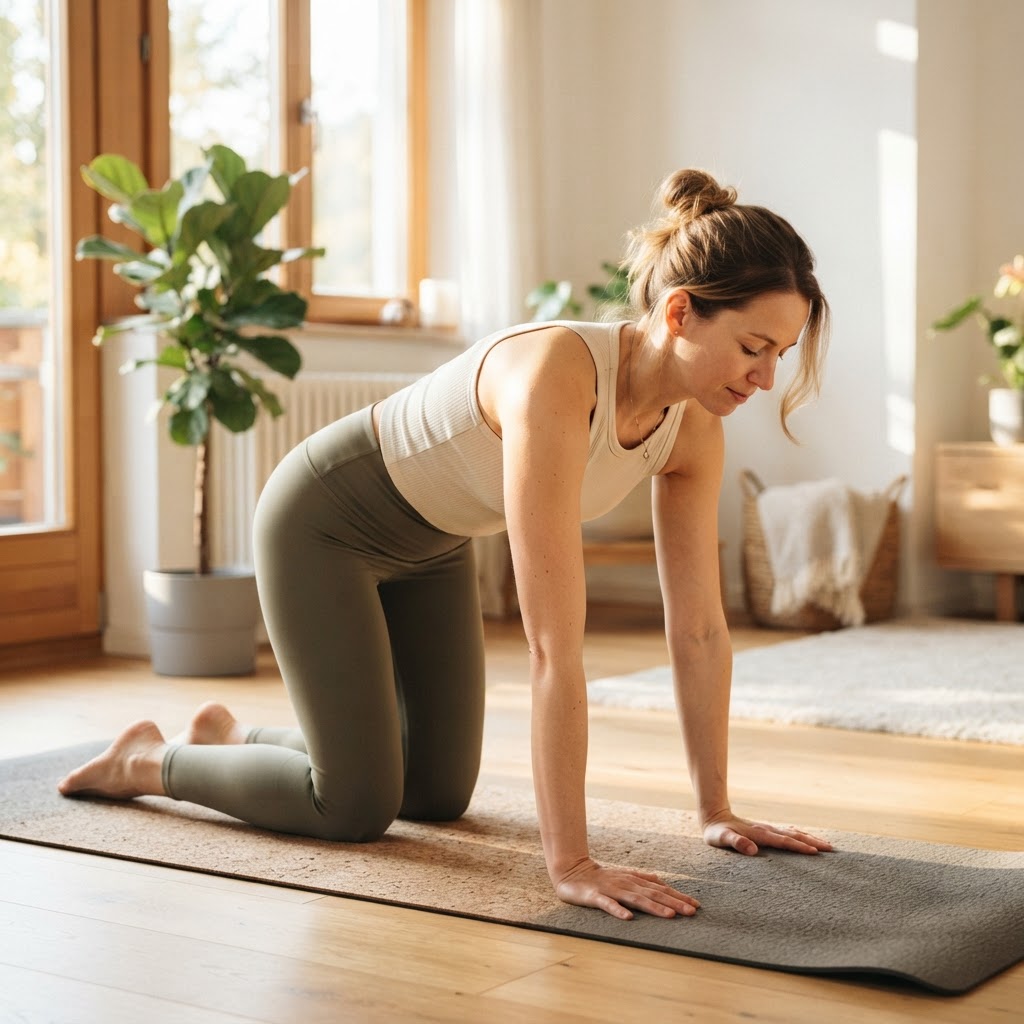
- Adult scoliosis is a condition involving a lateral curvature of the spine exceeding 10 degrees that develops or progresses after skeletal maturity.
- Symptoms frequently include chronic back pain, visible unevenness in the shoulders or hips, and potential neurological issues like leg weakness.
- Unlike adolescent scoliosis, the adult form is often linked to degenerative changes in the discs and joints rather than just growth patterns.
- Natural scoliosis management focuses on improving core stability, flexibility, and ergonomic alignment to mitigate discomfort.
- Consistent physical therapy for scoliosis is a foundational pillar in maintaining mobility and preventing the progression of symptoms.
When most people hear the word scoliosis, they immediately picture the screening tests conducted in middle school hallways. However, the misconception that spinal curvature is exclusively a pediatric condition often leads to delayed diagnosis and unnecessary suffering for millions of individuals. Adult scoliosis is a complex, multifaceted condition that can emerge from previous childhood diagnoses or develop insidiously as the body ages. As we navigate the complexities of long-term spinal health, understanding the nuances of how the spine shifts over time becomes essential for anyone seeking longevity, comfort, and sustained mobility. In this comprehensive guide, the healthauthoritylife Editorial Team explores the mechanics of adult spinal curvature, providing actionable insights into natural relief strategies that help restore balance to your daily life.
Understanding Adult Scoliosis: What Is It?
At its core, scoliosis is defined as a structural deviation of the spine where the vertebrae rotate and tilt, resulting in a lateral curve that looks less like a straight line and more like an “S” or a “C” when viewed on an X-ray. While adolescent idiopathic scoliosis is the most commonly discussed form, adult scoliosis presents a distinct set of challenges. Clinicians generally categorize the condition in adults into two main groups: idiopathic scoliosis that has persisted from childhood, and “de novo” or degenerative adult scoliosis.
Degenerative adult scoliosis is a fascinating, albeit painful, example of how the human musculoskeletal system adapts to the wear and tear of decades. As we age, the intervertebral discs—the gelatinous cushions between our vertebrae—can lose hydration and height. If one side of a disc wears down faster than the other, the spine begins to tilt. Over time, the ligaments, muscles, and facet joints attempt to compensate for this shift, which can lead to a compensatory curve. Unlike the flexible spines of children, the aging spine is often stiffer and more prone to arthritic changes, which dictates how we approach treatment.
The progression of adult scoliosis is not always linear. Many adults live with mild spinal curves without ever knowing it, as their bodies have developed compensatory mechanisms to maintain balance. It is only when those compensatory structures—the hip stabilizers, the spinal erectors, or the sacroiliac joints—become fatigued or inflamed that the underlying curvature becomes symptomatic. Understanding that the spine is a dynamic, living structure that reacts to gravitational load, repetitive movement, and nutritional health is the first step toward effective management.
When you seek a professional assessment, a clinician will measure your Cobb angle, which is the standard diagnostic tool for determining the severity of the curvature. An angle of 10 degrees or greater is typically the threshold for a formal diagnosis. However, in the context of adult spinal health, the Cobb angle is only one piece of the puzzle. The impact on your quality of life, the presence of nerve impingement, and the degree of spinal stiffness are often more relevant to your daily experience than the specific degree of the curve itself. By viewing the spine as an integrated system rather than a static column of bone, you open the door to a more holistic understanding of how to protect and preserve your back for years to come.
Common Symptoms and Signs of Spinal Curvature
Recognizing the signs of adult scoliosis early can significantly alter the trajectory of your long-term health. While pain is the most reported symptom, the physical manifestations of the condition are often visible to the naked eye if one knows what to look for. Because the spine acts as the structural mast of the body, even a subtle tilt in the vertebrae creates a “domino effect” that shifts the shoulders, the rib cage, and the pelvis.
One of the most frequent indicators is unevenness in the body’s silhouette. You might notice that one shoulder blade sits higher than the other, or that one hip appears more prominent when you are standing in front of a mirror. Many individuals also report that their clothing hangs unevenly, with one pant leg consistently bunching up or a shirt sleeve feeling tighter on one side. This is often the result of the body’s attempt to keep the head centered over the pelvis, forcing the rest of the torso to “lean” into the curve to maintain balance.
Beyond visual changes, the symptoms of adult scoliosis often present as chronic, lingering discomfort. This pain is typically concentrated in the lower back, though it can radiate into the hips, buttocks, and even down the legs if the curvature is compressing spinal nerves. Many people describe the sensation as a deep, dull ache that worsens with prolonged standing or walking. This occurs because the muscles on the concave side of the curve are often in a state of constant, shortened contraction, while the muscles on the convex side are stretched and fatigued from trying to stabilize the torso.
Neurological symptoms are also common in more pronounced cases. If the curvature is significant enough to narrow the space where spinal nerves exit the vertebrae—a condition known as spinal stenosis—you may experience tingling, numbness, or a feeling of weakness in the legs. These sensations are usually exacerbated by activities that extend the spine, such as walking for long distances. It is vital to note that while these symptoms are concerning, they are often manageable through consistent care. Keeping a detailed log of your symptoms, including when they flare up and what activities trigger them, provides invaluable data that can help you and your healthcare provider build an effective plan for spinal health tips and long-term relief.
Primary Causes and Risk Factors in Adulthood
To effectively address adult scoliosis, one must look at the multifactorial causes that drive spinal instability in later stages of life. While genetics play a significant role in childhood onset, the adult version is heavily influenced by systemic factors that impact bone density and connective tissue integrity. Experts generally agree that degenerative disc disease is the most common culprit in the development of new-onset scoliosis.
As discs dehydrate and lose their height, the load-bearing responsibilities of the spine shift toward the facet joints—the small, hinge-like joints located on the back of each vertebra. When these joints are overloaded, they begin to undergo osteoarthritic changes. This leads to bone spurs (osteophytes) and narrowing of the spinal canal. If this degeneration happens unevenly, the spine will inevitably curve. This is why individuals with a history of joint health concerns or those who have had previous spinal surgeries are often at a higher risk for developing, or exacerbating, an existing curve.
Another major risk factor is bone density decline. Conditions such as osteoporosis or osteopenia can weaken the vertebral bodies, making them more susceptible to micro-fractures and structural collapse. If one side of a vertebral body loses more mineral density than the other, it can compress, causing the spine to tilt. Maintaining metabolic health, specifically through adequate intake of calcium, magnesium, Vitamin D, and Vitamin K2, is a proactive measure that supports the integrity of the spinal column.
Environmental and lifestyle factors also cannot be ignored. Long-term occupational habits—such as sitting at a desk for decades with poor lumbar support, repetitive heavy lifting without proper form, or even chronic “text neck” from mobile device use—can alter the natural tension patterns of the spinal muscles. Over time, these imbalances create a “fixed” position in the spine. While you cannot change your genetic predisposition or age, you can control the mechanical load placed on your spine. By mitigating these risk factors, you reduce the rate at which the spine compensates, potentially slowing the progression of curvature. Below is a comparative look at different approaches to spinal management strategies.
| Approach | Primary Focus | Best For |
|---|---|---|
| Clinical Physical Therapy | Targeted muscle strengthening and postural correction | Long-term stabilization and mobility |
| Manual Therapy (Massage/Chiro) | Tissue release and joint alignment | Short-term pain relief and comfort |
| Core Stability Training | Deep abdominal and back muscle bracing | Prevention of progression and daily support |
| Ergonomic Adjustments | Reducing daily load on spinal structures | Reducing daily stress during work/sleep |
How Scoliosis Affects Daily Mobility and Comfort
Living with adult scoliosis changes the “choreography” of daily movement. When the spine is not perfectly aligned, the muscles that control movement, such as the psoas, the quadratus lumborum, and the gluteals, must work overtime. This manifests as a form of “muscular exhaustion.” You might find that tasks that were once easy—like reaching for a high shelf, grocery shopping, or even walking the dog—leave you feeling disproportionately drained. This is because the body is inefficiently recruiting muscles to compensate for the structural tilt, which burns through energy reserves much faster than a balanced spine would.
Mobility limitations often start with a reduction in spinal rotation. Because the vertebrae are physically rotated in a scoliotic curve, your ability to turn your torso to one side is often significantly different than the other. This lack of rotation makes movements like turning to back your car out of a parking spot or reaching across the dinner table more difficult and potentially painful. Over time, people with scoliosis often subconsciously avoid these movements, leading to a “frozen” sensation in the mid-back that only serves to exacerbate the stiffness.
The impact on comfort is perhaps most noticeable at night. Finding a sleeping position that feels supportive can be a nightly battle. Many individuals with spinal curves report that sleeping on their back causes arching and lower back tension, while sleeping on their side can cause the rib cage to collapse or the hips to become misaligned. The use of strategic pillows—such as a bolster under the knees or a small pillow tucked into the waist—can be life-changing. These simple adjustments help to “fill the gaps” created by the curve, allowing the spine to rest in a more neutral position throughout the night.
It is important to cultivate self-compassion when dealing with these mobility challenges. The frustration of feeling limited by your own frame is a valid and common emotional response. However, maintaining a consistent routine of gentle stretching and movement therapy can help regain lost ground. By focusing on low-impact activities like swimming, which provides buoyancy to take the weight off the spine, or specialized yoga practices designed for back health, you can train your body to move with greater ease. Mobility is often a “use it or lose it” scenario, and by gently challenging your range of motion daily, you ensure that the body retains the ability to navigate life comfortably.
The Role of Posture in Managing Spinal Alignment
Posture is not merely about “standing up straight”; for those with adult scoliosis, it is a primary tool for natural scoliosis management. When you slouch, you compress the anterior (front) part of your vertebrae and place excessive stress on the discs. In an already curved spine, this compression is uneven, which can accelerate the degenerative processes that drive the scoliosis progression. Conversely, active postural correction—the act of consciously engaging the muscles to hold the spine in a neutral position—acts as a counter-force to the curvature.
The key to effective postural management is awareness of the pelvic position. The pelvis is the foundation of the spine. If your pelvis tilts too far forward (anterior tilt) or backward (posterior tilt), the entire chain of the spine is compromised. Learning to find a “neutral pelvis” is a foundational skill in many forms of physical therapy for scoliosis. This involves gently engaging your deep core stabilizers—the transversus abdominis and the pelvic floor—to create a “corset” of strength around your midsection. This does not mean bracing your muscles to the point of exhaustion; rather, it means finding a level of activation that supports the vertebrae throughout your daily activities.
Spinal health tips often emphasize the importance of breaking up long periods of immobility. Even the most perfect posture becomes harmful if held for eight hours at a time. The secret lies in “dynamic sitting” or regular movement breaks. Every 30 to 45 minutes, you should stand up, gently rotate your shoulders, and perform a few pelvic tilts to reset your spinal alignment. This breaks the pattern of muscle fatigue and keeps the discs nourished through movement, which is essential for preventing the stiffness associated with scoliosis.
Finally, your environmental setup must support your posture. If you work at a computer, ensure that the top third of your screen is at eye level to prevent the forward-head posture that pulls on the thoracic spine. If you spend significant time driving, utilize lumbar support rolls that match the natural curve of your lower back. By curating your environment to be “spine-friendly,” you take the burden off your muscles and joints. Remember, posture is a constant, subtle correction rather than a one-time fix. By integrating these micro-corrections into your day, you transform your posture from a source of stress into a source of support, making it easier to manage scoliosis pain relief naturally over the long term.
Effective Physical Therapy and Strengthening Exercises
Physical therapy serves as a cornerstone for managing adult scoliosis, primarily because the condition often results in asymmetrical muscle usage. When the spine curves, the muscles on the concave side of the curve may become tight and shortened, while those on the convex side often become overstretched and weak. A targeted approach to physical therapy aims to restore balance through stabilization and specific movement patterns.
Schroth-based exercises are frequently recommended for individuals with adult spinal curvature. Unlike general gym workouts, these exercises are tailored to the specific curvature of the patient’s spine. The primary objective is to teach the patient how to “de-rotate” their trunk and elongate the spine. By focusing on breathing techniques that expand the collapsed areas of the rib cage, patients can often improve their posture and reduce the mechanical stress placed on the spinal segments.
Core stabilization exercises are equally critical. Rather than focusing on superficial “six-pack” muscles, physical therapy for scoliosis emphasizes the deep stabilizer muscles, such as the transverse abdominis and the multifidus. A strong core acts as a natural corset, providing support for the vertebral column and reducing the burden on the intervertebral discs. Exercises such as bird-dogs, planks (if performed with a neutral spine), and pelvic tilts are foundational. It is essential to work with a physical therapist who specializes in spinal deformity, as improper form can inadvertently increase pressure on the affected spinal segments.
The goal of these strengthening routines is not necessarily to “straighten” the spine—which is generally not possible in adults without surgical intervention—but rather to build a muscular support system that prevents further progression and minimizes pain. Consistency is vital; performing small, controlled movements for twenty minutes daily is often more effective than a high-intensity session once a week.
| Exercise Category | Primary Benefit | Best For |
|---|---|---|
| Schroth Method | Asymmetrical strengthening | Specific curve correction |
| Core Stabilization | Spinal load reduction | Daily postural maintenance |
| Deep Tissue Stretching | Reducing muscle tightness | Relieving tension in concave areas |
| Low-Impact Aerobics | Improving blood flow | Reducing systemic inflammation |
Natural Anti-Inflammatory Approaches for Back Pain
Chronic pain associated with adult scoliosis is often exacerbated by systemic inflammation. When the spine is misaligned, the surrounding soft tissues, joints, and discs are subjected to constant micro-trauma. Adopting an anti-inflammatory lifestyle can significantly assist in natural scoliosis management by cooling this internal fire and facilitating easier movement.
Dietary adjustments serve as the first line of defense. Foods rich in omega-3 fatty acids, such as wild-caught salmon, walnuts, chia seeds, and flaxseeds, are known to support joint health. Similarly, incorporating spices like turmeric—specifically when paired with black pepper for absorption—and ginger can provide natural relief for soreness. Conversely, limiting processed sugars, refined carbohydrates, and trans fats is crucial, as these substances are known to trigger inflammatory markers in the body.
Beyond nutrition, hydrotherapy provides a unique method for reducing inflammation. The buoyancy of water allows individuals with spinal curves to perform movements that would be too painful on land. Warm water immersion, such as in a therapeutic pool, helps soothe tight muscles and increases circulation, which assists in the removal of metabolic waste products that cause discomfort. Many people find that even short sessions of gentle water walking provide hours of relief from the deep, aching pain characteristic of spinal asymmetry.
Topical natural remedies, including arnica montana or magnesium-based balms, can also be beneficial. Magnesium, in particular, plays a vital role in muscle relaxation. Many people with scoliosis suffer from nighttime muscle cramping; applying magnesium oil or cream to the tight muscles along the spine before bed may help improve sleep quality, which is essential for the body’s natural tissue repair processes.
When to Consult a Specialist for Spinal Deformity
Knowing when to transition from home management to professional medical care is a critical aspect of spinal health. While many individuals live comfortably with mild scoliosis, certain “red flag” symptoms indicate that the condition may be progressing or that the nerve-related impacts of the curvature are worsening.
Consult a specialist if you experience progressive numbness, tingling, or “pins and needles” sensations in the legs or feet. These symptoms often suggest that the spinal curvature is placing pressure on the spinal canal or specific nerve roots, a condition known as spinal stenosis. If this pressure remains unaddressed, it can lead to permanent neurological damage, balance issues, or a significant decrease in the ability to walk comfortably.
Another indicator for professional intervention is a noticeable change in the physical contour of the back or a rapid increase in the “hump” or rib prominence. If your clothes suddenly fit differently or you notice your balance is consistently “off,” it may suggest that the Cobb angle—the measure used to define the severity of the spinal curvature—is increasing. In adults, curves that progress rapidly can lead to respiratory issues, as the curvature may physically limit the space available for the lungs to expand.
If you find that your pain is no longer responsive to physical therapy, natural anti-inflammatories, or lifestyle modifications, it is time to seek a formal evaluation. A specialist—typically an orthopedic surgeon or a physiatrist—will use advanced imaging to determine the exact nature of the deformity. Understanding the mechanics of your specific curve is essential for creating a long-term plan that preserves function and quality of life.
Daily Habits to Protect Your Spine and Improve Range of Motion
Protecting the spine is a 24-hour job that requires mindful habits and intentional movement. The way you interact with your environment every day determines the cumulative stress placed on your vertebral column. The first step involves assessing your workspace. If you spend significant time at a desk, ensuring that your monitor is at eye level is non-negotiable. Slouching toward a screen forces the thoracic spine into a rounded position, which can exacerbate existing scoliotic curves.
Sleep hygiene is equally vital. Your bed should provide enough support to keep the spine in a neutral position, but it should not be so firm that it creates pressure points that cause you to shift constantly. Many people with scoliosis find relief by sleeping on their side with a pillow between their knees to keep the hips aligned, or on their back with a small bolster under the knees to reduce pressure on the lumbar spine.
Integrate “micro-movements” into your day. Instead of sitting for hours, aim to change positions every 30 minutes. Simple, gentle spinal twists (performed carefully), shoulder rolls, and deep diaphragmatic breathing can prevent the muscles from locking into rigid, protective patterns. When lifting objects, always use the legs rather than the back, keeping the weight close to your center of gravity. These small, repetitive actions prevent the cumulative wear and tear that leads to flare-ups.
Finally, prioritize movement that promotes range of motion without high impact. Practices like restorative yoga or Tai Chi are excellent for maintaining the suppleness of the spinal muscles. These activities emphasize mindfulness and control, helping you become more aware of how your body moves through space—a skill that is essential for compensating for spinal asymmetries.
Frequently Asked Questions
Can adult scoliosis be cured naturally without surgery?
Generally, adult scoliosis cannot be “cured” or reversed to a straight spine through natural means. However, it can be effectively managed. The goal of non-surgical management is to stabilize the curve, manage pain, and maintain spinal function so that the condition does not significantly impact your daily quality of life.
Is it safe to go to the gym if I have adult scoliosis?
Yes, but with modifications. Avoiding high-impact activities like heavy overhead pressing or intense jumping is generally recommended. Focus on core stability, resistance training that avoids axial loading, and exercises that promote symmetry. Always consult a professional to ensure your form is not putting excessive pressure on the curve.
Why does my scoliosis pain get worse as I get older?
As we age, the intervertebral discs begin to lose hydration and height. In a spine with scoliosis, this degeneration is often uneven. This leads to increased pressure on the facet joints and ligaments, which can result in stiffness, nerve irritation, and increased pain as the spine loses its natural cushioning.
What sleeping position is best for scoliosis pain?
There is no universal position, but side-sleeping with a pillow between the knees is often recommended to keep the pelvis aligned. Back-sleeping with a small pillow under the knees can also help reduce lumbar strain. The key is to keep the spine as neutral as possible to minimize muscle tension during the night.
How often should I do physical therapy for my spine?
The frequency depends on your specific needs, but most experts suggest a combination of professional guidance and a daily home program. You might see a therapist once or twice a week, but the real benefit comes from performing your prescribed corrective exercises at home for 15 to 20 minutes every single day.
Can yoga help straighten a curved spine in adults?
Yoga cannot physically “straighten” a scoliotic curve in adults, but it is excellent for maintaining flexibility and strengthening the muscles surrounding the spine. Targeted, gentle yoga can help alleviate the tightness often found on the concave side of the curve, providing significant relief from chronic pain and improving posture.
Conclusion
Living with adult scoliosis requires a proactive approach, but it is certainly not a condition that must define your limitations. By understanding the mechanics of your spinal curvature, committing to targeted physical therapy, and embracing anti-inflammatory habits, you can take control of your spinal health. While the spine may never return to a perfectly linear state, the journey to wellness is about maximizing your mobility, minimizing discomfort, and ensuring that you have the strength to enjoy a full, active life. Consistency, patience, and professional guidance remain your most powerful tools in this ongoing management strategy. Start today by implementing one small change—whether it is a new stretching routine or a dietary shift—and observe how your body responds over time. Your long-term spinal health depends on the habits you build today.
By healthauthoritylife Editorial Team
This article is for informational purposes only and is not a substitute for professional medical advice. Always consult your doctor before making changes to your diet, exercise routine, or treatment plan.
Leave a Reply