
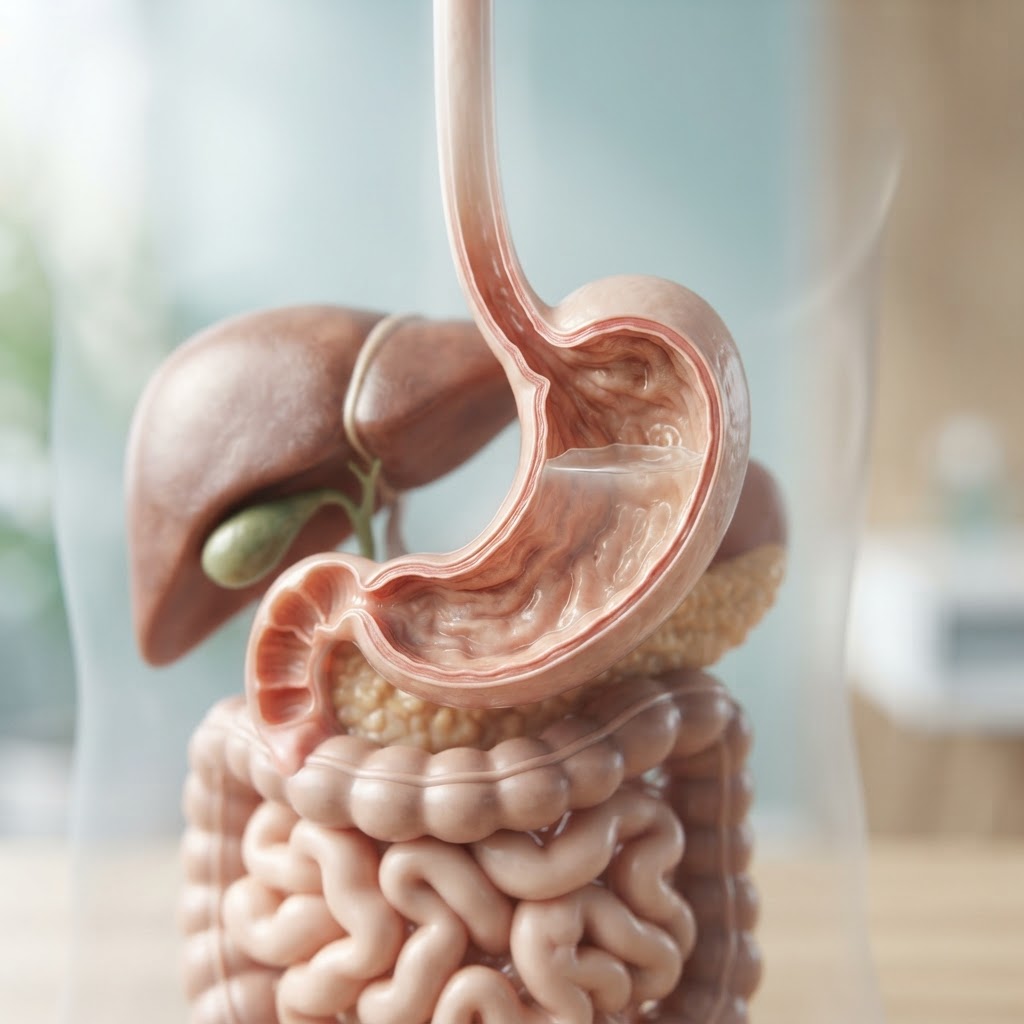
- Hypochlorhydria, or low stomach acid, is an overlooked root cause of many chronic digestion issues.
- Common indicators include bloating, acid reflux-like sensations, and undigested food in stools.
- Stress, aging, and certain lifestyle habits are frequent contributors to reduced gastric acid production.
- Home testing methods like the bicarbonate test serve as preliminary screenings rather than diagnostic tools.
- Optimizing stomach acidity is essential for protein digestion and the absorption of vital minerals like B12 and iron.
For decades, the health and wellness industry has hyper-focused on the idea that excessive stomach acid is the primary culprit behind digestive discomfort. However, as our understanding of gastrointestinal health evolves, we are discovering that the opposite—a state known as hypochlorhydria—may be a more common and debilitating issue than previously realized. When the stomach fails to produce enough hydrochloric acid (HCl), the body enters a cycle of digestive inefficiency that ripples outward, impacting everything from immune function to nutrient status. If you have been struggling with persistent bloating, fatigue, or the feeling that food is just “sitting there” for hours, it is time to look at the chemistry of your stomach. This guide explores the multifaceted world of low stomach acid, offering insights into why it happens and how you can naturally support your digestive foundation.
Understanding Hypochlorhydria: What Is Low Stomach Acid?
Hypochlorhydria refers to a condition where the stomach produces an insufficient amount of hydrochloric acid. To appreciate why this is a problem, one must first understand the stomach’s specialized role in digestion. The stomach is designed to be an incredibly acidic environment, typically functioning at a pH between 1.5 and 3.5. This high level of acidity is not merely a byproduct of the digestive process; it is a critical requirement for several essential functions.
First and foremost, stomach acid is the body’s primary chemical defense against pathogens. The food and water we consume are rarely sterile. A highly acidic gastric environment effectively neutralizes bacteria, parasites, and fungi before they can reach the delicate ecosystem of the small intestine. When acid levels drop, this defensive barrier is compromised, which may lead to the overgrowth of unfavorable bacteria in the small intestine, a condition often associated with intense digestive distress.
Beyond defense, HCl is the key that unlocks protein digestion. Proteins are complex, tightly coiled structures that the body cannot absorb in their raw state. Stomach acid acts as a denaturing agent, unfolding these protein strands so that digestive enzymes—specifically pepsin—can begin breaking them down into peptides and amino acids. If the stomach environment is not acidic enough, pepsin remains largely inactive. This leads to a scenario where protein-heavy meals pass into the intestines only partially broken down, leading to the fermentation of protein remnants, which can cause significant gas and bloating.
Furthermore, an acidic stomach serves as the catalyst for the entire digestive cascade. The low pH of the chyme (the mixture of food and gastric juices) exiting the stomach signals the pancreas and gallbladder to release their respective enzymes and bile. Without this acidic trigger, the rest of the digestive tract may not receive the necessary chemical “marching orders,” leading to sluggish digestion throughout the entire system. Understanding hypochlorhydria is not just about the stomach; it is about recognizing that your stomach acid is the master switch for efficient nutrient assimilation and gut health.
Common Symptoms of Low Stomach Acid You Should Not Ignore
Identifying hypochlorhydria can be challenging because many of the symptoms mirror those of high stomach acid, or hyperchlorhydria. This confusion often leads individuals to rely on antacids or acid-blocking medications, which may exacerbate the underlying low-acid issue. Recognizing the nuances of how your body reacts to meals is key to distinguishing between these two states.
One of the hallmark signs of low stomach acid is the feeling of fullness or “heaviness” immediately after eating. If you find that a meal stays in your stomach for hours, or you feel the need to unbutton your pants shortly after finishing dinner, it may indicate that your digestive process has stalled due to a lack of acidity. Related to this is the presence of undigested food particles in the stool. Since the stomach has not adequately broken down the structural components of your food, the small and large intestines cannot finish the job, resulting in identifiable food remnants in bowel movements.
Gas and bloating are also frequent companions to low acid levels. When food remains in the stomach too long, it begins to ferment, producing gases that lead to distension. This pressure can push against the lower esophageal sphincter (LES), the muscle that acts as a valve between the stomach and the esophagus. When the LES relaxes inappropriately due to this pressure, small amounts of stomach contents can reflux upward. While this often feels like the “burning” associated with excess acid, it is frequently the result of poor digestion and lack of acid—a classic scenario of acid reflux occurring in a low-acid stomach.
Other symptoms are more systemic. Because protein digestion is compromised, individuals may experience brittle nails, hair thinning, or chronic fatigue. These are often signs of nutrient malabsorption. Additionally, some people report a lack of appetite, particularly in the morning, as the digestive system still feels congested from the previous day’s meals. It is also common for people with hypochlorhydria to experience iron-deficiency anemia that does not respond well to standard supplementation, as an acidic environment is required to properly ionize minerals for absorption. If you notice these patterns, it is important to observe your symptoms objectively rather than assuming they are purely due to “too much acid.”
Primary Causes of Reduced Gastric Acid Production
The reduction of stomach acid is rarely the result of a single event; rather, it is often a cumulative process involving lifestyle, age, and systemic health. Experts generally agree that age is a major factor. As we move past middle age, the parietal cells in the stomach lining—the cells responsible for secreting hydrochloric acid—may gradually decrease in both number and efficiency. This natural decline means that digestive vigor often lessens as we get older, which is why indigestion is a frequent complaint in older demographics.
Chronic stress is another major contributor. The digestive system is managed by the parasympathetic nervous system, commonly referred to as the “rest and digest” state. When we are under chronic stress, the body shifts into a sympathetic “fight or flight” mode. In this state, blood flow is diverted away from the stomach and toward the muscles and heart, and the secretion of gastric juices is down-regulated. Eating on the go, skipping meals, or eating while feeling anxious effectively “turns off” the stomach’s ability to produce adequate acid.
Nutritional deficiencies also play a significant role. The production of HCl is an energy-intensive and nutrient-demanding process. Specifically, zinc, vitamin B1, and vitamin B6 are vital co-factors in the synthesis of stomach acid. A diet high in processed foods may be devoid of these essential micronutrients, creating a physiological environment where the stomach simply lacks the raw materials required to produce high-quality digestive acid.
Furthermore, the presence of certain chronic infections, such as H. pylori, can alter the stomach’s environment. While this bacterium is often linked to ulcers, its presence can also suppress acid secretion as a survival strategy for the bacteria itself. Additionally, the long-term use of proton pump inhibitors (PPIs) and H2 blockers—medications designed to reduce stomach acid—can sometimes lead to a dependency where the stomach loses its natural ability to produce acid. Over time, these lifestyle and medical factors create a perfect storm, leading to persistent hypochlorhydria that requires a holistic approach to reverse.
How to Safely Test Your Stomach Acid Levels at Home
While definitive diagnosis of hypochlorhydria typically requires clinical testing (such as a Heidelberg stomach acid test administered by a practitioner), there are preliminary methods that many individuals use to gather more information. The most common at-home assessment is the baking soda test. This method is based on the idea that when baking soda (sodium bicarbonate) reacts with hydrochloric acid in the stomach, it creates carbon dioxide gas, which leads to burping.
To perform this, you mix one-quarter teaspoon of baking soda in four to six ounces of cold water upon waking, before consuming any food or drink. After drinking the mixture, you time how long it takes for you to burp. A healthy stomach with adequate acid should produce a burp within two to three minutes. If you do not burp within five minutes, it may suggest low stomach acid production. While this test is not medically validated, it serves as a helpful, low-risk way to assess your own digestive patterns alongside your symptoms.
Another approach involves a therapeutic trial using supplements like Betaine HCl. This involves taking a capsule of Betaine HCl with a protein-rich meal and monitoring the physical response. If you feel a “burning” sensation, it indicates that your stomach likely had sufficient acid to begin with, and the supplement was unnecessary. If you feel nothing, it may indicate a need for supplemental support.
| Approach | Methodology | Best For |
|---|---|---|
| Baking Soda Test | Mixing bicarb in water and timing burps. | Initial screening for low acid. |
| Betaine HCl Trial | Supplementing during protein meals. | Assessing digestive enzyme needs. |
| Clinical Testing | Professional pH monitoring tools. | Confirming medical hypochlorhydria. |
It is crucial to emphasize that these methods are not substitutes for professional medical advice. If you suspect you have an ulcer, gastritis, or any other underlying condition, attempting to “acidify” your stomach through supplementation could be harmful. Always consult with a qualified health professional before beginning a regimen of Betaine HCl or other digestive aids. Furthermore, never perform these tests if you are currently taking prescription NSAIDs or corticosteroids, as these medications can irritate the stomach lining, making it sensitive even in the absence of high acid.
The Link Between Low Stomach Acid and Nutrient Malabsorption
The stomach’s failure to produce adequate HCl is not just a localized digestive inconvenience; it is a systemic metabolic bottleneck. Digestion is a process of extraction. When we consume food, our body relies on chemical breakdown to liberate vitamins, minerals, and amino acids from their food matrices. Without a sufficiently acidic environment, this extraction process is significantly hampered, leading to a state of “hidden hunger”—where a person consumes sufficient calories but remains malnourished.
Mineral absorption is particularly sensitive to pH. Minerals like calcium, magnesium, iron, copper, and zinc require an acidic environment to be ionized, or broken down into a form the body can absorb through the intestinal wall. Iron, for instance, is notoriously difficult to absorb without adequate stomach acid. Many individuals who struggle with chronic iron-deficiency anemia find that even after consistent iron supplementation, their blood markers do not improve. In such cases, the root cause may be a digestive environment that cannot process the iron properly. By restoring healthy acid levels, many find that their ability to utilize minerals from food and supplements improves dramatically.
Vitamin B12 is another critical nutrient that suffers under hypochlorhydria. In food, B12 is attached to proteins. To be absorbed, it must first be detached from these proteins by gastric acid and pepsin. Once free, it must bind to a substance called intrinsic factor—also secreted in the stomach—to be safely ushered to the small intestine for absorption. If the stomach cannot provide the initial acidic “cleave” to separate the B12 from the protein, the vitamin remains trapped and passes through the digestive tract unabsorbed. This explains why low stomach acid is a frequent precursor to B12 deficiency, which can manifest as fatigue, neurological symptoms, and cognitive fog.
Beyond specific minerals and vitamins, there is the issue of amino acid utilization. Amino acids are the building blocks of every protein in the human body, from neurotransmitters to collagen. When stomach acid is low, the enzymatic breakdown of proteins is incomplete. The body is then forced to deal with large, improperly digested protein particles, which may trigger sensitivities or immune responses in the gut lining. Over the long term, this cycle of malabsorption can lead to reduced tissue repair, weakened immune defenses, and lower energy levels. Addressing your stomach acid is a fundamental step toward reclaiming your body’s ability to turn the food you eat into the building blocks you actually need to function at your best.
Dietary Changes to Naturally Stimulate Hydrochloric Acid
Reclaiming optimal digestive health often begins with what you place on your plate. If your stomach acid levels are suboptimal, your primary dietary goal is twofold: consume foods that naturally encourage the parietal cells to secrete hydrochloric acid (HCl) and avoid foods that neutralize the delicate pH balance of the stomach. By strategically altering your intake, you create an environment where digestion can flourish naturally.
The first step in this dietary shift is the inclusion of bitter foods. Bitters have been used for centuries in various medicinal traditions to stimulate digestive secretions, including saliva, stomach acid, and bile. When the bitter receptors on the tongue are triggered, they send a signal via the vagus nerve to the stomach to prepare for incoming nutrients. Incorporating ingredients such as dandelion greens, arugula, radicchio, endive, and kale into your meals—particularly as a starter salad—can prime your digestive system effectively.
Ginger is another potent tool in the digestive arsenal. Known for its ability to soothe the gastrointestinal tract, ginger also promotes the secretion of digestive enzymes and increases the production of gastric acid. Sipping on fresh ginger tea or incorporating minced ginger into your stir-fries provides a two-fold benefit: it helps move food through the stomach more efficiently (improving motility) and ensures the chemical breakdown of proteins is supported.
Zinc-rich foods are non-negotiable for those struggling with hypochlorhydria symptoms. Zinc is a critical structural component of the carbonic anhydrase enzyme, which is essential for the production of hydrochloric acid within the stomach lining. Without adequate zinc, the body literally lacks the raw materials required to synthesize stomach acid. Foods like pumpkin seeds, oysters, beef, and lentils should be staples in the diet of anyone looking to normalize their gastric pH.
It is equally important to discuss what to avoid. Highly processed foods, refined sugars, and excessive amounts of cold beverages during a meal can significantly dampen your digestive fires. Cold liquids, in particular, may reduce the temperature of the stomach, potentially slowing down the enzymatic activity required for proper breakdown. Prioritize room-temperature water away from meal times to ensure your stomach acidity remains concentrated and effective.
The Role of Betaine HCL in Supplementing Digestive Health
When dietary adjustments and lifestyle changes are insufficient to address significant hypochlorhydria, many people turn to supplemental support. Betaine HCL (hydrochloride) is widely regarded as the gold standard for supplementing stomach acid. Derived from beets or other plant sources, it acts as a synthetic version of the stomach’s natural acid, helping to lower the pH of the gastric environment to the levels necessary for the digestion of proteins and the absorption of micronutrients.
The primary function of Betaine HCL is to provide the “acid push” that a weak stomach lacks. When taken alongside a protein-rich meal, it mimics the body’s natural secretion, effectively breaking down amino acid chains and neutralizing pathogens that might have otherwise survived the journey into the intestines. This is particularly vital for the elderly or those with chronic inflammation, as the ability to produce adequate stomach acid naturally declines with age.
However, supplementation requires a cautious approach. Taking Betaine HCL without guidance can be uncomfortable if the stomach is not actually deficient, or if there is pre-existing irritation of the stomach lining. Typically, those who supplement start with a single capsule containing a specific dose of Betaine HCL alongside a meal, gradually increasing the dose until they feel a sense of warmth or mild burning in the chest, at which point they dial it back. This is often referred to as the “dosage titration” method.
It is vital to note that Betaine HCL should not be used by individuals who are currently taking Non-Steroidal Anti-Inflammatory Drugs (NSAIDs), corticosteroids, or those who have active stomach ulcers or gastritis. These medications can thin the protective lining of the stomach, and adding supplemental acid could exacerbate tissue damage.
| Supplement Type | Primary Function | Best For |
|---|---|---|
| Betaine HCL with Pepsin | Mimics natural HCl production | Significant protein digestion issues |
| Apple Cider Vinegar | Gentle natural acidification | Mild indigestion and bloating |
| Digestive Enzyme Blends | Assists in enzymatic breakdown | General malabsorption and gas |
| Bitter Herbs (Gentian/Dandelion) | Triggers native acid release | Chronic sluggish digestion |
Lifestyle Habits to Improve Stomach Acid and Digestion
Digestion is a parasympathetic process—often called the “rest and digest” state. If you are eating while stressed, distracted, or in a rush, your body is operating in a sympathetic (fight-or-flight) state, which effectively shuts down digestive secretions. The most effective way to improve your stomach acid levels is to fundamentally change how you approach the act of eating.
Start by implementing the “mindful meal” practice. This means removing screens, putting down your work, and sitting down in a calm environment for every meal. Taking five deep, slow breaths before your first bite can physically shift your nervous system into the parasympathetic mode, signaling to your stomach that it is time to release enzymes and acid. Research suggests that chewing food thoroughly is just as important as the acid itself. Digestion begins in the mouth; by breaking food into smaller particles, you reduce the workload on your stomach, allowing your natural (or supplemented) acid to coat and break down the food more effectively.
Hydration timing is another often overlooked factor. Drinking large quantities of water during a meal can dilute the gastric juices, making it harder for the stomach to maintain an acidic environment. Experts generally recommend finishing your water intake 20 to 30 minutes before a meal and waiting until an hour or more after you finish eating to consume large glasses of liquid. If you feel you need a digestive boost during the meal, a small amount of apple cider vinegar in a tablespoon of water can act as a natural stomach acid primer without causing the dilution associated with large glasses of water.
Finally, consider the role of daily movement. Moderate exercise, such as walking after a meal, helps stimulate gut motility. When the digestive tract is moving properly, it prevents the stagnation of food that can lead to bacterial overgrowth and further inhibit the body’s natural hunger cues and acid production. Consistent, gentle physical activity helps keep the entire gastrointestinal tract toned and responsive to the needs of the body.
When to See a Doctor for Persistent Digestive Issues
While many digestion issues can be managed through dietary and lifestyle shifts, there are red flags that warrant immediate medical evaluation. If your digestive complaints are persistent, chronic, or worsening despite your best efforts to support your stomach health, do not attempt to self-manage further.
You should consult a healthcare professional if you experience symptoms such as unexplained weight loss, blood in the stool (which may appear dark or tarry), persistent vomiting, or difficulty swallowing. These can be indicators of more serious conditions, such as gastrointestinal ulcers, celiac disease, or even malignancy, which cannot be treated with simple acid supplementation or diet changes.
Additionally, if you have chronic heartburn that does not respond to natural interventions, or if you feel pain that wakes you up at night, it is essential to seek a professional diagnosis. A doctor can order specific tests, such as a urea breath test to rule out H. pylori infection, or an endoscopy to visualize the stomach lining directly. Never assume that “low stomach acid” is the sole cause of your symptoms; digestive health is complex, and an accurate diagnosis is the safest path forward.
Frequently Asked Questions
Can apple cider vinegar really help with low stomach acid?
Yes, apple cider vinegar is widely used as a gentle way to acidify the stomach. The acetic acid in the vinegar can help lower the pH of the stomach contents, which may facilitate the breakdown of food. It is best taken diluted in a small amount of water about 15 minutes before a meal. However, it is significantly less potent than concentrated Betaine HCL and may not be sufficient for severe cases of hypochlorhydria.
What is the most accurate low stomach acid test?
There is no single “gold standard” test that is universally accessible. The Heidelberg Stomach Acid Test, which involves swallowing a capsule that measures pH, is considered the most accurate, but it is rarely available in standard clinical settings. Many practitioners rely on a combination of symptom analysis, medical history, and sometimes a “Betaine HCL challenge” (conducted under supervision) to determine if acid support is necessary.
Why does stomach acid decrease as we age?
The secretion of hydrochloric acid relies on the health of the parietal cells in the stomach lining. As we age, these cells may become less efficient, a process often associated with the thinning of the stomach lining (atrophic gastritis). Additionally, age-related changes in the immune system and the accumulation of long-term inflammation can reduce the body’s natural ability to produce the intense acidity required for optimal digestion.
Can low stomach acid cause SIBO?
Yes, there is a strong link between hypochlorhydria and Small Intestinal Bacterial Overgrowth (SIBO). Stomach acid acts as a primary barrier against the entry of bacteria from the outside world. When acid levels are too low, this barrier is compromised, allowing bacteria that should remain in the lower digestive tract—or should have been killed by stomach acid—to colonize the small intestine, leading to gas, bloating, and malabsorption.
Is it safe to take Betaine HCL with other medications?
It depends entirely on the medication. Betaine HCL is generally contraindicated for anyone taking NSAIDs (like ibuprofen or aspirin), corticosteroids (like prednisone), or other drugs that can irritate the stomach lining or increase the risk of ulceration. Always review your current medication list with your doctor or pharmacist before introducing any digestive supplements to ensure there are no interactions.
What are the common symptoms of low stomach acid?
The most common symptoms include feeling overly full or “stuffed” after small meals, frequent bloating, excessive belching after eating, undigested food in the stool, brittle nails, and hair loss. Many people also experience chronic fatigue, as the body struggles to extract the necessary nutrients, such as iron, B12, and calcium, from the food they consume due to the lack of sufficient acid for absorption.
Conclusion
Understanding the role of hydrochloric acid is a pivotal step in regaining control over your digestive health. While the symptoms of hypochlorhydria—bloating, fatigue, and nutrient deficiencies—can be disruptive and discouraging, they are often signals that your body requires targeted support rather than suppressive therapy. By incorporating bitter herbs, prioritizing zinc-rich foods, and refining your eating habits, you can encourage your body to restore its natural digestive rhythm. For those who need more significant assistance, tools like Betaine HCL, when used safely and under proper guidance, can bridge the gap toward better absorption and vitality. Remember that digestive health is a journey, not a quick fix. Listen to your body, remain consistent with your healthy habits, and seek professional guidance whenever your symptoms persist. Your digestive system is the gateway to your overall wellness, and it deserves your focused attention and care.
By healthauthoritylife Editorial Team
This article is for informational purposes only and is not a substitute for professional medical advice. Always consult your doctor before making changes to your diet, exercise routine, or treatment plan.
Leave a Reply