
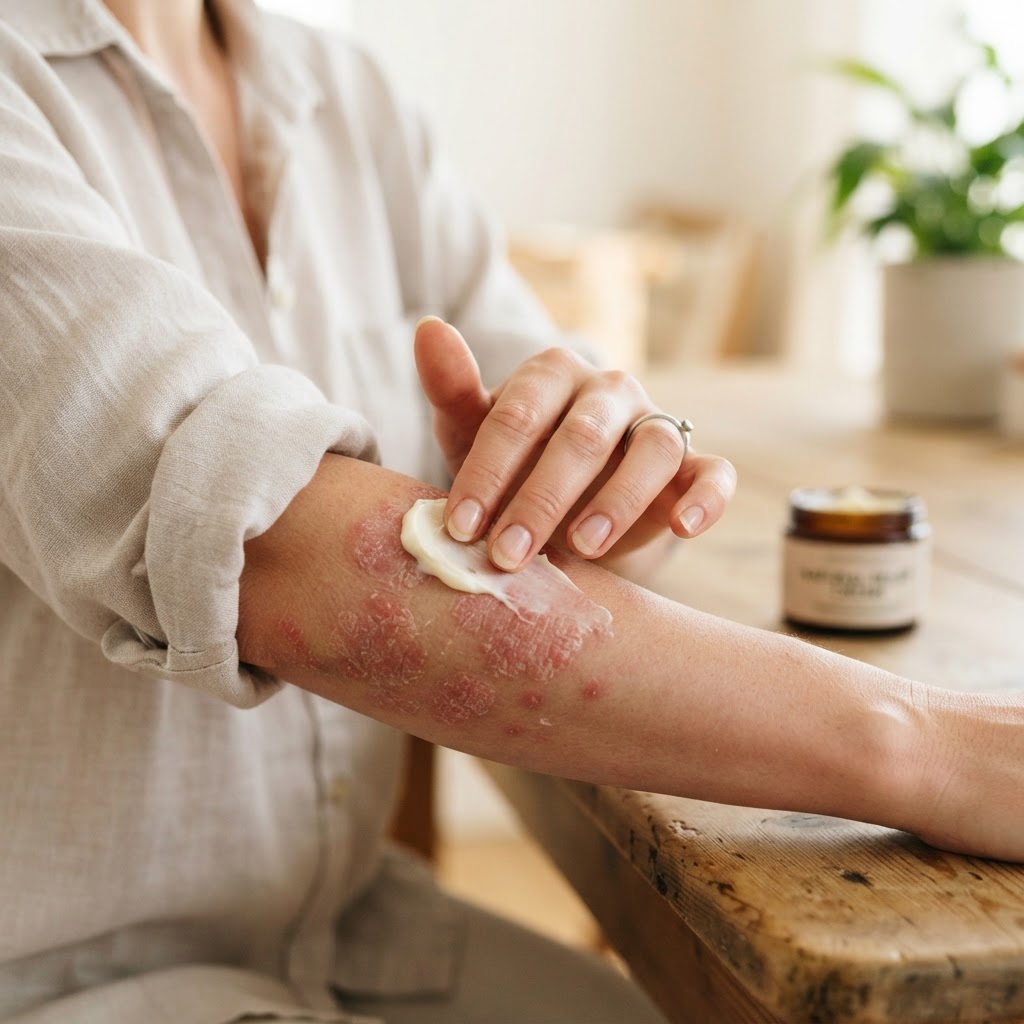
- Chronic psoriasis is an autoimmune condition that extends far beyond surface-level skin inflammation.
- Identifying specific psoriasis triggers is essential for developing a personalized long-term management plan.
- The gut-skin axis highlights how anti-inflammatory dietary choices can significantly influence skin health and flare frequency.
- Natural topical interventions often provide effective support for managing itching and redness alongside traditional care.
- Chronic stress is a major contributor to psoriasis progression, necessitating consistent nervous system regulation techniques.
Living with chronic psoriasis is often a journey of trial and error, requiring a deep understanding of how your body reacts to internal and external stressors. While the plaques and scaling associated with this condition are the most visible markers, they are merely the surface manifestation of a complex immune-mediated process. For many, the physical discomfort is accompanied by significant emotional strain, making the search for effective relief not just a matter of aesthetics, but one of holistic well-being. By exploring the root causes, nutritional influences, and lifestyle adjustments that impact skin health, individuals can move from a reactive state of “fire-fighting” symptoms to a proactive, informed approach to long-term management. In this guide, the healthauthoritylife Editorial Team breaks down the multifaceted nature of psoriasis, offering actionable insights to help you regain control over your skin health.
Understanding Chronic Psoriasis: More Than Just Skin Deep
Chronic psoriasis is frequently misunderstood as merely a skin complaint, yet it is profoundly rooted in the functioning of the immune system. At its core, it is an autoimmune condition where the body’s defense system mistakenly identifies healthy skin cells as a threat. This miscalculation triggers an accelerated life cycle of skin cells, causing them to multiply and move to the surface in days rather than the typical weeks. As these cells accumulate, they form the characteristic thick, red, scaly plaques that define chronic psoriasis symptoms.
However, the implications of this process extend throughout the body. Because the immune system is in a constant state of heightened activity, psoriasis is often linked to systemic inflammation. Experts generally agree that this underlying inflammation is why those with the condition may also face a higher risk of comorbidities, including psoriatic arthritis, metabolic syndrome, and cardiovascular issues. Understanding that your skin is reflecting an internal immune response is the first step toward effective management. Rather than viewing the skin as an isolated organ, it is more accurate to view it as the “public-facing” indicator of your systemic health.
When we look at psoriasis causes, it is clear that there is no single “culprit.” Instead, it is typically a combination of genetic predisposition and environmental factors. Individuals carry specific genes that make them susceptible to the condition, but these genes often remain dormant until “activated” by an external or internal event. For many, the first manifestation of psoriasis happens during periods of significant life change or illness. Recognizing this helps remove the stigma often associated with the disease; it is not a result of poor hygiene or personal choices, but rather a biological response that requires a nuanced management strategy.
Managing the skin is just one piece of the puzzle. Chronic psoriasis requires a lifestyle-based approach that addresses how the body handles inflammation on a daily basis. This involves paying attention to subtle signals from the body, such as fatigue, joint stiffness, or localized heat, which often precede a visible outbreak. By acknowledging that psoriasis is a systemic, lifelong process, you empower yourself to focus on internal equilibrium. This broader perspective allows you to look past the visible plaques and focus on foundational health habits—such as consistent sleep, hydration, and immune support—that keep systemic inflammation in check and minimize the severity of flares over time.
Identifying Your Unique Psoriasis Triggers
One of the most frustrating aspects of managing the condition is the unpredictability of psoriasis triggers. While some triggers are universal, such as severe physical injury or certain infections, many are highly individualistic. What might cause an immediate flare for one person could be entirely harmless for another. Identifying your personal “red flags” is perhaps the most important skill you can develop for long-term skin health.
Many individuals find that tracking their lifestyle in a journal is the most reliable way to spot patterns. When you experience a flare, look back at the previous 48 to 72 hours. Were you under unusual professional pressure? Did you consume specific foods that are inflammatory? Was the weather particularly dry or cold? Did you start a new medication or supplement?
Common triggers often fall into a few key categories:
– Physical Trauma: The Koebner phenomenon refers to the tendency for psoriasis to develop in areas of skin injury, such as cuts, scrapes, or even severe sunburns.
– Infections: Strep throat is a well-documented trigger, particularly for guttate psoriasis, but any viral or bacterial infection that activates the immune system can put the skin at risk.
– Medications: Certain classes of drugs, including those used for hypertension, lithium, or anti-malarials, have been known to exacerbate symptoms.
– Climatic Changes: Cold, dry air is a notorious trigger, as it strips the skin of moisture and slows circulation, whereas many people find that moderate sun exposure provides relief.
To help you organize your management strategy, consider the following table of common intervention approaches and their typical roles in managing flares:
| Approach/Method | Primary Benefit | Best For |
|---|---|---|
| Moisturizing with Occlusives | Protects the skin barrier | Daily maintenance and dryness |
| Stress Reduction Techniques | Lowers systemic cortisol | Preventing emotional-linked flares |
| Anti-inflammatory Diet | Reduces systemic immune strain | Long-term remission management |
| Controlled Sun Exposure | Vitamin D and UV suppression | Reducing plaque thickness |
By systematically reviewing these triggers, you can transition from a cycle of “guessing” to a cycle of “knowing.” If you notice that specific environments or emotional stressors consistently precede a flare, you can preemptively adjust your routine—such as increasing hydration, focusing on anti-inflammatory meals, or prioritizing sleep—to mitigate the immune response before the plaques become visible. Consistency is your greatest ally here; the more data you collect about your own body, the more effectively you can prevent flares before they start.
The Gut-Skin Connection: How Diet Affects Inflammation
The relationship between what we eat and the state of our skin is increasingly recognized as a cornerstone of integrative dermatology. The “gut-skin axis” describes the bidirectional communication between the gastrointestinal tract and the skin, primarily mediated by the immune system and the microbiome. When the gut lining is compromised—a state often referred to as increased intestinal permeability or “leaky gut”—undigested proteins or toxins can pass into the bloodstream. This triggers a defensive immune response, which, in a person with a predisposition to psoriasis, often manifests as skin inflammation.
Psoriasis diet and skin health are intrinsically linked. Because psoriasis is fundamentally an inflammatory disease, the most effective dietary approach focuses on neutralizing systemic inflammation. Many experts suggest an “anti-inflammatory” framework, which prioritizes whole, unprocessed foods while limiting those known to irritate the gut or spike insulin levels.
For many people managing chronic psoriasis, common triggers in the diet include gluten, dairy, nightshade vegetables (like tomatoes, peppers, and eggplant), and high-sugar processed foods. While these are not universal triggers, they are frequently cited as contributors to increased redness and itching. An elimination diet, conducted under professional guidance, can be a transformative experiment to see which specific foods impact your personal symptoms.
Focusing on gut health also means nurturing a diverse microbiome. The beneficial bacteria in your gut produce short-chain fatty acids, which play a crucial role in maintaining immune tolerance. You can support this by increasing your intake of prebiotic fibers—found in garlic, onions, leeks, and asparagus—and fermented foods like sauerkraut, kefir, and kimchi. These foods help maintain the integrity of the gut barrier, ensuring that the immune system remains calm and “untriggered.”
Furthermore, hydration is often overlooked in the context of the gut-skin axis. Adequate water intake is essential for digestion, nutrient absorption, and the elimination of metabolic waste. Dehydration can lead to systemic stress and dry, compromised skin, making it more difficult for the body to repair itself after a flare. By prioritizing gut-healing foods—such as bone broth, omega-3 rich fatty acids (found in wild-caught fish and flaxseeds), and leafy green vegetables—you are essentially feeding your skin from the inside out. Remember that dietary changes for psoriasis are rarely “quick fixes.” It often takes several weeks of consistent, clean eating to notice a meaningful reduction in skin inflammation.
Natural Topical Remedies to Soothe Itching and Redness
When a flare is active, the sensation of itching can be both physically exhausting and mentally taxing. While medical interventions are often necessary, natural psoriasis relief can serve as a powerful adjunct to soothe the skin and provide comfort. The goal of topical application is two-fold: to repair the compromised skin barrier and to provide anti-inflammatory relief to the underlying tissue.
Aloe vera, for example, is widely respected for its cooling and anti-inflammatory properties. Pure, high-quality aloe gel can be applied directly to red, inflamed plaques to reduce the heat and irritation associated with the burning sensation of psoriasis. It acts as a gentle humectant, pulling moisture into the skin without clogging pores.
Another staple in natural skin care for psoriasis is colloidal oatmeal. Historically used for its soothing properties in various skin conditions, colloidal oatmeal contains compounds like avenanthramides that help modulate the immune response on the skin’s surface. A lukewarm bath with colloidal oatmeal can be immensely helpful for widespread irritation, helping to calm the itching cycle and prevent the urge to scratch, which can lead to secondary infections.
For plaques that are particularly thick and scaly, emollients play a crucial role. Plant-based oils such as jojoba, coconut, or evening primrose oil are rich in fatty acids that can help soften scales, making them easier to manage without aggressive scrubbing. Aggressive exfoliation often triggers the Koebner phenomenon mentioned earlier, so it is vital to approach scaling with patience. Gently applying an oil after a bath or shower helps lock in moisture, maintaining the skin’s flexibility and reducing the likelihood of cracking and bleeding.
Some individuals also find success with topical applications of turmeric or apple cider vinegar, though these should be used with caution. Turmeric, specifically the compound curcumin, has potent anti-inflammatory properties; however, it can stain clothing and skin. Apple cider vinegar, when diluted significantly with water, can help restore the skin’s pH balance, but it should never be applied to broken or cracked skin, as it will cause intense stinging. Always conduct a patch test on a small, unaffected area of skin before applying any natural remedy to a large plaque. The key to natural relief is consistency and gentleness; prioritize remedies that hydrate, protect, and soothe rather than those that promise to “strip” or “cure” the condition overnight.
The Role of Stress Management in Reducing Flare-ups
The relationship between the mind and the skin is undeniable. In the context of chronic psoriasis, stress acts as an internal trigger that can set off a cascade of physiological events. When the brain perceives stress, it triggers the release of cortisol and other stress-related hormones. While cortisol is naturally anti-inflammatory in short bursts, chronic, prolonged exposure to stress hormones can dysregulate the immune system, leading to heightened inflammation and, consequently, new or worsening psoriasis flares.
Managing stress is not merely about “feeling better”—it is a biological imperative for those with autoimmune conditions. Establishing a nervous system regulation routine is essential for long-term health. This does not necessarily require hours of meditation; rather, it requires finding micro-moments of calm throughout the day to signal to your body that it is safe.
Techniques such as diaphragmatic breathing (or belly breathing) can shift the body from a sympathetic (“fight or flight”) state to a parasympathetic (“rest and digest”) state in just a few minutes. Consistent practice of mindfulness or progressive muscle relaxation can help lower baseline levels of systemic inflammation. For many, physical activity—if it is not too strenuous—acts as a vital outlet for nervous energy. Walking in nature, gentle yoga, or swimming are often favored because they offer the dual benefit of movement and environmental stimulation that promotes relaxation.
Sleep hygiene also falls under the umbrella of stress management. During deep sleep, the body performs essential repair work on tissues, including the skin. Chronic sleep deprivation acts as a major physical stressor, directly inhibiting the body’s ability to recover from inflammatory bouts. Establishing a regular sleep schedule, dimming the lights an hour before bed, and avoiding digital screens can significantly improve your resilience.
Ultimately, accepting the reality of a chronic condition can be stressful in itself. Many people find that joining support communities—whether local groups or moderated online forums—helps alleviate the “isolation stress” that often accompanies living with psoriasis. By sharing experiences and coping strategies, you realize that you are not alone in this process. When you reduce the mental and emotional load of your condition, you inherently reduce the physiological pressure on your immune system, making it significantly easier to manage psoriasis flares and maintain periods of skin clarity.
Nutritional Supplements That May Support Skin Healing
While a balanced diet serves as the foundation for managing skin inflammation, specific nutritional supplements can bridge the gap for those struggling with chronic psoriasis. Because psoriasis is an immune-mediated condition, the goal of supplementation is often to modulate the immune response and reduce systemic inflammation. It is important to note that no supplement acts as a “cure,” but many individuals find that certain nutrients help lower the intensity of skin irritation and systemic redness.
Omega-3 fatty acids, commonly found in high-quality fish oil, are among the most frequently recommended supplements for skin health. These healthy fats are essential for maintaining cell membrane integrity and have been shown to help dampen the inflammatory cascades that lead to the rapid skin cell turnover seen in psoriasis. Similarly, Vitamin D is crucial. Many people living with skin conditions are found to have sub-optimal levels of this “sunshine vitamin,” which plays a vital role in regulating the immune system and promoting healthy skin cell differentiation.
Another area of focus is gut health. Since a large portion of the immune system resides in the digestive tract, some research suggests that probiotics may play a supportive role in managing inflammatory skin conditions. By fostering a diverse microbiome, you may help reduce systemic inflammation that potentially exacerbates psoriasis plaques. Turmeric, specifically the compound curcumin, is also widely recognized for its potent anti-inflammatory properties, potentially aiding in the reduction of redness and discomfort associated with active flares.
| Supplement Type | Primary Mechanism | Best For |
|---|---|---|
| Omega-3 Fatty Acids | Inhibits inflammatory pathways | Reducing overall systemic redness |
| Vitamin D3 | Regulates immune cell activity | Supporting skin cell turnover |
| Curcumin (Turmeric) | Antioxidant and anti-inflammatory | Calming acute inflammatory responses |
| Zinc | Promotes wound healing and repair | Supporting damaged skin barrier integrity |
Before introducing these into your daily regimen, it is vital to understand that supplements can interact with prescription medications. For example, high doses of fish oil can have blood-thinning effects, which might be problematic if you are on other medications. Always consult with a healthcare professional to ensure the dosage and quality of the supplements align with your specific health history.
Lifestyle Habits to Protect Your Skin Barrier Daily
Managing chronic psoriasis is as much about your daily environment and habits as it is about internal health. The skin barrier acts as your first line of defense; when it is compromised by plaques, it becomes highly susceptible to irritants, infections, and moisture loss. Protecting this barrier requires a shift toward gentle, intentional living.
Hydration is the cornerstone of skin protection. During a flare, the skin loses moisture at an accelerated rate, leading to the cracking and bleeding often associated with psoriasis symptoms. Applying a thick, fragrance-free emollient or ointment within three minutes of exiting the shower—often called the “soak and seal” method—helps trap residual moisture in the skin. Avoid harsh soaps or body washes containing sulfates and artificial fragrances, as these strip away natural oils that are essential for barrier repair.
Your clothing choices also impact your skin health. Synthetic fabrics can trap heat and sweat, creating an environment where bacteria may thrive and irritation can worsen. Opting for loose-fitting, breathable materials like organic cotton or bamboo can minimize friction against sensitive plaque-prone areas. Furthermore, managing your indoor environment is key. During dry winter months, using a humidifier in your bedroom can prevent your skin from becoming excessively parched, which is a common trigger for itching and scaling.
Stress management is perhaps the most underrated lifestyle habit. High cortisol levels are known to trigger immune responses that can lead to flare-ups. Incorporating mindfulness practices—such as deep breathing exercises, gentle yoga, or regular meditation—can help lower your baseline stress levels. By creating a lifestyle that prioritizes skin protection and stress reduction, you empower your body to maintain a more stable, comfortable state.
When to See a Specialist for Persistent Skin Issues
While many individuals begin their journey with primary care providers, there comes a point where the expertise of a board-certified dermatologist becomes essential. Psoriasis is a complex, multi-system condition, and failing to manage it effectively can lead to long-term skin damage or the development of psoriatic arthritis.
You should consider seeking a specialist if you notice that over-the-counter treatments and lifestyle adjustments are no longer providing sufficient relief. If you are experiencing “widespread” symptoms, where plaques cover more than a small percentage of your body, professional intervention is necessary to prevent complications. Additionally, if the symptoms are significantly impacting your quality of life—such as causing sleep deprivation, intense pain, or social withdrawal—a dermatologist can provide access to advanced systemic or biologic therapies that are not available through general practitioners.
Be aware of specific red flags. If you notice signs of a secondary infection, such as pus, increased warmth, or fever, you should seek medical attention promptly. Furthermore, if you develop joint pain, stiffness, or swelling in your fingers, toes, or spine, it is imperative to discuss this with a doctor immediately, as this could indicate the progression of psoriatic arthritis. A dermatologist can provide a personalized roadmap that goes beyond symptom suppression, focusing on long-term disease modification and preventing systemic complications.
Tracking Progress: How to Maintain Long-term Remission
Achieving remission in chronic psoriasis is often a journey of trial and error, and tracking your progress is the best way to determine what truly works for your unique physiology. Many people find success in maintaining a “psoriasis journal.” By documenting your daily intake, skin condition, stress levels, and weather conditions, you can begin to identify patterns that might be invisible at first glance.
Long-term remission is not just about the absence of plaques; it is about consistency in your health routine. Even when your skin is clear, it is important to continue your moisturizing routine and dietary habits. Often, individuals make the mistake of stopping their treatment the moment the skin looks healthy. Psoriasis, however, is a chronic condition, and proactive management is what keeps the immune system quiet.
Engage in regular check-ins with your healthcare provider. Even during periods of remission, periodic monitoring is vital to ensure that any ongoing treatments are not causing side effects and that your condition remains stable. Focus on gradual, sustainable changes rather than “quick fix” diets or radical, unproven protocols. By observing your body’s response to specific lifestyle choices, you can build a sustainable, long-term plan that allows you to manage the condition with confidence rather than fear.
Frequently Asked Questions
Is psoriasis contagious?
No, psoriasis is an immune-mediated condition and is not contagious. You cannot transmit psoriasis to another person through touch, sharing personal items, or physical contact. It is the result of internal genetic and environmental factors that cause the immune system to overreact, leading to rapid skin cell growth.
Can stress really cause a psoriasis flare?
Yes, stress is widely recognized as one of the most common triggers for psoriasis. When the body is under stress, it produces hormones like cortisol, which can influence the immune system and increase inflammation, often leading to new or worsening skin plaques in susceptible individuals.
What is the difference between dry skin and psoriasis?
While both can involve dryness and itching, psoriasis typically presents with thick, raised plaques, often covered in silvery scales. Standard dry skin is usually uniform across the surface and responds well to simple moisturizers, whereas psoriasis patches are defined, localized, and often resistant to standard over-the-counter lotions.
Are there specific foods that always trigger psoriasis?
There is no universal “trigger food” for everyone with psoriasis. However, many people find that pro-inflammatory foods—such as processed sugars, refined carbohydrates, and certain types of alcohol—can exacerbate their symptoms. The best approach is to monitor your own reactions through an elimination diet under the guidance of a nutritionist.
Can sunlight help improve psoriasis symptoms?
For many, exposure to controlled amounts of natural sunlight can help reduce the appearance of plaques due to the immunosuppressive effects of UV radiation on the skin. However, it is vital to balance this with sun safety, as excessive exposure can cause sunburns, which may actually trigger a worsening of symptoms in a phenomenon known as the Koebner effect.
Is a cure for chronic psoriasis available?
Currently, there is no medical cure for chronic psoriasis. Because it is a chronic condition rooted in immune system activity, the focus of medical management is on achieving long-term remission, reducing inflammation, and minimizing the frequency and severity of flare-ups through medication, lifestyle adjustments, and clinical care.
Conclusion
Managing chronic psoriasis is a multifaceted challenge that requires a holistic approach, blending medical intervention with thoughtful lifestyle choices. By understanding your unique triggers, committing to a skin-protective daily routine, and utilizing appropriate nutritional and professional support, you can significantly improve your quality of life. Remember that you do not have to navigate this condition in isolation; there are numerous resources and treatment pathways available that have helped many individuals regain control over their skin health. Stay patient with the process, listen to the signals your body provides, and remain consistent in your efforts to maintain balance. Your journey toward clearer, healthier skin begins with the small, daily choices you make today.
By healthauthoritylife Editorial Team
This article is for informational purposes only and is not a substitute for professional medical advice. Always consult your doctor before making changes to your diet, exercise routine, or treatment plan.
Leave a Reply