
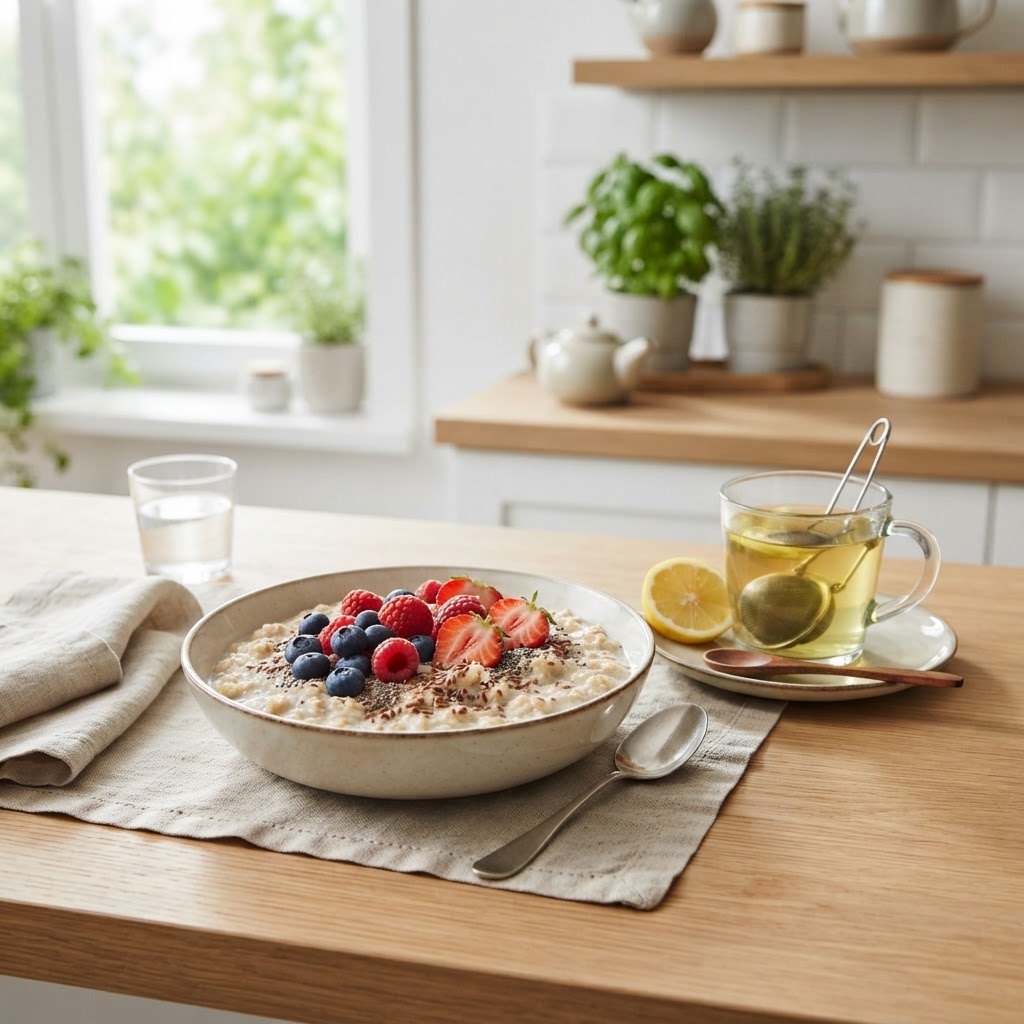
- Selecting the right breakfast is critical for managing gallbladder discomfort and preventing flare-ups.
- Prioritizing low-fat proteins and soluble fiber helps regulate bile production and digestion.
- Eating smaller, balanced meals early in the day reduces the workload on your biliary system.
- Anti-inflammatory fruits and vegetables provide essential antioxidants that support overall gallbladder function.
- Maintaining a consistent eating schedule helps stabilize bile flow, minimizing the risk of post-meal distress.
Waking up with gallbladder concerns often turns the most important meal of the day into a source of anxiety. If you have been navigating digestive challenges, you may have discovered that your previous morning routine—perhaps heavy in eggs, fatty bacon, or sugary pastries—is no longer serving your body. The good news is that transitioning to a gallbladder friendly breakfast does not mean sacrificing flavor or satiety. By understanding how your digestive system processes nutrients, you can curate a morning menu that minimizes discomfort while fueling your day. This guide explores the science behind biliary health and provides actionable strategies to help you craft the ideal breakfast recipes for gallbladder issues, allowing you to regain control over your morning and your long-term wellness.
Why Your Breakfast Choice Matters for Gallbladder Health
The gallbladder is a small, pear-shaped organ that plays an outsized role in the digestion process. Its primary function is to store and concentrate bile—a fluid produced by the liver that is essential for breaking down dietary fats. When you consume a meal, the gallbladder receives a hormonal signal to contract, releasing a concentrated dose of bile into the small intestine. For individuals with gallbladder issues, such as gallstones or inflammation, this contraction process can trigger significant pain, bloating, or nausea. Because the gallbladder has been “resting” overnight, your first meal of the day acts as a catalyst for a major digestive event, making your breakfast choices particularly impactful.
When you start your day with a high-fat or processed meal, you are essentially asking an already stressed organ to perform its most taxing duty immediately. This can lead to biliary colic, a type of pain that occurs when the gallbladder struggles to contract against blockages or inflammation. Conversely, choosing a gallbladder diet breakfast that is gentle on the system allows for a smoother, more gradual release of bile. Experts generally agree that consistency is key; by eating smaller, balanced meals at regular intervals, you can prevent the gallbladder from becoming over-distended or stagnant. This is not just about avoiding “bad” foods; it is about providing the body with the right fuel to keep the digestive system moving efficiently without overworking the biliary ducts.
A well-planned morning meal should focus on nutrient density rather than caloric overload. When you prioritize ingredients that are easy to digest, you reduce the overall burden on your GI tract. Many people find that by shifting their focus toward complex carbohydrates and lean proteins, they can avoid the mid-morning lethargy and post-prandial discomfort that often follows a heavy, greasy breakfast. Furthermore, creating a routine that emphasizes hydration and gentle fiber intake supports the entire digestive pathway, from the liver to the gallbladder and finally the intestines. Understanding that your breakfast sets the “tone” for your metabolic health allows you to view your food choices as a proactive tool for healing, rather than just a way to satisfy hunger. By adopting a mindset centered on digestive support, you can turn your morning meal into a powerful daily ritual for health restoration.
Understanding the Role of Fat in Gallbladder Digestion
To master the art of a gallbladder friendly breakfast, one must understand the relationship between dietary fat and bile secretion. Dietary fat is the primary trigger for gallbladder contraction. When fat enters the duodenum, it stimulates the release of a hormone called cholecystokinin (CCK). CCK tells the gallbladder to squeeze, pushing stored bile into the digestive tract to emulsify the fat so it can be absorbed. While this process is entirely natural and healthy in a fully functioning system, it becomes a point of contention when the gallbladder is compromised. If the organ contains stones or is experiencing chronic inflammation, a large influx of fat can cause the gallbladder to work harder than it is capable of, leading to discomfort.
However, it is a common misconception that all fat must be eliminated entirely. While reducing the overall fat load is generally recommended for those with gallbladder surgery diet requirements or chronic issues, the body still requires a small amount of healthy fats for nutrient absorption and hormone regulation. The strategy lies in the quality and quantity of fat ingested at one time. Instead of heavy saturated fats found in butter, lard, or fatty cuts of meat—which require high concentrations of bile to process—focusing on moderate portions of easily digestible, plant-based fats can be more manageable. It is about balance; spread your fat intake throughout the day rather than concentrating it in a single, high-fat meal.
Many individuals find success by swapping traditional breakfast fats for alternatives that are less taxing. For instance, incorporating a small amount of avocado or a sprinkle of flaxseeds can provide essential fatty acids without overwhelming the biliary system. When you look for foods for gallbladder health, think in terms of “fat-light.” This doesn’t mean eating flavorless food; it means choosing ingredients that allow the gallbladder to release bile in a controlled, steady stream rather than a sudden, painful flood. Managing your fat intake is the most direct way to influence your digestive comfort. By monitoring how you feel after different types of breakfast meals, you can begin to identify your personal threshold for fat intake, allowing you to build a breakfast menu that is both satisfying and safe.
| Breakfast Component | Typical Option | Best For |
|---|---|---|
| Protein Source | Egg Whites | Reducing fat load while maintaining muscle protein |
| Grain/Fiber | Steel-cut Oats | Stabilizing digestion and promoting bile flow |
| Produce | Steamed Spinach | Anti-inflammatory benefits without harsh irritation |
| Hydration | Warm Herbal Tea | Gentle digestive stimulation and gallbladder support |
Best Low-Fat Proteins to Start Your Morning
Starting your day with an adequate amount of protein is essential for satiety and blood sugar regulation, but for those concerned about gallbladder health, the *source* of that protein makes all the difference. High-fat proteins like sausages, bacon, or even whole eggs can trigger the gallbladder into a state of distress. Fortunately, there are many low-fat, high-quality protein options that provide the necessary building blocks for your muscles and tissues without forcing the gallbladder to release a massive surge of bile. Prioritizing lean proteins ensures that you feel full and energized without the heavy digestive penalty.
Egg whites are perhaps the most accessible and versatile option for a gallbladder friendly breakfast. Unlike the yolk, which contains most of the fat and cholesterol that can overstimulate the gallbladder, egg whites are almost entirely pure protein. They can be whipped into fluffy omelets with fresh herbs or scrambled with plenty of vegetables to create a voluminous, satisfying meal. If you prefer a plant-based approach, consider legumes or certain low-fat dairy products. Fat-free Greek yogurt or cottage cheese, for example, can be an excellent way to get a protein boost. These items are typically well-tolerated and can be easily paired with fruits or grains to create a balanced, nutrient-rich breakfast.
When selecting your protein, focus on preparation methods that avoid adding unnecessary oils. Steaming, poaching, boiling, or baking are far superior to frying or sautéing in butter. If you are a fan of smoothies, adding a high-quality, low-fat plant-based protein powder—such as pea or rice protein—can be an excellent, easily digestible choice. Avoid whey or soy concentrates that may contain added fillers or fats. By experimenting with these leaner alternatives, you remove the common triggers that lead to morning discomfort. Remember, the goal is to provide your body with the fuel it needs to function optimally while keeping the digestive workload to a minimum. Incorporating these lean proteins consistently can stabilize your energy levels throughout the morning, preventing the cycle of crashing and snacking that often leads to poor dietary choices later in the day.
Fiber-Rich Grains That Support Bile Flow
Fiber is a cornerstone of any gallbladder diet breakfast, acting as a natural regulator for the digestive tract. Specifically, soluble fiber is your best friend when it comes to supporting bile flow and overall gallbladder health. When soluble fiber passes through your digestive system, it binds to bile acids and helps carry them out of the body through regular bowel movements. This process is beneficial because it prevents the reabsorption of stagnant, old bile, which can otherwise contribute to the formation of sludge or stones within the gallbladder. Furthermore, high-fiber grains help maintain stable blood sugar levels, preventing the hormonal fluctuations that can sometimes indirectly impact digestive function.
Steel-cut oats are a standout choice for those looking to support their gallbladder. They are rich in beta-glucan, a type of soluble fiber that has been shown to improve satiety and heart health while being gentle on the stomach. Unlike instant oatmeal, which can be highly processed and rapidly digested, steel-cut oats require more time to break down, leading to a steady, controlled release of energy and a smoother digestive process. When preparing your morning oats, try cooking them with water or a low-fat plant milk, such as almond or oat milk, rather than full-fat dairy. You can enhance the flavor with cinnamon or a small amount of fresh fruit, which adds nutrients without adding unnecessary fats.
Other grains like quinoa and buckwheat are also excellent additions to your routine. Quinoa, in particular, is a complete protein and naturally gluten-free, making it an easy-to-digest foundation for a breakfast bowl. Whether you serve it warm with a drizzle of honey and berries or chilled in a light, fruit-forward salad, quinoa provides a satisfying texture and reliable fiber content. Barley is another grain that offers a dense, chewy texture and impressive fiber levels, although it is worth noting that it contains gluten, so it may not be suitable for everyone. As you incorporate these grains into your morning, focus on gradual increases. A sudden, massive influx of fiber can sometimes cause bloating if your system is not used to it, so start with small portions and ensure adequate hydration throughout the day. By making these fiber-rich grains a regular part of your breakfast repertoire, you are proactively supporting your liver and gallbladder in their daily functions, paving the way for better digestion and long-term health.
Anti-Inflammatory Fruits and Vegetables for Breakfast
Integrating colorful fruits and vegetables into your first meal of the day is perhaps the easiest way to combat the inflammation that often accompanies chronic digestive issues. Many vegetables are naturally low in fat and packed with antioxidants, vitamins, and minerals that promote a healthy biliary environment. When you choose foods that actively reduce inflammation, you are essentially “soothing” the lining of your digestive tract and supporting the health of the tissues surrounding the liver and gallbladder. Breakfast is the perfect opportunity to hit your daily quota of these nutrient-dense foods early, giving your body the support it needs to manage its internal processes throughout the day.
Leafy greens like spinach, kale, and Swiss chard are excellent choices. They are high in magnesium, a mineral that has been associated with better overall digestive function and may help in relaxing the smooth muscles of the bile ducts. To make these part of a breakfast, consider blending a handful of baby spinach into a fruit smoothie, or gently wilted greens as a side to your egg white scramble. Because these greens are low in fat, they do not trigger excessive bile release, making them an ideal component of any gallbladder friendly breakfast. Other vegetables like cucumbers, zucchini, and bell peppers can also be diced and added to omelets or eaten raw alongside a bowl of oatmeal to provide crunch and hydration.
When it comes to fruit, low-acid options are generally the most comfortable for those with sensitive stomachs. Berries—such as blueberries, raspberries, and strawberries—are renowned for their high antioxidant content and are typically easy to digest. They can be added to yogurt, cereal, or blended into refreshing smoothies. Papaya and pineapple also deserve a special mention; they contain natural enzymes (papain and bromelain, respectively) that can assist in protein digestion, effectively taking some of the strain off your gallbladder and pancreas. Of course, individual sensitivities vary, so it is always wise to introduce new fruits slowly to monitor your personal response. By filling your plate with a variety of these vibrant, anti-inflammatory foods, you ensure that your breakfast is not just a way to stave off hunger, but a deliberate act of wellness. These foods provide the essential micronutrients needed for repair and maintenance, helping to mitigate the stress that gallbladder issues can place on your body.
Foods to Avoid That Trigger Morning Gallbladder Pain
When you are managing gallbladder issues, the morning meal can either be a soothing start or a painful trigger. Because the gallbladder is responsible for releasing stored bile to break down fats, flooding your system with high-fat, processed foods immediately upon waking can place an immense burden on the organ. Avoiding specific dietary landmines is just as important as choosing the right nutrients.
The primary offenders are typically saturated and trans fats. Foods like bacon, breakfast sausage, full-fat cheeses, and buttery pastries are common culprits that can cause a sluggish gallbladder to spasm. When you consume high amounts of fat in one sitting, your gallbladder may work overtime, potentially leading to pain or discomfort in the upper right quadrant of your abdomen. Additionally, highly refined sugars—found in sugary cereals, fruit-flavored yogurts, and white bread—can cause rapid spikes in blood sugar and inflammation, which may indirectly exacerbate digestive distress.
Dairy products, specifically those with high fat content, are another common trigger for many individuals. While fermented dairy like plain Greek yogurt might be tolerated, heavy creams, whole milk, and processed cheese spreads often result in post-breakfast bloating. Furthermore, ultra-processed morning convenience items like frozen breakfast burritos or fast-food hash browns often contain hydrogenated oils and preservatives that are notoriously difficult for a sensitive digestive system to process. Identifying and removing these triggers is the first step toward reclaiming your morning comfort.
Hydration Habits to Support Digestive Function Early
Hydration is the unsung hero of gallbladder health. Bile is primarily composed of water, and if you are dehydrated, your bile can become thick, sluggish, and more prone to forming sludge or stones. Establishing a hydration routine the moment you wake up ensures that your liver and gallbladder have the necessary fluid volume to maintain healthy bile flow throughout the day.
Start your morning with a large glass of room-temperature water. Adding a squeeze of fresh lemon juice can act as a gentle stimulant for the digestive tract, encouraging the liver to produce bile. Avoid ice-cold water immediately upon waking, as some individuals find that extreme temperatures can shock the digestive system and cause cramping. Instead, sip water gradually while preparing your breakfast.
Herbal teas are another excellent tool for morning hydration. Ginger tea, in particular, is highly regarded for its ability to reduce inflammation and ease nausea, which are common symptoms of gallbladder issues. Peppermint tea can also help relax the muscles of the gallbladder duct, allowing for smoother bile transit. By focusing on consistent hydration, you thin the bile, making it easier for the gallbladder to empty efficiently without the stress of concentrated, thick fluids.
Healthy Fats to Include in Moderation
While you should avoid saturated and trans fats, it is a common misconception that a gallbladder-friendly breakfast must be entirely fat-free. In fact, a moderate amount of high-quality, healthy fat can signal the gallbladder to contract gently and empty, which helps prevent bile stagnation. The key is in the *type* of fat and the *portion* size.
Focus on monounsaturated and polyunsaturated fats. These are easier for the digestive system to emulsify than heavy, saturated alternatives. Incorporating small amounts of avocado, walnuts, or chia seeds into your breakfast provides essential fatty acids without the heavy burden of fried foods. When preparing your morning meal, consider drizzling a tiny amount of high-quality, cold-pressed olive oil over your vegetables or oatmeal. This provides healthy lipids that support gallbladder motility.
| Healthy Fat Source | Serving Suggestion | Best For |
|---|---|---|
| Avocado | 1/4 of a fruit | Adding creaminess to smoothies or toast |
| Chia Seeds | 1 tablespoon | Omega-3 boost in porridge or yogurt |
| Walnuts | 1 small handful | Crunchy topping for fruit bowls |
| Olive Oil | 1 teaspoon | Lightly sautéing breakfast spinach |
| Flaxseed | 1 tablespoon (ground) | Fiber-rich digestive support |
Simple Meal Prep Ideas for a Stress-Free Morning
Managing gallbladder health is much easier when you don’t have to scramble for food during a flare-up. Meal prepping allows you to maintain consistency in your diet, which is essential for stabilizing your digestion. By dedicating an hour on Sunday evening to prepare breakfast components, you ensure that you always have a gallbladder-safe option ready to go.
Overnight oats are perhaps the most reliable staple for those with digestive concerns. Combine gluten-free rolled oats, almond milk, a tablespoon of chia seeds, and a handful of berries in a jar. Leave it in the refrigerator overnight. By morning, you have a high-fiber, easily digestible meal that provides sustained energy without the heavy fat content of a standard breakfast.
Another excellent prep strategy is pre-chopping vegetables. If you enjoy a vegetable scramble, chop onions, bell peppers, and spinach ahead of time and store them in airtight containers. When you wake up, you can simply toss the mix into a pan with a splash of water or a tiny amount of olive oil. Having your ingredients ready reduces the morning stress that can sometimes lead to poor food choices, ensuring your gallbladder stays calm throughout the early hours.
Adjusting Your Breakfast Routine After Gallbladder Removal
Life after a cholecystectomy (gallbladder removal) requires a transition period. Without the gallbladder to act as a reservoir for bile, the bile instead drips continuously into your small intestine. Because you no longer have a concentrated “dump” of bile to handle a heavy influx of fats, your post-surgery breakfast must be carefully balanced.
Immediately following surgery, many doctors recommend a low-fat diet to allow the body to adjust. As you recover, you can gradually reintroduce healthy fats, but it is wise to do so in very small, frequent portions. A large, fatty meal after surgery may lead to digestive discomfort or diarrhea, as the body is essentially learning how to manage bile flow in a new way.
Prioritize soluble fiber in your post-surgery breakfast. Soluble fiber, found in oats, pears, and apples, helps to bind excess bile and regulates bowel movements, which can be irregular after the organ is removed. Focus on lean proteins—such as egg whites or plant-based protein powders—rather than fatty meats. Pay close attention to how your body reacts to different foods; keeping a simple food journal for the first few months post-surgery can help you identify which specific ingredients work best for your new digestive landscape.
Frequently Asked Questions
Can I drink coffee with breakfast if I have gallbladder issues?
Many people with gallbladder issues find that coffee can trigger discomfort due to its acidity and the way it stimulates the digestive tract. If you choose to drink coffee, consider opting for a low-acid blend, drinking it alongside a small meal rather than on an empty stomach, and avoiding heavy creamers, which can trigger gallbladder pain.
Is oatmeal the best breakfast for gallbladder health?
Oatmeal is widely considered an excellent breakfast choice because it is high in soluble fiber, which helps regulate digestion and binds bile acids. It is easy to digest and gentle on the system. To keep it gallbladder-friendly, use water or unsweetened almond milk as a base and top it with fresh fruit instead of heavy butter or sugary syrups.
How long should I wait to eat after waking up?
Experts often recommend eating within an hour or two of waking to kickstart your metabolism and prevent bile from stagnating in the liver ducts. Eating a small, balanced meal shortly after waking helps maintain a consistent flow of bile throughout the day, preventing the sudden, intense release of bile that a larger, later meal might trigger.
Are eggs safe to eat for breakfast?
Eggs are a common point of contention. While they are a great source of protein, the yolk contains fat and cholesterol, which can trigger symptoms in some people. If you find eggs cause discomfort, try eating only the egg whites or limit yourself to one whole egg prepared without added butter or oil. Monitor your symptoms closely to see how your body reacts.
Can intermittent fasting help with gallbladder issues?
While intermittent fasting has benefits, it can sometimes be difficult for those with gallbladder issues. Long periods of fasting may cause bile to sit in the gallbladder for too long, potentially leading to sludge or stone formation. It is often recommended to eat regular, smaller meals to encourage consistent bile flow rather than abstaining from food for long stretches.
What should I do if I have a gallbladder flare-up after breakfast?
If you experience a flare-up, avoid further solid food for a few hours to allow your system to rest. Sipping on warm herbal tea like ginger or peppermint may help soothe the area. If the pain is severe, persistent, or accompanied by fever or jaundice, seek medical attention immediately, as this may indicate a blockage or more serious complication.
Conclusion
Navigating the morning with gallbladder concerns does not have to be a source of stress or sacrifice. By prioritizing fiber-rich whole grains, lean proteins, and hydration, and by being mindful of the fats you consume, you can create a breakfast routine that nourishes your body while keeping your digestive system calm and efficient. Remember that every body is unique; what works for one person may require slight adjustments for another. Start by incorporating one or two of the suggested changes above and observe how your body responds over the coming weeks. Your journey toward better digestive health is built one small, smart choice at a time. If you are ready to take control of your wellness, begin by swapping your current breakfast for one of our recommended fiber-rich recipes this week and notice the difference in your daily energy and comfort levels.
By healthauthoritylife Editorial Team
This article is for informational purposes only and is not a substitute for professional medical advice. Always consult your doctor before making changes to your diet, exercise routine, or treatment plan.
Leave a Reply