
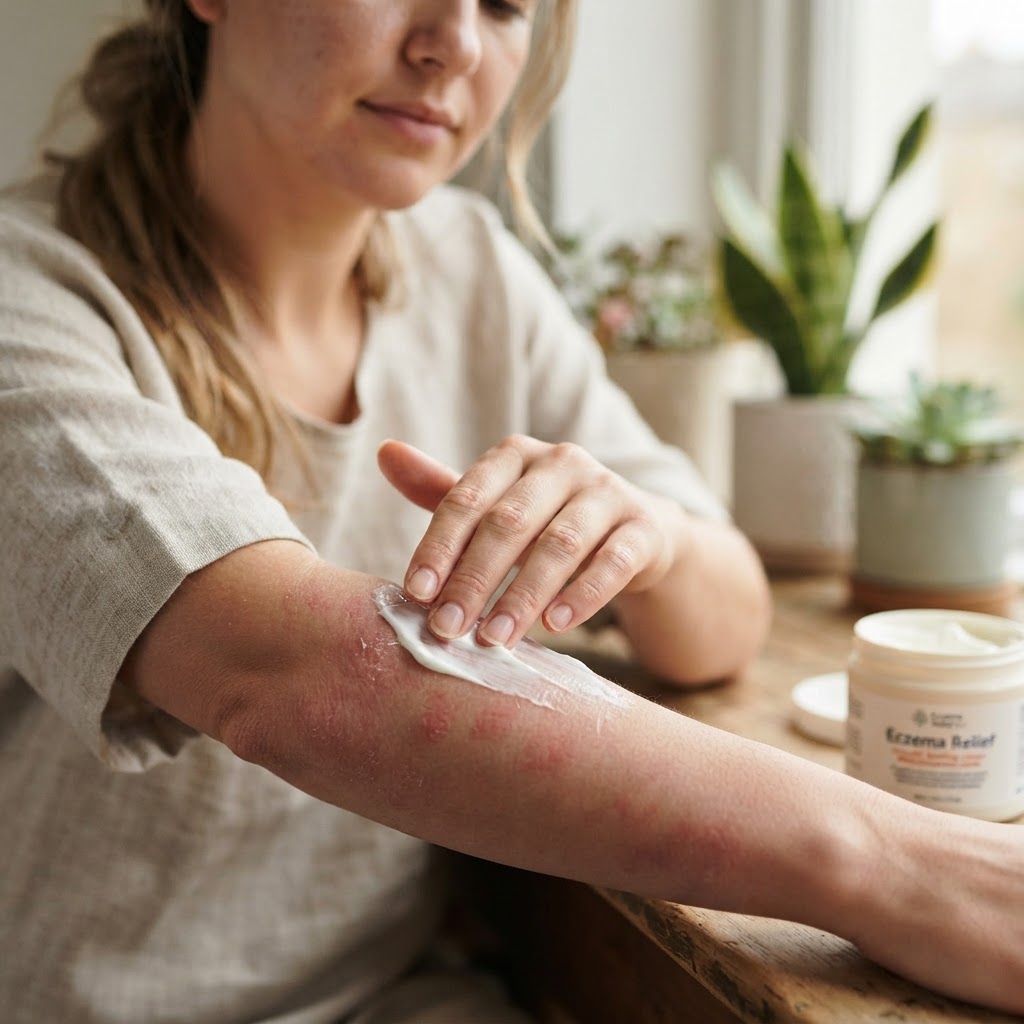
- Chronic eczema is a long-term condition characterized by an impaired skin barrier, leading to persistent dryness and sensitivity.
- Effective eczema management requires a dual approach of identifying personal triggers and maintaining consistent hydration.
- Environmental factors, including dry air and certain allergens, are significant contributors to frequent flare-ups.
- Natural eczema relief often involves botanical anti-inflammatories that soothe the skin without harsh chemicals.
- Understanding the root causes of chronic skin inflammation is the first step toward lasting symptom control.
Living with chronic eczema is more than just dealing with an occasional rash; it is a relentless, daily negotiation with your own skin. For the millions of individuals navigating this condition, the cycle of intense itching, inflammation, and physical discomfort can significantly diminish quality of life. While modern dermatology offers many pharmaceutical interventions, a holistic perspective that addresses the fundamental root of skin sensitivity remains essential. By understanding why the skin reacts the way it does and identifying your unique triggers, you can move away from reactive “firefighting” and toward a proactive, sustainable lifestyle that promotes calm, healthy skin.
1. Understanding Chronic Eczema and Its Impact
Chronic eczema, often referred to as atopic dermatitis, is a complex, multifaceted condition that manifests as persistent inflammation and extreme sensitivity. Unlike an acute allergic reaction that resolves once the allergen is removed, chronic eczema tends to wax and wane, creating a pattern of flares and relative dormancy. This condition is not merely “dry skin”; it is a systemic issue where the immune system remains in a state of hyper-alertness, overreacting to stimuli that would be considered benign by healthy skin.
The impact of this chronic skin inflammation goes beyond the physical. Many people with long-term eczema report higher levels of psychological stress, disrupted sleep cycles, and a general feeling of fatigue. When the skin barrier is compromised, the body is constantly fighting a losing battle against transepidermal water loss and the invasion of bacteria or irritants. This requires the skin to dedicate significant biological resources toward repair and inflammation regulation, which can feel draining.
Furthermore, eczema management is rarely a “one-size-fits-all” endeavor. One person may find that their flare-ups are tied strictly to seasonal pollen counts, while another may find that specific dietary components or even fabrics exacerbate their symptoms. This necessitates a proactive, detective-like approach to one’s lifestyle. It is important to view eczema not as a failure of the body, but as a heightened signal from the skin that its integrity has been breached. By accepting the chronic nature of the condition, individuals can stop searching for a miraculous “cure” and start building a reliable framework for daily sensitive skin care that focuses on strengthening the natural defenses of the skin, calming the underlying immune response, and creating a protective environment that allows for long-term comfort and healing.
2. Primary Causes and Risk Factors for Skin Inflammation
The development of chronic eczema is typically the result of a “perfect storm” involving genetics, immune system function, and the external environment. Experts generally agree that individuals prone to eczema often possess an inherited predisposition that makes their skin barrier naturally less effective. This often involves a deficiency in filaggrin, a critical protein that helps maintain the structure and hydration of the skin’s outermost layer. Without sufficient filaggrin, the skin becomes porous, letting moisture escape easily while simultaneously allowing irritants and allergens to penetrate deep into the tissue.
Beyond genetics, the immune system plays a central role. In someone with chronic eczema, the body’s T-cells—which are meant to protect against invaders—become overactive. When these cells detect a minor irritant, they trigger a cascade of inflammation. This is why standard soaps, wool clothing, or even cold air can cause such a profound reaction; the immune system sees these items as threats and launches an unnecessary defensive strike.
Risk factors for ongoing skin inflammation also include the microbiome balance of the skin. Healthy skin hosts a diverse array of bacteria that protect against harmful pathogens. In eczema patients, this balance is frequently disrupted, with an overgrowth of bacteria like *Staphylococcus aureus* often occurring. This bacterial colonization can exacerbate inflammation, creating a feedback loop where the skin becomes even more inflamed, which in turn leads to more scratching, more skin damage, and even higher rates of bacterial growth.
It is also worth noting that lifestyle and stress are major contributors to the severity of chronic skin inflammation. Stress hormones, such as cortisol, are known to suppress the immune system in the short term but can promote systemic inflammation when levels remain elevated over long periods. Because the skin and the nervous system are intimately connected—sharing developmental origins in the womb—emotional strain frequently manifests as visible, itchy flare-ups. Addressing eczema requires looking at the person as a whole, considering how genetic makeup, the skin’s bacterial landscape, and the individual’s daily stress levels all converge to influence the health of the skin barrier.
3. Common Environmental and Dietary Triggers to Avoid
Identifying triggers is the cornerstone of effective eczema management. Because the skin is constantly exposed to the world, the list of potential culprits is extensive. However, there are common patterns that experts generally recommend monitoring when attempting to reduce the frequency of flares.
Environmental triggers are perhaps the most pervasive. Low humidity levels, common in winter months or in air-conditioned environments, can strip the skin of its essential oils. Air pollution, dust mites, and pet dander are also classic irritants. For many, the culprit is often found in the laundry room; harsh detergents or fabric softeners with strong fragrances leave a chemical residue on clothing that can agitate sensitive skin throughout the entire day.
Dietary triggers are more controversial but widely reported by those living with the condition. While there is no universal “eczema diet,” certain foods are known to increase inflammation in some individuals. Common suspects include dairy products, gluten, soy, eggs, and nuts. Rather than eliminating these entirely, many health professionals suggest keeping a food and symptom diary for a few weeks. By recording what you eat and noting any subsequent flare-ups, you may identify personal triggers that you never would have suspected otherwise.
| Trigger Category | Examples | Best for Avoiding |
|---|---|---|
| Environmental | Dust mites, pet dander, pollen | High-efficiency air purifiers |
| Chemical/Contact | Fragrance, dyes, SLS/SLES | Fragrance-free, hypoallergenic products |
| Dietary | Dairy, processed sugar, gluten | An elimination or rotation diet |
| Lifestyle | Prolonged stress, overheating | Mindfulness and cooling practices |
When managing these triggers, the goal is to reduce the “total load” on your immune system. If your skin is currently battling an environmental allergen, it is significantly more likely to react poorly to a dietary trigger. Therefore, simplifying your environment—using non-scented personal care products, washing new clothes before wearing them, and maintaining a stable indoor climate—can dramatically lower the baseline of inflammation. Consistency is the secret to success; even small, daily efforts to minimize exposure can allow the skin the necessary window of time to heal and rebuild its barrier, ultimately leading to longer periods of clear, comfortable skin.
4. The Role of the Skin Barrier in Eczema Flares
To truly master eczema management, one must visualize the skin as a brick-and-mortar wall. The “bricks” are your skin cells (corneocytes), and the “mortar” is the lipid matrix—a mixture of ceramides, cholesterol, and fatty acids that holds those cells together. In healthy skin, this wall is impenetrable, keeping hydration locked in and blocking external pathogens from entering. In chronic eczema, this mortar is often weak or insufficient. When the lipids are compromised, the bricks have gaps, creating a leaky barrier that loses water and allows irritants to enter the deeper layers of the epidermis.
This “leaky skin” phenomenon is the primary driver of the itch-scratch cycle. When the barrier is weak, nerve endings located in the skin are exposed and easily stimulated. Any slight touch, change in temperature, or contact with a fabric triggers a signal to the brain that says “itch.” When you scratch, you physically damage the cells even further, tearing the “mortar” and making it easier for bacteria to enter, which causes further inflammation. This creates the persistent, chronic nature of the condition.
Strengthening this barrier requires a multi-layered approach. Simply applying heavy creams isn’t always enough if the skin lacks the specific lipids it needs to function. Modern sensitive skin care often emphasizes the use of ceramide-containing moisturizers. Ceramides are the actual “mortar” that the skin is missing. By topically replenishing these lipids, you can help patch the holes in the wall. Additionally, occlusive agents, such as white petrolatum or plant-based waxes, play a vital role. While they don’t add moisture themselves, they act as a “sealant” to prevent the moisture you already have from evaporating.
Another critical factor in barrier health is pH balance. Healthy skin is naturally slightly acidic, a condition known as the “acid mantle,” which keeps harmful bacteria at bay. Many common soaps are highly alkaline, which can disrupt this acidic balance and cause the barrier to collapse further. Transitioning to pH-balanced cleansers is a foundational step. By protecting the acid mantle, you are providing your skin with the defense system it needs to combat the bacteria that frequently cause infections during a flare-up. Recognizing that the skin is a living, breathing organ that requires specific nutrients and environment to maintain its structural integrity is essential for breaking the chronic cycle of irritation.
5. Natural Anti-Inflammatory Remedies for Itch Relief
When a flare-up is in full swing, the immediate goal is to soothe the inflammation and stop the itch-scratch cycle before it causes permanent damage to the skin. While there are various medical treatments, many people find significant, gentle relief through natural anti-inflammatory remedies. The key to natural eczema relief is using ingredients that have been shown to calm the immune response in the skin while simultaneously hydrating and protecting the damaged surface.
Colloidal oatmeal is perhaps the most well-documented natural remedy for eczema. When finely ground and dispersed in water, oatmeal creates a protective film on the skin that acts as a buffer against irritants. It contains compounds called avenanthramides, which are known to reduce redness and inhibit the production of inflammatory cytokines in the skin. A lukewarm bath with colloidal oatmeal can provide immediate relief for widespread itching and is gentle enough for even the most sensitive infants or children.
Another powerhouse in natural skin care is aloe vera. Pure, high-quality aloe gel is intensely hydrating and contains polysaccharides that promote tissue repair. Its natural cooling sensation can provide a psychological and physical distraction from the urge to scratch. For those who find aloe too drying on its own, it can be combined with a rich, natural oil—like cold-pressed jojoba or borage oil—to create a soothing, lipid-rich barrier cream.
Furthermore, botanical extracts such as chamomile and licorice root are frequently utilized for their ability to soothe reactive skin. Chamomile contains bisabolol, a compound that helps reduce skin irritation, while licorice root extract contains glycyrrhizin, which can mimic the anti-inflammatory effects of more intensive treatments without the side effects often associated with long-term pharmaceutical use.
Beyond topical applications, the role of nutrition cannot be overlooked. Incorporating anti-inflammatory foods into your diet—such as those rich in omega-3 fatty acids like flaxseeds, chia seeds, and walnuts—can help support the skin from the inside out. Omega-3s are essential for the production of healthy skin lipids and have been shown to reduce systemic inflammation. While these natural remedies are not a quick fix for a severe infection, they are excellent tools for daily management and for mitigating the intensity of minor flares. By integrating these practices into your routine, you can create a gentle, supportive environment for your skin to recover and maintain its health.
Effective Skincare Habits for Sensitive Skin
Managing chronic skin inflammation requires a shift from viewing skincare as a cosmetic routine to treating it as a functional, protective medical necessity. For those living with chronic eczema, the skin barrier—the outermost layer known as the stratum corneum—is often compromised, allowing moisture to escape and environmental irritants to penetrate easily. Developing a ritual that prioritizes barrier repair is the cornerstone of successful eczema management.
The first rule of thumb is to transition to a “less is more” philosophy. Over-cleansing strips the skin of its natural oils, leading to increased dryness and sensitivity. Avoid harsh soaps containing sodium lauryl sulfate (SLS), which is a common foaming agent known to exacerbate eczema. Instead, opt for soap-free, pH-balanced cleansers that mimic the natural acidity of healthy skin. When showering, keep water lukewarm; hot water accelerates moisture loss and induces vasodilation, which can intensify the itching sensation.
Following a shower, the “three-minute rule” is vital. Apply a fragrance-free, hypoallergenic emollient or thick ointment while the skin is still slightly damp. This technique seals in the hydration before evaporation occurs. Look for ingredients that serve as humectants—such as glycerin or hyaluronic acid—which draw moisture into the skin, paired with occlusives like petrolatum or ceramides, which physically block water loss.
Furthermore, managing sensitive skin involves being hyper-vigilant about your environment. This includes the laundry detergents you use. Liquid detergents are generally preferred over powders, as they dissolve more completely and are less likely to leave residue in fabric fibers. Consider adding an extra rinse cycle to your washing machine to ensure that all traces of surfactants are removed before clothing touches your skin.
Table 1: Selecting the Right Moisturizer Base for Eczema
| Base Type | Key Characteristics | Best For |
|---|---|---|
| Ointments | Oil-based, high viscosity, very thick | Severely dry, cracked, or nighttime treatment |
| Creams | Semi-solid, mix of oil and water | Daily maintenance and moderate flare-ups |
| Lotions | High water content, light absorption | Minor dryness or summer months when sweat is a trigger |
The Gut-Skin Axis: How Digestion Affects Eczema
The gut-skin axis is a burgeoning area of interest that suggests an intricate, bidirectional communication pathway between the gastrointestinal tract and the skin. Experts generally agree that a disrupted gut microbiome—often characterized by a lack of microbial diversity or an overgrowth of pro-inflammatory bacteria—can manifest as cutaneous symptoms. Because a significant portion of the body’s immune system resides within the gut, inflammation originating in the digestive tract can readily trigger systemic immune responses that aggravate chronic skin conditions.
When the intestinal lining becomes permeable, often referred to in casual parlance as “leaky gut,” undigested food particles, toxins, and microbes can enter the bloodstream. This triggers a persistent immune response. Because the body is already sensitized to inflammatory markers, this systemic alarm can lead to widespread skin redness, itching, and swelling. For individuals with eczema, calming the gut is often the first step in calming the skin.
Maintaining a healthy gut involves fostering a diverse population of beneficial bacteria. This is achieved through the consumption of both prebiotics and probiotics. Prebiotics are types of dietary fiber that feed friendly bacteria, while probiotics are live beneficial organisms. By supporting a balanced microbiome, you help regulate the immune system, potentially reducing the hyper-reactivity that characterizes an eczema flare-up. Incorporating fermented foods such as sauerkraut, kimchi, or kefir into your diet can be a helpful, natural approach to supporting this internal balance.
Nutritional Strategies to Reduce Systemic Inflammation
Nutrition plays a pivotal role in the management of chronic eczema. While there is no single “eczema diet,” focusing on anti-inflammatory nutritional strategies can help modulate the severity of symptoms. The goal is to minimize intake of pro-inflammatory foods and increase the intake of nutrient-dense, skin-supporting alternatives.
Start by identifying potential dietary triggers. While individual experiences vary, common culprits that may lead to inflammation include processed sugars, refined carbohydrates, and trans fats. Highly processed foods often contain preservatives and additives that may irritate the immune system. Replacing these with whole, unprocessed foods like berries, leafy greens, and lean proteins can significantly reduce the internal “noise” that the immune system perceives as a threat.
Omega-3 fatty acids are an essential component of an anti-inflammatory diet. These healthy fats are well-known for their ability to support skin barrier integrity and dampen inflammatory responses. Sources include fatty fish such as salmon, mackerel, and sardines, as well as plant-based options like chia seeds, flaxseeds, and walnuts. For many, integrating these foods daily creates a more resilient skin profile over time.
Hydration also cannot be overlooked. Chronic dehydration can manifest as parched, fragile skin. While topical moisturizers are necessary, maintaining adequate water intake ensures that the skin remains supple from the inside out. Consider limiting intake of inflammatory beverages, such as excessive alcohol or sugary sodas, and opting for herbal teas like chamomile or rooibos, which are rich in antioxidants that may provide mild soothing effects.
Lifestyle Adjustments to Prevent Future Flare-Ups
Eczema management is rarely just about topical application; it is a holistic lifestyle undertaking. Preventing flare-ups requires identifying personal triggers, which can range from environmental allergens to stress-induced physiological changes. Because stress is a known trigger for many inflammatory conditions, implementing consistent stress management techniques is essential.
Physical activity is beneficial, but for those with chronic eczema, it requires a strategic approach. Sweat contains salts and minerals that can sting and irritate inflamed skin. To mitigate this, wear breathable, moisture-wicking fabrics like bamboo or organic cotton during exercise. Immediately after your workout, shower with cool or lukewarm water to remove sweat and follow up with your preferred hypoallergenic moisturizer. If outdoor exercise is a trigger, consider indoor activities in climate-controlled environments where allergens like pollen are minimized.
Home environmental control is also critical. Dust mites, pet dander, and mold are frequent culprits that can trigger a flare. Investing in allergen-proof mattress and pillow covers can reduce nighttime exposure to dust mites. Keeping the indoor humidity level stable—typically between 40% and 50%—can prevent the air from becoming too dry (which irritates the skin) or too humid (which promotes mold growth). A digital hygrometer is an inexpensive tool for monitoring these levels in your living space.
Finally, mindfulness and rest are often underestimated factors in skin health. Quality sleep is when the body focuses on repair and cellular regeneration. A lack of sleep can disrupt immune function and increase systemic stress levels, which in turn can lead to increased skin sensitivity. Prioritize a consistent sleep schedule and create a relaxing bedtime environment to support your body’s innate healing processes.
When to Seek Professional Medical Advice
While natural relief tips are effective for many, it is crucial to recognize when self-management is no longer sufficient. If your eczema symptoms do not improve with consistent, diligent skincare, or if they begin to interfere with your quality of life, it is time to consult a healthcare provider or dermatologist.
Specific warning signs that warrant a professional visit include:
- Signs of infection, such as yellow crusting, pus, or streaks of redness radiating from the eczema patch.
- Severe itching that disrupts your sleep or prevents you from performing daily tasks.
- Skin that is persistently cracked or bleeding.
- Symptoms that cover a large surface area of your body.
- Failure to respond to over-the-counter moisturizers and lifestyle changes after a period of several weeks.
A professional can provide an accurate diagnosis, potentially rule out other skin conditions that mimic eczema, and offer access to medical-grade treatments like topical corticosteroids, immunomodulators, or light therapy that may be necessary to bring a severe flare-up under control.
Frequently Asked Questions
Can stress really cause an eczema flare-up?
Yes, stress is a significant trigger for many people. When you are stressed, your body releases hormones like cortisol. While cortisol is anti-inflammatory in short bursts, chronic stress can dysregulate the immune system, leading to skin inflammation and increased sensitivity, which can trigger or worsen an existing eczema flare.
Are there certain fabrics I should avoid?
People with eczema often find that rough or non-breathable fabrics irritate their skin. Synthetic fabrics like polyester or nylon can trap heat and sweat against the skin, leading to irritation. Additionally, wool can be physically irritating to sensitive skin due to the coarseness of its fibers. It is generally recommended to stick to soft, natural, and breathable fabrics like organic cotton or bamboo.
Is it possible to “outgrow” chronic eczema?
Many children do outgrow eczema as their immune systems mature, but for adults with chronic eczema, it is often a lifelong condition. While you may go through periods of remission where the skin is clear, the underlying sensitivity typically remains, requiring ongoing maintenance and trigger management to prevent future flare-ups.
Does humidity affect eczema?
Extreme humidity levels—both too high and too low—can affect eczema. Very dry air (common in winter or in desert climates) can strip moisture from the skin, leading to flares. Conversely, very high humidity can lead to excess sweating, which can irritate the skin. Maintaining a moderate indoor environment is usually the best approach for long-term skin stability.
Can diet truly cure eczema?
Currently, there is no medical evidence to suggest that a specific diet can “cure” eczema in the sense of permanently eliminating it. However, identifying and avoiding personal food triggers and adopting an anti-inflammatory diet can significantly reduce the frequency and intensity of flare-ups, serving as a powerful tool in your overall management plan.
Should I take hot baths or showers?
It is generally advised to avoid hot baths and showers if you have eczema. Hot water strips the skin of its essential lipids and natural oils, which are necessary for maintaining a strong barrier. Lukewarm water is much gentler on the skin, and keeping shower times short helps minimize the evaporation of moisture from the skin’s surface.
Conclusion
Managing chronic eczema is a journey that requires patience, consistency, and a proactive approach to your daily environment. By understanding your specific triggers, prioritizing barrier-repairing skincare, and supporting your internal health through nutrition and stress management, you can significantly improve your quality of life. While the path to clear skin may not always be linear, small, sustainable changes often yield the most significant results over time. If you feel overwhelmed by your symptoms, reach out to a professional who can provide a personalized plan tailored to your needs. Take control of your skin health today—start by auditing your current skincare products for irritants and prioritizing a gentle, consistent routine.
By healthauthoritylife Editorial Team
This article is for informational purposes only and is not a substitute for professional medical advice. Always consult your doctor before making changes to your diet, exercise routine, or treatment plan.
Leave a Reply