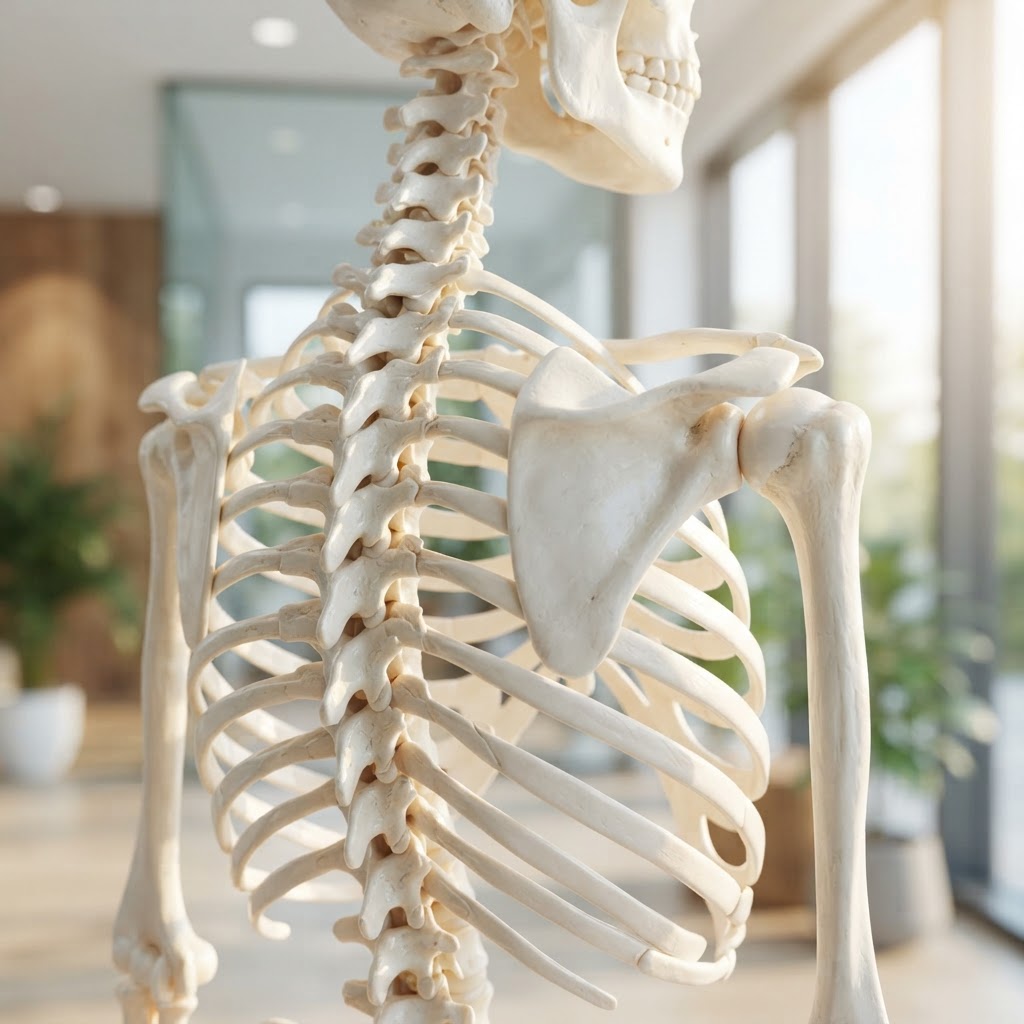
- Osteopenia is a state of lower-than-normal bone mineral density that serves as a critical warning sign before the onset of osteoporosis.
- Bone density loss causes are multifactorial, ranging from hormonal changes and nutritional deficiencies to sedentary lifestyle habits.
- Early intervention is essential; understanding how to prevent bone loss through diet and exercise can significantly mitigate fracture risks.
- DEXA scan results are the gold standard for diagnosis, with T-scores providing the specific data needed to categorize bone health.
- Natural bone health tips focus on a synergy of calcium, vitamin D, magnesium, and load-bearing physical activity to maintain structural integrity.
For many adults, the discovery of declining bone health arrives not with a sudden event, but through a routine screening that reveals a silent trend. You might feel perfectly healthy, active, and strong, yet your skeletal framework could be quietly losing its density over time. This condition, known as osteopenia, is far more common than many realize, particularly as we navigate life after 50. While the news of reduced bone density can feel daunting, it is not a diagnosis of inevitability. It is, instead, a vital window of opportunity. By recognizing the early markers and understanding the underlying mechanics of bone metabolism, you can implement proactive strategies to preserve your skeletal foundation for decades to come.
What Is Osteopenia and How Does It Differ From Osteoporosis
To understand the landscape of bone health, it is helpful to view the skeleton as a living, dynamic tissue rather than a static frame. Throughout our lives, our bodies engage in a continuous process called bone remodeling, where old bone tissue is broken down and replaced by new tissue. In the younger years, the rate of bone formation typically outpaces the rate of breakdown. However, as we age, this balance shifts, leading to a net loss of bone mineral density.
Osteopenia is the clinical term used to describe this “middle ground” of bone density. It refers to bone mineral density that is lower than the healthy average but not low enough to meet the formal criteria for osteoporosis. Think of osteopenia as the “caution” light on your dashboard; it tells you that your bones have become thinner and perhaps more fragile, but you haven’t yet reached the threshold where the skeletal structure is severely compromised.
The distinction between osteopenia and osteoporosis is primarily a matter of degree, measured through bone mineral density testing. Osteoporosis is a more advanced state where bone density has decreased significantly, and the internal architecture of the bone has become so thin and porous that the risk of fractures becomes high, even from minor bumps or falls. While osteopenia is often viewed as a precursor, not everyone who has osteopenia will inevitably progress to osteoporosis. With dedicated attention to nutrition, lifestyle, and exercise, the progression can often be slowed, halted, or even occasionally reversed.
Many experts emphasize that the primary danger of osteopenia is its invisibility. Because bones do not possess nerve endings in the same way skin or muscle does, the gradual loss of density is asymptomatic. Unlike a sore muscle or an inflamed joint, thin bones do not ache. This makes the condition particularly insidious, as people often remain unaware of their risk level until they undergo diagnostic imaging. Understanding this difference is the first step in taking control. By identifying osteopenia early, you move from a reactive position to a proactive one, implementing lifestyle modifications that protect your mobility and independence for the future. The focus here is on structural preservation—treating your bones with the same long-term investment strategy you might apply to your financial health or cardiovascular well-being.
Common Early Symptoms and Warning Signs of Bone Density Loss
One of the most persistent challenges regarding bone density loss is the lack of physical pain. Because bone density loss causes damage at a microscopic, internal level, the skeletal structure can continue to function normally during daily activities for a significant amount of time. However, there are subtle clues that the body may provide, which, if noticed early, can serve as a prompt to seek a professional screening.
One of the most frequent indicators is a loss of height. If you notice that you are “shrinking” over the years, it may not be merely a byproduct of aging. Small, silent vertebral compression fractures can occur when the bones in the spine become thin. These fractures are often so minor that they do not cause intense, localized pain, but they collectively contribute to a loss of stature and a subtle change in posture. If you find your shirts or trousers fitting differently, or if you notice you are no longer reaching the same height markers you once did, it is worth discussing this with your healthcare provider.
Another subtle warning sign is changes in posture, specifically a slight rounding of the upper back, sometimes referred to as a “dowager’s hump.” This happens when the weakened vertebrae can no longer support the weight of the upper body efficiently, leading to a forward curvature. While this is often associated with advanced osteoporosis, the early stages of structural weakening can sometimes manifest as chronic muscle tension or back fatigue, as the surrounding muscles work harder to compensate for a spine that is losing its structural integrity.
It is also important to pay attention to your own history of fractures. Have you experienced a break after a relatively minor incident, such as a trip or a slip that you felt should not have caused a fracture? Fragility fractures—breaks that occur with forces that shouldn’t typically break a healthy bone—are perhaps the most significant indicator that your bone quality has declined. Furthermore, persistent or unexplained dull aches in the back or hips that don’t seem to correlate with a specific injury should be treated with curiosity rather than ignored.
While these signs are important, they are not definitive. You should never wait for a symptom to appear before investigating your bone health, especially if you have reached your 50s. The goal of recognizing these warning signs is to catch the condition while it is still in the “pre-osteoporosis” phase. If you observe any of these changes, the most responsible action is to schedule a professional consultation. By the time visual changes like height loss are obvious, the bone density loss is likely already significant, making early screening the only reliable way to catch this condition before it manifests physically.
The Primary Causes and Risk Factors for Developing Osteopenia
The development of osteopenia is rarely the result of a single factor; rather, it is usually the outcome of a complex interplay between genetics, hormonal status, and lifestyle choices. Understanding these bone density loss causes is essential for building a personalized prevention plan that addresses your unique risk profile.
Age is, unsurprisingly, the most significant non-modifiable risk factor. As the human body matures, the efficiency of bone remodeling declines. For women, the decline in estrogen production during and after menopause is a massive factor. Estrogen plays a protective role in maintaining bone mass; when levels drop, the rate of bone resorption often accelerates. While men do not experience an equivalent “menopause,” they also face age-related declines in testosterone and growth hormone, both of which are required to maintain healthy bone mass.
Lifestyle factors play an outsized role in the trajectory of our bone health. A sedentary lifestyle is detrimental; bones are living tissue that require mechanical stress to remain dense and strong. When you engage in weight-bearing or resistance exercise, you stimulate the bone to reinforce itself. Conversely, if you spend most of your day sitting, your body essentially “decides” that it doesn’t need to maintain as much skeletal density, leading to accelerated loss. Nutrition is equally critical. A diet chronically low in calcium or vitamin D essentially starves the bones of the building blocks they need. High intake of processed foods, excessive sodium, and alcohol consumption can further disrupt the delicate mineral balance required for strong bone tissue.
Medical conditions and medications can also influence your risk. Certain hormonal imbalances, such as an overactive thyroid, can accelerate bone turnover. Medications, particularly long-term use of glucocorticoids (steroids) or certain anti-seizure drugs, are known to interfere with bone density maintenance. Even gastrointestinal issues that impair nutrient absorption, such as celiac disease or inflammatory bowel disease, can create a scenario where you are consuming enough nutrients but failing to absorb the calcium and minerals needed for your skeleton.
Finally, we cannot ignore the influence of genetics. If your parents or siblings experienced significant bone loss or fragility fractures, you may have a genetic predisposition to lower bone density. While you cannot change your DNA, acknowledging this history allows you to be more aggressive with your lifestyle and dietary habits. By mapping your specific risk factors, you can move away from general advice and toward a targeted strategy. Whether your risk is driven by hormonal changes or a lifetime of low-impact habits, identifying the specific “leaks” in your bone health bucket is the key to plugging them before the density loss becomes a greater clinical concern.
| Factor | Description | Best For |
|---|---|---|
| Weight-Bearing Exercise | Activities where bones support weight (e.g., walking, hiking, dancing). | Building general bone density and balance. |
| Resistance Training | Using weights, bands, or machines to challenge muscles and bones. | Stimulating maximum osteoblastic (bone-building) activity. |
| High-Impact Exercise | Activities involving jumping or running (e.g., tennis, jumping rope). | Healthy individuals looking to boost bone density quickly. |
| Non-Weight Bearing | Activities like swimming or cycling. | Cardiovascular health and recovery without joint impact. |
Understanding Your DEXA Scan: Interpreting T-Scores and Z-Scores
When you are referred for a bone density test, you will likely undergo a Dual-Energy X-ray Absorptiometry (DEXA) scan. This is the gold standard for diagnosing osteopenia and osteoporosis because it is non-invasive, quick, and highly accurate at measuring bone mineral density, typically in the hip and spine. The report you receive will contain numbers that can be confusing at first glance, but they are the primary language doctors use to assess your fracture risk.
The most important figure on your report is the T-score. This number represents the number of standard deviations your bone density differs from that of a healthy 30-year-old adult of the same sex at peak bone mass. Because 30 is generally considered the age when bone density is at its absolute maximum, comparing yourself to this standard provides a clear picture of how much bone you have lost or failed to build compared to an optimal state. A T-score of -1.0 or higher is considered normal. A T-score between -1.0 and -2.5 indicates osteopenia. A T-score of -2.5 or lower is the diagnostic threshold for osteoporosis.
It is crucial to understand that the T-score is not a measure of how “old” your bones are, but rather a statistical ranking of your density relative to an ideal standard. It is the primary tool used for diagnosis. However, you will often see another number on the report: the Z-score. The Z-score compares your bone density to the average person of your own age, sex, and body size. This is useful for your physician to determine if there is an underlying, secondary cause for your bone loss beyond normal aging. If a 60-year-old has a significantly low Z-score, it suggests that something other than just “getting older” is driving the bone loss, such as a medication side effect or an endocrine issue.
When reading your results, try to avoid the urge to panic if your T-score falls into the osteopenia range. Remember that these scores are tools for prediction, not a definitive guarantee of a future fracture. They are snapshots in time. Many people stay in the osteopenia range for decades without ever progressing to osteoporosis, provided they are diligent with their habits. Your doctor will likely look at your T-score in the context of your overall medical history, including your fracture history and lifestyle factors, using a tool called FRAX (Fracture Risk Assessment Tool) to calculate the likelihood of a major fracture over the next 10 years.
If you find that your DEXA scan results are lower than expected, view the data as actionable intelligence. It isn’t just a label; it’s a baseline measurement. By knowing your current T-score, you can work with your care team to track how effective your dietary changes and exercise program are over time. Retesting is usually recommended every one to two years to see if the density is stabilizing, increasing, or continuing to decline. Knowledge is your best defense, and the DEXA scan provides the clarity needed to customize your approach to bone health after 50.
Essential Nutrients for Building Bone Density Naturally
Achieving bone health is not just about what you remove from your diet, but more importantly, what you add. The skeletal system is a mineral-rich structure that requires a precise “chemical cocktail” to maintain its density. While calcium is the most famous nutrient in this conversation, it is merely one piece of a much larger, more nuanced puzzle. Relying solely on calcium supplements without considering the co-factors that help your body utilize that calcium is a common mistake that can lead to ineffective results.
Calcium is the primary structural mineral in bones, but it requires Vitamin D to be effectively absorbed from the digestive tract into the bloodstream. Without sufficient Vitamin D, your body cannot pull calcium from your diet, rendering your calcium intake largely useless. Many people find it difficult to get adequate Vitamin D through food alone, making sun exposure or high-quality supplementation essential, especially in regions with limited daylight during winter months. Vitamin D acts as a gatekeeper for calcium, and maintaining optimal serum levels is perhaps the most significant natural bone health tip available.
Once calcium is in the blood, it needs help getting into the bone matrix. This is where Vitamin K2 and Magnesium come into play. Vitamin K2 works like a traffic cop, directing calcium toward the bones and teeth and away from the arteries and soft tissues, where you do not want it to deposit. Magnesium is equally vital; it is a structural component of bone and serves as a co-factor for the enzymes involved in bone remodeling. In fact, many individuals find that when they increase their magnesium intake, their overall systemic health improves alongside their bone mineral density.
Beyond these heavy hitters, trace minerals like boron, silica, and zinc play supporting roles. Boron, in particular, has been shown in some observational research to influence the metabolism of calcium, magnesium, and phosphorus, all of which are essential for maintaining bone strength. The most sustainable way to obtain these nutrients is through a whole-food, osteopenia-friendly diet. Leafy greens, dairy products, fortified plant-based milks, small fatty fish with bones (like sardines or canned salmon), and nuts and seeds provide a synergistic blend of these minerals that supplements simply cannot replicate.
When crafting an osteopenia diet, prioritize variety. Aiming for a colorful array of vegetables ensures you are getting a wide spectrum of the trace minerals your bones crave. Additionally, focus on protein. While there is a common myth that high protein causes bone loss, modern research suggests that adequate protein intake is actually essential for bone health, as it provides the structural framework upon which calcium and other minerals can be deposited. When you combine these dietary strategies with regular, purposeful movement, you create a biochemical environment where your bones are encouraged to grow stronger rather than slowly fade away.
The Role of Strength Training in Preserving Bone Mass
When discussing bone health after 50, the importance of resistance training cannot be overstated. While cardiovascular exercise is excellent for heart health, weight-bearing and resistance activities provide the specific mechanical load necessary to signal your body to maintain or increase bone mineral density. Bones are dynamic, living tissues that respond to the stress placed upon them; this phenomenon is known as Wolff’s Law, which suggests that bone grows and remodels in response to the forces that are placed upon it.
Strength training—specifically exercises that involve lifting weights, using resistance bands, or engaging in bodyweight movements—creates tension on the muscles. As these muscles pull against the bones during a lift, they stimulate osteoblasts, which are the cells responsible for bone formation. For individuals navigating the early stages of bone density loss, integrating resistance training at least two to three times per week is a foundational step in natural bone health tips.
Effective movements include compound exercises such as squats, lunges, deadlifts, and overhead presses. These exercises recruit multiple muscle groups and subject the hips and spine—the areas most commonly affected by osteopenia—to controlled, beneficial stress. It is crucial, however, to prioritize proper form. If you are new to strength training, working with a certified trainer who understands the modifications required for compromised bone health is a wise investment. The goal is to progressively increase the load over time, ensuring your skeletal system continues to adapt rather than plateauing.
Lifestyle Habits That Damage Your Bones Over Time
Many people are unaware that daily habits can quietly accelerate bone mineral loss. Beyond genetics and age, the environment you cultivate for your body plays a significant role in how well your skeletal system retains its structural integrity. One of the primary culprits is chronic inflammation, often fueled by an imbalanced diet high in processed sugars and refined carbohydrates, which may impair the body’s ability to absorb essential minerals.
Sedentary behavior is another major risk factor. In our modern environment, we spend much of our time sitting, which removes the mechanical stimulus needed to keep bones strong. Furthermore, certain substances are known to inhibit calcium absorption. High levels of caffeine and excessive alcohol consumption have been linked to lower bone density because they can interfere with the body’s internal mineral balance. Smoking, specifically, is highly detrimental to bone health, as it is believed to interfere with blood circulation and the hormones that regulate bone metabolism.
Finally, chronic stress, which elevates cortisol levels, can have a long-term negative impact on bone turnover. When cortisol remains elevated, it can lead to a decrease in calcium absorption and bone formation. Managing stress through practices like yoga, meditation, or consistent restorative sleep is not just a mental health benefit; it is an essential component of protecting your physical framework for the long term.
Best Dietary Strategies to Support Skeletal Health
An effective osteopenia diet focuses on nutrient density rather than just caloric intake. Calcium is the most widely recognized mineral for bone health, but it is rarely enough on its own. To maximize the absorption of calcium, your body requires adequate levels of vitamin D3, vitamin K2, and magnesium. Without these cofactors, calcium may not reach the bone matrix where it is most needed.
Incorporating a variety of leafy greens, such as kale, collard greens, and bok choy, provides essential calcium and vitamin K. Fatty fish, such as wild-caught salmon and sardines, offer an excellent source of vitamin D and omega-3 fatty acids, which support the reduction of inflammation. Additionally, nuts, seeds, and legumes provide magnesium, a critical mineral for bone structure.
The following table compares various dietary supplements and food sources often recommended for skeletal support:
| Nutrient Source | Primary Benefit | Best For |
|---|---|---|
| Leafy Green Vegetables | Vitamin K and Calcium | Daily mineral intake |
| Fatty Fish (e.g., Salmon) | Vitamin D and Omega-3s | Reducing inflammation |
| Fortified Dairy/Almond Milk | Calcium and Vitamin D | Consistent calcium levels |
| Magnesium-Rich Nuts/Seeds | Structural Mineralization | Bone density maintenance |
| Egg Yolks | Vitamin D | Natural hormone support |
It is also important to consider the “anti-nutrients” in your diet, such as oxalates and phytates, which can bind to minerals and prevent them from being absorbed. While these compounds are found in healthy foods like spinach and grains, balancing them with a wide variety of other nutrient-dense foods ensures that you are getting the full spectrum of minerals required for bone metabolism.
Hormonal Changes and Their Impact on Bone Mineral Density
Hormones serve as the master regulators of bone health. Throughout our lives, our bones are in a constant state of remodeling—a process where old bone is resorbed and new bone is laid down. When hormone levels fluctuate, this delicate balance is often disrupted. In women, the drop in estrogen during menopause is perhaps the most well-known hormonal catalyst for bone density loss. Estrogen plays a vital role in slowing down the breakdown of bone; when it declines, the rate of resorption often outpaces the rate of formation.
Men are not immune to these shifts either. Testosterone, while primary in men, also aids in maintaining bone density. As men age, a gradual decline in testosterone can lead to a similar thinning of the bones, though the process is typically more gradual than the shift seen during menopause. Thyroid hormones, when produced in excess, can also increase the rate of bone turnover, leading to weaker skeletal structures over time.
Because hormonal changes are a natural part of aging, early proactive management is key. If you are experiencing symptoms associated with hormonal transition, discussing your bone health with a professional can help you understand whether medical or lifestyle interventions are necessary to mitigate the risk of advancing from osteopenia to osteoporosis.
When to Consult a Specialist About Bone Health Testing
Knowing when to seek professional testing is one of the most effective strategies for preventing significant bone loss. If you are over the age of 50, or if you have a family history of osteoporosis, it is often recommended to discuss bone density testing with your primary care physician. A DEXA (Dual-Energy X-ray Absorptiometry) scan is the gold standard for measuring bone density.
You should consider scheduling an appointment if you have experienced a fracture from a minor fall, if you have lost significant height, or if you have been on long-term medication known to affect bone density, such as corticosteroids. Your DEXA scan results provide a T-score, which compares your bone density to that of a healthy young adult. Understanding these results is the first step in creating a tailored plan—whether that involves specific supplements, lifestyle changes, or pharmaceutical support.
Frequently Asked Questions
What is the difference between osteopenia and osteoporosis?
Osteopenia is essentially a “warning zone” where bone mineral density is lower than normal but not yet low enough to be classified as osteoporosis. Osteoporosis is a more advanced condition characterized by significantly porous and fragile bones, which carries a much higher risk of fractures.
Can you reverse osteopenia naturally?
While you may not always be able to fully restore bone density to the levels of a young adult, many people can significantly improve their bone health and stop or slow the progression of mineral loss through a combination of strength training, adequate nutrition, and addressing lifestyle habits.
How often should I get a DEXA scan?
The frequency of testing depends on your individual risk factors and your baseline T-score. Doctors typically recommend a follow-up scan every one to two years if you have been diagnosed with osteopenia to monitor whether your current bone health strategy is working.
Are there specific foods that cause bone loss?
While few foods “cause” bone loss directly, excessive intake of sodium, refined sugars, and high amounts of caffeine or alcohol can interfere with your body’s ability to retain minerals like calcium, thereby contributing to the progression of bone density issues over time.
Is walking enough exercise to prevent bone loss?
Walking is a beneficial weight-bearing activity for cardiovascular health, but for bone density, it is often not enough to provide the “load” needed to build or maintain bone mass. Adding resistance training or higher-impact activities is generally recommended to provide the necessary mechanical stress for stronger bones.
Does vitamin D supplementation actually help with osteopenia?
Yes, vitamin D is essential for the body to absorb calcium. Many people are deficient, and without adequate levels of vitamin D, even a diet high in calcium may be ineffective because the body cannot properly utilize the mineral to strengthen the bone matrix.
Conclusion
Taking control of your skeletal health is one of the most rewarding investments you can make in your future independence and vitality. While osteopenia is a serious diagnosis, it should be viewed as a signal—a window of opportunity to intervene before minor mineral loss turns into a more debilitating condition. By prioritizing resistance training, embracing a nutrient-dense diet, managing hormonal shifts, and maintaining open communication with your healthcare provider, you can build a resilient framework that supports you for years to come.
Start today by reviewing your daily habits. Whether it’s adding a simple set of bodyweight exercises to your morning routine or incorporating more calcium-rich greens into your dinner, every small change contributes to the strength of your bones. Do not wait for a fracture to prioritize your health; take the initiative now to nourish and challenge your body so it can sustain you throughout your journey.
By healthauthoritylife Editorial Team
This article is for informational purposes only and is not a substitute for professional medical advice. Always consult your doctor before making changes to your diet, exercise routine, or treatment plan.
Leave a Reply