
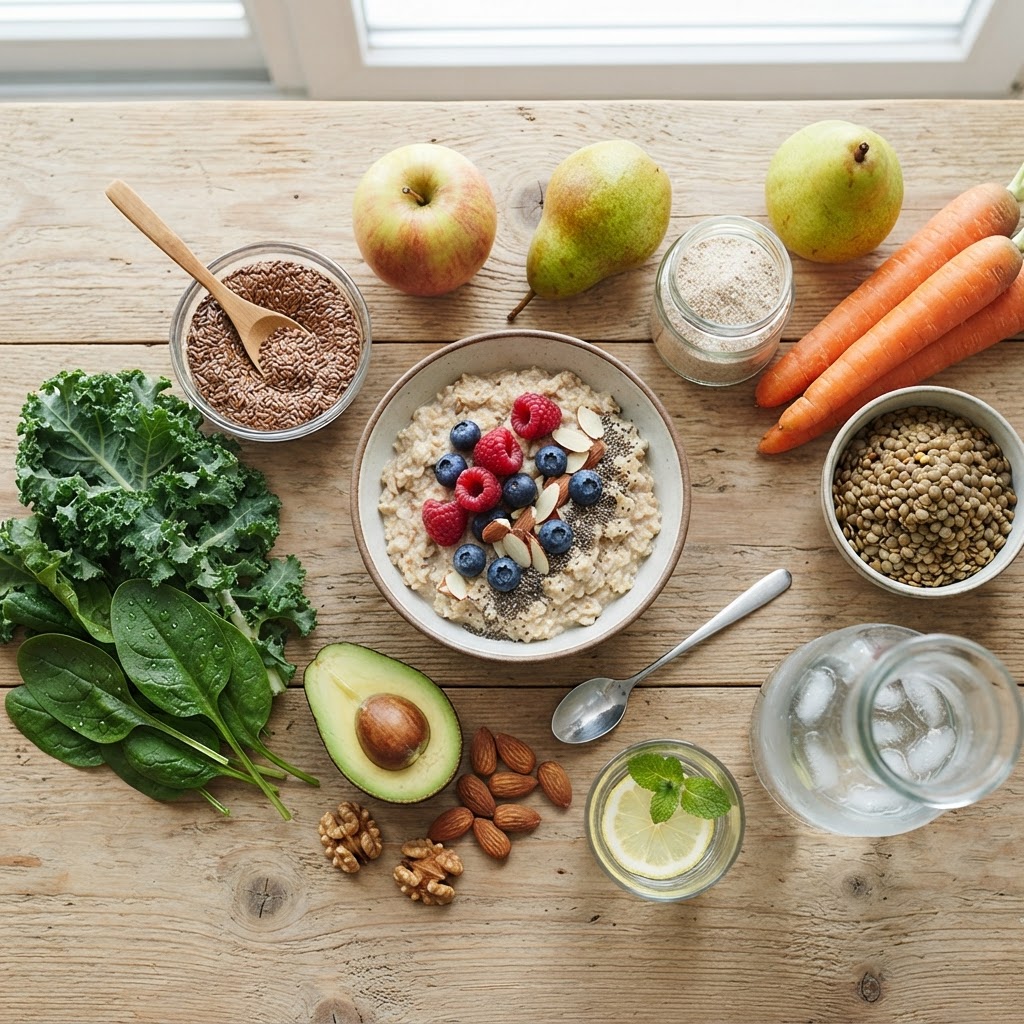
- Chronic constipation is defined by persistent difficulty or infrequency in bowel movements, often lasting several weeks or longer.
- Dietary fiber and adequate fluid intake remain the primary pillars of maintaining optimal digestive health.
- Beyond simple infrequency, constipation often manifests through bloating, abdominal discomfort, and incomplete evacuation.
- Lifestyle factors, including physical activity levels and stress management, significantly influence gastrointestinal motility.
- Identifying the root cause—whether structural, dietary, or medication-related—is essential for finding effective, sustainable relief.
Struggling with sluggish digestion can feel like a heavy, invisible weight that impacts every aspect of your daily life. While many people experience occasional irregularity, those dealing with chronic constipation often find themselves stuck in a cycle of discomfort, frustration, and worry. Understanding your bowel health is not just about frequency; it is about recognizing the body’s signals and responding with evidence-based strategies to restore balance. In this guide, the healthauthoritylife Editorial Team explores the nuanced world of gastrointestinal function, offering actionable insights to help you navigate the journey toward digestive wellness. Whether you are looking to understand your symptoms more clearly or are seeking natural ways to support your gut, this resource provides a comprehensive look at the pathways to relief.
What Is Chronic Constipation and Why It Matters
At its core, chronic constipation is typically characterized by infrequent bowel movements or difficult passage of stools that persists for several weeks or longer. While the “ideal” frequency of bowel movements varies from person to person—ranging from three times a day to three times a week—the medical definition usually focuses on the subjective experience of the individual. If you find yourself straining significantly, experiencing hard or lumpy stools, or feeling as though your bowels are never truly empty, you are likely dealing with what clinicians categorize as chronic constipation. It is not merely an inconvenience; it is a signal that the digestive system, which is essentially the engine of the body, is facing a bottleneck.
The importance of addressing this condition cannot be overstated. Your digestive tract is responsible for absorbing vital nutrients, filtering waste, and housing a vast ecosystem of beneficial bacteria that influence your immune system and mood. When waste remains in the colon for extended periods, it can lead to a host of secondary issues, including hemorrhoids, anal fissures, and persistent abdominal pain. Furthermore, the psychological impact of chronic digestive issues often leads to heightened stress and anxiety, creating a feedback loop where the nervous system—which is deeply connected to the gut—further slows down digestion. By prioritizing bowel movement health, you are essentially investing in your long-term vitality.
Many individuals underestimate the systemic impact of chronic constipation. When stool remains in the colon, the body continues to reabsorb water, which can turn soft stool into hard, dry masses that are increasingly difficult to pass. This process can trigger a cycle of fear or avoidance regarding bowel movements, which often exacerbates the problem. Understanding the “why” behind your digestive state is the first step toward effective management. Rather than viewing constipation as a moral failing or a sign of an unhealthy lifestyle, it should be viewed as a mechanical or physiological hurdle that can often be cleared with the right combination of dietary adjustments, movement, and patience. By viewing digestive health through a proactive lens, you move away from temporary, quick-fix solutions and toward a sustainable lifestyle that honors the natural rhythm of your body.
Primary Causes of Chronic Constipation
Identifying the root chronic constipation causes is vital for effective management. Because the digestive process involves a complex coordination of nerves, hormones, and muscles, disruption can occur at several points in the chain. One of the most common causes is a lack of sufficient fiber in the daily diet. Fiber acts as a bulking agent, absorbing water and creating softer, heavier stools that move through the intestines with greater ease. In the modern era, where processed, low-fiber convenience foods are ubiquitous, many people unintentionally deprive their digestive system of the roughage required for healthy motility.
Beyond diet, structural or functional issues within the colon can play a significant role. Some individuals experience “slow transit constipation,” where the muscles of the colon are less efficient at moving waste toward the rectum. Others may deal with pelvic floor dysfunction, a condition where the muscles meant to help pass a stool are uncoordinated or tight, creating a mechanical barrier. It is also important to consider the influence of medications. Many commonly prescribed drugs—including those for pain management, blood pressure, and even certain antidepressants—list constipation as a frequent side effect. The chemicals in these medications can inhibit the muscle contractions necessary for regular bowel function.
| Approach | Mechanism | Best For |
|---|---|---|
| Soluble Fiber Supplements | Absorbs water to create a gel-like consistency | Softening hard, dry stools |
| Probiotic Integration | Supports a balanced gut microbiome | Long-term maintenance and motility |
| Physical Activity/Movement | Stimulates peristalsis through kinetic energy | General transit time improvement |
Hormonal fluctuations also exert a profound influence on digestive transit. For example, many people notice a correlation between their menstrual cycle or thyroid function and their bowel habits. The thyroid gland regulates metabolism, and when it is underactive, it can cause the entire digestive system to slow down significantly. Similarly, neurological conditions or systemic illnesses like diabetes can damage the nerves that control the colon, leading to a state of chronic, sluggish digestion. Because the causes are so diverse, it is essential to look at your unique medical history and daily habits. Understanding that constipation is often a multifaceted problem allows you to be more compassionate with yourself and more analytical in your approach to finding relief.
Common Symptoms Beyond Infrequent Bowel Movements
When we discuss constipation symptoms, the immediate association is usually “number of times per week.” However, focusing solely on frequency can be misleading. Many people who suffer from chronic issues may pass stool daily, yet still experience the debilitating sensations associated with constipation. This phenomenon is often described by experts as incomplete evacuation. This feeling occurs when the rectum is not fully emptied, leaving the individual with a persistent sense of pressure, discomfort, or the need to return to the bathroom shortly after a bowel movement. This sensation is often caused by hardened stool remnants remaining in the lower colon, which can trigger constant signals of urgency or bloating.
Abdominal bloating and distension are among the most frequently cited complaints alongside irregularity. As waste products sit in the gut, the naturally occurring bacteria in the large intestine begin to ferment them, which can produce excess gas. This gas becomes trapped by the slow-moving fecal matter, leading to a swollen, taut abdomen and significant discomfort. This bloating often fluctuates throughout the day, sometimes worsening after meals, and can make even basic physical activities feel heavy or cumbersome. It is not uncommon for individuals with chronic constipation to feel that their clothing fits differently by the end of the day, a clear physical sign of the internal pressure.
Secondary symptoms may also include generalized malaise, cramping, and an overall feeling of heaviness. Because the digestive system is closely linked to the nervous system, prolonged periods of constipation can even manifest as fatigue or a “foggy” feeling. The persistent, low-grade pain of chronic constipation often drains one’s energy levels, making it difficult to concentrate or engage in social activities. Furthermore, the physical strain of trying to pass hard, impacted stool can lead to the development of hemorrhoids or fissures, which add pain and bleeding to the existing list of symptoms. Recognizing these broader signs is crucial; it helps to validate your experience and encourages you to seek a more holistic approach to digestive health rather than just counting days on a calendar.
Lifestyle Factors That Disrupt Bowel Regularity
Our modern lifestyle is often at odds with the biological requirements of a healthy digestive system. The most significant of these factors is the widespread shift toward sedentary living. Digestion is a mechanical process that relies on the movement of the body. Physical activity, particularly aerobic movement like walking, jogging, or cycling, helps to stimulate the natural muscle contractions of the intestines—a process known as peristalsis. When we sit for the majority of the day, our metabolism slows, and the physical cues that tell our bowels to move become suppressed. By simply incorporating short, consistent bouts of movement into your day, you provide the necessary kinetic stimulation to keep the digestive “pipeline” active.
Another major disruptor is the “ignoring the urge” phenomenon. In a busy world, many of us develop the habit of suppressing the body’s natural signals to use the bathroom. Perhaps you are in a meeting, traveling, or simply feel that the timing is inconvenient. However, repeatedly ignoring these signals can eventually cause the rectum to become less responsive to the presence of stool. Over time, the internal signals of urgency diminish, making it even harder to have a regular bowel movement when you are finally ready. Experts suggest that creating a consistent, calm routine—such as trying to visit the restroom at the same time each day, preferably after a meal when the gastrocolic reflex is most active—can help retrain your body’s natural rhythm.
Stress management also plays an under-discussed role in bowel regularity. The gut and the brain are in constant communication via the vagus nerve. When you are under chronic stress, your body enters a “fight or flight” state, which prioritizes blood flow to the muscles and heart rather than the digestive tract. This physiological shift effectively hits the “pause” button on your gut motility. If your lifestyle is characterized by high stress, lack of sleep, and irregular mealtimes, your digestive system will inevitably struggle. Incorporating mindfulness, deep breathing, or simple relaxation practices can help shift your nervous system back into the “rest and digest” state, which is necessary for smooth, regular bowel movements. Balancing these lifestyle factors requires a deliberate effort, but it is one of the most powerful tools in your arsenal for long-term health.
The Role of Hydration in Digestive Function
Water is the silent partner of fiber in the digestive process. Many people focus intently on adding fiber to their diet to fix constipation naturally, but they fail to increase their water intake, which can often make the problem worse. When you consume fiber, it draws water into the colon to form a soft, lubricated mass that can move through the intestines with minimal effort. Without adequate hydration, that fiber has nowhere to draw from; it becomes a dry, sticky clump that can actually obstruct the colon and increase feelings of discomfort or bloating. Essentially, your digestive system is like a sliding scale—fiber provides the bulk, but water provides the mechanism for that bulk to slide.
The recommendation to “drink more water” is often met with eye-rolls, but the physiological necessity is absolute. The colon’s primary job is to absorb water from your digested food. If you are even slightly dehydrated, the colon will work overtime, pulling every possible drop of moisture from your waste material to keep the body hydrated. This leaves you with stools that are hard, dry, and difficult to pass. For those with chronic constipation, achieving optimal hydration is not just about quenching thirst; it is a clinical strategy for softening stools. It is often recommended to space out fluid intake throughout the day rather than drinking large amounts at once, as consistent hydration allows the colon to maintain the proper moisture balance continuously.
It is also worth noting that not all fluids contribute equally to hydration. While water is the gold standard, other liquids like herbal teas or clear broths can also be beneficial. Conversely, certain beverages such as those high in caffeine or alcohol can have a mild diuretic effect, potentially contributing to further fluid loss. If you are attempting to address your digestive health, start by tracking your intake for a few days. You might be surprised at how little water you are actually consuming, especially when compensating for diuretics like morning coffee. Aiming for consistent, steady water intake is one of the most effective and accessible digestive health tips available. By pairing fiber-rich foods with an intentional increase in water, you are setting the foundation for the digestive system to operate as it was designed to, naturally and without the need for harsh interventions.
Best Dietary Changes to Relieve Constipation
When investigating the chronic constipation causes that plague modern lifestyles, dietary habits often sit at the center of the problem. Many people consume a diet high in processed foods, refined sugars, and saturated fats, all of which are notoriously low in fiber—the structural component of plant-based foods that keeps our digestive tract moving efficiently. To restore regular bowel movement health, the transition toward a fiber-rich, whole-food diet is the most effective first step.
Fiber acts as a natural bulking agent. There are two primary types of fiber, both of which play distinct roles in digestive health. Insoluble fiber adds mass to the stool and helps it pass more quickly through the intestines, while soluble fiber attracts water, forming a gel-like substance that softens the stool. A balanced diet should include a variety of both. Excellent sources of insoluble fiber include whole wheat products, cauliflower, green beans, and potatoes with the skin left on. For soluble fiber, look to oats, peas, beans, apples, and citrus fruits.
However, simply adding fiber is not enough if fluid intake remains low. Fiber requires water to function properly; without adequate hydration, high-fiber intake can actually worsen constipation by creating a dense, hard mass that is difficult to pass. Aim to increase water intake gradually as you increase your fiber consumption. Consistent hydration acts as a lubricant for the intestinal wall, facilitating smoother passage of waste. Beyond water, herbal teas—particularly peppermint or ginger—can help soothe the digestive tract and reduce the inflammation that sometimes accompanies chronic constipation.
Another often overlooked dietary strategy is the inclusion of natural fermented foods. Probiotics found in Greek yogurt, kefir, sauerkraut, and kimchi introduce beneficial bacteria into the gut microbiome. A balanced microbiome is essential for the motility of the colon. When the bacterial ecosystem is compromised, the colon may struggle to coordinate the rhythmic muscle contractions required to move waste toward the rectum. Incorporating a small serving of fermented vegetables or cultured dairy daily can significantly improve the regularity of bowel movements over time.
Finally, consider the timing and consistency of your meals. The gastrocolic reflex is a physiological process where the stomach signals the colon to empty its contents after food is consumed. By eating at consistent times each day, you essentially train your body to expect a bowel movement after a specific meal, usually breakfast, which is when this reflex is typically strongest. Avoiding late-night snacking also gives the digestive system the “rest” it needs to reset its motility patterns for the following morning.
The Impact of Physical Activity on Gut Motility
Sedentary behavior is a silent contributor to chronic constipation treatments failing to produce results. The digestive system is not a passive tube; it is a muscular organ that relies on the movement of the entire body to maintain its own rhythm. Physical activity stimulates the muscles in the intestinal walls, encouraging the peristalsis required to move waste through the colon.
Walking is one of the most accessible and effective forms of exercise for those struggling with digestive sluggishness. Even a brisk 20-minute walk after a meal can encourage the colon to contract more effectively. If walking is not an option, low-impact activities like swimming or yoga can be equally beneficial. Yoga, in particular, offers specific poses—often referred to as “twists”—that exert gentle pressure on the abdominal cavity, potentially assisting in the movement of gas and fecal matter.
The relationship between exercise and gut health also extends to the autonomic nervous system. Chronic stress often keeps the body in a “fight or flight” mode, which diverts energy away from the digestive system and slows down gut motility. Regular exercise acts as a stress-relief valve, shifting the body into a “rest and digest” state. When the parasympathetic nervous system is activated through calming physical activity, the digestive process is prioritized, allowing for more regular and complete bowel movements.
It is important to note that sudden, high-intensity exercise might not be the answer for everyone. For some, extreme physical stress can temporarily redirect blood flow away from the gut, potentially causing digestive discomfort. The goal for those seeking natural relief for constipation is consistency rather than intensity. Aim for daily movement that elevates your heart rate slightly. By maintaining a routine of regular movement, you keep the abdominal muscles engaged, which helps support the structure and function of the entire digestive tract.
| Activity Type | Mechanism of Action | Best For |
|---|---|---|
| Brisk Walking | Increases heart rate and mechanical stimulation of the gut | Daily maintenance and motility improvement |
| Abdominal Yoga Twists | Applies gentle external pressure to stimulate peristalsis | Reducing bloating and gas discomfort |
| Deep Diaphragmatic Breathing | Massages the internal organs and relaxes the pelvic floor | Those with high stress-induced constipation |
| Swimming | Low-impact, full-body activation | Individuals with joint pain or limited mobility |
When to Seek Medical Attention for Constipation
While many cases of constipation can be resolved through home remedies and lifestyle adjustments, there are instances where professional medical intervention is non-negotiable. Constipation can occasionally be a symptom of an underlying medical condition, such as metabolic disorders, neurological issues, or structural abnormalities within the colon. Understanding when your symptoms require an appointment with a healthcare provider is critical for long-term health.
Seek medical care if you experience “red flag” symptoms that accompany your constipation. These include unexplained weight loss, the presence of blood in the stool, or stool that appears thin or pencil-like. These symptoms require prompt investigation to rule out more serious pathology. Additionally, if you suffer from severe abdominal pain that does not subside after a bowel movement, or if you experience persistent nausea and vomiting, do not attempt to manage the situation at home.
If you have been practicing consistent dietary changes—such as increasing fiber and water intake—and have maintained a regular exercise routine for several weeks without any relief, it is time to discuss a different approach with a doctor. Chronic constipation is often defined as symptoms persisting for several months; if you fall into this category, self-treatment may only be a temporary bandage on a chronic issue. A healthcare provider can perform diagnostic tests, such as a colonoscopy or motility studies, to determine if there is a functional obstruction or a slowing of the colon’s transit time that requires specific medication or therapeutic intervention.
Furthermore, if you are pregnant, elderly, or managing multiple chronic illnesses, you should speak with a professional before initiating a new regimen. Some medications, particularly those for blood pressure, chronic pain, or depression, are known to cause constipation as a side effect. A doctor can help you evaluate your current medication list to see if a substitution is possible or if a specific management strategy is needed to counteract those side effects.
Supplements and Natural Remedies for Faster Relief
When lifestyle changes are not enough to provide immediate relief, many people turn to natural supplements to assist the digestive process. Magnesium supplements, particularly magnesium citrate or magnesium oxide, are widely recognized for their ability to draw water into the intestines, softening the stool and promoting easier passage. Magnesium acts as an osmotic laxative, which can be an effective way to fix constipation naturally without the harsh irritation caused by stimulant laxatives.
Psyllium husk is another powerful tool in the arsenal of natural relief for constipation. As a bulk-forming laxative, it absorbs water and expands in the gut, signaling the colon to push waste out. It is generally well-tolerated, but it must be taken with a full glass of water, and it is usually recommended to start with a small dose to see how your body reacts. Other options like flaxseeds or chia seeds also provide a similar fiber-boosting effect, offering the added benefit of healthy omega-3 fatty acids.
Herbal remedies like senna or cascara sagrada have been used for generations, but they should be approached with caution. These are stimulant laxatives, which force the colon to contract. While effective for acute, short-term relief, they are not recommended for long-term use, as the bowel can become dependent on them to function. If you choose to use these, ensure they are used sparingly and under the guidance of a professional.
Probiotic supplements, specifically those containing *Bifidobacterium* or *Lactobacillus* strains, may also offer relief by restoring balance to the gut microbiome. While not an overnight fix, a consistent course of high-quality probiotics can improve overall bowel movement health, making it easier to maintain regularity in the long term. Remember that supplements are intended to supplement a healthy lifestyle, not replace the fundamentals of diet and hydration. Always check with a pharmacist or doctor to ensure that any supplements you choose do not interact negatively with other medications you are currently taking.
Frequently Asked Questions
How much water should I drink to prevent constipation?
While requirements vary based on weight, climate, and activity level, experts generally suggest a baseline of at least 8 to 10 cups of water per day. If you are increasing your fiber intake, you may need even more fluid to help the fiber pass comfortably through your digestive tract.
Can stress actually cause me to become constipated?
Yes, significant stress activates your sympathetic nervous system, often called the “fight or flight” response. This system prioritizes blood flow to your muscles and heart, while significantly slowing down your digestive processes, which can lead to infrequent and difficult bowel movements.
What is the most common mistake people make when trying to fix constipation?
The most common error is dramatically increasing fiber intake too quickly without increasing water consumption alongside it. This can lead to increased gas, bloating, and even harder, more difficult-to-pass stools. Always introduce more fiber into your diet gradually over several weeks.
Are laxatives safe to use on a regular basis?
Most doctors advise against the long-term, daily use of stimulant laxatives, as the colon can become dependent on them to contract. Gentle osmotic laxatives or fiber supplements are generally considered safer for consistent use, but you should always consult your doctor to find a long-term, sustainable management plan.
How long should I sit on the toilet before giving up?
It is recommended that you do not force a bowel movement for more than 5 to 10 minutes. If you are having trouble, get up and move around to encourage blood flow and intestinal movement, and return only when you feel a genuine urge. Forcing it can lead to issues like hemorrhoids.
Does coffee help with chronic constipation?
For many, coffee acts as a natural laxative because it stimulates the muscles in the colon and increases the release of hormones like gastrin. However, coffee is also a mild diuretic; if you rely on it, be sure you are drinking extra water throughout the day to stay hydrated.
Conclusion
Managing chronic constipation is rarely about finding a single “miracle” cure. Instead, it is about creating a foundational environment in your body that supports natural motility and health. By addressing chronic constipation causes—through the deliberate inclusion of high-fiber whole foods, consistent hydration, regular physical activity, and a mindful approach to stress—you can restore balance to your digestive system. While natural remedies and supplements offer valuable support for those times when you need extra help, they are most effective when used as part of a comprehensive lifestyle strategy.
Patience is essential. Your digestive system has its own rhythm, and it may take time for these changes to take root and produce the regularity you seek. Start small, monitor how your body responds to different foods and movements, and do not hesitate to seek professional guidance if you hit a plateau or experience concerning symptoms. Your digestive health is a critical component of your overall well-being; take the time to listen to your body and give it the tools it needs to thrive.
Ready to reclaim your gut health? Start today by adding one extra glass of water before each meal and taking a 15-minute walk this evening. Small, consistent changes are the path to lasting relief.
By healthauthoritylife Editorial Team
This article is for informational purposes only and is not a substitute for professional medical advice. Always consult your doctor before making changes to your diet, exercise routine, or treatment plan.
Leave a Reply